
Cold mornings can be tough for cars. Many drivers notice their engines shake, vibrate, or sound uneven when starting in chilly weather. This is called rough idle. It feels like the engine is not running smoothly and can be worrying, especially if you depend on your car every day. Fixing rough idle in cold weather is important, not only for comfort but also to keep your engine healthy.
Many people think rough idle is just a normal part of winter. But there are clear reasons why it happens, and most can be solved with the right steps. Understanding what causes rough idle in cold weather, and knowing how to fix it, will save you time, money, and stress.
Let’s look at what really matters and how you can get your car running smoothly again.
Why Cars Idle Rough In Cold Weather
Engines are designed to run best at a certain temperature. When it’s cold, several things change:
- Thicker engine oil: Cold oil flows slowly, which means more friction and resistance.
- Air-fuel mixture: Cold air is denser, and fuel doesn’t vaporize as easily. Engines need more fuel to start and run smoothly.
- Sensors and electronics: Some parts may give wrong readings when cold, affecting how the engine runs.
- Moisture and condensation: Water in the fuel or air system can freeze or block small parts.
Let’s break down the most common causes and see how to fix them.
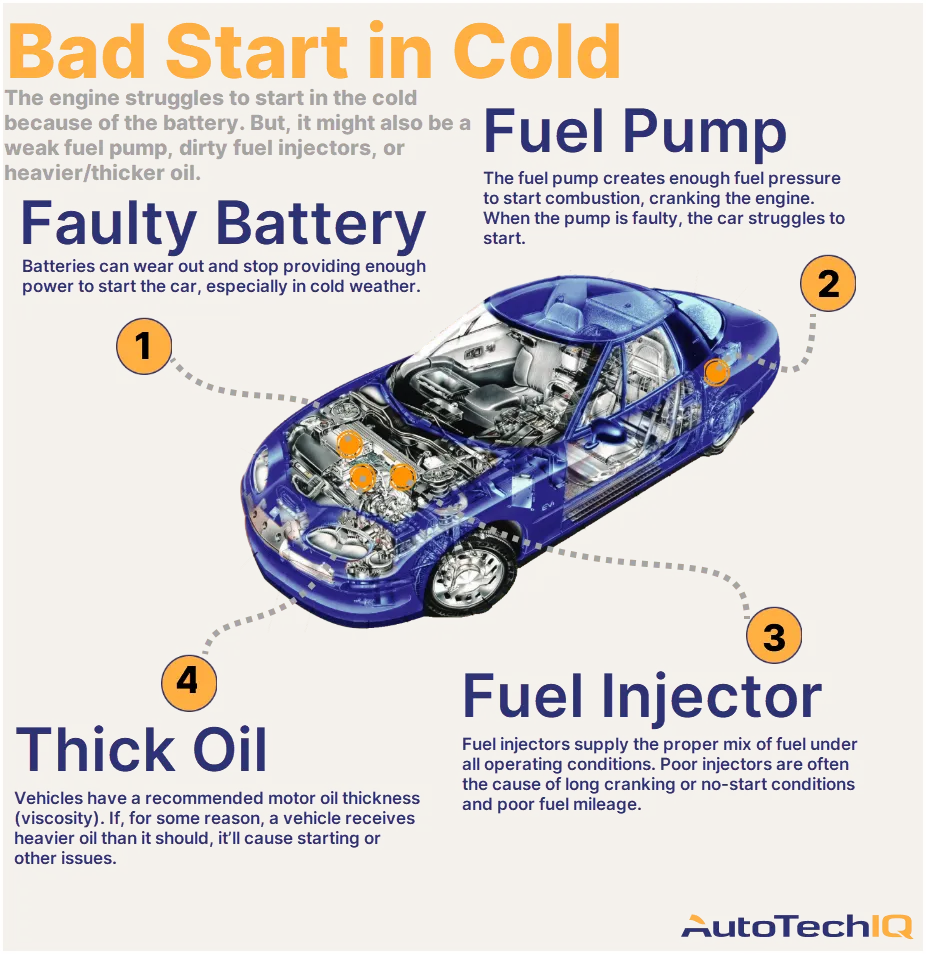
Common Causes Of Rough Idle In Cold Weather
1. Faulty Idle Air Control Valve (iacv)
The idle air control valve manages how much air goes into the engine when you are not pressing the gas pedal. In cold weather, it helps the engine get extra air for a smooth idle. If the valve sticks or fails, the engine can shake or stall.
Signs:
- Engine shakes more at start but smooths out when warm.
- Idle speed changes up and down.
2. Dirty Or Failing Mass Air Flow (maf) Sensor
The MAF sensor tells the engine how much air is coming in. If it’s dirty or faulty, the engine can get the wrong mix of air and fuel, leading to rough idle.
Signs:
- Check Engine light on.
- Hesitation when accelerating.
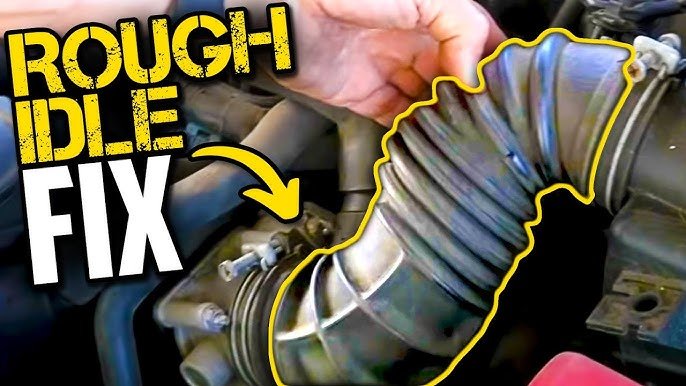
3. Vacuum Leaks
Small rubber hoses under the hood can crack or come loose in cold weather. These leaks let in extra air and confuse the engine’s computer, causing uneven idle.
Signs:
- Hissing sound under the hood.
- Engine runs lean (too much air).
4. Old Or Fouled Spark Plugs
Spark plugs ignite the fuel in each cylinder. If they are worn out or dirty, cold starts will be rough and uneven.
Signs:
- Engine misfires.
- Poor fuel economy.
5. Failing Engine Coolant Temperature Sensor
This sensor tells the computer how warm the engine is. If it reads wrong, the engine might not get enough fuel for a cold start.
Signs:
- Hard starting when cold.
- High idle speed after starting.
6. Dirty Fuel Injectors
Cold weather can make fuel injectors clog up faster, especially if you use lower quality fuel. This blocks proper fuel flow.
Signs:
- Rough idle and hesitation.
- Engine feels weak.
7. Worn Out Ignition Components
Parts like ignition coils, wires, or distributor caps can struggle in cold weather. Moisture can make problems worse.
Signs:
- Engine shakes more in wet or icy conditions.
- Random stalls.
8. Poor Battery Health
A weak battery means the starter and engine control systems don’t get enough power, making cold starts difficult and idle rough.
Signs:
- Slow cranking.
- Dim dashboard lights.
9. Dirty Throttle Body
The throttle body controls air entering the engine. If it’s coated with dirt or carbon, airflow is restricted, especially when cold.
Signs:
- Idle drops or surges after starting.
- Sticky gas pedal.
10. Bad Gasoline Or Moisture In Fuel
Old or low-quality fuel can have water or wax in it, which blocks the fuel system and causes rough idle.
Signs:
- Engine sputters.
- White smoke from exhaust.
Credit: www.autotechiq.com
Step-by-step Guide To Fixing Rough Idle In Cold Weather
Let’s go through a practical approach to solving rough idle issues. You don’t have to be a mechanic, but some basic tools and patience help.
Step 1: Check For Error Codes
Most cars from the late 1990s onward have a port where you can plug in a code reader. This tool will show codes stored by the car’s computer.
- Plug in the OBD-II scanner under the dashboard.
- Read any codes. Look up what they mean.
- Common codes for rough idle: P0300 (random misfire), P0505 (IACV fault), P0101 (MAF sensor).
This step can save you lots of guesswork.
Step 2: Inspect Idle Air Control Valve
- Locate the IACV (often on or near the throttle body).
- Remove it carefully.
- Clean with throttle body cleaner spray.
- Make sure the valve moves freely.
If cleaning doesn’t help, consider replacing it.
Step 3: Clean Mass Air Flow Sensor
- Find the MAF sensor between the air filter and intake.
- Unplug and remove it.
- Use a special MAF cleaner spray (never use brake cleaner).
- Let it dry fully before reinstalling.
A clean MAF sensor can make a big difference in cold starts.
Step 4: Find And Fix Vacuum Leaks
- With the engine off, check rubber hoses for cracks or loose ends.
- You can spray a bit of carb cleaner around suspect hoses while the engine is running. If idle changes, you found a leak.
- Replace any damaged hoses.
Step 5: Replace Spark Plugs
- Remove old spark plugs using a spark plug socket.
- Check for wear, oil, or carbon buildup.
- Install new plugs (use the correct type and gap for your car).
Fresh plugs make cold starts smoother.
Step 6: Test Engine Coolant Temperature Sensor
- Find the sensor (often near the thermostat).
- Check wiring for damage.
- Use a multimeter to test resistance (compare to specs in your car’s manual).
- Replace if out of range.
Step 7: Clean Or Replace Fuel Injectors
- Use a fuel injector cleaner additive in your gas tank.
- If problems continue, professional cleaning or replacement may be needed.
Step 8: Check And Replace Ignition Components
- Inspect spark plug wires, ignition coils, and distributor cap (if present).
- Look for cracks, corrosion, or moisture.
- Replace any worn or damaged parts.
Step 9: Test Battery And Charging System
- Use a multimeter to check voltage (should be around 12.6 volts with engine off).
- If voltage is low, recharge or replace the battery.
Step 10: Clean Throttle Body
- Remove the intake hose to access the throttle plate.
- Spray throttle body cleaner on a cloth and wipe away carbon.
- Open the throttle manually to clean all sides.
Step 11: Use Good Fuel And Additives
- Fill up with top-tier gasoline.
- In winter, keep the tank at least half full to reduce moisture.
- Add a fuel dryer (like HEET) if you suspect water in the tank.
Practical Example: Diagnosing A Honda Civic
Let’s see how these steps work for a common car, the Honda Civic (2006 model):
- The car starts fine but shakes for the first 2 minutes in the cold.
- Scanned for codes—found P0505 (IACV issue).
- Removed and cleaned IACV—improved but not perfect.
- Found a cracked vacuum hose near the intake—replaced it.
- Idle returned to normal, even in 0°C weather.
This shows how more than one problem can cause rough idle, and fixing both was needed for a smooth engine.
Credit: www.youtube.com
Comparison: Cold Weather Idle Fixes Vs. Warm Weather
Different weather needs different solutions. Here’s how fixing rough idle in cold and warm conditions compares:
| Factor | Cold Weather Focus | Warm Weather Focus |
|---|---|---|
| Air-Fuel Mixture | Richer mix needed | Normal mix works |
| Moisture Issues | Common (freezing, condensation) | Rare |
| Oil Viscosity | Thicker oil can cause problems | Thinner oil flows easily |
| Battery Strain | More likely to fail | Less likely to fail |
| Vacuum Leaks | Rubber hoses contract, may crack | Less contraction, fewer leaks |
Understanding these differences helps you focus your repairs.
Quick Reference: Symptoms And Solutions
Here’s a handy guide for matching symptoms with solutions:
| Symptom | Possible Cause | Action |
|---|---|---|
| Engine shakes only when cold | IACV, vacuum leak, spark plugs | Clean/replace IACV, check hoses, change plugs |
| Check Engine light on | MAF sensor, coolant temp sensor | Read codes, clean/replace sensor |
| Slow cranking | Weak battery | Charge or replace battery |
| White smoke from exhaust | Water in fuel | Add fuel dryer, use quality fuel |
| Idle drops then recovers | Dirty throttle body | Clean throttle body |
Keep this table handy for quick checks.
Credit: completeautomotive417.com
Key Tips For Preventing Rough Idle In Winter
- Warm up the engine: Let the car idle for 1-2 minutes before driving. This gives oil time to flow and sensors to adjust.
- Use winter-grade oil: Thinner oil (like 5W-30) flows better in cold weather.
- Keep up with maintenance: Replace spark plugs, filters, and fluids on time.
- Fill up before freezing weather: Less air in the tank means less condensation (water).
- Store your car in a garage: Warmer starts mean fewer problems.
Many drivers overlook small maintenance steps, thinking they don’t matter. But even a dirty air filter or old gas can make a big difference in cold weather.
When To See A Mechanic
If you’ve followed these steps and the rough idle continues, or if you notice:
- Strong fuel smell
- Engine stalls often
- Loud knocking or metal sounds
Don’t wait. Some problems need professional tools or experience. It’s better to get help than risk bigger engine damage.
Frequently Asked Questions
Why Does My Car Idle Rough Only In The Morning?
Cold temperatures affect engine parts, oil, and sensors. Overnight, everything cools down. In the morning, the engine needs more fuel and air, and any small problem shows up more clearly. As the engine warms, rough idle usually improves.
Can I Drive With A Rough Idle In Winter?
Short trips are usually safe if the car runs normally once warm. But driving long-term with rough idle can damage the engine, catalytic converter, or sensors. It’s best to fix the cause as soon as possible.
Will Using Premium Fuel Help With Rough Idle?
Premium fuel has a higher octane but does not directly fix rough idle unless your car requires it. Focus on fresh, top-tier fuel and keep the tank full to avoid moisture problems. For most cars, regular fuel is fine if the engine is in good shape.
How Often Should I Clean The Throttle Body And Sensors?
Cleaning the throttle body and MAF sensor every 20,000 to 30,000 miles is a good rule, but check your car’s manual. If you notice rough idle or poor fuel economy, clean them sooner.
Where Can I Find More Technical Details About Engine Sensors?
For deeper reading, see the Wikipedia page on engine control units. It explains how sensors and computers manage modern engines.
Getting your car to idle smoothly in cold weather is not just about comfort—it’s about keeping your engine healthy and reliable. With the right steps, you can solve most rough idle problems yourself and enjoy stress-free winter driving.