
Every car owner has seen them: those small, glowing symbols that suddenly appear on the dashboard. Sometimes it’s a simple reminder, like low fuel. Other times, it’s a bright red warning that makes your heart skip a beat. Dashboard warning lights are your car’s way of telling you something needs attention. Ignoring these signals can lead to expensive repairs, breakdowns, or even safety risks. But don’t worry—most warning lights can be understood and fixed, even if you’re not a mechanic.
If you’ve ever felt confused or worried when a dashboard light comes on, you’re not alone. This guide explains what the main warning lights mean, how to fix them, and when you need professional help. By the end, you’ll know how to handle dashboard warnings with more confidence and less stress.
Understanding Dashboard Warning Lights
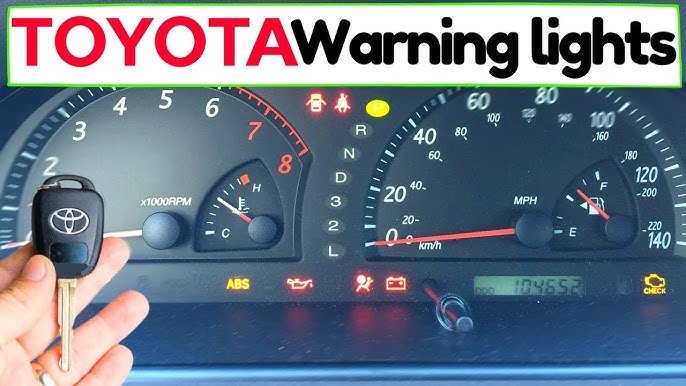
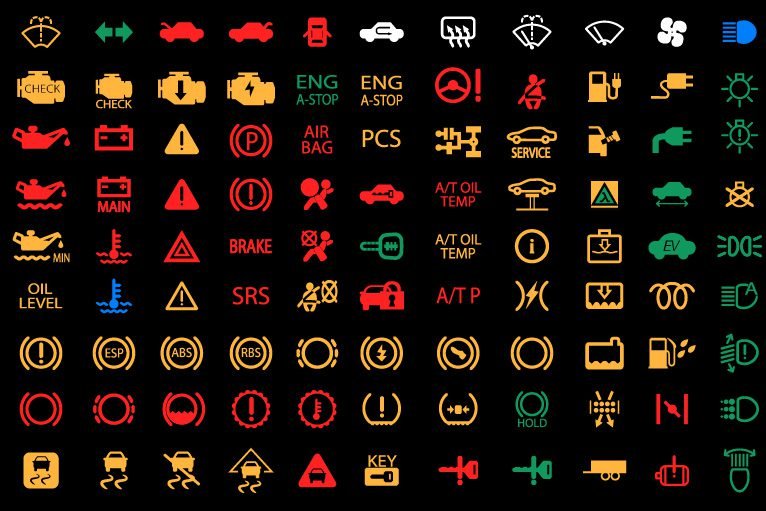
Dashboard warning lights use symbols and colors to show the car’s health. Most cars use the same basic warning lights, but check your owner’s manual for your specific model. Here’s what the colors mean:
- Red lights: Serious problems. Stop the car as soon as it’s safe.
- Yellow/orange lights: Something needs checking soon, but it’s not an emergency.
- Green/blue lights: Information or simple reminders (not warnings).
Knowing this color code helps you decide if you need to stop now or can keep driving.
Common Car Dashboard Warning Lights And How To Fix Them
Let’s look at the most common warning lights, what they mean, and what you should do.
1. Check Engine Light
This is usually a yellow outline of an engine. It turns on for many reasons, from a loose gas cap to serious engine problems.
What to do:
- Check the gas cap – A loose or missing cap is a common cause. Tighten it, then drive for a day to see if the light goes off.
- Notice any new sounds or smells – If the engine runs rough, makes strange noises, or smells bad, stop and get help.
- Use an OBD-II scanner – This tool reads the error code. Many auto shops will check your codes for free.
- If blinking, stop driving – A flashing check engine light means a serious problem.
Non-obvious tip: Sometimes, filling up with poor-quality fuel can trigger this light. Try switching to a better gas station if the issue repeats.
2. Oil Pressure Warning Light
This looks like an old-fashioned oil can. When it’s on, your engine may have low oil pressure.
What to do:
- Stop the engine right away – Driving with low oil pressure can destroy your engine.
- Check the oil level – Add oil if it’s low. Use the type listed in your manual.
- If the light stays on, call for a tow – There may be a leak or pump failure.
Non-obvious tip: Using the wrong oil type can trigger this warning, especially in newer cars.
3. Battery Warning Light
A symbol showing a battery means your charging system isn’t working right.
What to do:
- Turn off extra electrical items – Air conditioning, radio, and lights use battery power.
- Check the battery terminals – Loose or corroded wires can cause the problem.
- Drive to a repair shop – Your car may run for a while, but it could stall soon.
Example: If you hear clicking when turning the key, your battery may be dead.
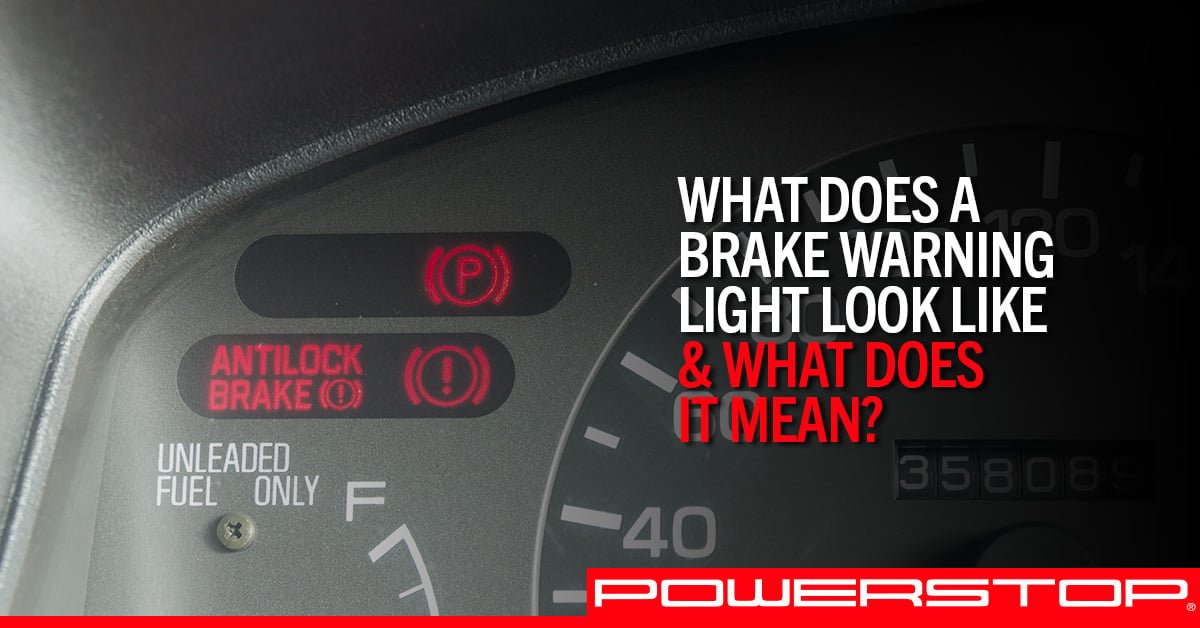
4. Brake Warning Light
This light often says “BRAKE” or shows a circle with an exclamation mark.
What to do:
- Check if the parking brake is on – Release it and see if the light goes off.
- Check brake fluid level – Add fluid if it’s low, but don’t ignore leaks.
- If the brakes feel soft or weak, stop driving – Call for help.
Non-obvious tip: Some cars have two brake lights—one for the parking brake, one for the main system. Always check both.
5. Abs Warning Light
A yellow “ABS” means the anti-lock braking system has a fault.
What to do:
- Brakes still work, but without ABS – Drive carefully, especially in rain or snow.
- Check your owner’s manual – Some cars let you reset the ABS by turning the ignition on and off.
- Get the system checked soon – ABS helps you stop safely, so fix it quickly.
6. Engine Temperature Warning Light
This symbol looks like a thermometer in water. It means your engine is too hot.
What to do:
- Stop the car and turn off the engine – Let it cool for at least 30 minutes.
- Check coolant level – Add coolant (or water, in an emergency) if low.
- Never open the radiator cap while hot – You could get burned.
- If the light returns, call for a tow – Overheating can destroy the engine.
Non-obvious tip: A broken fan or blocked air intake can cause overheating, not just low coolant.
7. Tire Pressure Monitoring System (tpms) Light
Looks like a horseshoe with an exclamation mark. Shows that one or more tires are under-inflated.
What to do:
- Check tire pressures – Use a gauge, not just your eyes.
- Inflate tires to the correct pressure – See the sticker inside your driver’s door.
- Watch for slow leaks or punctures – If the light comes back, inspect for nails or damage.
8. Airbag Warning Light
Usually a picture of a seatbelt and airbag. If it’s on, your airbags may not work in a crash.
What to do:
- Check seatbelts and child seats – Sometimes a loose connection triggers this light.
- Don’t ignore it – Airbags are key for safety. See a mechanic soon.
9. Traction Control Or Stability Control Light
A car with squiggly lines means these systems are active or have a problem.
What to do:
- If blinking, the system is working – Usually in slippery conditions.
- If always on, get it checked – Sensors may be dirty or broken.
10. Service Vehicle Soon Light
Sometimes shown as a wrench or “SERVICE. ” It’s a general reminder for scheduled maintenance, not an emergency.
What to do:
- Check your maintenance schedule – Oil change, filter, or inspections may be due.
- Reset the light after service – Some cars need a manual reset.
Credit: www.powerstop.com
When To Fix It Yourself Vs. Call A Mechanic
Not all warning lights need a trip to the workshop. Here’s a summary to help you decide:
| Warning Light | DIY Fix Possible? | Call Mechanic? |
|---|---|---|
| Check Engine | Yes (if minor, like gas cap) | Yes (if blinking or not solved) |
| Oil Pressure | Check/add oil | Yes (if light stays on) |
| Battery | Check battery/terminals | Yes (charging issues) |
| Brake | Check fluid/parking brake | Yes (if fluid low or brakes feel wrong) |
| ABS | Reset system (sometimes) | Yes (if light stays on) |
| Engine Temperature | Add coolant | Yes (if overheating continues) |
| TPMS | Inflate tires | Yes (if light returns) |
| Airbag | No | Yes (always) |
| Traction Control | Clean sensors (maybe) | Yes (if always on) |
| Service | Perform required service | Yes (if unsure) |
How To Reset Dashboard Warning Lights
After fixing the problem, some lights turn off by themselves. Others need a manual reset.
- Drive for a few cycles – Many cars need a few starts and stops to reset.
- Use an OBD-II scanner – This tool can clear codes for most check engine lights.
- Disconnect the battery – Remove the negative cable for 10 minutes (not recommended for new cars—may cause other issues).
- Manual reset – Some cars have a reset button or sequence (see your manual).
Warning: Resetting the light without fixing the problem can make things worse. The light will usually come back.
Credit: www.youtube.com
Why Dashboard Lights Should Never Be Ignored
Ignoring dashboard warnings can be risky. Here’s why:
- Safety: Some lights warn of real dangers, like brake failure or overheating.
- Cost: Small problems, like low oil, can turn into major engine damage.
- Legal issues: Driving with some warning lights (like airbag or brakes) can be illegal in some places.
Preventing Dashboard Warning Lights
While you can’t stop every problem, regular care helps prevent most warning lights:
- Check fluids often: Oil, coolant, brake, and washer fluid.
- Inspect tires: Pressure and condition.
- Get regular maintenance: Oil changes, filters, and scheduled checks.
- Listen for strange sounds: Early fixes are cheaper and safer.
Real-world Example: Quick Action Saves Money
A driver noticed his check engine light came on after filling up at a small gas station. Instead of ignoring it, he checked the gas cap and tightened it. The light went off the next day. If he had ignored it, he might have failed his annual inspection or paid for an unnecessary diagnostic.
Top Mistakes When Handling Warning Lights
| Mistake | Why It’s a Problem |
|---|---|
| Ignoring a red light | Serious damage or safety risk |
| Resetting without fixing | Problem returns, maybe worse |
| Using the wrong fluid | Can trigger more warnings |
| Guessing instead of checking codes | Wastes time and money |
| Driving with a blinking check engine light | Engine damage can happen fast |
Credit: info.oregon.aaa.com
Frequently Asked Questions
What If I Can’t Find My Car’s Warning Light In The Manual?
Try searching online for your car’s year, make, and model with the warning light description. Many car forums and the National Highway Traffic Safety Administration have guides.
Can I Drive With The Check Engine Light On?
If the light is steady and the car feels normal, you can drive short distances. But if it’s blinking or you notice strange sounds, stop and get help.
Why Does The Dashboard Light Stay On After Fixing The Problem?
Some warning lights need a few driving cycles to reset. Others need to be cleared with an OBD-II scanner. If the light stays on, the problem may not be fixed.
Is It Safe To Disconnect The Battery To Reset Warning Lights?
In older cars, this can reset some warning lights. In modern cars, disconnecting the battery may cause other problems or require radio code resets. Only use this method if you’re sure.
How Much Does It Cost To Fix Dashboard Warning Lights?
Costs vary. Some fixes (like tightening the gas cap) are free. Others, like airbag system repairs, can cost hundreds of dollars. Checking codes at an auto shop is often free or low-cost.
Dashboard warning lights don’t have to be scary. With a little know-how and quick action, you can avoid big problems, keep your car running smoothly, and drive with peace of mind.