
Sharing a garage with neighbors or housemates can save money, but it also brings challenges—especially when it comes to keeping your tools safe. Whether you’re storing basic hand tools, expensive power tools, or unique specialty gear, tool security is not something to take lightly. Tools are easy to lose, misplace, or even have stolen in a shared space. Losing a favorite wrench is annoying; losing a $400 drill is painful. Even honest people can mix up similar tools, and sometimes, things “walk away” without anyone noticing.
If you want to protect your investment and keep your work running smoothly, you need a clear plan. This guide will show you practical, effective ways to secure your tools in a shared garage. You’ll find tips for all budgets, from simple labeling to advanced storage systems.
If you follow these steps, you’ll reduce the risk of loss and keep your tools in top condition for years.
Understanding The Risks In A Shared Garage
Many people underestimate the risks when storing tools in a communal area. A shared garage might be used by housemates, tenants, or even strangers in an apartment block. It’s important to be aware of these common problems:
- Tool mix-ups: Tools get borrowed and not returned, or mistaken for someone else’s gear.
- Theft: Not everyone using the garage will have the same respect for property.
- Damage: Tools can be handled roughly or left exposed to moisture and dust.
- Lack of accountability: With multiple users, it’s hard to trace missing items.
A 2022 survey by a US home insurance provider found that 27% of tool thefts reported happened in shared garages or workshops. Even small mistakes can add up to big losses over time.
Choosing The Right Tool Storage
Your first line of defense is choosing smart, secure storage for your tools. There are many options, each with different advantages.
| Storage Option | Security Level | Best For | Cost |
|---|---|---|---|
| Lockable toolbox | Medium | Small tool sets | Low |
| Lockable cabinet | High | Larger collections | Medium |
| Wall-mounted lockers | High | Shared garages | Medium–High |
| Personal storage cage | Very High | High-value tools | High |
Lockable Toolboxes
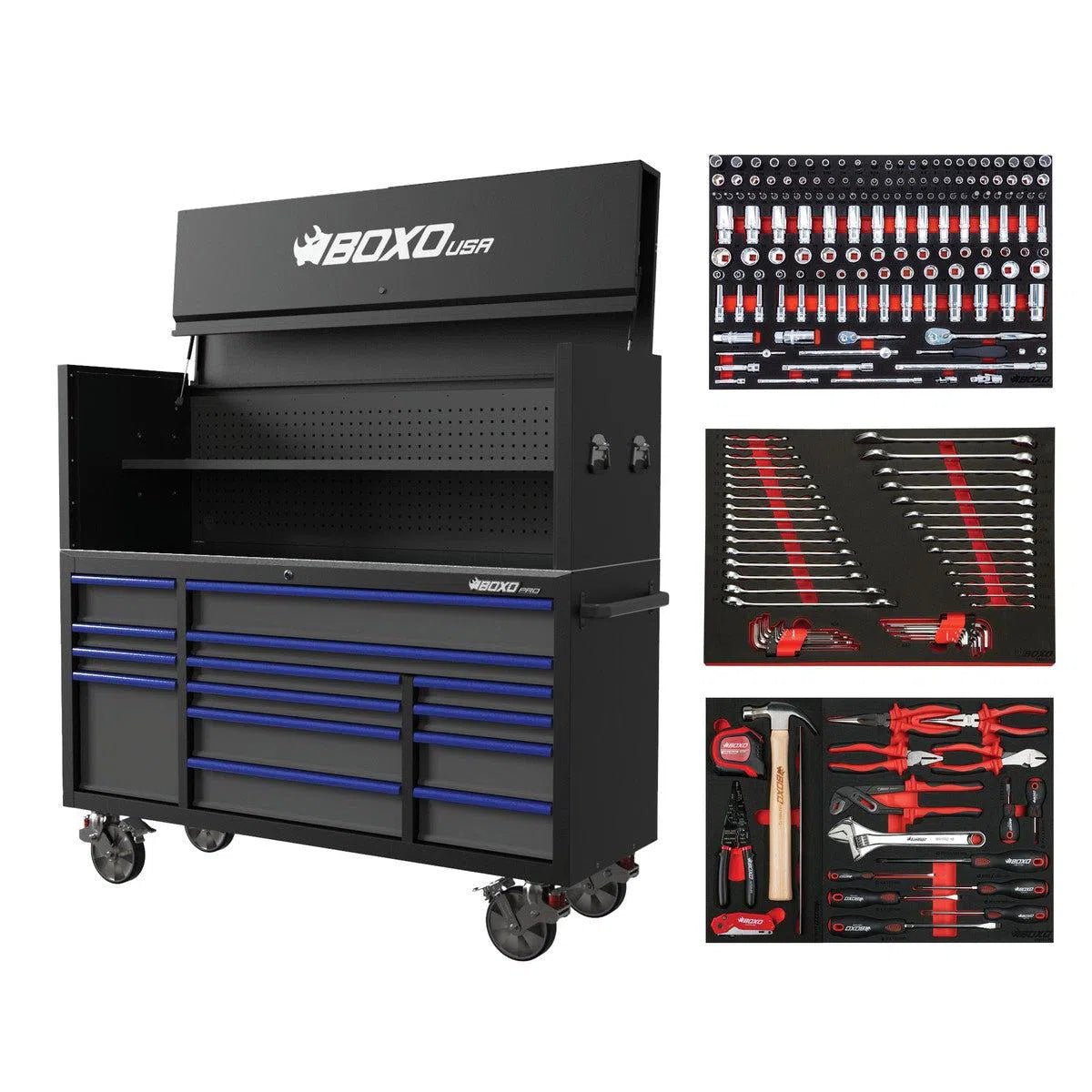
A lockable toolbox is affordable and portable. It’s best for hand tools and small power tools. Always choose a box with a sturdy lock and solid hinges.
Cabinets And Lockers
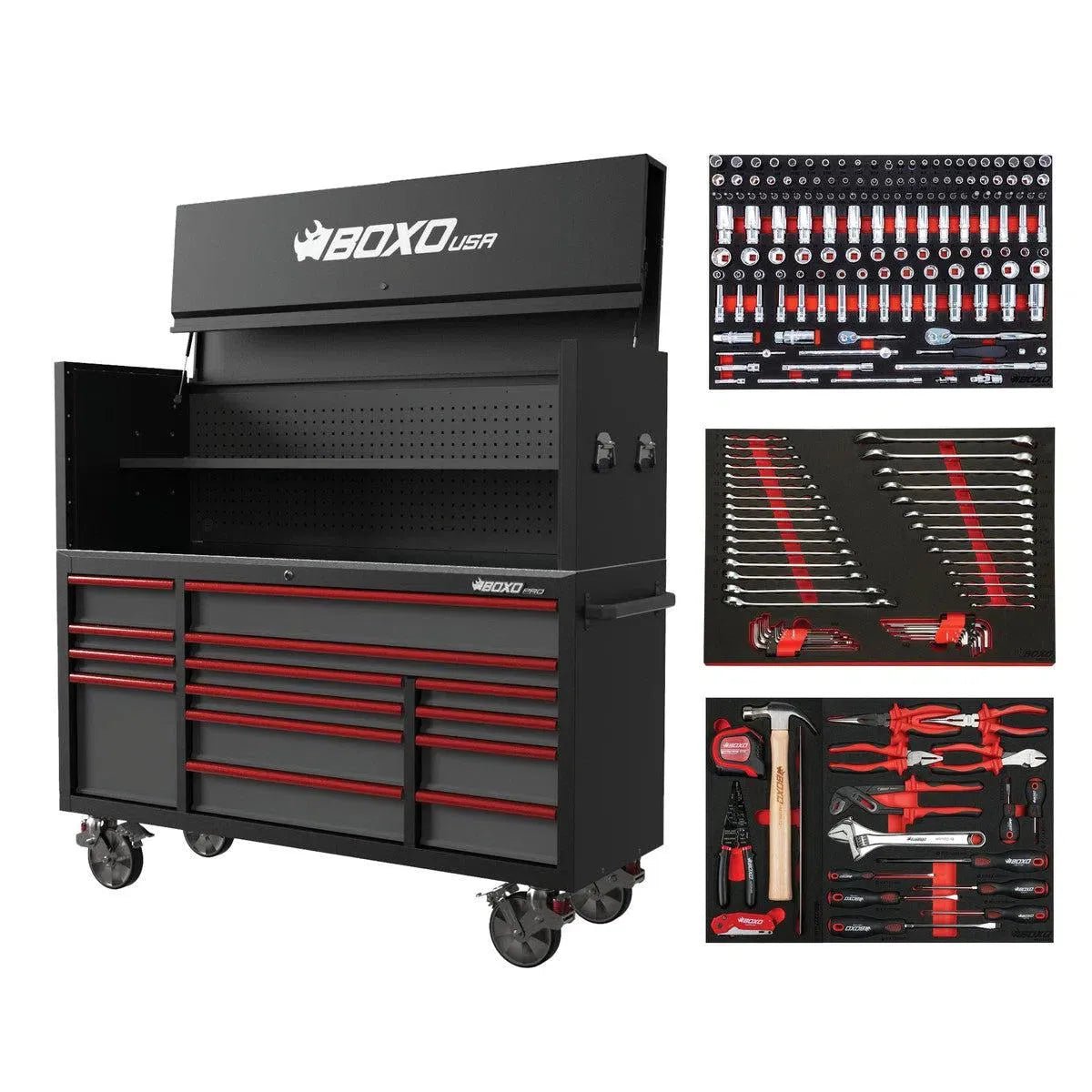
A lockable cabinet or wall-mounted locker can secure more tools and keep them organized. Some cabinets have shelves and hooks for better arrangement. Look for steel construction and hidden hinges, as these are harder to break open.
Storage Cages
For the highest level of security, a personal storage cage inside the garage is ideal. These are usually metal cages with padlocks or combination locks. They are expensive, but offer peace of mind if you own many expensive tools.
Pro Tip
Don’t store your tools in cardboard boxes or open bins—these invite trouble and offer no protection.
Credit: boxousa.com
Smart Labeling And Identification
Labeling your tools is a simple way to prevent mix-ups and deter theft. If your name or a unique mark is on each tool, it’s easier to identify and recover them if lost.
Methods For Marking Tools
- Permanent marker: Write your name or initials directly on the tool.
- Engraving: Use an engraving pen to carve your name or a code number into metal surfaces.
- Colored tape or paint: Wrap handles with a unique color or pattern that stands out.
- Tool ID tags: Attach a small tag with your details.
Why Marking Matters
If a tool goes missing, you can prove ownership. Some thieves avoid marked tools because they are harder to sell. Labeling also helps honest users return tools if borrowed by mistake.
Common Mistake
Many people only mark expensive tools. In reality, even small, cheap tools are worth labeling—because these are the most likely to be borrowed or misplaced.
Locking Strategies For Extra Security
Physical locks provide a strong barrier against casual theft. Depending on your storage, you can add one or more of these options:
| Lock Type | Best For | Strength | Weakness |
|---|---|---|---|
| Padlock | Toolboxes, cages | Medium | Can be cut with tools |
| Combination lock | Cabinets, lockers | Medium | Can forget code |
| Hasp and staple | Large cabinets | High | Needs installation |
| Smart lock | High-value items | Very high | Needs batteries or power |
Multiple Layers
Don’t rely on one lock. Secure the garage itself, then lock your storage unit, and finally lock your toolbox. Thieves are less likely to go after tools with several obstacles.
Sharing Keys
If you need to share access, keep a log of who has keys or codes. Change combinations if someone moves out or loses their key.
Credit: basc.pnnl.gov
Creating A Tool Inventory
Keeping a list of your tools is critical, especially in a shared garage. An inventory helps you:
- Track what you own
- Notice missing items quickly
- Prove ownership to police or insurance
How To Create An Inventory
- List every tool: Write down the name, brand, model, and serial number (if any).
- Take photos: Photograph each tool for records.
- Store receipts: Keep copies of purchase receipts if possible.
- Use an app: Try free inventory apps or a simple spreadsheet.
Review your inventory every few months. If something is missing, you’ll know right away.
Hidden Benefit
If you ever need to make an insurance claim after a theft or fire, a detailed inventory makes the process much smoother.
Using Technology For Added Protection
Modern technology can help you secure tools even more.
Alarm Systems
Small motion detectors or door alarms can be installed in your storage cabinet or on the garage door. These don’t need to be expensive—a $30 battery-powered alarm can scare off most thieves.
Security Cameras
A simple camera watching the garage entrance or your storage area can make a big difference. Even a visible “dummy” camera can discourage casual theft.
Gps Or Bluetooth Trackers
For high-value tools, small GPS or Bluetooth trackers can be hidden inside tool cases. If a tool is moved, you can track its location using your phone.
Insight For Beginners
Don’t assume technology is too complicated or expensive. Many alarms and trackers are easy to use and cost less than replacing even one good drill.
Setting Shared Garage Rules
A secure garage needs clear rules, especially when multiple people are involved.
What To Include In Garage Rules
- No borrowing without asking: Tools should not be taken without permission.
- Return tools promptly: Tools must come back to their storage after use.
- Report damage or loss: Anyone who breaks or loses a tool should notify the owner.
- Keep the area tidy: Messy spaces make it easier for tools to be lost.
Write these rules down and post them in the garage. If you’re sharing with people you don’t know well, put the main points in your rental or house agreement.
Non-obvious Tip
Schedule a monthly “tool check” where everyone quickly checks their storage. This helps spot problems early and encourages accountability.
Insurance And Financial Protection
Even with the best precautions, accidents and theft can still happen. Tool insurance can cover the cost of replacement.
What To Look For In Insurance
- Coverage limits: Make sure your policy covers the full value of your tools.
- Proof of ownership: Your inventory list and photos are essential.
- Theft from shared spaces: Some policies don’t cover tools stored outside your home—ask your provider.
For more details, check resources like the Insurance Information Institute.
Pro Insight
Some home insurance policies exclude high-value tools or require a special rider. Always double-check the fine print.
Credit: boxousa.com
Maintaining Tool Condition In A Shared Garage
A shared garage is not always the cleanest or driest environment. To keep your tools in good working condition:
- Store off the floor: Use shelves or racks to keep tools away from moisture.
- Use silica gel packs: These absorb moisture and help prevent rust.
- Clean before storing: Wipe down tools after use, especially if they’re dirty or wet.
- Check for pests: Rodents can nest in toolboxes and chew handles.
Regular maintenance not only protects your investment, but also makes it easier to spot when something is missing or damaged.
Dealing With Disputes And Lost Tools
Even with clear rules, disputes may happen. Handle them calmly and fairly.
Steps To Resolve Issues
- Review inventory and labels: Check your list and markings to confirm ownership.
- Talk first: Discuss the issue with other garage users before blaming anyone.
- Check security footage: If you have cameras, review them for clues.
- Involve a neutral party: For serious disputes, ask a landlord or building manager to mediate.
Lost tools are sometimes found months later, behind a shelf or in someone else’s toolbox by mistake. Good records and calm communication help keep relationships positive.
Hidden Insight
People often forget to update their tool inventory after buying or selling items. Make it a habit to update your list right away to prevent confusion.
Frequently Asked Questions
What’s The Most Secure Way To Store Tools In A Shared Garage?
The best method is a lockable metal storage cage anchored to the floor or wall, with a strong padlock or smart lock. Combine this with clear labeling and an updated inventory for maximum protection.
How Can I Stop People From Borrowing My Tools Without Permission?
Label all your tools, post clear garage rules, and use locked storage. Communication is key—talk with other users about expectations and respect for personal property.
Are There Budget-friendly Ways To Secure Tools?
Yes. Use a lockable toolbox, mark your tools with a permanent marker or colored tape, and keep a simple inventory. These steps are affordable and still provide good security.
What Should I Do If My Tool Is Stolen From A Shared Garage?
Check your inventory and labels, speak with other users, and review any security footage. If you can’t find the tool, file a police report and provide your inventory and photos as evidence for insurance claims.
Does My Home Insurance Cover Tools In A Shared Garage?
Not always. Some policies exclude tools kept outside your main living space. Contact your insurer to confirm coverage and consider a special rider for expensive items.
Securing tools in a shared garage takes effort, but it’s worth it. With smart storage, clear rules, and a little technology, you can keep your tools safe, reduce stress, and focus on your projects—not on lost or stolen gear.