
Car Maintenance Myths Debunked
Most car owners want to keep their vehicles running smoothly, but it’s easy to get confused by the advice you hear. Some maintenance tips are helpful, but many are just myths—ideas that sound true but can actually waste your time and money.
These myths often come from old habits, outdated technology, or simple misunderstandings. If you want your car to last longer and avoid unnecessary repairs, it’s important to know what’s real and what’s not.
In this article, we’ll break down the most common car maintenance myths, explain why they’re wrong, and show you what really matters when taking care of your car. You’ll learn facts that can save you money, reduce stress, and help you make better decisions at the mechanic.
Myth 1: You Must Change Engine Oil Every 3,000 Miles
For decades, people have believed that engine oil should be changed every 3,000 miles (about 4,800 km). This advice was true for older cars using conventional oils, but today’s cars and oils are different.
Modern engines are designed with tighter tolerances and use synthetic oils that last longer. Many manufacturers now recommend oil changes every 5,000 to 10,000 miles (8,000 to 16,000 km) or even longer. Always check your owner’s manual for the exact interval. Changing oil too often wastes money and resources.
Non-obvious insight: Over-changing oil can also harm the environment due to extra waste. Rely on your car’s oil-life monitoring system or manufacturer’s schedule instead.
Myth 2: Premium Fuel Makes Your Car Run Better
Premium fuel usually costs much more than regular unleaded, but many drivers think it gives better performance or protects the engine. In reality, most cars are designed to run perfectly on regular fuel.
You only need premium fuel if your car’s manual says so. Premium gasoline just has a higher octane rating, which prevents knocking in high-performance engines. For standard cars, it offers no benefit and will not clean your engine or improve mileage.
Non-obvious insight: Using premium fuel in a car that doesn’t require it can actually be less efficient, as the engine isn’t tuned for high octane.
Myth 3: Warm Up Your Car For Several Minutes Before Driving
In cold weather, it’s common to see cars idling for several minutes to “warm up” before driving. This advice comes from the days of carbureted engines, which needed time to run smoothly.
Modern cars use fuel injection and warm up much faster. Idling wastes fuel, increases emissions, and can even damage the engine over time. The best practice is to start the car, wait 30 seconds, and drive gently. The engine warms up faster when driving.
Myth 4: A Clean Car Runs Better
Washing your car makes it look great, but some people believe a clean car actually runs better. While dirt can affect aerodynamics slightly, the impact is so small you won’t notice it during normal driving.
The real benefit of washing is protecting the paint and body from rust and wear. It won’t improve engine performance or fuel economy. Focus on cleaning to prevent rust, not for mechanical reasons.
Myth 5: You Need To Replace All Four Tires At Once
Some shops will tell you to change all four tires together, no matter what. While it’s important for all-wheel drive (AWD) vehicles to have matching tires, most cars only need tires replaced in pairs (both front or both rear) if only two are worn.
If you only replace one tire, it can cause uneven wear and handling. But replacing all four when only one or two are worn is unnecessary for most front- or rear-wheel drive cars. Always follow your car’s manual and seek honest advice.
Myth 6: If It’s Not Broken, Don’t Fix It
This myth sounds logical, but ignoring regular maintenance can lead to breakdowns. Cars have parts that wear out slowly, like belts, fluids, and filters. Waiting until something fails can cause expensive damage.
For example, a worn timing belt can break without warning and ruin your engine. Preventive maintenance—changing parts before they fail—keeps your car reliable and safe. Don’t wait for a breakdown before acting.
Myth 7: Dish Soap Is Fine For Washing Cars
Household cleaners like dish soap are strong, but that’s the problem. They can strip away wax and damage your car’s paint over time. Car wash soaps are made to clean without removing protective coatings.
Using the right product keeps your paint shiny and protects your car’s value. Avoid shortcuts with harsh cleaners.
Myth 8: Inflate Tires To The Number On The Sidewall
Many drivers look at the tire’s sidewall for the correct pressure, but this number is the maximum safe pressure, not the recommended level for your car. Over-inflating tires can reduce grip, cause uneven wear, and make the ride harsh.
Check the sticker inside your driver’s door or your owner’s manual for the correct tire pressure. Proper inflation improves safety, fuel economy, and tire life.
Myth 9: Bigger Is Always Better For Replacement Parts
Some owners think larger parts like bigger brakes, thicker oil, or oversized wheels will improve performance. In reality, parts are engineered for specific cars. Changing sizes can cause more problems.
For example, oversized wheels may look good but can reduce fuel economy, make the ride rough, and stress suspension parts. Always use the size and type recommended by your manufacturer.
Myth 10: Red Cars Cost More To Insure
People often say that red cars have higher insurance rates because they attract attention or are driven faster. Insurance companies don’t care about the color of your car. They look at make, model, age, engine size, and your driving history.
Choosing a color you like won’t affect your insurance costs. Don’t let this myth influence your decision.

Credit: www.autotrainingcentre.com
Myth 11: Engine Coolant Lasts Forever
Coolant, or antifreeze, protects your engine from overheating and freezing. Some people believe it never needs changing. In truth, coolant breaks down over time, losing its ability to protect and prevent corrosion.
Most manufacturers recommend changing coolant every 2–5 years or 30,000–50,000 miles. Ignoring this can lead to leaks, overheating, or even engine failure.
Myth 12: All Mechanics Try To Upsell Unnecessary Repairs
There’s a common fear that mechanics always push for extra work. While some do, most professionals want to keep your car safe and reliable.
You can protect yourself by learning basic maintenance, asking for explanations, and seeking second opinions. Building a relationship with a trusted shop helps avoid unnecessary upsells.
Myth 13: Higher Octane Means More Power
Many believe that high-octane fuel gives more horsepower. Octane only measures a fuel’s resistance to knocking, not its energy content. Unless your car’s engine is designed for high octane, you gain nothing from using it.
Stick to the octane rating listed in your owner’s manual for best performance and savings.
Myth 14: You Can Judge Brake Health By Sound Alone
Noisy brakes often mean worn pads, but brakes can be unsafe even if they’re quiet. Pads can wear down without making noise, and other parts like rotors or calipers can fail silently.
Regular brake inspections are the only way to ensure safety. Don’t wait for sounds before checking your brakes.
Myth 15: Manual Transmissions Are Always Cheaper To Repair
Manual transmissions are simpler than automatics, but repairs can be just as costly, especially for rare or high-performance cars. Parts for manuals are sometimes hard to find, and labor can be intensive.
The cost depends on the car, the problem, and where you live. Don’t assume a manual is always cheaper to fix.
Myth 16: Your Car’s Battery Will Recharge After A Short Drive
If your battery dies, a quick drive around the block won’t fully recharge it. Modern batteries need a longer drive—usually 30 minutes or more at highway speeds—to recover.
Short trips only partially recharge the battery, which can shorten its lifespan. Use a charger or drive longer after a jump-start.
Myth 17: You Don’t Need To Service The Transmission Until It Fails
Some people think transmission fluid lasts forever. In reality, it breaks down over time, losing its ability to lubricate and cool.
Ignoring transmission service can lead to expensive repairs. Most automakers recommend fluid changes every 30,000–60,000 miles, but check your manual for specifics.
Myth 18: More Frequent Washing Prevents All Rust
Washing your car helps prevent rust by removing salt and dirt, but it’s not a cure-all. Rust can start in hidden areas you can’t reach, especially if drains are blocked or paint is chipped.
Regular inspections and fixing chips quickly do more to prevent rust than frequent washing alone.
Myth 19: New Cars Don’t Need Any Maintenance
It’s easy to think new cars don’t need care for the first few years. But skipping scheduled maintenance can void warranties and cause early wear. Oil, filters, and fluids still need changing based on time and mileage.
Follow the maintenance schedule from day one to protect your investment.
Myth 20: Engine Additives Improve Performance
There are many engine additives on the market claiming to boost performance or clean your engine. Most modern engines and fuels already have additives built in. Extra products usually offer little benefit and can even cause problems.
Unless your manufacturer recommends it, stick to regular maintenance and quality fuels.
Comparing Popular Car Maintenance Myths
Understanding how these myths compare can help you make better decisions:
| Myth | Why It’s Wrong | What to Do Instead |
|---|---|---|
| Change oil every 3,000 miles | Modern oils last longer | Follow owner’s manual |
| Premium fuel for all cars | Not needed for most engines | Use recommended octane |
| Warm up car for minutes | Wastes fuel, not needed | Drive gently after start |
Common Car Fluids And Their True Maintenance Needs
Knowing how often to change fluids protects your car and wallet:
| Fluid | Myth | Actual Interval |
|---|---|---|
| Engine Oil | Every 3,000 miles | 5,000–10,000 miles |
| Coolant | Lasts forever | 2–5 years or 30k–50k miles |
| Transmission Fluid | No need to change | 30k–60k miles |
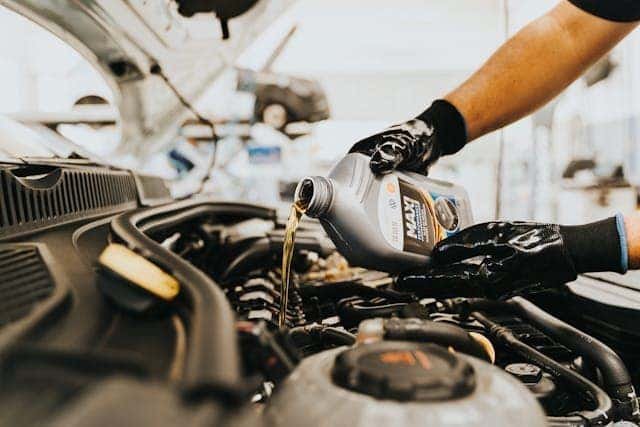
Credit: www.auburntoyota.com
What Really Matters In Car Maintenance
With so many myths, it’s easy to feel unsure. Here’s what actually makes a difference:
- Follow the owner’s manual: The best advice for your car comes from the people who built it.
- Use quality parts and fluids: Stick to recommended brands and specifications.
- Keep records: Track services to avoid missing important maintenance.
- Find a trustworthy mechanic: A good relationship saves money and stress.
- Ask questions: Don’t be afraid to ask why a repair is needed.
Saving Money And Avoiding Mistakes
Believing myths can cost you money, time, and even safety. For example, over-changing oil adds up fast, and skipping preventive care can cause breakdowns. Here are two mistakes beginners often make:
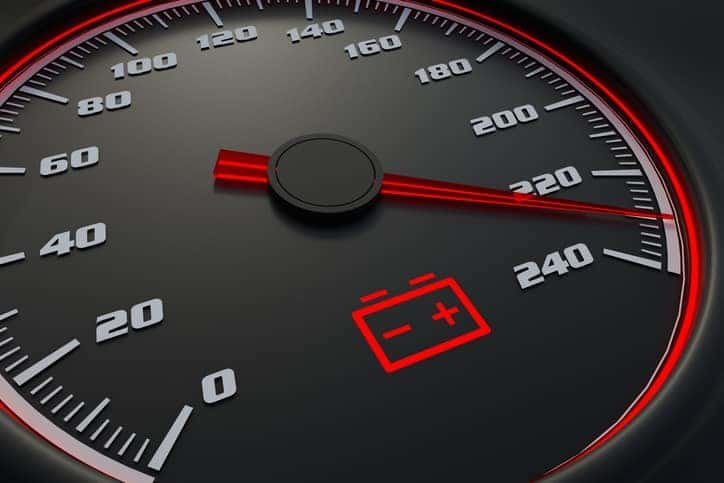
- Ignoring warning lights: Modern cars have many sensors. Don’t delay repairs when a light comes on, even if the car feels fine.
- Over-trusting online tips: The internet is full of advice, but not all of it fits your car. Always cross-check with your manual or a pro.
Credit: www.bobtylertoyota.com
Frequently Asked Questions
What Happens If I Use Regular Fuel In A Car That Says “premium Recommended”?
Most cars labeled “premium recommended” can run on regular fuel without damage, but you might notice a small drop in performance or mileage. If it says “premium required,” always use premium to avoid engine knocking.
How Often Should I Really Check My Tire Pressure?
Check tire pressure at least once a month and before long trips. Proper inflation improves safety, fuel economy, and prevents uneven tire wear.
Is It Safe To Use Aftermarket Parts Instead Of Original Ones?
Aftermarket parts can be safe and cost-effective if they meet OEM (original equipment manufacturer) standards. However, some cheap parts may not last as long or fit correctly. Research brands and ask your mechanic for advice.
Do Electric Cars Need Less Maintenance?
Electric cars have fewer moving parts, so they often need less maintenance—no oil changes or exhaust repairs. But they still need brake service, tire rotation, and battery checks. Check the manufacturer’s schedule.
Where Can I Find Trusted Information About Car Maintenance Schedules?
The best place is your owner’s manual. For extra details, trusted sites like AAA offer clear, up-to-date guides.
Understanding what your car really needs helps you avoid waste and keep your vehicle running smoothly for years. Forget the myths—smart maintenance is about facts, not old stories.