
Changing your car’s oil at home can save money and give you a sense of control over your vehicle’s maintenance. Many car owners like the hands-on approach, but even a simple oil change can go wrong if you miss important details.
Small mistakes can lead to engine problems, leaks, or messy driveways. By understanding the most common errors, you can avoid headaches and keep your engine running smoothly.
Choosing The Wrong Oil
Using the right oil is not just about picking any bottle from the shelf. Every engine needs a specific oil viscosity and type (like synthetic, conventional, or blend). If you use oil that’s too thick or too thin for your engine, it can cause poor lubrication, reduced fuel efficiency, or even engine damage. Always check your owner’s manual for the recommended oil grade and type.
Some people think all oils are similar, but modern engines are sensitive. For example, many new cars need synthetic oil because it handles heat better and lasts longer. Using the wrong oil can void your warranty and shorten your engine’s life.
Not Warming Up The Engine
Some beginners drain the oil from a cold engine. This leaves a lot of old, dirty oil behind because cold oil is thick and drains slowly. It’s best to let your car run for 5-10 minutes before changing the oil.
Warm oil flows out faster and removes more contaminants. But never work on a hot engine—wait a few minutes after turning it off to avoid burns.
Using The Wrong Oil Filter
An oil filter does more than catch dirt; it keeps your engine’s oil clean. Using the wrong filter size or type can cause leaks or poor filtration. Always double-check the filter part number for your car’s make, model, and year. Don’t guess or choose based on price alone. Some filters look similar but have different sealing gaskets or valves.
Forgetting To Replace The Drain Plug Gasket
This is an easy mistake to make. Many cars have a small gasket or washer on the drain plug to prevent leaks. If you reuse an old, crushed gasket or forget to install a new one, oil can slowly leak from the pan.
This can lead to low oil levels and engine damage over time. Keep a few spare gaskets on hand—most are cheap and easy to find.
Over-tightening Or Under-tightening The Drain Plug
Tightening the drain plug too much can strip the threads in your oil pan, which is expensive to fix. Not tight enough, and oil can leak out. Use a torque wrench and follow your car’s recommended torque specification. Most cars require between 20-30 ft-lbs, but always confirm for your model.
Here’s a quick look at common torque specs for popular cars:
| Car Model | Drain Plug Torque (ft-lbs) |
|---|---|
| Honda Civic (2018+) | 29 |
| Toyota Corolla (2017+) | 27 |
| Ford F-150 (2015+) | 25 |
Not Changing The Oil Filter
Some people only drain and refill oil, leaving the old filter in place. A dirty filter can’t clean new oil, so debris keeps circulating. Always change the filter with the oil. This is a simple step but makes a big difference in engine health.
Forgetting To Lubricate The New Filter Gasket
When installing a new oil filter, lightly oil the rubber gasket with fresh oil. This helps it seal better and makes removal easier next time. If you install the filter dry, the gasket can twist or stick, causing leaks or making it very hard to remove later.
Filling With Too Much Or Too Little Oil
Your engine needs the right amount of oil—no more, no less. Too much oil can cause pressure buildup, leaks, or foaming, while too little oil leaves parts unprotected. Use the dipstick to double-check the level after refilling. Let the engine run for a minute, then check again and top off if needed.
To see the effects of incorrect oil levels:
| Condition | Potential Problem |
|---|---|
| Overfilled | Oil leaks, foaming, crankshaft damage |
| Underfilled | Poor lubrication, overheating, engine wear |
Credit: www.gervelislaw.com
Not Checking For Leaks After The Job
After starting the engine, many people forget to check under the car for leaks. Always inspect around the drain plug and filter. Even a small drip can become a big problem if left unnoticed. Let the engine run for a few minutes, then shut it off and check again.
Not Disposing Of Old Oil Properly
Pouring used oil down the drain or in the trash is illegal and harms the environment. Store used oil in a sealed container and take it to a recycling center or auto shop. Many places accept used oil for free.
One gallon of oil can pollute a million gallons of water, so proper disposal is critical.
Using Unsafe Equipment Or Methods
Jack stands and ramps are essential for safety. Never trust only a jack to hold your car—it can fail. Use wheel chocks and work on a flat surface. Wear gloves to protect your hands from hot oil and chemicals. Always keep a fire extinguisher nearby, just in case.
Not Resetting The Oil Change Light
Modern cars have an oil life monitor or service light. If you forget to reset it, you might get a warning light even though you changed the oil. Check your manual for reset steps—usually, it involves turning the ignition on and pressing a button sequence.
Forgetting To Record The Oil Change
Write down the mileage and date of your oil change. This helps you remember when the next one is due and can be useful if you sell the car. Some people use a sticker on the windshield or a smartphone reminder.
Ignoring The Oil Change Interval
Changing oil too early wastes money, while delaying oil changes can cause sludge and engine wear. Follow the schedule in your owner’s manual. Some cars need oil changes every 3,000 miles; many modern engines can go 5,000 to 7,500 miles with synthetic oil.
Using Old Or Dirty Tools
Clean tools make the job easier and safer. Dirty funnels can introduce debris into your engine. Wipe tools before and after use, and store them in a dry place. A clean oil catch pan is especially important—residue from old oil can mix with your fresh oil.
Not Wearing Protective Gear
Oil can irritate your skin, and hot engines can burn. Wear gloves, and if you spill oil, clean it up right away to avoid slipping. Safety glasses are smart if you’re working under the car, as small drips can splash.

Credit: turkeyluxuryclinics.com
Not Letting The Oil Drain Fully
Rushing the oil drain leaves old oil and contaminants behind. After removing the drain plug, let oil flow out until it slows to a drip. This usually takes 5–10 minutes. Wiping the drain hole with a clean cloth before reinstalling the plug can help remove debris.
Dropping Parts Into The Engine Bay
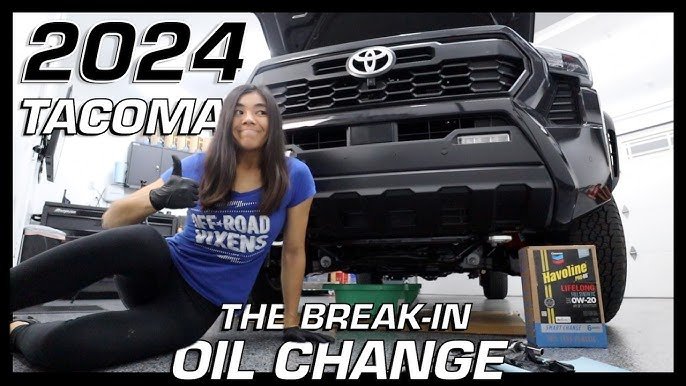
It’s easy to drop the drain plug or filter. If you do, find it before starting the engine. A lost plug or tool can cause noise, damage, or oil leaks. Use a magnetic pickup tool if needed.
Credit: www.youtube.com
Not Checking The Old Oil For Problems
After draining the oil, look for metal shavings, frothy texture, or a milky color. These can be signs of engine wear, coolant leaks, or other issues. If you see anything unusual, investigate before refilling with new oil.
Skipping The Owner’s Manual
Every car is different. Always read your owner’s manual before starting. It contains vital information: oil type, capacity, torque specs, and filter recommendations. Don’t rely on memory or internet videos alone—your manual is the final authority.
Oil Change Mistakes: Quick Comparison
To help you see how these mistakes compare, here’s a quick summary:
| Mistake | Common Result | Prevention Tip |
|---|---|---|
| Wrong oil type | Poor lubrication | Check the manual |
| Old filter reused | Contaminated oil | Replace every time |
| Over-tightened plug | Stripped threads | Use a torque wrench |
| Forgot gasket | Leaks | Replace gasket |
| Unsafe setup | Injury risk | Use jack stands |
Two Insights Most Beginners Miss
- Oil changes are more than just oil and filter. Checking for leaks, proper disposal, and watching for signs of engine trouble are just as important as the main steps.
- Owner’s manuals are gold. Skipping them is a common mistake—manuals have the exact details for your car, while internet advice is often too general.
Final Thoughts
Changing oil at home is simple if you prepare and pay attention to details. Avoiding common mistakes can save you money and trouble, and help your engine last longer. The keys are patience, using the right parts and tools, and always double-checking your work. If you ever feel unsure, don’t hesitate to ask for advice or consult a professional mechanic. For more in-depth guidelines, the EPA’s used oil page offers excellent information on oil disposal and best practices.
Frequently Asked Questions
How Often Should I Change My Car’s Oil?
Most cars need an oil change every 5,000 to 7,500 miles if you use synthetic oil. Some older cars may require it every 3,000 miles. Always check your owner’s manual for the correct interval.
Can I Mix Different Brands Or Types Of Oil?
It’s best to use the same type and brand for top-ups. Mixing different oils won’t usually harm your engine, but it’s not ideal. Always match the oil grade and type recommended for your car.
What Happens If I Overfill The Engine With Oil?
Too much oil can cause leaks, foaming, and engine damage. If you add too much, drain some out until the level is correct. Never run your engine with overfilled oil.
Is It Okay To Use An Oil Filter Wrench To Tighten The New Filter?
No. Tighten the filter by hand only. Using a wrench can crush the gasket or make the filter too tight, causing leaks or making removal difficult.
What Should I Do With Old Oil And The Filter?
Store used oil in a sealed container and take it to a recycling center or auto shop. Used filters should also be recycled. Never pour oil down the drain or throw it in the trash. For more information, see the EPA’s oil recycling page linked above.