
Driving is something most of us do every day. We trust our cars to take us to work, school, or on family trips. But many drivers do not realize that some small parts under the car can have a huge impact on safety. One of these parts is the tie rod. If tie rods are in bad shape, they can turn a normal drive into a dangerous one. Many people ignore the warning signs because they do not know how serious bad tie rods can be. In this article, you’ll discover why driving with bad tie rods is risky, what can go wrong, and how to spot trouble before it’s too late.
What Are Tie Rods And Why Are They Important?
Tie rods are not just random metal bars. They are a key part of your car’s steering system. When you turn the steering wheel, the tie rods help move the wheels in the direction you want to go. Each front wheel has its own tie rod. Without them, your car simply can’t steer.
Think of tie rods as the link between your hands and the road. If this link is weak or broken, you lose control. This is why car makers and mechanics always stress the importance of good tie rods.
How Tie Rods Work
When you steer, the steering rack pushes or pulls on the tie rods. This motion turns the wheels left or right. Good tie rods keep your car pointed where you want. Bad tie rods make the steering loose or dangerous.
Signs Of Bad Tie Rods
Detecting bad tie rods early can save your life and your wallet. Here are signs to watch for:
1. Steering Feels Loose
The steering wheel might feel wobbly. It may move more than usual before the car responds.
2. Uneven Tire Wear
If your tires wear out faster on one edge, it could mean the wheels are not straight, often due to bad tie rods.
3. Vibration When Driving
At higher speeds, you might feel shaking in the steering wheel. This is not just annoying—it’s a sign of trouble.
4. Strange Noises
Clicking, squeaking, or clunking sounds when turning can mean the tie rods are worn.
5. Steering Wheel Misalignment
The steering wheel does not stay centered, even when you are driving straight.
Ignoring these signs is a mistake. Even if your car seems to drive “okay,” bad tie rods can fail without warning.
Real Dangers Of Driving With Bad Tie Rods
Many drivers think they can wait to fix tie rods, but the risks are much greater than most believe. Here are the major dangers:
1. Loss Of Steering Control
This is the most serious risk. If a tie rod fails completely, you can lose your ability to steer. Imagine driving at 60 mph, turning the wheel, and nothing happens. This can easily lead to a crash.
2. Increased Accident Risk
With bad tie rods, the car may not respond quickly or correctly to steering. In emergency situations, this delay can be deadly. If you need to swerve to avoid a child or animal, a slow response puts everyone at risk.
3. Tire Blowouts
Bad tie rods cause uneven tire wear. This weakens the tires and can lead to a blowout at high speed. Tire blowouts can make you lose control instantly.
4. Suspension Damage
When tie rods are loose, other parts of the suspension system take extra stress. This can damage expensive components like ball joints or control arms, making repairs much more costly.
5. Poor Vehicle Alignment
Bad tie rods throw off your wheel alignment. When wheels are not aligned, handling becomes unpredictable, and fuel efficiency drops. The car might also pull to one side.
6. Increased Stopping Distance
Unstable steering and poor alignment can make it harder to stop quickly. In a sudden stop, the car may not move straight, increasing the risk of hitting something.
7. Failing Vehicle Inspections
In many countries, bad tie rods mean your car will fail inspection. This can lead to fines or your car being taken off the road until fixed.
What Causes Tie Rods To Go Bad?
Tie rods do not last forever. Here are common reasons they fail:
- Normal wear and tear: Over years, the constant movement wears out the inner and outer joints.
- Potholes and rough roads: Hitting bumps at high speed puts stress on tie rods.
- Lack of lubrication: Some tie rods need grease. If they dry out, they fail faster.
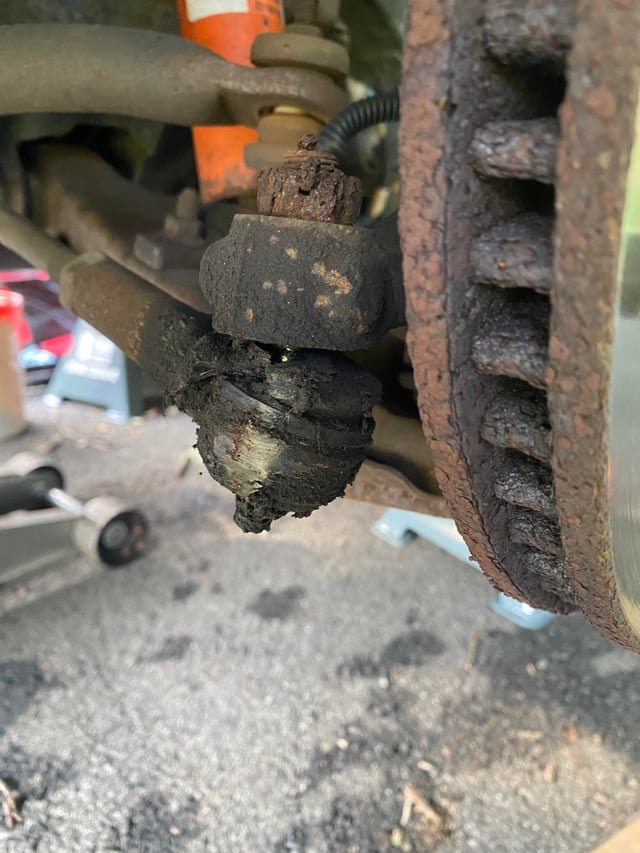
- Corrosion: Water and salt cause rust, especially in places with snow.
- Accidents: Any hit to the wheel area can bend or break a tie rod.
Most tie rods last between 50,000 and 100,000 miles, but this depends on driving conditions.
How Bad Tie Rods Affect Other Car Parts
Many drivers do not realize that bad tie rods can damage other parts of the car. This leads to higher repair bills. Here’s a look at how tie rods interact with the rest of the vehicle:
| Car Part | Effect of Bad Tie Rods |
|---|---|
| Tires | Uneven wear, blowouts |
| Steering Rack | Extra stress, faster failure |
| Suspension | Damage to ball joints, control arms |
| Brakes | Ineffective stopping, uneven braking |
| Alignment | Poor handling, drifting |
A simple $100 tie rod repair can prevent $1,000 or more in other damage.
Real-world Examples And Statistics
Let’s look at real stories. In the US, the National Highway Traffic Safety Administration (NHTSA) reports that steering and suspension failures cause thousands of accidents every year. While not all are from tie rods, they are a leading cause.
In 2021, a study found that 17% of roadside breakdowns were due to steering or suspension failures. Many of these involved older cars with worn tie rods.
A real example: A family in Michigan lost control of their SUV when a tie rod broke on the highway. The car veered into the median. No one was hurt, but the car was totaled. The driver later admitted ignoring steering noise for months.
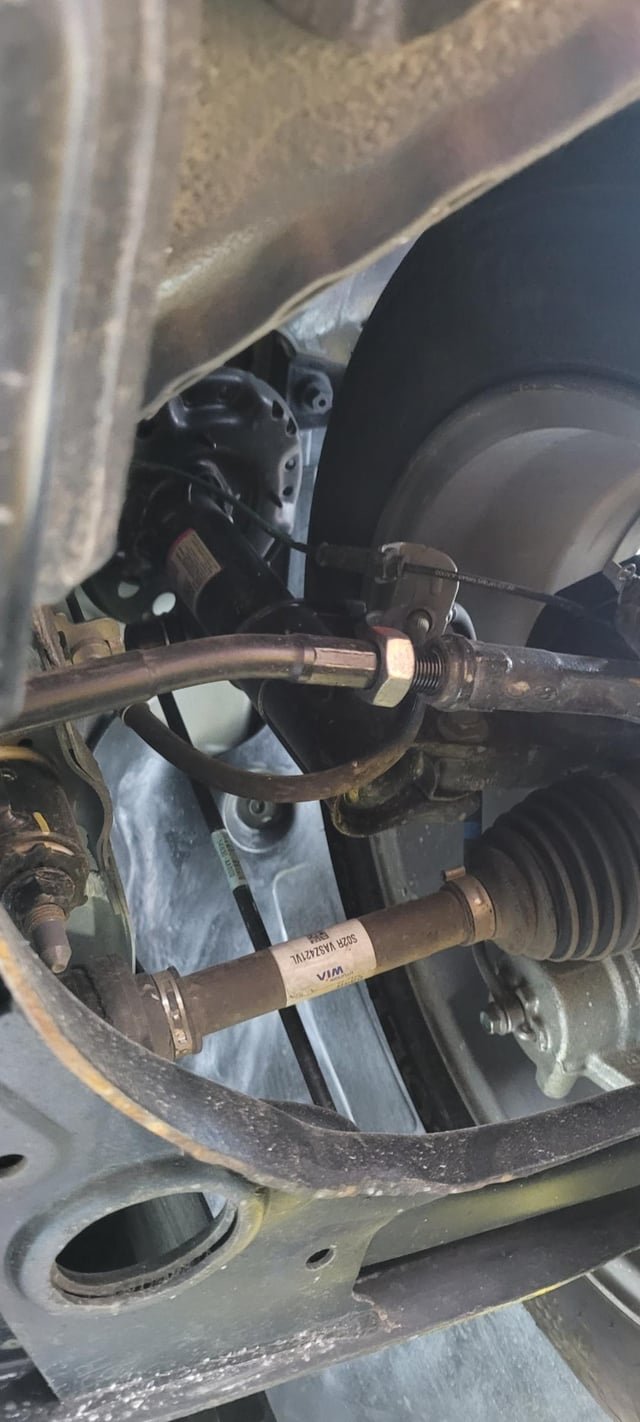
Insight: Many breakdowns and accidents from bad tie rods happen because people delay repairs due to cost or inconvenience. But the cost of waiting is usually much higher.
Credit: www.reddit.com
Why Bad Tie Rods Are Hard To Spot
Sometimes, tie rods fail slowly. The change in steering is so gradual that drivers do not notice until it’s too late. This is why regular checks are important. Mechanics often find bad tie rods during routine tire rotations or alignments.
Non-obvious insight: Even if your car passes a basic inspection, tie rods can still be weak. Some problems only appear under specific conditions, like turning sharply or hitting bumps.
What To Do If You Suspect Bad Tie Rods
If you think your tie rods are bad, act quickly:
- Do not drive at high speeds. Slow down and avoid highways.
- Schedule a check with a mechanic. Even if you’re unsure, get a professional opinion.
- Do not ignore warning signs. Strange noises or loose steering are never “normal.”
- Ask for a full steering and suspension check. Sometimes other parts are also worn.
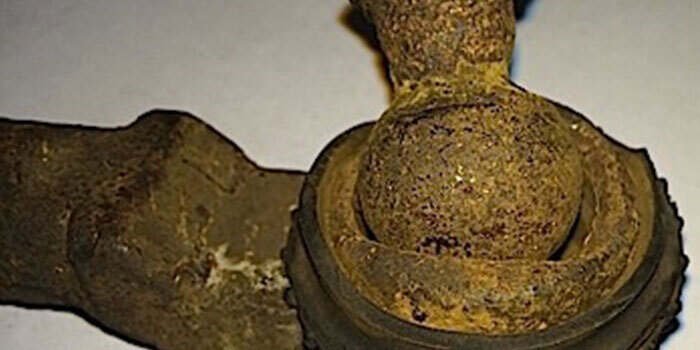
A mechanic will usually check tie rods by lifting the car and moving the wheels side to side. Any play or looseness is a bad sign.
Credit: www.tomorrowstechnician.com
Can You Drive With Bad Tie Rods?
Some people ask if it’s safe to drive with bad tie rods “for a little while.” The answer is simple: it’s not worth the risk. You might get lucky, but you’re gambling with your safety and others on the road.
Here’s a quick comparison of driving with good vs. bad tie rods:
| Condition | Good Tie Rods | Bad Tie Rods |
|---|---|---|
| Steering Response | Quick, accurate | Slow, sloppy |
| Tire Wear | Even | Uneven, fast |
| Safety | High | Low |
| Chance of Breakdown | Low | High |
Even if the car still moves, you never know when a tie rod will break completely.
Cost Of Repair Vs. Cost Of Waiting
Many drivers put off repairs because of cost. But waiting usually makes things worse.
On average, replacing a tie rod costs $100–$250 per side, including parts and labor. If you wait and the tie rod breaks, you could face:
- Towing charges
- Major suspension repairs ($1,000+)
- Accident costs (damage, injury, insurance increases)
Insight: Fixing tie rods right away is almost always cheaper and much safer.
How To Prevent Tie Rod Problems
Prevention is simple and saves money:
- Have your steering and suspension checked every 12 months or 12,000 miles.
- Rotate tires and check alignment regularly.
- Avoid hitting curbs and potholes.
- Replace tie rods at the first sign of trouble.
If you live in an area with harsh winters or rough roads, check tie rods more often.
What Happens During A Tie Rod Inspection
Curious what a mechanic does when checking tie rods? Here’s a step-by-step overview:
- Raises the car safely on a lift.
- Grabs each front tire and tries to move it back and forth.
- Checks for any play or movement in the tie rod ends.
- Looks for torn boots, leaking grease, or rust.
- Tests the steering for smoothness and noise.
- Recommends replacement if there’s any looseness.
Many shops include this in a routine safety check.
Why Diy Tie Rod Replacement Is Risky
Some car owners try to replace tie rods themselves. While it’s possible, it requires special tools and skill. If done wrong, you can make steering worse or cause an accident.
Non-obvious insight: After replacing tie rods, you always need a professional wheel alignment. Driving without alignment can wear out new tie rods and tires quickly.
If you are not a trained mechanic, let a professional handle it.
How Tie Rod Problems Differ By Vehicle Type
Not all cars are the same. Trucks, SUVs, and heavy vehicles put more stress on tie rods. Sports cars and vehicles with low-profile tires also experience more tie rod wear.
Here’s a comparison of tie rod stress by vehicle type:
| Vehicle Type | Tie Rod Stress Level | Replacement Interval |
|---|---|---|
| Compact Car | Low | 80,000–100,000 miles |
| SUV/Truck | High | 50,000–80,000 miles |
| Sports Car | Medium to High | 60,000–90,000 miles |
Always check your owner’s manual for your specific vehicle.
Credit: www.reddit.com
Frequently Asked Questions
How Do I Know If My Tie Rods Are Bad?
Common signs are loose steering, uneven tire wear, vibration in the steering wheel, and strange noises when turning. If you notice any of these, have a mechanic check your car.
Is It Safe To Drive With A Bad Tie Rod?
No, it is dangerous. You can lose control of your car at any time. It is best to have the tie rod replaced as soon as possible.
How Much Does It Cost To Replace Tie Rods?
Most tie rod replacements cost between $100 and $250 per side, including labor. The exact price depends on your car type and mechanic’s rates.
Can Bad Tie Rods Cause Other Problems?
Yes. Bad tie rods can cause tire blowouts, poor alignment, suspension damage, and even brake problems if not fixed soon.
Where Can I Learn More About Car Steering Systems?
You can find detailed information on steering systems on the Wikipedia Steering page.
When it comes to car safety, small parts like tie rods make a big difference. Don’t let a simple repair turn into a tragedy. Listen to your car, act on warning signs, and keep your steering system healthy. This way, every drive is safer for you and everyone around you.