
Flushing your car’s radiator may seem easy, but many people make mistakes that can lead to engine problems, higher repair costs, or even damage to the cooling system. Understanding these common errors can save you money, time, and keep your car running smoothly.
Whether you’re a beginner or have some experience with car maintenance, knowing what not to do is just as important as knowing the steps themselves.
Why Flushing Your Radiator Matters
The radiator helps your engine stay at the right temperature. It moves coolant through the engine to absorb heat and then releases it through the radiator. Over time, the coolant can become dirty, rusty, or filled with debris. This can block the cooling system, cause overheating, and even damage your engine.
Flushing the radiator removes old coolant, rust, and contaminants, making sure your car stays reliable.
However, a simple mistake during this process can create more problems than it solves. Let’s look at the most common mistakes people make when flushing a radiator and how you can avoid them.
Using The Wrong Coolant
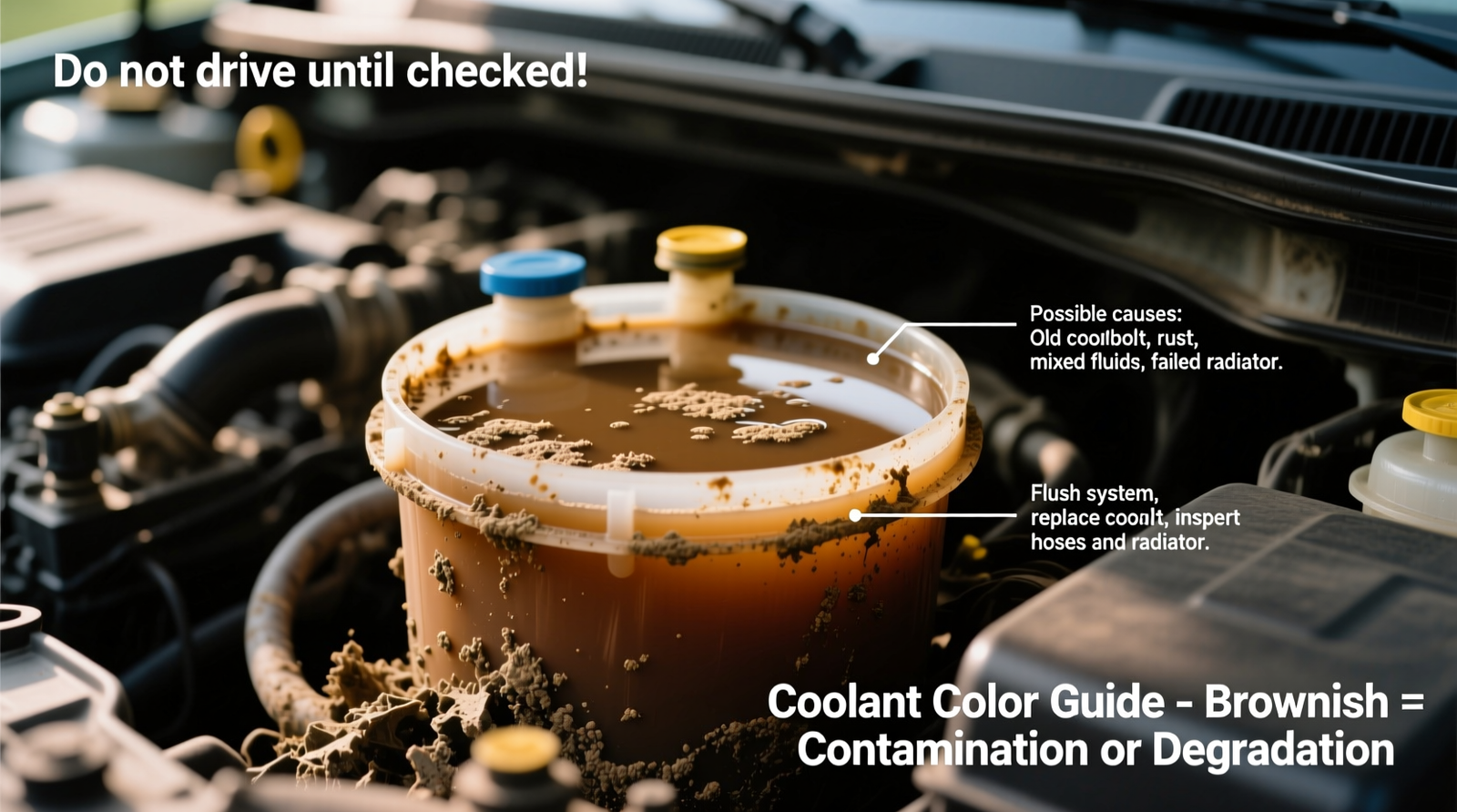
One of the biggest mistakes is using the wrong type of coolant or mixing different types together. Not all coolants are the same—using an incompatible coolant can cause chemical reactions that damage your radiator and engine.
For example, some cars require silicate-free coolant while others need coolant with silicates. Mixing these can lead to sludge formation, blocking coolant flow. Always check your vehicle owner’s manual or consult a professional before buying coolant.
Example
A 2010 Honda Accord needs a special blue coolant. Using the green or orange type can cause corrosion and lead to expensive repairs.
Credit: www.alibaba.com
Not Flushing The System Completely
Many people believe draining the radiator is enough. In reality, only removing the radiator plug lets out about 40-60% of the old coolant. The rest stays in the engine block, heater core, and hoses.
A full flush uses water or a cleaning solution to push out all the old coolant and contaminants. Skipping this step means you leave behind dirt and rust, which can quickly ruin your new coolant.
Key Insight
Even a small amount of old coolant can mix with the new, reducing its effectiveness and protection.
Flushing While The Engine Is Hot
Draining coolant when the engine is hot is dangerous. Hot coolant is under pressure and can spray out, causing burns or injuries. Also, adding cold water to a hot engine can crack the engine block due to rapid temperature change.
Always let your car cool down completely before opening the radiator cap or draining the coolant.
Forgetting To Bleed Air From The System
After flushing and refilling, air can get trapped inside the cooling system. This is called an airlock. If air stays in the system, it can stop coolant from moving properly, causing the engine to overheat.
To bleed the air, run the engine with the radiator cap off (only when the engine is cool). Watch for bubbles and add coolant as needed. Some cars have special bleed valves—check your owner’s manual.
Using Tap Water Instead Of Distilled Water
Another common mistake is using regular tap water to mix with coolant. Tap water contains minerals like calcium and magnesium, which can form deposits inside your radiator and engine over time.
Always use distilled water when diluting coolant. It is free from minerals and will not cause buildup or corrosion.
| Water Type | Mineral Content | Risk of Deposits |
|---|---|---|
| Tap Water | High | Yes |
| Distilled Water | Very Low | No |
Ignoring The Thermostat
Many people forget that the thermostat can also collect sludge and debris. If you flush the radiator but do not check or replace a stuck thermostat, the engine can still overheat.
Remove the thermostat before flushing to allow better flow. Inspect it for any signs of sticking or damage and replace if needed.
Pro Tip
Thermostats are cheap compared to an engine repair. Replacing them every few years can prevent major problems.
Not Checking Hoses And Clamps
Rubber hoses in your cooling system can become weak, crack, or leak over time. Old or loose clamps can also cause leaks after a flush.
Check all hoses and clamps before and after flushing. Replace any that look worn, swollen, or brittle. A small investment in new hoses can prevent coolant leaks and future breakdowns.
Over-tightening Or Under-tightening Drain Plugs
When closing the drain plug after a flush, some people make it too tight, damaging the threads or breaking the plug. Others don’t make it tight enough, causing leaks.
Follow the recommended torque in your car’s manual. If you don’t have a torque wrench, make it snug but not forced. Plastic plugs are especially easy to damage.
Not Disposing Of Old Coolant Properly
Pouring used coolant down the drain or into the ground is illegal and harmful to the environment. Coolant is toxic to animals and people.
Collect old coolant in a sealed container and take it to a recycling center or auto parts store that accepts hazardous waste. Never pour it into a storm drain or onto the street.
Rushing The Process
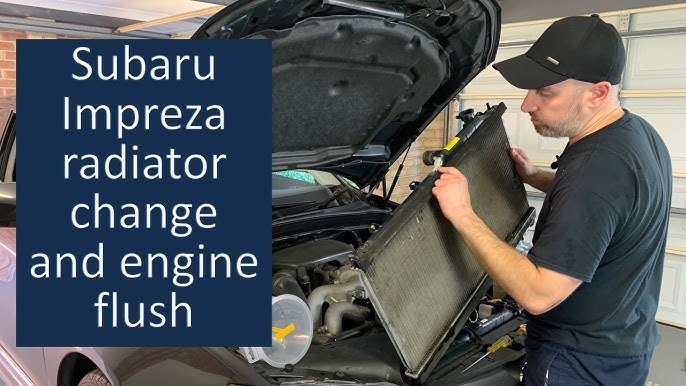
Many people try to finish a radiator flush too quickly. They might not let the cleaning solution run long enough or skip steps to save time. This results in leftover sludge or incomplete cleaning.
Take your time. Let the engine run with the flush solution for the full recommended period, usually 10–15 minutes. Follow every step to ensure a clean cooling system.
Skipping The System Pressure Test
After flushing and refilling, a pressure test can reveal leaks you might miss. Many DIYers skip this, only to find a leak days later.
A system pressure tester is affordable and easy to use. Pump it up to the recommended pressure and look for leaks around hoses, the radiator, and the water pump. Fix any leaks before driving.
Credit: www.youtube.com
Refilling With The Wrong Coolant Ratio
Coolant should be mixed with water at the right ratio, usually 50:50. Too much water or too much coolant changes the boiling and freezing points, reducing protection.
Some people add pure coolant or pure water, which can cause overheating or freezing in extreme temperatures. Check your car’s manual for the correct ratio and measure carefully.
| Coolant:Water Ratio | Boiling Point (°C) | Freezing Point (°C) |
|---|---|---|
| 50:50 | ~107 | -37 |
| 70:30 | ~129 | -55 |
| 100:0 | ~197 | -13 |
| 0:100 | 100 | 0 |
Missing The Heater Core Flush
The heater core is like a mini-radiator inside your car that provides heat. It can also collect sludge and rust. If you only flush the radiator, the heater core might stay blocked.
Attach a hose to the heater core lines and flush them separately if possible. This ensures warm air for your car’s interior and a healthy cooling system.
Not Inspecting The Radiator Cap
A faulty radiator cap can prevent proper pressure in the system, leading to leaks, overheating, or coolant loss. After a flush, inspect the cap for wear, cracks, or weak springs.
If in doubt, replace it with a new one that matches your car’s pressure rating.
Overlooking Manufacturer Instructions
Each car can have different steps for radiator flushing. Skipping the instructions or using “one-size-fits-all” advice can cause trouble, especially for modern vehicles with sensitive electronics or complex cooling systems.
Read your owner’s manual and follow the specific instructions for your make and model. Online forums and guides for your car can also be helpful.
Credit: www.jbtools.com
Neglecting To Check For Leaks
After refilling coolant, run the engine and inspect the entire system for leaks. Look under the car and around all connections. Even a small drip can lead to bigger problems if ignored.
Check again after a short drive, as some leaks only show when the system is under pressure.
Flushing Too Often Or Too Rarely
Some people flush their radiator too often, which can wear out seals and hoses. Others wait too long, letting rust and deposits build up.
Most vehicles need a flush every 2–5 years or 30,000–50,000 miles. Check your manual for the right schedule and stick to it.
| Vehicle Age/Type | Recommended Flush Interval |
|---|---|
| Modern Cars (after 2010) | Every 5 years / 50,000 miles |
| Older Cars (before 2010) | Every 2–3 years / 30,000 miles |
| Heavy Duty/Severe Use | Every 1–2 years |
| Neglected System | Immediate flush, then follow above |
Not Using A Flush Solution When Needed
If your system has heavy rust or oil contamination, water alone won’t clean it. Use a specialized radiator flush solution for tough buildup. These products break down rust and sludge better than water.
But don’t overuse them—follow the product instructions exactly to avoid damaging seals.
Forgetting To Check The Overflow Reservoir
Many people only focus on the radiator itself, ignoring the overflow or expansion tank. Old coolant in the reservoir can mix with your new coolant and contaminate it.
Remove, clean, or flush the overflow tank before refilling the system.
Overlooking Signs Of Larger Problems
Sometimes, frequent overheating or dirty coolant points to bigger issues like a blown head gasket or a cracked radiator. Flushing won’t solve these problems.
Watch for signs like oil in the coolant, white smoke from the exhaust, or coolant loss with no visible leaks. If you notice these, get a professional inspection.
Practical Tips For A Successful Radiator Flush
- Always wear gloves and eye protection.
- Use a large drain pan to catch all old coolant.
- Label your coolant containers to avoid confusion.
- Keep pets and children away from coolant—it’s highly toxic.
- Record the date and mileage of your flush for future reference.
Final Thoughts
Flushing your radiator is a smart way to protect your engine and avoid costly repairs, but only if done correctly. By understanding and avoiding these common mistakes, you ensure your cooling system stays clean, your engine runs cool, and your car remains reliable. Take your time, follow your vehicle’s instructions, and always use quality materials. If you’re unsure, don’t hesitate to ask a mechanic or refer to trusted resources like Popular Mechanics for guidance.
Frequently Asked Questions
Why Is Flushing The Radiator Necessary?
Flushing removes old coolant, rust, and debris that can block your cooling system and cause overheating. It keeps your engine at the right temperature and prevents damage.
Can I Use Just Water For A Radiator Flush?
Water alone removes some debris but cannot dissolve heavy sludge or oil contamination. Use a proper radiator flush solution if the system is very dirty.
How Often Should I Flush My Radiator?
Most cars need a flush every 2–5 years or 30,000–50,000 miles. Check your owner’s manual for the exact interval for your vehicle.
What Happens If I Don’t Bleed Air From The Cooling System?
Air pockets can block coolant flow, causing your engine to overheat. Always bleed air out after refilling the system to prevent this.
Is It Okay To Mix Different Types Of Coolant?
No, mixing coolant types can cause chemical reactions, sludge, and corrosion. Always use the coolant type recommended for your car.