
Driving is something most people do every day without much thought. You turn the key, start the engine, and trust your car to get you where you need to go safely. But what if a hidden problem was putting you and your passengers at risk? One issue many drivers overlook is the control arm—a key part of your car’s suspension system. Most people don’t know much about control arms, but when they go bad, they can make your car dangerous to drive. In this article, you’ll learn what control arms do, why they matter, and all the dangers that come with driving when they’re in poor condition.
What Are Control Arms And Why Do They Matter?
The control arm is a strong, often curved metal part that connects your car’s wheels to the frame. Think of it as your car’s “shoulder joint.” It lets your wheels move up and down, so you have a smooth ride over bumps and stay in control when turning. Most cars have two control arms per wheel—one upper and one lower. Trucks and older cars may have a simpler design.
But control arms do more than just hold the wheels in place. They keep your wheels aligned and let your suspension move. That means you get better steering, even tire wear, and a safer ride. If your control arms are damaged or worn out, these benefits disappear, and you start facing real dangers on the road.
How Do Control Arms Get Damaged?
Control arms are tough, but they don’t last forever. Here are some ways they can get damaged:
- Normal wear and tear – Over time, the metal can weaken, and the bushings (rubber or polyurethane pieces that cushion the arm) wear out.
- Hitting potholes or curbs – A strong impact can bend or crack the control arm.
- Rust and corrosion – In places with lots of rain or snow, water and road salt can eat away at the metal.
- Accidents – Any crash or hard hit to the wheel can damage the control arm, even if it looks fine at first.
Many drivers ignore early signs of trouble, thinking it’s just a small issue. But when a control arm fails, it can lead to much bigger problems.
Main Dangers Of Driving With Bad Control Arms
Let’s look at the real risks you face if you drive with bad or broken control arms.
1. Loss Of Steering Control
When a control arm is damaged, it can’t hold the wheel in the correct position. This means your car may start to pull to one side, feel loose, or even jerk during turns. In the worst case, the wheel may move out of alignment suddenly, making you lose control—especially dangerous at high speeds or in emergency maneuvers.
Example: Imagine driving on the highway and suddenly your car swerves left even though you’re holding the wheel straight. This is not only scary but could cause a crash.
2. Increased Risk Of Accidents
A bad control arm can make your car’s handling unpredictable. If you hit a bump, the wheel might jump or wobble. This can cause you to drift into another lane or react too slowly to avoid obstacles. Statistics from the National Highway Traffic Safety Administration (NHTSA) show that suspension failures (including control arms) are a factor in about 2% of vehicle crashes every year.
3. Uneven Tire Wear
When control arms are bad, the wheels often tilt or shift. This changes how your tires touch the road and causes uneven wear patterns. You might notice the inside or outside of your tires wearing out much faster. This not only shortens tire life but also reduces grip, especially in wet or icy conditions.
Here’s a quick comparison:
| Condition | Tire Wear Pattern | Effect on Safety |
|---|---|---|
| Good Control Arms | Even wear | Safe braking and handling |
| Bad Control Arms | Edge or patchy wear | Longer stops, less grip |
4. Suspension Noise
A failing control arm often makes noise. You might hear clunking, knocking, or squeaking from the front or rear of your car, especially when turning or going over bumps. Many drivers ignore these sounds, but they signal a real danger. Noise means parts are loose, and something could break soon.
5. Wheel Misalignment
When control arms fail, your wheels can go out of alignment. This means the wheels don’t point straight ahead anymore. Misalignment makes your car harder to steer and increases fuel use. It also leads to faster tire wear and can damage other suspension parts.
6. Increased Braking Distance
With bad control arms, your wheels might not stay flat on the road during sudden stops. This makes it harder for your tires to grip, so it takes longer to stop. In an emergency, those extra feet can mean the difference between stopping safely and crashing.
7. Damage To Other Suspension Parts
Driving with bad control arms can hurt other parts of your car’s suspension. For example, the ball joints, tie rods, or even the shocks and struts can wear out faster. This makes repairs much more expensive. Fixing a control arm early is much cheaper than replacing several damaged parts later.
8. Poor Ride Quality
A car with bad control arms often feels rough and unstable. You might notice more shaking, bouncing, or vibrations—especially at higher speeds. The car may feel like it’s floating or “wandering” instead of driving straight. This makes long trips tiring and uncomfortable.
9. Failing Vehicle Inspections
In many countries, cars must pass a safety inspection to stay legal. Suspension problems, including bad control arms, are a common reason for failure. If you don’t pass, you can’t renew your registration until the problem is fixed.
10. Complete Suspension Failure
This is the worst-case scenario. If a control arm breaks while driving, the wheel can fold under the car. This often leads to a total loss of control and a serious accident. It’s rare, but it happens—usually to drivers who ignore earlier warning signs.
Signs Your Control Arms Might Be Bad
Most people don’t check their control arms often. But there are warning signs you should never ignore:
- Strange noises when turning or hitting bumps
- Steering feels loose or wobbly
- Car pulls to one side
- Uneven tire wear
- Vibrations at higher speeds
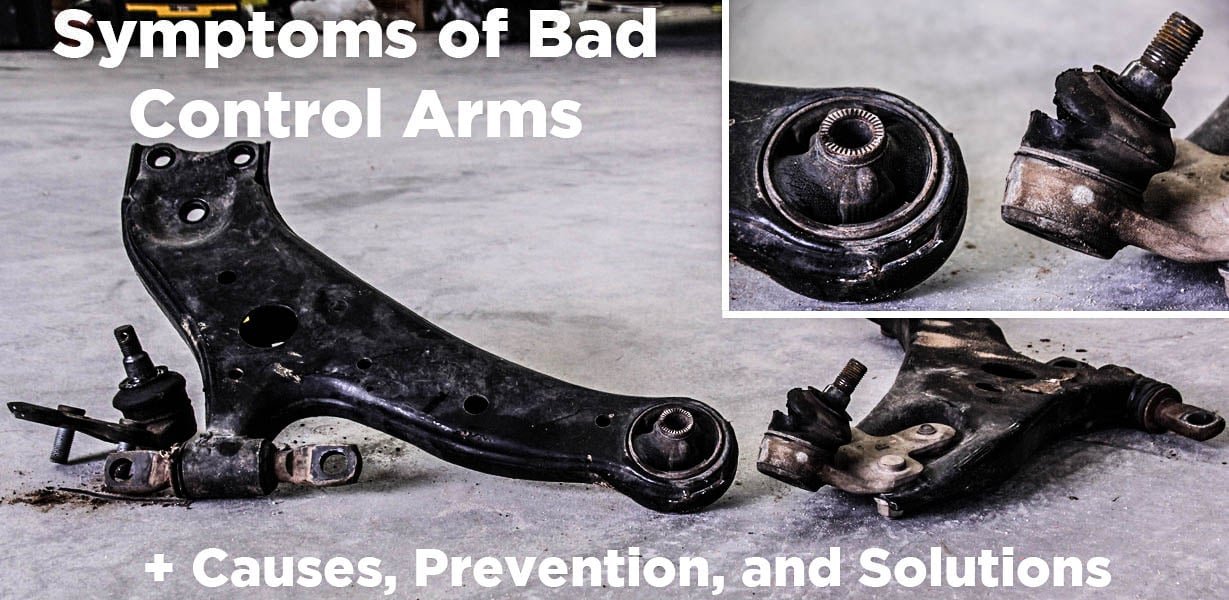
- Visible damage (bent, cracked, or rusted arms)
If you notice any of these, get your car checked by a professional right away.
Real-life Examples And Statistics
Sometimes, numbers tell the story best. In 2020, the NHTSA reported over 8,000 accidents linked to suspension failures in the US, with a significant share involving control arm problems. A study by CarMD found that suspension issues, including control arms, are among the top 10 reasons for breakdowns in cars older than eight years.
Let’s look at the average costs related to control arm issues:
| Problem | Average Repair Cost (USD) | Potential Result if Ignored |
|---|---|---|
| Replace one control arm | $200–$500 | Worse handling, tire wear |
| Repair full suspension (after failure) | $1,200–$2,000 | Possible accident, high costs |
Insight: Many drivers hope to save money by delaying repairs, but ignoring a bad control arm can actually make future repairs much more expensive.
Why Control Arm Problems Are Often Missed
You might wonder why so many people drive with bad control arms. Here are two things beginners often miss:
- Symptoms are easy to confuse. A clunking noise or vibration could be caused by many parts, not just the control arm. This makes it easy to blame tires or brakes instead.
- Damage isn’t always visible. Small cracks or worn bushings can be hard to see unless the car is lifted and inspected by a mechanic.
This is why regular maintenance and listening to your car’s sounds are so important.
Credit: www.suspension.com
How To Prevent Control Arm Problems
Staying safe doesn’t have to be hard. Here are some practical steps:
- Get regular inspections—ask your mechanic to check the suspension every oil change or at least once a year.
- Avoid potholes and curbs—drive carefully in rough areas to protect your suspension.
- Fix problems early—if you hear a new noise or the car feels different, don’t wait. Early repairs cost less and keep you safer.
- Keep your car clean—wash the undercarriage in winter to remove salt and prevent rust.
When Should You Replace Control Arms?
Control arms don’t have a set lifespan. Some last 100,000 miles or more, while others fail sooner due to rough roads or accidents. Replace them if you notice:
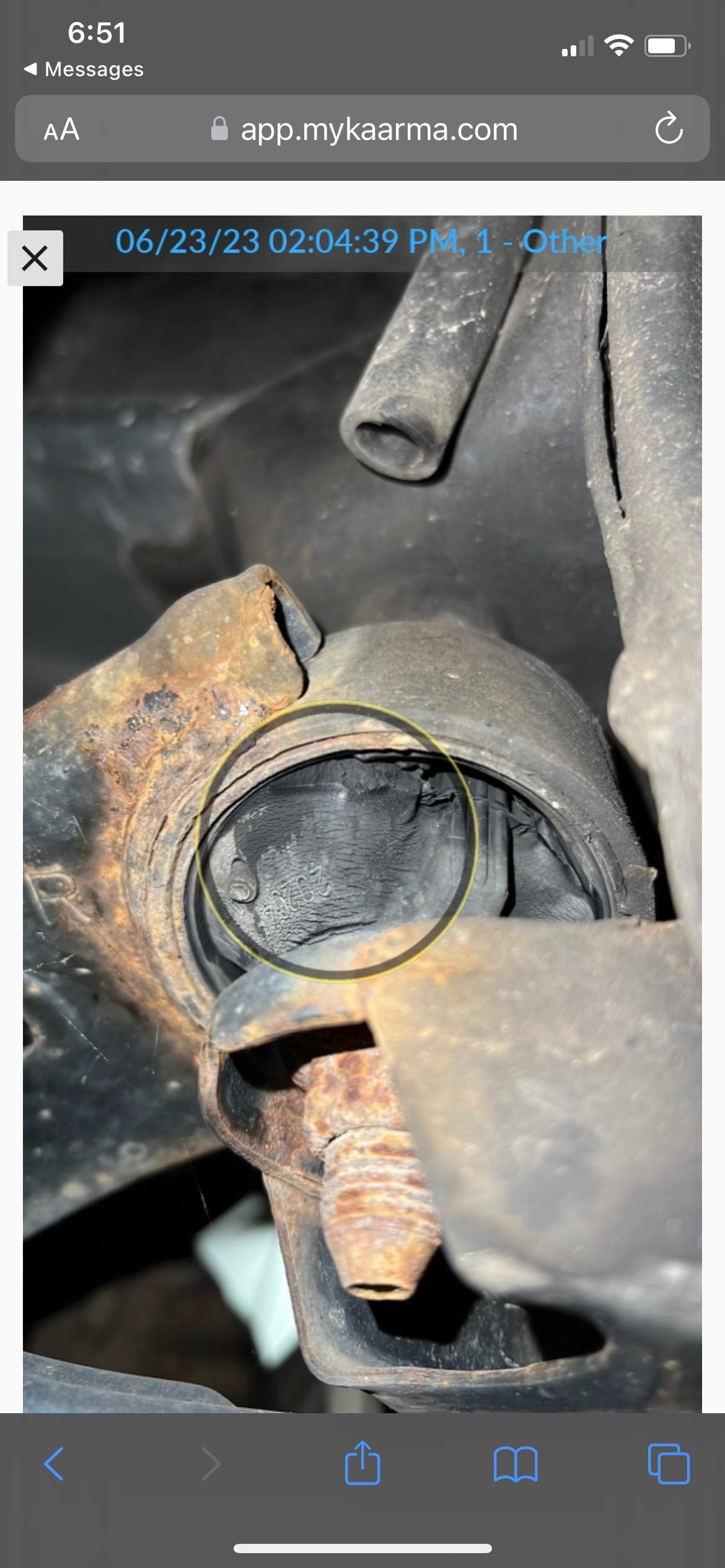
- Bad bushings or ball joints
- Visible cracks or bends
- Your mechanic recommends it after inspection
It’s also smart to replace both sides if one control arm goes bad, especially if your car has high mileage.
Credit: www.reddit.com
Safe Driving With A New Control Arm
Replacing a bad control arm makes a big difference. After repair, you’ll notice:
- Better steering response
- Smoother ride
- Even tire wear
- Improved braking
Always get a wheel alignment after replacing control arms. This ensures your car drives straight and tires last longer.
Frequently Asked Questions
What Does A Control Arm Actually Do?
The control arm connects your car’s frame to the wheel hub, allowing the wheel to move up and down with the road while keeping it aligned for safe steering and suspension movement.
Can I Drive With A Bad Control Arm For A Short Time?
It’s not safe. Even short trips can be risky because the wheel can lose alignment or break free, causing a sudden loss of control. It’s best to fix the problem as soon as possible.
How Much Does It Cost To Replace A Control Arm?
Costs vary by car model and location, but on average, replacing a control arm costs $200 to $500 per arm. Luxury or sports cars may be more expensive.
What Happens If I Ignore A Bad Control Arm?
Ignoring a bad control arm can lead to accidents, uneven tire wear, longer stopping distances, and expensive damage to other suspension parts or even the car frame.
Where Can I Learn More About Car Suspension Safety?
You can read more about suspension systems and safety tips on the Wikipedia Suspension Systems page.
Driving with bad control arms is more than just an inconvenience—it’s a real safety risk. Don’t wait until you lose control or see uneven tire wear. Regular checks and quick repairs keep you, your passengers, and other drivers safe on the road.
If you suspect a problem, visit a trusted mechanic right away and drive with confidence, knowing your car is ready for whatever the road brings.
Credit: gdstauto.com