
Driving is something many of us do every day. We rely on our vehicles to get to work, run errands, and take care of our families. But sometimes, car problems can sneak up on us—especially ones that are easy to ignore, like a bad wheel bearing. It might seem like a small issue at first, just a humming sound or a bit of vibration. However, driving with a bad wheel bearing is not only risky, but it can also lead to bigger and more expensive problems. In this article, we’ll look at what wheel bearings do, the dangers of driving with a faulty one, signs to watch out for, and what you should do if you suspect a problem.
What Is A Wheel Bearing And Why Is It Important?
Every wheel on your car sits on a small metal ring filled with tiny steel balls or rollers. This is the wheel bearing. Its job is simple but vital—it helps the wheel spin smoothly while supporting the vehicle’s weight. Wheel bearings also reduce friction between the axle and the wheel, making your ride quiet and efficient.
A healthy wheel bearing means:
- Smooth wheel rotation
- Stable steering
- Less wear on tires and suspension
But when a wheel bearing starts to fail, it can put your safety at risk and damage other car parts.
How Does A Wheel Bearing Go Bad?
Wheel bearings are strong, but they don’t last forever. Here are common causes of failure:
- Age and wear: Most wheel bearings last between 85,000 to 100,000 miles.
- Rough roads: Potholes, bumps, and curbs can damage the bearing.
- Water and dirt: If water or road salt gets inside, it can cause rust or wash away grease.
- Bad installation: If a bearing is not pressed in properly, it can fail early.
- Overloading: Carrying too much weight stresses the bearings.
Often, a failing wheel bearing will give you some warning signs before it becomes a serious danger.
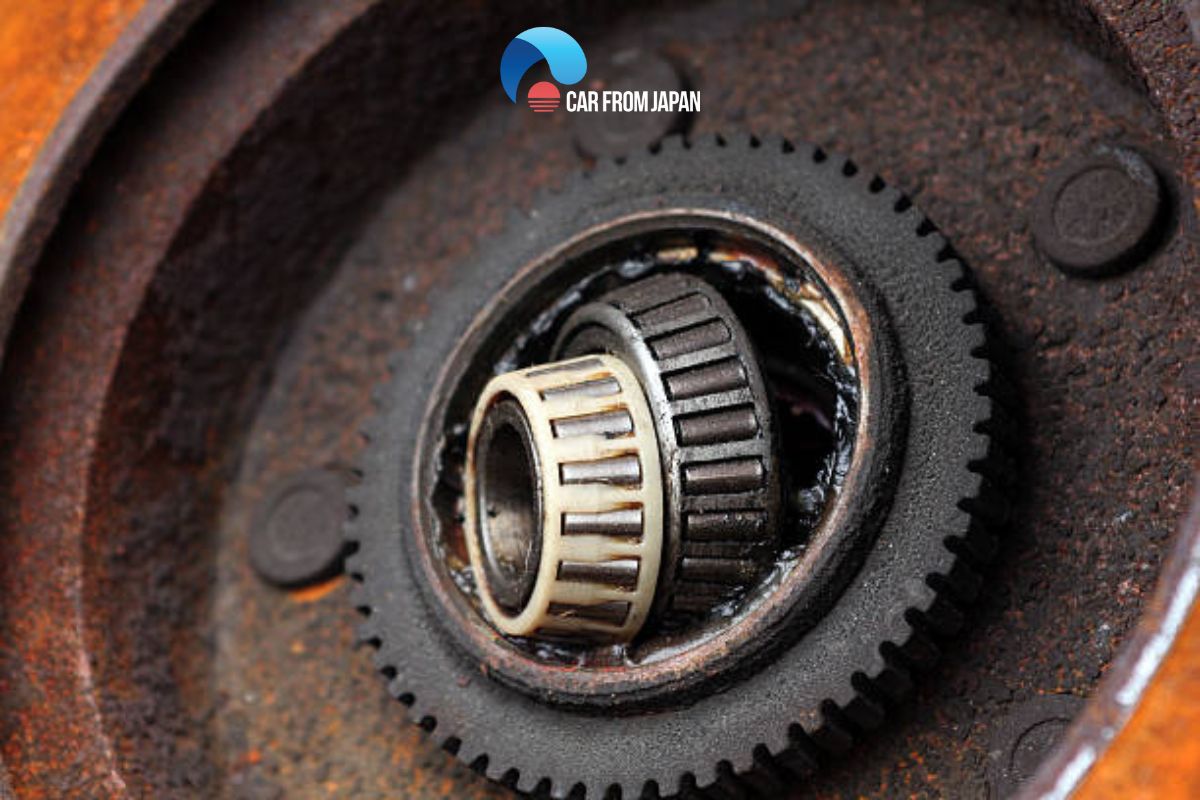
Credit: carfromjapan.com
Warning Signs Of A Bad Wheel Bearing
Ignoring the early signals of a bad wheel bearing can be costly. Watch out for these common symptoms:
- Grinding or humming noises: Sounds get louder as you speed up.
- Vibration in the steering wheel: Especially when turning.
- Uneven tire wear: One tire wears down faster than the others.
- ABS warning light: Modern cars may show this if the bearing affects the sensor.
- Wobbling wheel: You may feel the car pull to one side.
If you notice any of these, get your car checked by a mechanic right away.
The Dangers Of Driving With A Bad Wheel Bearing
Driving with a bad wheel bearing is much more serious than many people realize. Here’s how it can put you, your passengers, and others at risk:
1. Wheel Detachment
In severe cases, the wheel can actually come off the car. The bearing holds the wheel on the axle. If it breaks apart, the wheel could detach, leading to a dangerous loss of control—especially at high speeds.
2. Sudden Steering Failure
A damaged bearing affects how the wheel turns. You might suddenly lose the ability to steer your car correctly. This can be terrifying, especially on highways or busy streets.
3. Increased Braking Distance
A failing bearing can cause the brake rotor to move out of line. This makes braking less effective, so your car may not stop as quickly as you expect. On wet or icy roads, this becomes even more dangerous.
4. Tire Damage And Blowouts
When a wheel bearing is bad, it causes uneven pressure on the tire. Over time, this leads to irregular tire wear and can even cause a blowout—a sudden loss of air that makes you lose control.
5. Overheating And Fire Risk
A failing bearing creates more friction, which leads to heat. In rare cases, this heat can build up enough to ignite the grease inside the hub, causing smoke or fire.
6. Abs System Failure
Modern cars have ABS sensors inside or near the wheel bearing. If the bearing fails, it can damage the sensor or send false signals. This may cause your anti-lock brakes to stop working, increasing the chance of skidding.
7. Damage To Suspension And Other Parts
A bad bearing doesn’t just hurt the wheel. It can damage the axle, hub, suspension, and brakes. What starts as a small repair can quickly turn into a big, expensive job.
8. Loss Of Vehicle Control
When a bearing is severely worn, the wheel can wobble or shake. This makes it hard to keep the car straight, especially at high speeds. It’s easy to lose control and crash.
9. Increased Fuel Consumption
A rough wheel bearing creates extra friction. Your engine works harder to move the car, which means lower fuel efficiency. You’ll spend more money on gas without realizing why.
10. Noise And Distraction
The constant humming or grinding from a bad bearing is not just annoying. It distracts you from focusing on the road, which can increase the risk of accidents.
How Bad Is It Really? (severity Levels)
Not all bad wheel bearings are the same. Sometimes, you might have a mild issue. Other times, it’s an emergency. Here’s how the risks stack up:
| Severity | Common Symptoms | Recommended Action |
|---|---|---|
| Early Stage | Light humming noise, minor vibration | Book inspection soon |
| Moderate | Louder noise, noticeable wobble, uneven tire wear | Stop driving, get repair urgently |
| Critical | Severe noise, ABS warning, wheel shakes, hard to steer | Do not drive—tow to mechanic |
Even if your car still “feels okay,” it’s never safe to wait. Wheel bearings rarely fix themselves; they only get worse.
Why Do People Ignore Bad Wheel Bearings?
Many drivers put off repairs because:
- The symptoms start slowly and seem harmless.
- The noise may come and go.
- They want to save money or time.
- They don’t know how dangerous it is.
But waiting can turn a $150–$400 repair into thousands of dollars in damage, or even cause a crash.
Real-world Examples And Data
Several studies show how risky driving with a bad wheel bearing can be. According to the National Highway Traffic Safety Administration (NHTSA), mechanical failures cause about 12% of car accidents in the U.S., and faulty wheel assemblies are a common reason.
Consider these examples:
- In one case, a pickup lost a wheel on the highway due to a failed bearing. The vehicle spun out and hit another car, causing injuries.
- In another, a taxi ignored a humming noise for weeks. The wheel bearing finally seized, locking up the wheel and causing a fender bender.
These stories are reminders that even small car problems can have big consequences.
How Mechanics Diagnose A Bad Wheel Bearing
If you bring your car to a shop, here’s what a mechanic will usually do:
- Road test: They listen for noises and feel for vibration.
- Lift and spin test: With the wheel off the ground, they spin it and listen for grinding.
- Check for play: They try to wiggle the wheel side to side.
- Inspect for heat: Sometimes, they use a heat gun to check if one wheel is hotter.
Here is a quick comparison of DIY vs. professional diagnosis:
| Method | Tools Needed | Accuracy | Risk |
|---|---|---|---|
| DIY (At Home) | Jack, basic tools | Medium | May miss hidden problems |
| Professional Shop | Special tools, experience | High | Low—finds full issue |
If you’re not sure, it’s safer to trust a mechanic.
What To Do If You Suspect A Bad Wheel Bearing
Don’t ignore the problem. Here’s what you should do:
- Slow down and avoid highways: If you hear a new noise, drive gently.
- Check your tires and wheels: Look for uneven wear or wobble.
- Schedule a repair: Call a trusted mechanic as soon as possible.
- Don’t delay: The longer you wait, the more damage can happen.
Remember, a wheel bearing is not a do-it-later repair. It’s a do-it-now repair.
Tips For Preventing Wheel Bearing Problems
While no bearing lasts forever, you can make them last longer:
- Avoid deep water, mud, and salty roads when possible.
- Don’t overload your car.
- Drive carefully over bumps and potholes.
- Get regular wheel and suspension checks.
- Use quality parts if you need replacements.
Here’s a simple maintenance guide:
| Action | How Often | Benefit |
|---|---|---|
| Wheel alignment | Every 1–2 years | Reduces extra stress on bearings |
| Suspension check | Annually | Finds worn parts early |
| Bearings inspection | With every brake job | Catches problems before failure |

Credit: www.cjponyparts.com
Two Insights Most Drivers Miss
- Noise Doesn’t Always Mean It’s the Loudest Wheel: The sound from a bad bearing can travel through the car. Sometimes, you’ll hear noise on the left, but the problem is actually on the right wheel. Only a proper check can tell for sure.
- Replacing Just One Bearing Isn’t Always Enough: If one bearing failed early, others may follow soon, especially if your car is older or you drive on rough roads. Consider checking all wheels to avoid future problems.
The True Cost Of Ignoring A Bad Wheel Bearing
It might seem like you’re saving money by waiting. But here’s what you risk:
- Wheel bearing repair: $150–$400 per wheel
- New tire (if damaged): $100–$200
- Suspension/brake damage: $500+
- Accident repair: $1,000 or more
- Risk to your safety and others: Priceless
Spending a little now can save you a lot later. Your safety—and your family’s—should always come first.

Credit: repairpal.com
Frequently Asked Questions
What Happens If I Keep Driving With A Bad Wheel Bearing?
If you keep driving, the bearing will get worse. It can cause the wheel to lock up, come off, or make you lose control. You may also damage other parts like brakes and suspension.
How Long Can I Drive With A Bad Wheel Bearing?
There’s no safe amount of time. In some cases, a bearing can fail suddenly. If you suspect a problem, get it checked and fixed right away.
What Does A Bad Wheel Bearing Sound Like?
It often sounds like a humming, grinding, or growling noise that gets louder as you go faster. The sound may change when you turn the wheel.
Can I Replace A Wheel Bearing Myself?
It’s possible if you have experience and the right tools, but it can be difficult. Many cars need special equipment to press in new bearings. It’s safer to let a professional handle it.
Where Can I Learn More About Wheel Bearings And Car Safety?
You can find more detailed information on the Wikipedia page about wheel bearings and other trusted car maintenance sites.
Taking care of your car’s wheel bearings isn’t just about avoiding noise. It’s about keeping yourself and others safe. If you think there’s a problem, act quickly. It’s one of the best decisions you can make for your safety on the road.