
When you get into your car and turn the key, you expect a smooth ride. But beneath the hood, your engine depends on a hidden hero: coolant. This liquid keeps the engine at the right temperature, preventing damage and breakdowns. If your coolant is low, you face serious risks—some that can destroy your engine and cost you thousands of dollars. Many drivers ignore warning lights or think topping up coolant isn’t urgent. But the dangers of driving with low coolant are real, and understanding them could save your vehicle, your safety, and your wallet. Let’s explore why this matters so much, what signs to watch for, and what can happen if you ignore the problem.
What Does Coolant Do In Your Car?
Coolant, also called antifreeze, is a mix of water and chemicals. Its main job is to carry heat away from the engine. Without it, engines get too hot, and metal parts can fail.
Coolant also:
- Prevents freezing in cold weather.
- Stops rust and corrosion inside the engine.
- Keeps the radiator and other parts clean.
Most cars use a 50/50 mix of water and coolant. This mix ensures the engine stays safe in both summer and winter. Without enough coolant, your car cannot keep engine temperature stable. This causes problems that get worse over time.
Dangers Of Driving With Low Coolant
Driving with low coolant is not just a small issue. It creates many risks—some immediate, some long-term. Here’s what can happen:
1. Engine Overheating
The most direct danger is engine overheating. Coolant absorbs the heat from engine parts and moves it to the radiator, where it is released into the air. When coolant is low, this process fails.
- Engines run best around 90°C (194°F).
- Without enough coolant, temperatures can rise above 120°C (248°F).
Overheating can cause:
- Engine parts to melt or warp.
- Oil to break down, losing its protection.
- Quick breakdowns, forcing you to stop and wait.
2. Head Gasket Failure
The head gasket seals the top and bottom parts of your engine. It keeps oil and coolant separate. When overheating happens, the gasket can crack.
A blown head gasket is expensive:
- Repair costs often $1,000 to $2,000.
- You may see white smoke, coolant in the oil, or engine misfires.
Head gasket failure leads to more serious damage, sometimes needing a full engine rebuild.
3. Engine Seizure
If you keep driving with low coolant, engine parts can heat up so much they stick together. This is called engine seizure. The engine stops working completely.
Engine seizure means:
- Pistons and cylinders fuse together.
- Car cannot start or move.
- Repairs often cost more than the car is worth.
4. Loss Of Power And Performance
Low coolant affects engine performance. When temperatures climb, the engine tries to protect itself by reducing power.
You may notice:
- Slower acceleration.
- Rough idling.
- Unusual noises from under the hood.
These symptoms get worse over time, and driving becomes unsafe.
5. Increased Emissions
Engines running hot produce more harmful emissions. This is bad for the environment and can cause your car to fail emissions tests.
- Hot engines burn fuel less efficiently.
- More carbon monoxide and nitrogen oxides are released.
If you need to pass a test or care about pollution, low coolant can cause problems.
6. Damage To Radiator And Cooling System
The radiator and other cooling parts rely on coolant flow. When levels drop:
- Air gets into the system, causing bubbles and blockages.
- Rust builds up, reducing cooling power.
Replacing a radiator can cost $300 to $900. Cooling system repairs often require flushing and new parts.
7. Turbocharger Damage
Many modern cars have turbochargers. These parts increase power by forcing more air into the engine. Turbochargers run hot and depend on coolant.
Low coolant can:
- Cause turbo seals to fail.
- Reduce performance.
- Lead to costly repairs, sometimes $1,500 or more.
8. Heater Malfunction
Your car’s heater uses engine coolant to warm air. Low coolant means:
- Weak or no heat inside the cabin.
- Windows fog up, reducing visibility.
- Uncomfortable rides in cold weather.
Heater core repairs can be expensive and take time.
9. Potential For Fire
Extreme overheating can cause engine oil to leak onto hot parts. In rare cases, this results in engine fires.
- Plastic parts melt.
- Electrical wires burn.
- Fire spreads quickly.
This risk is uncommon but possible, especially in older cars.
10. Safety Hazards
Overheated engines can break down suddenly. This exposes you to danger:
- Stopping in unsafe places (highways, busy roads).
- Losing power steering or brakes.
- Becoming stranded, possibly at night or in bad weather.
Safety should always come first. Ignoring coolant issues increases your risk.
Credit: www.tyreplus-me.com
Signs Of Low Coolant
Most cars have warning systems, but you should know the signs yourself. Common symptoms include:
- Temperature gauge rising above normal.
- Coolant warning light on dashboard.
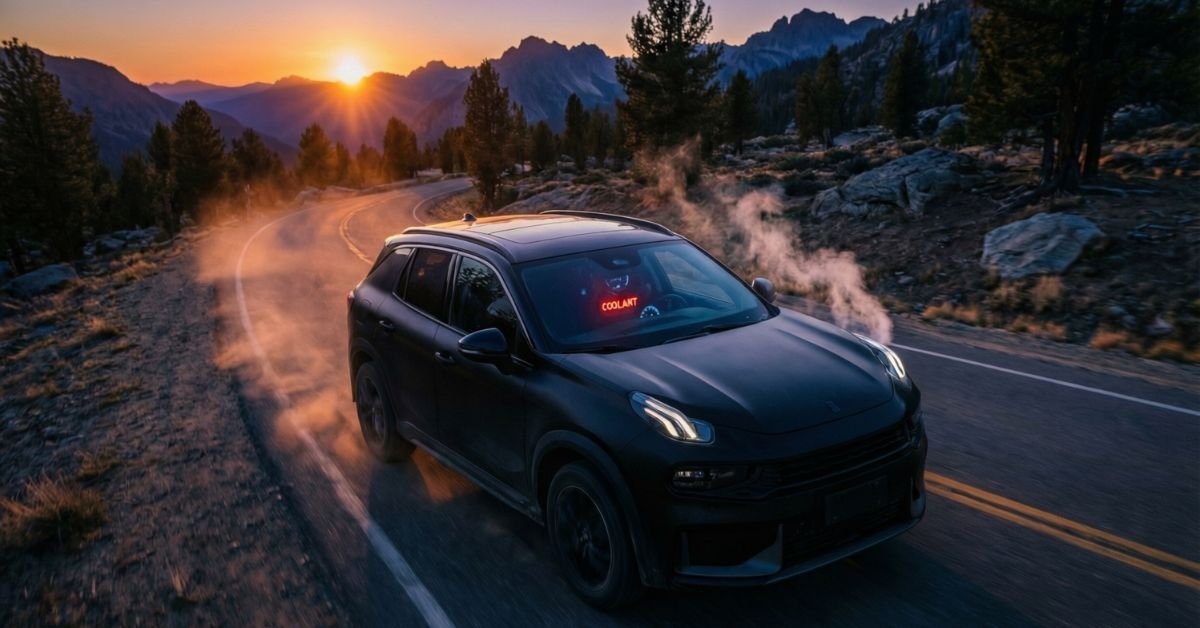
- Steam or smoke from under the hood.
- Sweet smell inside or outside the car.
- Puddles of green, orange, or pink liquid under the car.
If you notice any of these, stop driving and check coolant levels right away.
Comparing Engine Temperatures: Safe Vs. Low Coolant
Here’s how engine temperatures compare:
| Engine Condition | Typical Temperature | Risk Level |
|---|---|---|
| Normal Coolant | 90°C (194°F) | Safe |
| Low Coolant | 120°C (248°F) or higher | Dangerous |
| No Coolant | 150°C (302°F) or higher | Critical – Engine Failure |
Notice how quickly things change as coolant drops. It’s a fast-moving problem.
Credit: www.tyreplus-me.com
How Low Coolant Causes Engine Damage
When coolant is low, heat builds up in engine parts. Here’s what happens:
- Metal parts expand and contract.
- Gaskets and seals dry out and crack.
- Oil breaks down, losing protection.
- Moving parts stick together.
The damage happens in stages. First, performance drops. Next, parts warp. Finally, the engine fails completely. Many drivers don’t realize that even a single overheating event can cause permanent damage.
Typical Repair Costs After Low Coolant Damage
Let’s look at what repairs might cost:
| Damage Type | Estimated Repair Cost |
|---|---|
| Head Gasket Replacement | $1,000 – $2,000 |
| Radiator Replacement | $300 – $900 |
| Engine Rebuild | $2,500 – $4,000 |
| Turbocharger Repair | $1,500 – $2,500 |
| Heater Core Replacement | $800 – $1,200 |
Ignoring coolant can turn a $20 refill into a $4,000 engine rebuild.
Two Insights Most Drivers Miss
- Coolant level drops even without leaks. Coolant can slowly evaporate or be lost through minor leaks. You should check levels regularly, not just when you see a puddle.
- Mixing coolants can cause trouble. If you use the wrong type, it can cause corrosion and blockages. Always use the coolant recommended for your car.
What Causes Low Coolant?
Understanding why coolant drops helps you fix problems before they get worse. Common causes are:
- Small leaks in hoses or radiator.
- Faulty water pump.
- Cracked engine block or cylinder head.
- Evaporation over time.
- Using the wrong coolant mix.
Sometimes, leaks are hard to see. You may only notice them when the engine overheats.
Credit: prestonepro.com
How To Prevent Coolant Problems
Keeping your coolant level right is easy if you follow these steps:
- Check coolant level every month, especially before long trips.
- Inspect hoses and radiator for leaks or cracks.
- Use the correct coolant for your car model.
- Flush and replace coolant every 2-3 years (or as recommended).
- Watch for dashboard warnings and act fast.
Many drivers skip these steps because they seem minor. But prevention is much cheaper than repairs.
Comparing Coolant Types
Some coolants last longer, others protect better. Here’s a quick look:
| Coolant Type | Life Span | Protection Level |
|---|---|---|
| Green (Inorganic Acid) | 2 years / 30,000 miles | Basic |
| Orange (Organic Acid) | 5 years / 150,000 miles | Better |
| Yellow (Hybrid) | 5 years / 150,000 miles | Best |
Using longer-lasting coolants reduces the chance of running low. Always check your car manual for the right type.
Real-life Example: Ignoring Low Coolant
James, a driver in Texas, ignored his coolant warning light. Within weeks, his car overheated during a highway drive. The engine seized, leaving him stranded. Repair costs totaled $3,500, more than the value of his car. This story shows that even small coolant issues can lead to major disasters.
Why Coolant Is More Than Just A Liquid
Many people think of coolant as simple fluid. But it’s a key part of engine safety. It prevents overheating, protects parts, and keeps your car running smoothly. Low coolant isn’t just a minor problem—it’s a risk to your engine and your safety.
If you want more technical details, visit Wikipedia.
Frequently Asked Questions
What Happens If I Drive A Short Distance With Low Coolant?
Even a short drive can cause damage, especially in hot weather or heavy traffic. The engine heats up quickly, and parts can warp or fail. It’s safer to add coolant before driving.
Can I Use Water Instead Of Coolant?
You can use water in an emergency, but it’s not a permanent fix. Water doesn’t protect against freezing, rust, or overheating as well as coolant. Always replace with proper coolant soon.
How Do I Check Coolant Levels?
Wait until the engine is cool. Open the hood and look at the coolant reservoir. The fluid should be between the “min” and “max” marks. If it’s low, add the right coolant mix.
What If My Coolant Level Keeps Dropping?
If you add coolant often, you likely have a leak. Check hoses, radiator, and water pump. If you can’t find the leak, visit a mechanic. Continuous drops are not normal.
Does Low Coolant Affect Air Conditioning?
Indirectly, yes. When the engine overheats, the air conditioning may shut off to protect the engine. Also, cabin heating won’t work if coolant is low.
Driving with low coolant is a hidden danger. The risks are high, and the costs can be huge. By checking levels, using the right coolant, and watching for signs, you protect your car and yourself. Don’t wait for warning lights—act before problems start.
Your engine, wallet, and safety depend on it.