
Driving is something many of us do every day. We depend on our cars to get us to work, school, or the grocery store. But there is one part of your car that you may not think about often—your brake pads. These small parts play a huge role in keeping you safe. When brake pads wear out, the risks go far beyond just making a squeaking noise. They can lead to serious accidents, higher repair bills, and even legal trouble. Let’s look closely at the dangers of driving with worn brake pads and why you should never ignore them.
What Are Brake Pads And How Do They Work?
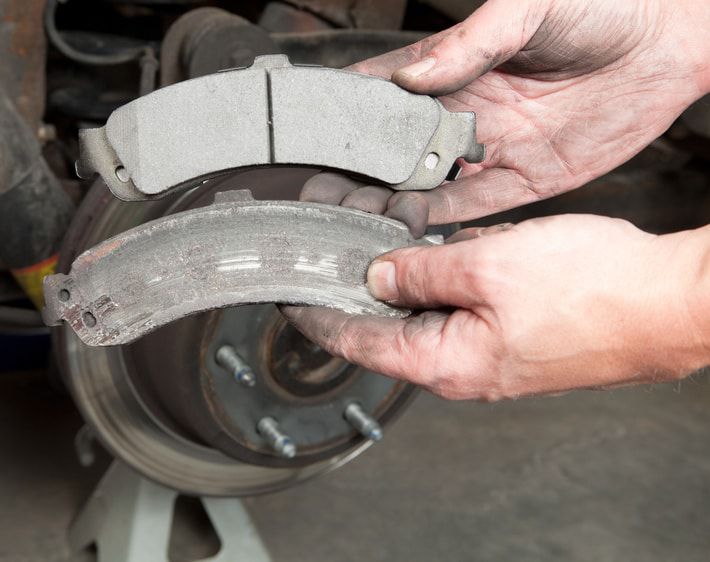
Brake pads are a key part of your car’s brake system. When you press the brake pedal, the brake pads press against the brake rotors (or discs) to create friction. This friction slows down your wheels and eventually brings your car to a stop. Good brake pads mean your car can stop quickly and safely. Worn-out pads, however, are a different story.
A typical brake pad starts at about 8-12 millimeters thick. As you drive, each stop shaves off a tiny bit of material. Most experts say you should replace brake pads when they reach 3 millimeters. If you wait longer, you are putting yourself and others at risk.
Warning Signs Of Worn Brake Pads
Knowing the signs of worn brake pads can save you from trouble. Here are some things to watch for:
- Squeaking or squealing noises: This sound is often the first sign your brake pads are getting thin.
- Grinding sounds: If you hear grinding, your pads may be completely worn down, letting metal scrape on metal.
- Longer stopping distance: Your car takes longer to stop than before.
- Vibration in the brake pedal: This can mean uneven wear or damage to the rotors.
- Warning light on dashboard: Some cars have a brake warning light.
Ignoring these signs is a mistake. Many drivers wait until there is a real problem, but by then, the danger is much higher.
The Dangers Of Driving With Worn Brake Pads
Increased Stopping Distance
Worn brake pads lose their ability to create friction. This means your car needs more time and distance to stop. In an emergency, even a few extra feet can be the difference between a safe stop and a crash. Studies show that stopping distances can increase by 20% or more when brake pads are worn.
Complete Brake Failure
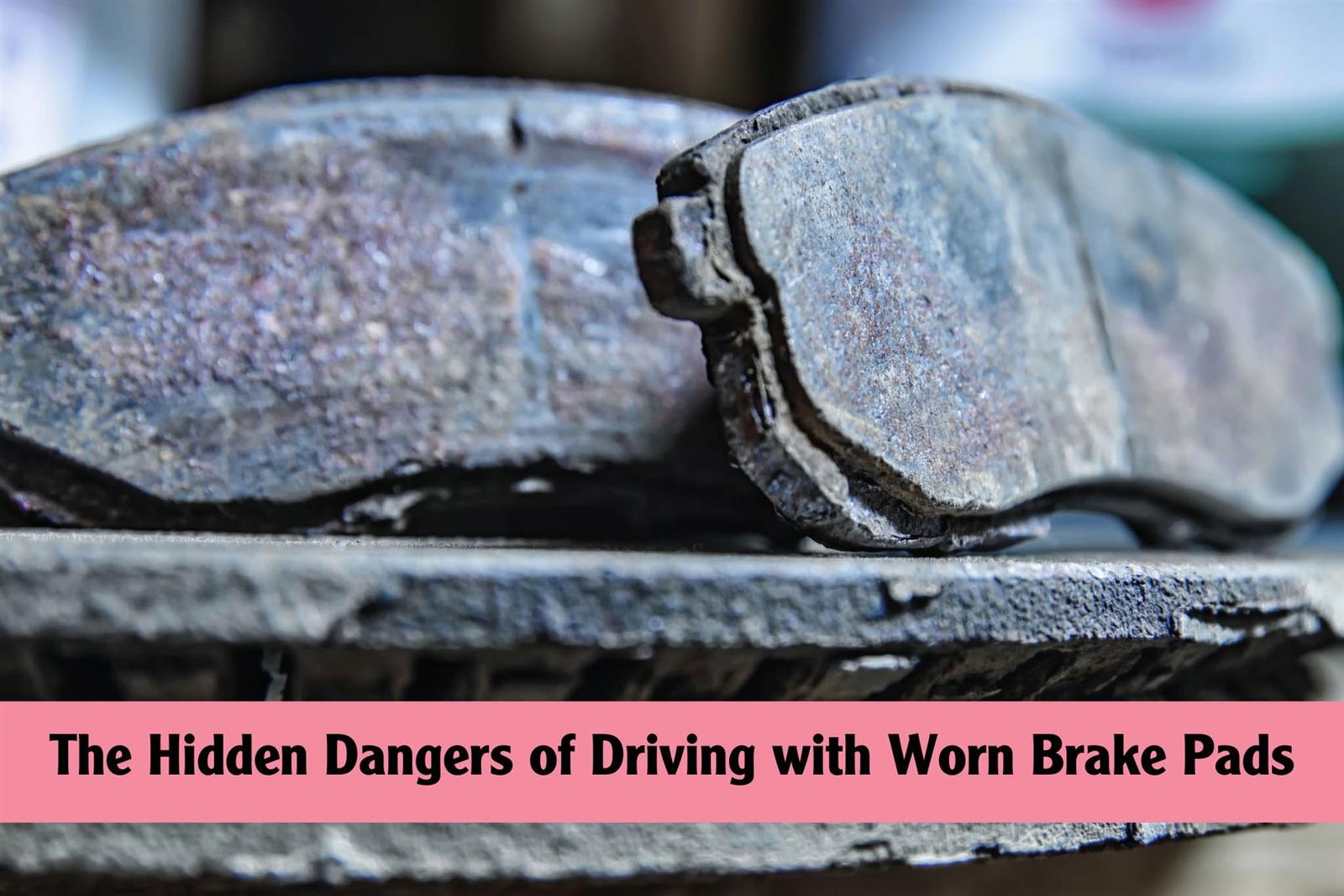
If you let your brake pads wear down to the metal, the brakes can fail completely. The metal parts will grind against each other and may overheat, crack, or break. In some cases, the brakes will not work at all.
This is extremely dangerous, especially at high speeds or in heavy traffic.
Damage To Other Brake Components
Worn brake pads do not just hurt your stopping power—they can also damage your brake rotors, calipers, and even the entire braking system. Here’s a simple comparison:
| Brake Pad Condition | Rotor Impact | Repair Cost |
|---|---|---|
| New/Good | No damage | $100–$200 |
| Moderately Worn | Minor wear | $200–$400 |
| Severely Worn | Rotor grooves, warping | $500–$800+ |
Replacing brake pads is much cheaper than fixing rotors or calipers. If you wait too long, you could be facing a bill several times higher.
Higher Risk Of Accidents
With poor braking, your ability to react to sudden stops, animals, or obstacles is greatly reduced. According to the National Highway Traffic Safety Administration (NHTSA), brake-related problems are a factor in about 22% of all car accidents. Many of these could be prevented with good maintenance.
Loss Of Vehicle Control
Worn brake pads can cause your car to pull to one side, especially if the wear is uneven. This makes it hard to steer and can lead to dangerous situations, especially in wet or icy conditions.
Increased Insurance Premiums
If you get into an accident because of faulty brakes, your insurance rates may go up. Insurance companies see poor maintenance as a risk, and claims related to brake failure can stick to your record for years.
Legal Consequences
Driving with worn-out brakes can be illegal. If you cause an accident or get stopped by the police, you could get a ticket or even lose your license. In some places, insurance will not cover your damages if your car was unsafe.
Reduced Resale Value
A car with a poor brake system will lose value. Buyers and dealers can spot worn brakes during inspection. This can lower your trade-in value or make it harder to sell your car.
Extra Strain On The Engine And Transmission
When brakes are weak, drivers often use the engine or transmission to slow down. This puts extra wear on these expensive parts and can lead to even more costly repairs.
Risk To Pedestrians And Cyclists
Poor brakes put not just drivers at risk, but also people crossing the street or riding bikes. Cities with lots of foot traffic or cyclists have even more reason to keep brakes in top shape.
Why Do People Ignore Worn Brake Pads?
Many drivers ignore brake problems for a few reasons:
- Cost worries: People hope to avoid a repair bill by waiting.
- Lack of knowledge: Some do not know the risks or signs of worn pads.
- Busy schedule: It is easy to put off repairs until “later.”
- Noisy brakes get ignored: Drivers get used to the sound and stop noticing.
But these reasons can lead to much bigger problems down the road.
Credit: www.firestonecompleteautocare.com
How Often Should You Check Or Change Brake Pads?
There is no single answer, but most experts recommend checking your brake pads every 10,000 to 15,000 miles. Replace them every 25,000 to 70,000 miles, depending on your driving style and car type.
Here is a quick guide:
| Driving Style | Expected Brake Pad Life | Check Frequency |
|---|---|---|
| City/Stop-and-Go | 25,000–35,000 miles | Every 10,000 miles |
| Highway/Mostly Cruising | 50,000–70,000 miles | Every 15,000 miles |
| Mixed Driving | 35,000–50,000 miles | Every 12,000 miles |
Remember, these are just averages. If you notice any warning signs, do not wait—get your brakes checked right away.
Practical Tips To Keep Your Brakes Safe
- Listen and pay attention: Do not ignore new sounds or feelings when braking.
- Look for warning lights: Modern cars have brake sensors and dashboard alerts.
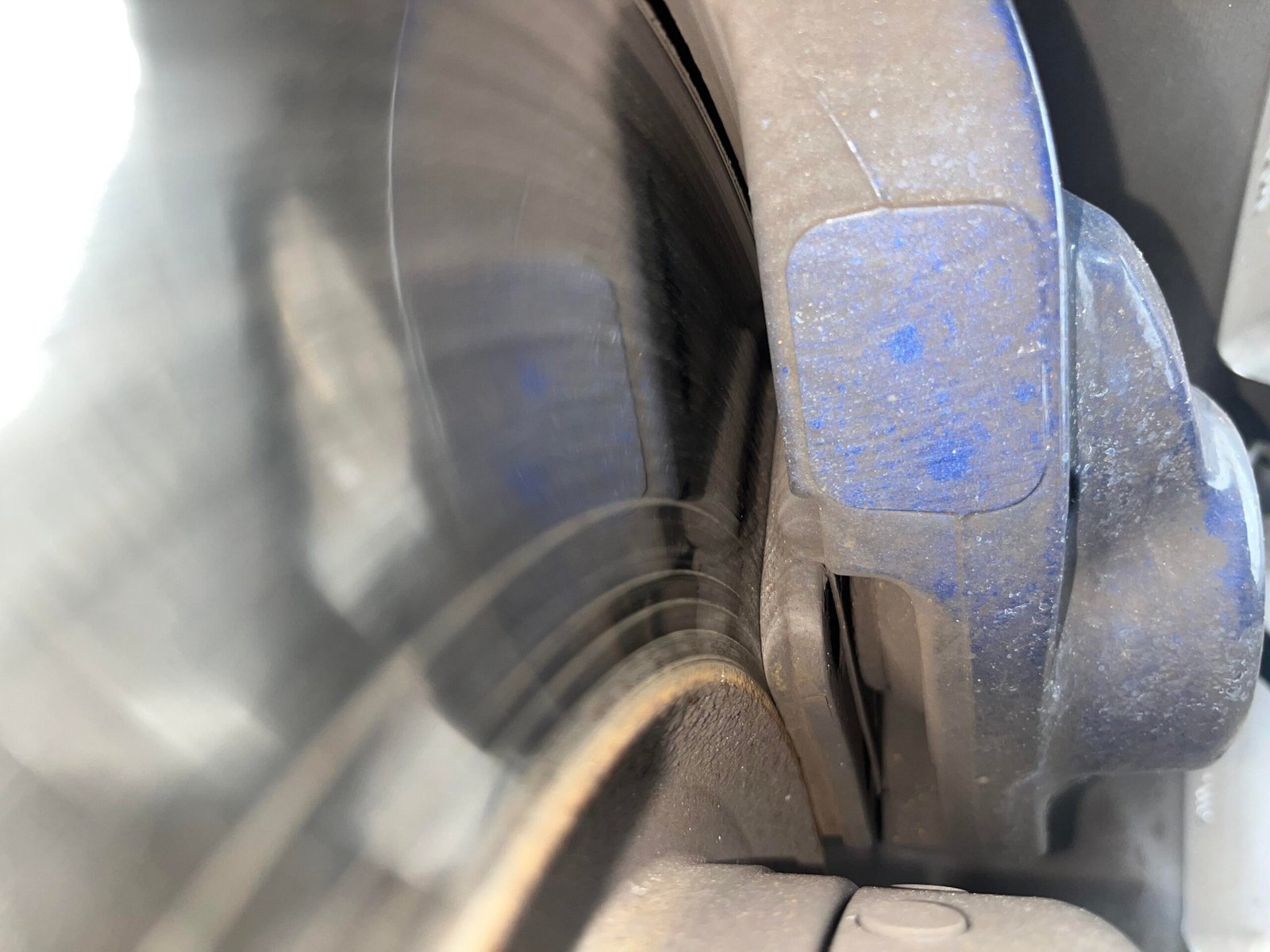
- Check your pads visually: If you can see through your wheels, look for pad thickness.
- Do not delay repairs: Small problems get worse with time.
- Get regular inspections: Ask your mechanic to check your brakes at every oil change.
Many people miss the fact that brake wear can be uneven—one side may wear faster than the other. Also, weather and road salt can speed up pad wear, especially in winter. This means you may need to check brakes more often during or after harsh seasons.
Credit: www.reddit.com
Cost Comparison: Maintenance Vs. Repairs
Spending a little now can save you a lot later. Here’s a real-world cost comparison:
| Service | Average Cost (USD) | Frequency |
|---|---|---|
| Brake Pad Replacement (all wheels) | $150–$300 | Every 2–4 years |
| Brake Rotor Replacement | $300–$600 | As needed (with pads or if damaged) |
| Full Brake System Repair | $800–$1500+ | Rare, usually after major damage |
Replacing pads on time is the best way to keep costs low and safety high.
Real-life Example: When Bad Brakes Lead To Disaster
In 2018, a delivery driver in California ignored squealing brakes for months. One day, his worn-out pads failed completely as he tried to stop at a red light. He crashed into another car, causing serious injuries. The police found the brake pads were worn down to the metal.
The driver faced a lawsuit and lost his job—all because of something that could have been fixed for less than $250.
Credit: www.johnsautocareboulder.com
Two Insights Most Beginners Miss
- Braking is not just about stopping: It helps you control your car in turns, on hills, and in emergencies. Worn pads hurt your control, not just your stopping distance.
- Brake pad quality matters: Cheaper pads wear out faster and may perform worse under heat. Investing in good-quality pads can save money and lives in the long run.
When To See A Mechanic
If you hear grinding, feel vibrations, or see a warning light, get your brakes checked right away. Even if you are not sure, it is better to be safe. Some auto shops offer free brake inspections—take advantage of them.
For more on how modern brake systems work and their importance, see this detailed overview on Wikipedia.
Frequently Asked Questions
What Happens If I Drive With Worn Brake Pads?
Driving with worn pads increases your stopping distance, can cause brake failure, and may damage other parts of your car. It also raises your risk of an accident and can cost you more in repairs.
How Do I Know My Brake Pads Are Worn?
Listen for squeaking, squealing, or grinding noises. If your car takes longer to stop or you feel vibrations in the pedal, your pads may be worn. Some cars also have a dashboard warning light.
Can Worn Brake Pads Ruin My Rotors?
Yes, worn pads can damage rotors by letting metal scrape against them. This causes grooves and warping, leading to expensive repairs.
Is It Illegal To Drive With Bad Brakes?
In most places, yes. Driving with unsafe brakes can lead to tickets, failed inspections, or even criminal charges if you cause an accident.
How Often Should I Replace My Brake Pads?
Most drivers need new pads every 25,000 to 70,000 miles, but this depends on your car and how you drive. Check them often and replace them if they are less than 3 millimeters thick.
Staying safe on the road is everyone’s responsibility. Taking care of your brake pads is a simple step that can prevent accidents, save money, and protect lives. If you think your pads are worn, do not wait—get them checked and replaced. Your safety is worth it.