
Driving is something many people do every day, often without thinking about the small details that keep us safe on the road. But one detail that is easy to overlook—yet very dangerous—is the condition of your tires. Tires are the only part of your car that actually touch the road. When they are worn out, you put yourself and others at serious risk. Many drivers don’t realize how quickly worn tires can turn a normal drive into a dangerous situation. Let’s take a closer look at the dangers of driving with worn tires, why it matters, and what you can do about it.
What Are Worn Tires?
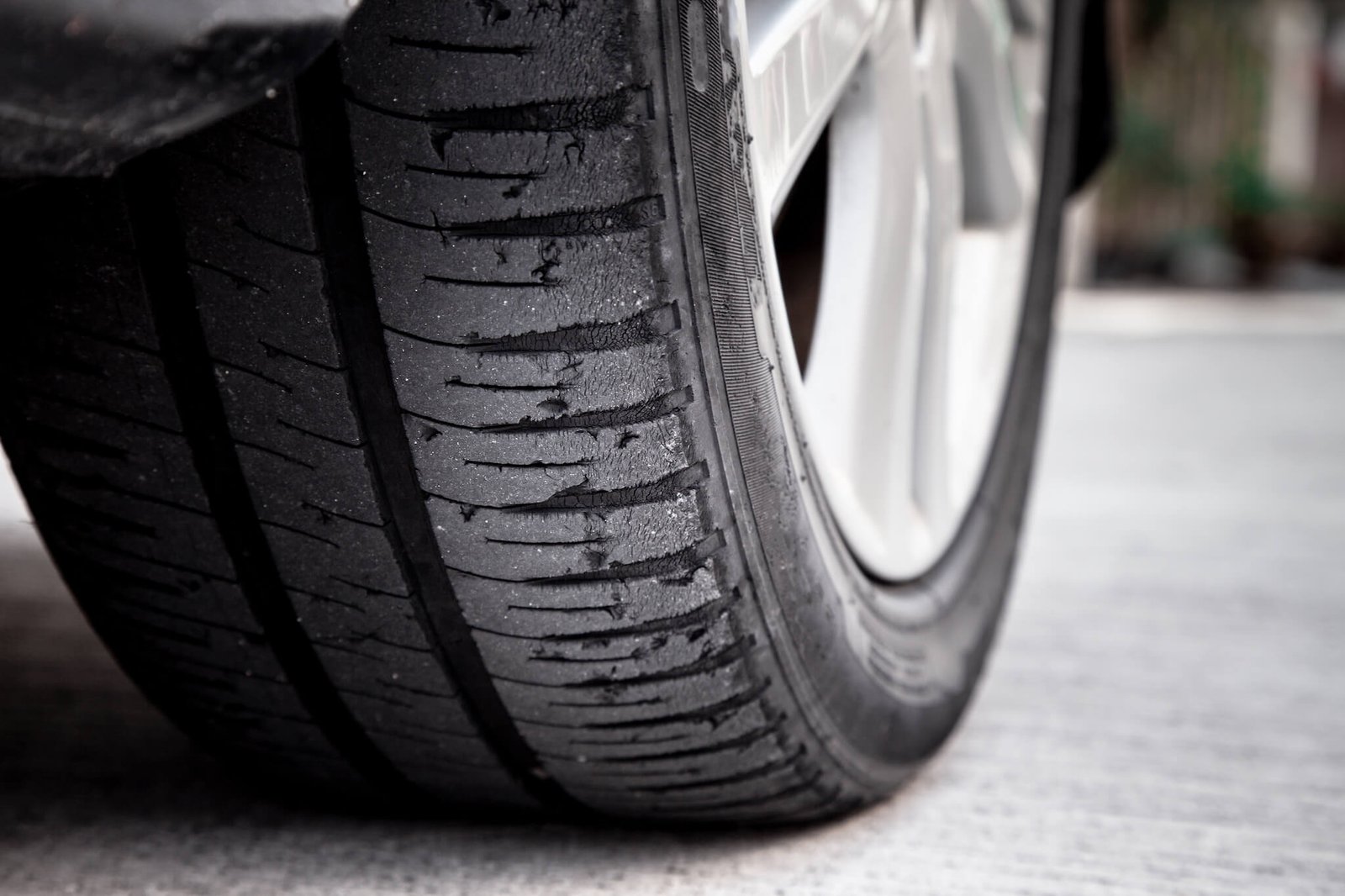
A tire is considered worn when the tread is too shallow, uneven, or has damage like cracks or bulges. The tread is the part of the tire that grips the road. Most new tires start with about 8-10 millimeters of tread depth. When tread wears down to 1.6 millimeters (about 2/32 of an inch), it’s legally worn out in many places.
But even before reaching this limit, a tire’s performance drops sharply. Some experts recommend changing tires when tread depth gets below 3 millimeters, especially for rainy or snowy conditions. Other signs of worn tires include:
- Bald spots (areas with no tread)
- Cracks or splits in the rubber
- Bulges on the sidewalls
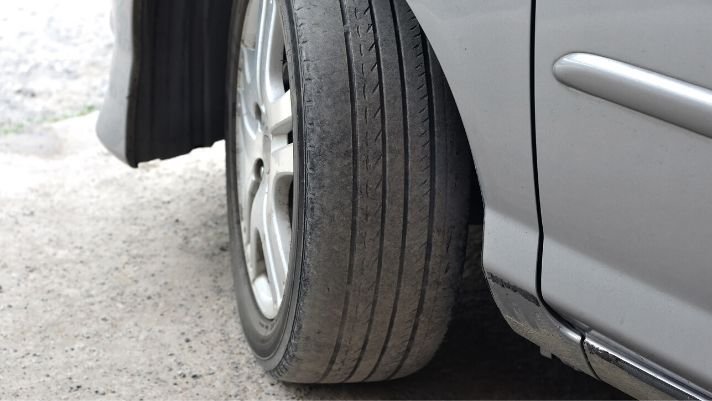
- Uneven wear (one side more worn than the other)
Why Tread Depth Matters
Tread isn’t just for looks. It serves important safety functions:
- Channels water away to prevent hydroplaning
- Grips the road for better stopping and handling
- Reduces heat buildup in the tire
The less tread you have, the worse your tires perform in almost every situation.
| Tread Depth (mm) | Wet Stopping Distance (from 80 km/h) | Hydroplaning Risk |
|---|---|---|
| 8 (new tire) | 35 meters | Low |
| 3 | 44 meters | Moderate |
| 1.6 (legal limit) | 56 meters | High |
As tread wears down, stopping distances in rain or snow increase dramatically. Even a few extra meters can mean the difference between stopping safely or crashing.
Credit: www.champtires.com
Main Dangers Of Driving With Worn Tires
1. Increased Risk Of Accidents
Worn tires are a leading cause of accidents, especially in bad weather. With less grip, your car is more likely to skid or lose control. According to the National Highway Traffic Safety Administration (NHTSA), about 11,000 tire-related crashes happen each year in the US alone.
2. Longer Stopping Distances
When your tires are worn, it takes longer to stop. On wet roads, worn tires can nearly double your stopping distance compared to new tires. This delay can be deadly if you need to brake suddenly.
3. Higher Chance Of Hydroplaning
Hydroplaning happens when your tires can’t push water away fast enough, causing your car to “float” on top of the water. With low tread, this risk increases. Once you hydroplane, you lose all control of the steering and brakes.
4. Poor Handling And Traction
Handling means how well your car responds to steering, accelerating, and braking. Worn tires reduce traction, making your car feel unstable, especially on curves or when turning quickly.
5. Blowouts And Tire Failure
Thin tread and old rubber are more likely to suffer a blowout—a sudden loss of air pressure. Blowouts at high speed can cause a crash. Worn tires are also more likely to be damaged by potholes or sharp objects.
6. Reduced Performance In Wet And Snowy Conditions
Tires with little tread are almost useless in snow or heavy rain. They can’t grip the road, making it easy to slide or spin out. Even advanced safety systems like ABS and traction control may not help if your tires are bad.
7. Uneven Tire Wear Leads To More Problems
Worn tires often wear unevenly if your wheels are not aligned. This can make your car pull to one side, shake, or vibrate. Uneven wear also shortens the life of your tires, costing you more money in the long run.
8. Less Fuel Efficiency
Worn tires can lower your fuel economy. With less tread, your tires may not roll as smoothly, forcing your engine to work harder and use more gas.
9. Legal And Insurance Issues
Driving with tires below the legal tread limit can get you fined or even have your car taken off the road. If you’re in an accident, insurance might not cover you if your tires were unsafe.
10. Extra Wear On Suspension And Steering
Bad tires can put extra stress on your car’s suspension and steering parts. This can lead to expensive repairs, especially if you ignore the problem for too long.
How To Check If Your Tires Are Worn
Checking your tires is simple and takes only a few minutes. Here’s how you can do it at home:
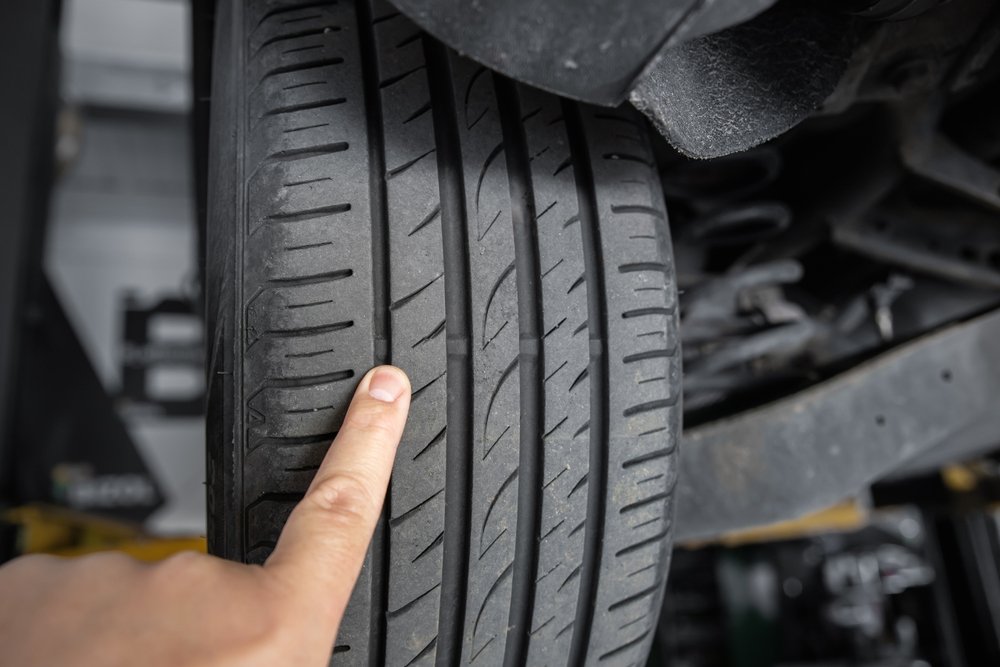
- Visual Inspection: Look for bald spots, cracks, and bulges.
- Tread Depth Test: Use a tread depth gauge, or even a coin. In many countries, if you insert a coin and see the top of the head, your tread is too low.
- Check for Uneven Wear: Run your hand over the tread. If it feels smoother on one side, you have uneven wear.
- Check Tire Pressure: Worn tires lose air more easily. Under-inflated tires wear out faster and are unsafe.
| Check | What to Look For | What It Means |
|---|---|---|
| Tread Depth | Less than 1.6mm | Replace tire |
| Bald Spots | Areas without tread | Unsafe, replace tire |
| Sidewall Bulges | Bubble or bulge | High risk of blowout |
| Cracks | Visible splits | Rubber aging, unsafe |
Credit: mandmservicecenter.com
Real-life Examples And Accidents
Many tragic accidents could have been avoided with better tires. For example, in 2017, a major accident on a wet highway happened because the car’s tires were almost bald. The car hydroplaned, spun out of control, and was hit by another vehicle.
Two people were seriously injured. Investigators found that the tread was well below the legal limit.
Another case involved a delivery van that suffered a blowout on a hot summer day. The worn tire could not handle the heat and speed, causing the driver to lose control and crash into a guardrail. Luckily, no one was hurt, but the van was totaled.
Non-obvious insight: Many drivers believe that if they don’t drive fast, worn tires are not a big risk. In reality, even at low speeds, bald tires can fail suddenly—especially in wet or hot conditions.
Why Drivers Ignore Tire Wear
Surprisingly, many people keep driving with worn tires for months. Why? Here are some common reasons:
- Cost: New tires can be expensive. People try to save money by waiting too long.
- Lack of knowledge: Some drivers don’t know how to check their tires.
- Misconceptions: Many believe modern cars’ safety systems can “make up” for bad tires. This is false.
Another non-obvious insight: Tire wear is often hard to see on low-profile or wide tires. These can look fine from the side, even when the tread is nearly gone. Always check across the full width of the tire.
How To Prevent Driving On Worn Tires
Avoiding the dangers is simple if you follow these steps:
- Check your tires every month.
- Replace tires before they reach the legal limit.
- Rotate your tires every 8,000–10,000 kilometers to ensure even wear.
- Keep tires properly inflated.
- Get your wheels aligned regularly.
If you are not sure, ask a trusted mechanic to check your tires. Don’t wait for a problem to happen.
Cost Of Ignoring Worn Tires
While new tires cost money, the cost of an accident is much higher. Medical bills, car repairs, fines, and higher insurance premiums can add up quickly. In some cases, ignoring worn tires can cost lives.
| Decision | Short-Term Cost | Potential Long-Term Cost |
|---|---|---|
| Buy new tires | $400–$1,000 | Better safety, less risk |
| Keep worn tires | $0 now | Accidents, repairs, fines, higher insurance, possible injury or death |
Credit: rnrtires.com
The Role Of Tire Age
It’s not just tread depth that matters. Old tires can be dangerous even if the tread looks fine. Rubber dries out over time, making tires more likely to crack or fail. Most experts say you should replace tires every six years, even if you don’t drive much.
Look for the manufacture date on the tire’s sidewall. It’s a four-digit code—“2319” means the tire was made in the 23rd week of 2019.
The Bottom Line: Safety Always Comes First
Your tires are your only contact with the road. Good tires help you stop, steer, and avoid accidents. Driving with worn tires is never worth the risk. Check your tires regularly and replace them before they become a danger. You can find more detailed safety guidelines from organizations like NHTSA.
Frequently Asked Questions
How Can I Tell If My Tires Are Too Worn To Drive?
Look for tread depth below 1. 6mm, visible bald spots, cracks, or bulges. If you are unsure, a mechanic can check for you.
Is It Safe To Drive With Worn Tires In Dry Weather?
No. Even in dry conditions, worn tires have less grip, longer stopping distances, and a higher risk of blowouts.
Can Tire Rotation Fix Uneven Wear?
Tire rotation helps prevent uneven wear, but it cannot fix tires that are already badly worn. Replace them if they are unsafe.
How Often Should I Check My Tires?
Check your tires at least once a month, and before long trips. Regular checks can catch problems early.
Are All Tires The Same When It Comes To Wear?
No. Tire quality, driving style, and conditions affect how quickly tires wear out. Some tires have better tread life, but all need to be checked regularly.
Driving with worn tires is a hidden danger that’s easy to avoid. Don’t let a small detail put your safety at risk. Take care of your tires, and they’ll take care of you.