
A whining noise when turning your car can be stressful. You hear the sound, and you know something isn’t right. Sometimes the noise is loud, sometimes it’s just a soft whine. But any sound like this can mean a problem that needs attention.
Many drivers worry about cost or safety when they notice this issue. The good news is, you can often fix it yourself—or at least understand what’s causing it. In this guide, you’ll discover what makes your car whine during turns, how to find the source, and what steps to take to fix it.
With clear explanations and practical advice, you’ll know exactly what to do.
Why Cars Whine When Turning
A whining noise during turns usually signals a mechanical problem. It’s not just an annoying sound; it’s your car asking for help. The noise can come from several places:
- Power steering system
- Suspension parts
- Wheel bearings
- CV joints
Each of these components plays a role in turning smoothly. When one fails, you hear the whine.
The Power Steering Connection
Most modern cars use power steering to make turning easier. If the fluid is low or the pump is weak, you may hear a whining sound. Sometimes, this noise gets louder the more you turn the wheel. If you don’t fix it, steering can become harder or even unsafe.
Suspension And Wheel Bearings
Your car’s suspension and wheel bearings help keep the wheels moving smoothly. If these parts wear out, they can make noise. Wheel bearings, in particular, produce a whining or grinding sound. This often gets louder as you turn.
Cv Joints And Other Causes
CV joints help transfer power to your wheels. If they lose grease or become damaged, you’ll hear clicking or whining. Other causes include worn belts, pulleys, or even tires rubbing against something.
How To Diagnose The Whining Noise
Finding the source of a whining noise is not always easy. Start with these steps:
- Listen carefully: Does the noise happen only when turning? Is it louder when turning left or right?
- Check fluid levels: Low power steering fluid is a common cause.
- Inspect the power steering pump: Look for leaks or damage.
- Look at suspension and bearings: Check for wear, looseness, or broken parts.
- Test the CV joints: Listen for clicking or whining when turning sharply.
To help you compare the most common causes, see this quick overview:
| Cause | Typical Sound | When Noise Happens |
|---|---|---|
| Power steering fluid low | Whining | Turning wheel |
| Power steering pump bad | Loud whine | Turning, always present |
| Wheel bearing worn | Whine/grind | Turning, sometimes straight |
| CV joint damaged | Whine/click | Sharp turns |

Credit: www.highlinewarren.com
How To Fix Car Whining Noise When Turning
Once you’ve identified the source, you can fix the problem. Here’s what to do for each common cause:
1. Power Steering Fluid: Refill Or Replace
Low fluid is the most frequent cause. To fix it:
- Find the power steering reservoir under your hood.
- Check the fluid level using the dipstick.
- If low, add the correct fluid. Most cars use ATF or special power steering fluid.
- Look for leaks. If fluid drops again soon, you have a leak.
Most reservoirs have marks for “Min” and “Max. ” Always use the fluid recommended by your car’s manufacturer. Don’t mix types.
2. Power Steering Pump: Repair Or Replace
If the pump is the problem, you may need a mechanic. Here’s how to check:
- Listen for whining near the pump.
- Look for fluid leaks around it.
- If the pump is old or noisy, replacement is best.
Some pumps cost between $100 and $300 for the part, plus labor. Don’t ignore this—steering can become dangerously hard.
3. Wheel Bearings: Inspect And Replace
Worn wheel bearings are common in older cars. To check:
- Jack up the car.
- Wiggle the wheel with your hands. If it moves, the bearing is loose.
- Listen for noise while spinning the wheel.
Replacing a wheel bearing can cost $150–$400 per wheel. It’s a job for skilled DIYers or professionals.
4. Cv Joints: Grease Or Replace
CV joints often make a whining or clicking sound, especially on sharp turns.
- Look for torn CV boots (the rubber covers).
- If grease leaks out, the joint needs attention.
- Replace the boot or the whole joint if damaged.
CV joint repairs range from $150 to $400, depending on the car.
5. Inspect Belts And Pulleys
Sometimes the whine comes from worn belts or pulleys.
- Check the serpentine belt for cracks or wear.
- Listen for noise from pulleys when the engine runs.
A new belt costs about $30–$80, and pulley repair can be $50–$200.
6. Check Tires And Alignment
Rarely, the noise comes from tires rubbing or bad alignment.
- Look for tire wear or marks inside the wheel well.
- Check wheel alignment if steering feels loose.
Proper alignment costs $50–$100 at most shops.
Step-by-step Guide To Fixing The Whining Noise
Here’s a simple guide you can follow at home:
- Park your car safely and turn off the engine.
- Open the hood and find the power steering reservoir.
- Check fluid level and top up if needed.
- Inspect for leaks under the car and around the pump.
- Jack up the car if you need to check wheel bearings or CV joints.
- Spin the wheels and listen for noise or looseness.
- Look for torn CV boots and grease leaks.
- Check belts and pulleys for wear.
- Inspect tires for rubbing and check alignment if unsure.
If you find any damaged parts, replace them. If you’re not sure, take your car to a mechanic.
Non-obvious Insights For Beginners
Many people think noise always means a big problem. Sometimes, it’s just low fluid. But ignoring it can make things worse.
- Don’t just refill fluid: If power steering fluid keeps dropping, you have a leak. Fixing the leak is more important than just topping up.
- Worn bearings affect safety: A loose wheel bearing doesn’t just make noise—it can make your wheel fall off in rare cases.
- CV boots matter: A torn CV boot can destroy the joint in weeks. Replacing a boot is much cheaper than replacing the whole joint.
Real-world Examples
Let’s look at some typical cases:
- A driver hears a soft whine only when turning right. He checks the power steering fluid and finds it low. After topping up, the noise stops.
- Another driver hears a loud whining and feels vibration. The mechanic finds a worn wheel bearing and replaces it. The noise is gone, and the car feels smoother.
- Someone else sees grease on the driveway after turning. She checks the CV boot and sees it’s torn. Replacing it stops the noise and prevents bigger repairs.
When To Visit A Mechanic
Some fixes are easy, but others need expert tools. If you:
- Can’t find the source of the noise
- See fluid leaking under the car
- Notice steering is harder or feels unsafe
- Hear noise even after topping up fluid
…it’s best to visit a professional. Mechanics use special tools to test pumps, bearings, and joints. They can fix issues before they become dangerous.
Preventing Whining Noise In The Future
You don’t have to wait until your car whines. Prevent problems with these tips:
- Check power steering fluid every month.
- Inspect tires, belts, and suspension parts every 6 months.
- Have your car aligned once a year.
- Listen for small noises and act early.
Regular maintenance saves money and keeps your car safer.
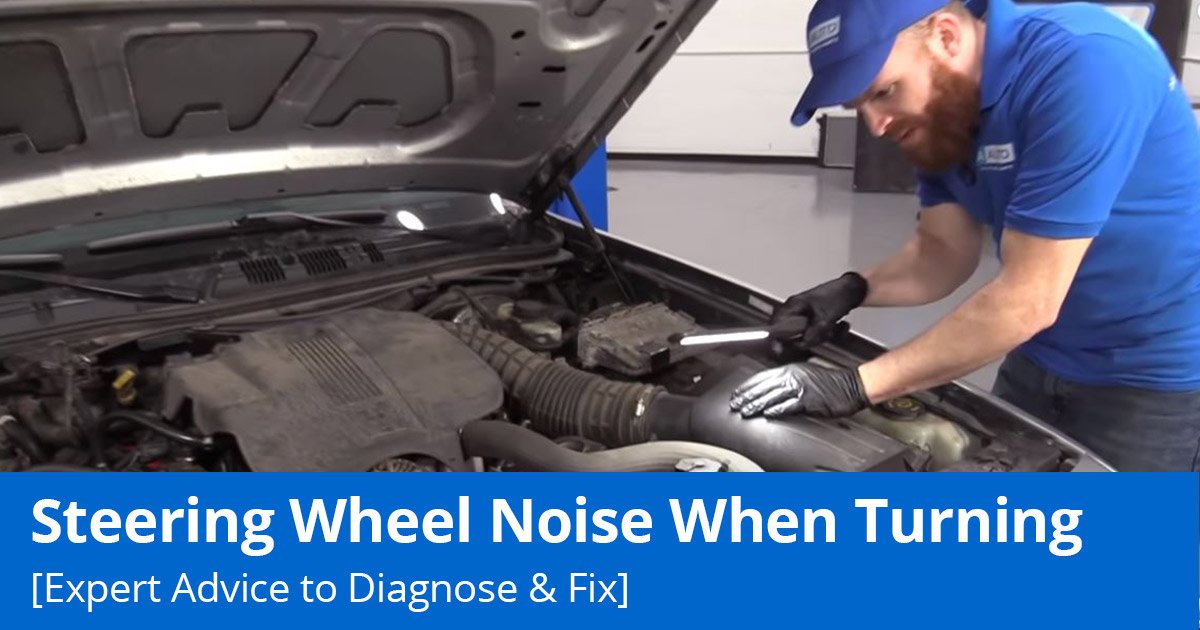
Credit: blog.1aauto.com
Comparing Repair Costs
To help you decide, here’s a comparison of common repair costs:
| Repair | DIY Cost | Professional Cost | Difficulty |
|---|---|---|---|
| Power Steering Fluid Refill | $10–$20 | $30–$60 | Easy |
| Power Steering Pump Replace | $100–$300 | $300–$600 | Medium |
| Wheel Bearing Replace | $60–$150 | $150–$400 | Hard |
| CV Joint/Boot Replace | $50–$150 | $150–$400 | Medium |
| Belt Replace | $30–$80 | $50–$200 | Easy |
How Often Should You Check These Parts?
Most drivers forget regular checks. Here’s a quick reference:
| Part | Check Frequency | Signs to Watch For |
|---|---|---|
| Power steering fluid | Monthly | Low level, leaks |
| Wheel bearings | 6–12 months | Whining, looseness |
| CV joints | Every oil change | Torn boots, grease |
| Belts/pulleys | 6 months | Cracks, noise |
| Tires/alignment | Every 6 months | Uneven wear, noise |
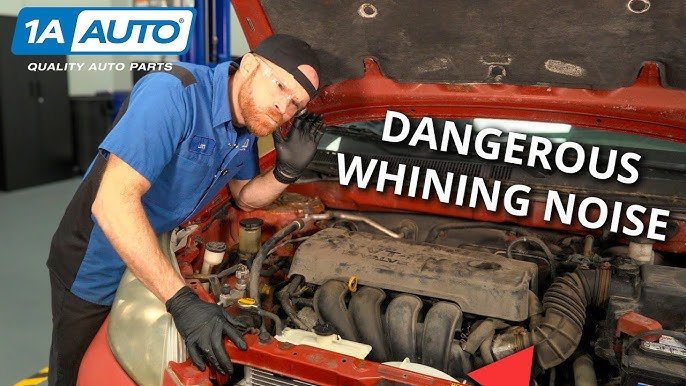
Credit: www.youtube.com
Frequently Asked Questions
Why Does My Car Make A Whining Noise Only When Turning?
Whining noise during turns often comes from low power steering fluid, worn wheel bearings, or damaged CV joints. It happens because these parts work harder when you turn.
Is It Safe To Drive With A Whining Noise?
It depends. If the noise is soft and you find low fluid, topping up may fix it. If the noise is loud or you notice steering problems, it’s best to stop driving and get it checked.
Can I Fix The Whining Noise Myself?
Many fixes are simple, like refilling fluid or checking belts. But replacing wheel bearings or CV joints is harder and may need special tools.
How Much Does It Cost To Fix Car Whining Noise?
Costs vary:
- Fluid refill: $10–$20
- Wheel bearing or CV joint repair: $150–$400
- Power steering pump: $300–$600
Check the tables above for detailed costs.
Where Can I Find More Information About Car Noises?
You can learn more from Wikipedia. It covers car mechanics and common issues.
Solving a car whining noise when turning doesn’t have to be stressful. With a little knowledge and the right steps, you can fix most problems yourself or know when to get help. Regular checks and quick action keep your car safe and quiet for years to come.