
Choosing the right garage lift for your home can completely change how you use your garage space. Whether you want to make car maintenance easier, store an extra vehicle, or just get more organized, a garage lift is a smart investment.
But with so many types, sizes, and features, it’s easy to feel lost. This guide will walk you through every key detail, help you avoid common mistakes, and ensure you pick the best lift for your needs, budget, and space.
Understanding Garage Lift Types
The first step is knowing the main garage lift types. Each one serves a different purpose and fits different garages.
Two-post Lifts
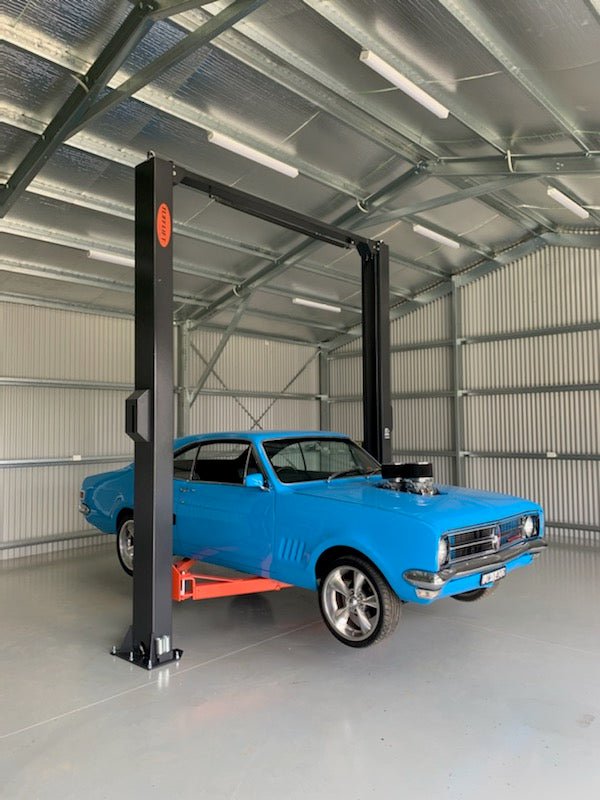
A two-post lift is popular for home mechanics. It uses two strong posts with arms that lift the car from the frame or lifting points. This type gives great access under the car, perfect for repairs or oil changes. However, it needs a strong, flat concrete floor and enough ceiling height—usually at least 12 feet.
Four-post Lifts
A four-post lift has four posts and lifts the car by its wheels. It’s easy to drive on and off, making it ideal for vehicle storage. Many people use four-post lifts to stack cars in a one-car garage. They are usually more stable and require less floor strength than two-post lifts.
Scissor Lifts
A scissor lift goes under the car and lifts from the frame or wheels. It’s portable and great for garages with low ceilings. However, it takes up more space under the car, so it’s not as good for major repairs.
Portable/single-post Lifts
A portable lift or single-post lift is smaller and easier to move. It’s best for light vehicles and small garages. These lifts are less stable and not for heavy, regular use.
In-ground Lifts
In-ground lifts are built into the floor. They look clean and save space, but they are expensive and need professional installation. They’re rare in home garages but perfect for people who want a premium setup.
Key Factors To Consider
Not every lift will work in every garage. Here’s what you must check before buying.
Garage Size And Ceiling Height
Measure your garage carefully. Most lifts need a minimum ceiling height—often 9 to 12 feet. For four-post lifts used for storage, check if you can fit two cars, one above the other, without hitting the ceiling. Don’t forget to check garage door tracks and openers, which may block lift movement.
Vehicle Weight And Size
Every lift has a weight capacity. Common home lifts handle 7,000 to 9,000 lbs. Make sure your heaviest vehicle fits safely. Also, check the width and length of your car against the lift’s platform or arm span. Large trucks or SUVs may need a bigger lift.
Concrete Thickness And Strength
Two-post and four-post lifts need strong concrete. Most manufacturers require at least 4 inches thick concrete and a compressive strength of 3,000 psi or more. Weak floors can crack or fail, which is dangerous.
Power Supply
Most lifts use 110V or 220V electric motors. Check your garage’s outlets and power supply. Some heavy-duty lifts need a dedicated 220V line.
Frequency Of Use
If you’ll use the lift daily for repairs, get a robust model with a good warranty. For occasional storage, a basic four-post lift is enough.
Budget
Garage lifts range from $1,500 to $5,000+ for home models. Installation, shipping, and accessories add to the cost. Plan your budget for the total expense, not just the lift price.
Credit: www.mobilityworks.com
Popular Garage Lift Brands
Choosing a reliable brand ensures safety and customer support. Here’s a quick comparison of popular brands:
| Brand | Known For | Typical Price Range |
|---|---|---|
| BendPak | High quality, great safety features | $2,500–$5,000 |
| Atlas | Affordable, good for DIY | $1,800–$3,500 |
| Rotary | Commercial-grade durability | $3,000–$6,000 |
| QuickJack | Portable scissor lifts | $1,500–$2,500 |
| Triumph | Budget-friendly four-post lifts | $2,000–$3,500 |
Safety Features To Look For
Garage lifts are powerful machines. Safety should never be an afterthought.
- Automatic safety locks: These hold the lift in place if the hydraulics fail.
- Secondary locking systems: A backup in case the main lock fails.
- Arm restraints: Prevent the lifting arms from moving unexpectedly.
- Cable slack detection: Alerts you if a cable is loose or about to snap.
- Emergency lowering: Lets you safely lower a lift during a power failure.
Not all lifts have every feature, so check the specifications. Two non-obvious things to check: the quality of welds (smooth, even welds are much safer) and whether the lift’s safety systems are certified by ALI/ETL (official safety standards in North America).
Credit: www.mobilityworks.com
Installation: Diy Or Professional?
Some lifts are “DIY-friendly,” especially smaller four-post or scissor lifts. But two-post and in-ground lifts nearly always need professional installation for safety and warranty reasons.
Diy Installation
You’ll need:
- At least two people (some parts are heavy)
- Power tools (drill, impact wrench, torque wrench)
- Patience to follow the manual step by step
DIY saves money but takes time. Mistakes can be dangerous or void your warranty.
Professional Installation
A trained installer will:
- Inspect your concrete
- Set up the lift correctly
- Test all safety features
Professional installation often costs $500–$1,000 but gives peace of mind.
Garage Lift Accessories
To get the most from your lift, consider accessories:
- Drip trays: Catch oil or fluid leaks from the top vehicle.
- Caster kits: Let you move a four-post lift around your garage.
- Jack trays: Allow lifting a car’s wheels off the lift for brake or tire work.
- Rolling bridge jacks: For lifting one end of the car at a time.
- Wheel stops: Prevent you from driving too far on the lift.
Some accessories are optional, but others (like drip trays and wheel stops) are strongly recommended for safety and convenience.
Real-world Example: Maximizing Space
Let’s say you have a two-car garage but own three cars. A four-post lift lets you park one car above another. Here’s how the space works out:
| Garage Size | Car Height | Ceiling Height Needed |
|---|---|---|
| 20′ x 20′ | 5.5′ (sedan) | 10.5′ minimum |
| 22′ x 22′ | 6.5′ (SUV) | 12′ minimum |
You can see why measuring your ceiling is so important. If you don’t have enough height, you could damage your car or the garage.
Common Mistakes To Avoid
Even experienced buyers can make errors. Here are two mistakes people often miss:
- Ignoring lift width. It’s easy to focus on length and height, but you also need enough space to open doors, walk around, and use tools. Some lifts are wider than your car.
- Not checking for local codes. Some cities require permits or inspections. Installing a lift without approval can cause legal and insurance problems.
Other mistakes include buying more lift than you need, skipping safety accessories, or not reading the full manual.
Maintenance And Longevity
A garage lift is a long-term investment if you care for it. Here’s how to keep yours in top shape:
- Inspect cables and safety locks monthly
- Lubricate moving parts every 3–6 months
- Check fluid levels in hydraulic lifts
- Clean the lift after each use to prevent rust
With good maintenance, a quality lift will last 10–20 years or more. Always follow the manufacturer’s guide.
Used Vs. New Garage Lifts
Buying a used lift can save money, but it comes with risks. Used lifts may have hidden damage or worn safety parts. If you buy used, get it inspected by a pro and ask for the original manual. New lifts cost more but include a warranty and support.
Where To Buy A Garage Lift
You can buy lifts from local distributors, big box stores, or online. Always check for:
- Good reviews and ratings
- Clear warranty information
- Easy access to replacement parts
For more details on garage lift standards and certified models, see the Automotive Lift Institute Directory.
Frequently Asked Questions
What Ceiling Height Do I Need For A Garage Lift?
Most four-post lifts need at least 10–12 feet of ceiling height. Measure your tallest vehicle and add 6–8 inches for safety. Lower ceilings work for scissor lifts, but not for stacking vehicles.
Can I Install A Garage Lift Myself?
You can install some small lifts (like portable or four-post models) if you’re handy and have help. Two-post and in-ground lifts need professional installation for safety and warranty reasons.
Is A Two-post Or Four-post Lift Better For Storage?
A four-post lift is safer and easier for vehicle storage because it supports the car by the wheels. A two-post lift is better for repairs, not long-term storage.
Do I Need A Permit To Install A Garage Lift?
Some cities and towns require a permit and inspection. Always check your local building codes before buying or installing a lift.
How Often Should I Service My Garage Lift?
Inspect safety locks and cables monthly. Lubricate every few months, and do a full professional check every year for best results.
Choosing the right garage lift is all about knowing your space, your vehicles, and your own needs. Take the time to measure, research, and compare. A well-chosen lift will give you more freedom, save space, and make your garage safer and more useful for years to come.
Credit: tufflift.com.au