
Replacing a car exhaust system yourself can save money and help you understand your vehicle better. Many car owners worry about the process, but with the right tools and guidance, even beginners can do it safely. This step-by-step guide walks you through everything from preparation to final testing.
You’ll learn about important safety tips, tools you need, common mistakes, and practical advice that most tutorials miss. Whether your exhaust is noisy, rusty, or failing emissions tests, this guide will help you replace it confidently.
Understanding The Car Exhaust System
The car exhaust system is more than just a pipe under your vehicle. It’s made up of several parts working together to remove gases from the engine, reduce noise, and control emissions. The main components include:
- Exhaust manifold
- Catalytic converter
- Resonator
- Muffler
- Exhaust pipes
Each part plays a role in handling harmful gases, improving fuel efficiency, and keeping your car quiet. If one part fails, the whole system can suffer. For example, a damaged muffler can make your car much louder, while a broken catalytic converter can cause your car to fail emissions tests.
Many beginners think the exhaust system is just the muffler. In reality, it’s a network of pipes and chambers that needs careful handling. Knowing this helps you plan your replacement better.
Signs Your Exhaust System Needs Replacement
Before you start, check if your exhaust system really needs replacing. Common signs include:
- Loud noises: If your car suddenly becomes noisy, the muffler or pipes may have holes.
- Rust and corrosion: Visible rust can weaken the pipes, causing leaks or breaks.
- Reduced fuel efficiency: A damaged exhaust can make your engine work harder.
- Vibrations: If you feel vibrations under your seat or steering wheel, there could be loose or broken parts.
- Bad smells: Smelling exhaust fumes inside the car is dangerous and means there’s a leak.
Checking these signs before replacement is important. Sometimes, a small part can be repaired instead of replacing the entire system.
Tools And Materials Needed
You need the right tools and materials to do the job safely and efficiently. Here’s what you should have:
- Safety gloves and goggles
- Car jack and jack stands
- Socket wrench set
- Screwdrivers
- WD-40 or penetrating oil
- Exhaust system parts (pipes, muffler, clamps, gaskets)
- Exhaust paste or sealant
- Rubber hangers
- Torque wrench
Some cars have unique exhaust setups. It’s wise to check your car’s manual or a diagram online before buying parts.
Non-obvious tip: Use a headlamp. Many beginners skip this, but good lighting under your car helps you spot rust and leaks easily.
Safety Precautions
Working under your car can be risky. Always follow these safety steps:
- Park on a flat surface: Never work on a slope.
- Let the engine cool: Exhaust pipes can be very hot after driving.
- Use jack stands: Never rely on just a car jack. Jack stands are safer and more stable.
- Wear gloves and goggles: Protect your hands from sharp metal and your eyes from rust flakes.
- Keep a fire extinguisher nearby: Exhaust work can sometimes involve sparks.
Many people forget to disconnect the car battery. This prevents accidental electrical shorts, especially if your exhaust system has sensors.
Removing The Old Exhaust System
Now you’re ready to start. Removing the old system takes patience. Here are the steps:
1. Raise The Car Safely
Use your car jack to lift the vehicle. Place jack stands under the frame for stability. Make sure the car is secure before crawling underneath.
2. Locate Connection Points
Check where the exhaust pipes connect to the engine and other parts. Most systems have bolts, clamps, and hangers.
3. Spray Penetrating Oil
Rusty bolts are common. Spray WD-40 or another oil on all bolts and wait a few minutes. This makes them easier to remove.
4. Remove Bolts And Clamps
Use your socket wrench to loosen the bolts. Some may be very tight or rusted. Be patient and avoid forcing them, which can break the bolt.
5. Disconnect Sensors
If your car has oxygen sensors attached to the exhaust, disconnect them carefully. Pulling or twisting can damage the wires.
6. Remove Rubber Hangers
The exhaust system is held by rubber hangers. Use a screwdriver or pliers to slide them off.
7. Take Out The Old Exhaust
Once everything is loose, carefully pull out the old pipes and muffler. You may need to wiggle them to free them from tight spaces.
Experience-based tip: Take photos at each step. This helps you remember where each part goes when installing the new system.
Preparing For Installation
Before installing the new exhaust, prepare the area and parts:
- Clean the mounting points: Use a wire brush to remove rust and old sealant.
- Compare old and new parts: Lay them side by side to check size and shape.
- Install new gaskets: Always use fresh gaskets for a tight seal.
- Check the fit: Dry-fit the new parts under the car to ensure they align with connection points.
Many beginners skip cleaning the mounting area. This can cause leaks later. Clean surfaces make seals stronger.
Installing The New Exhaust System
Now you can install your new exhaust system. Follow these steps:
1. Position The New Pipes
Start with the pipe closest to the engine. Align it with the connection point. Attach the exhaust manifold if needed.
2. Attach Clamps And Bolts
Use new clamps and bolts where possible. Tighten them just enough to hold the pipes in place, but leave room for adjustment.
3. Reconnect Sensors
Attach any oxygen sensors to their ports. Make sure wires are not twisted or pinched.
4. Install Rubber Hangers
Slide the rubber hangers over the mounting hooks. This supports the exhaust and keeps it from rattling.
5. Apply Exhaust Paste
Where pipes join, apply exhaust paste or sealant. This stops leaks and improves the seal.
6. Tighten Everything
Use your torque wrench to tighten all bolts and clamps to the specified level. Over-tightening can strip threads or crack pipes.
7. Double-check Alignment
Make sure the pipes are straight and not touching the car’s body or suspension. Misaligned pipes can cause rattling or wear.
Non-obvious insight: If your exhaust hangs too low, check the rubber hangers. Sometimes, new hangers are stiffer and need extra force to fit.
Testing The New Exhaust System
After installation, test your work:
- Lower the car: Remove jack stands and gently lower the car.
- Reconnect the battery: If you disconnected it, reconnect before starting the engine.
- Start the engine: Listen for leaks, rattles, or strange noises.
- Check for fumes: Stand behind the car and watch for smoke or smells. If you see or smell exhaust inside the car, there’s a leak.
- Inspect for vibrations: Drive slowly and listen for rattling or vibrations under the car.
If you notice problems, recheck the clamps and connections. Small leaks can be fixed with extra paste or by tightening bolts.
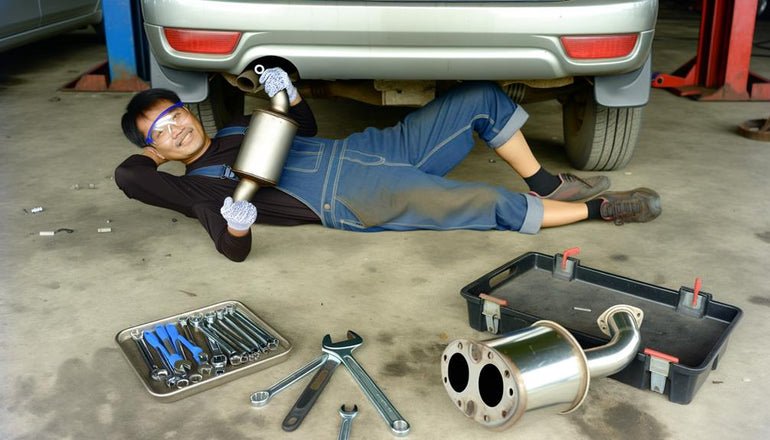
Credit: gexhaust.com
Common Mistakes And How To Avoid Them
Many beginners make these mistakes:
- Skipping safety steps: Not using jack stands can lead to injury.
- Forgetting sensors: Damaging oxygen sensor wires can cause engine problems.
- Over-tightening bolts: Stripped bolts are hard to fix and can cause leaks.
- Not using new gaskets: Old gaskets won’t seal properly.
- Rushing alignment: Pipes touching the car’s body can cause noise and wear.
Practical tip: Always check local laws before modifying your exhaust. Some places have strict rules about noise and emissions.
Comparison: Diy Vs Professional Installation
Let’s compare doing it yourself and hiring a professional.
| Factor | DIY Replacement | Professional Service |
|---|---|---|
| Cost | $100–$300 (parts only) | $400–$800 (parts + labor) |
| Time | 2–4 hours | 1–2 hours |
| Skill Needed | Basic mechanical skills | None |
| Warranty | No labor warranty | Usually included |
| Tools | Must own or rent | Provided by shop |
DIY saves money but needs patience and skill. Professionals work faster and offer warranties, but at a higher cost.
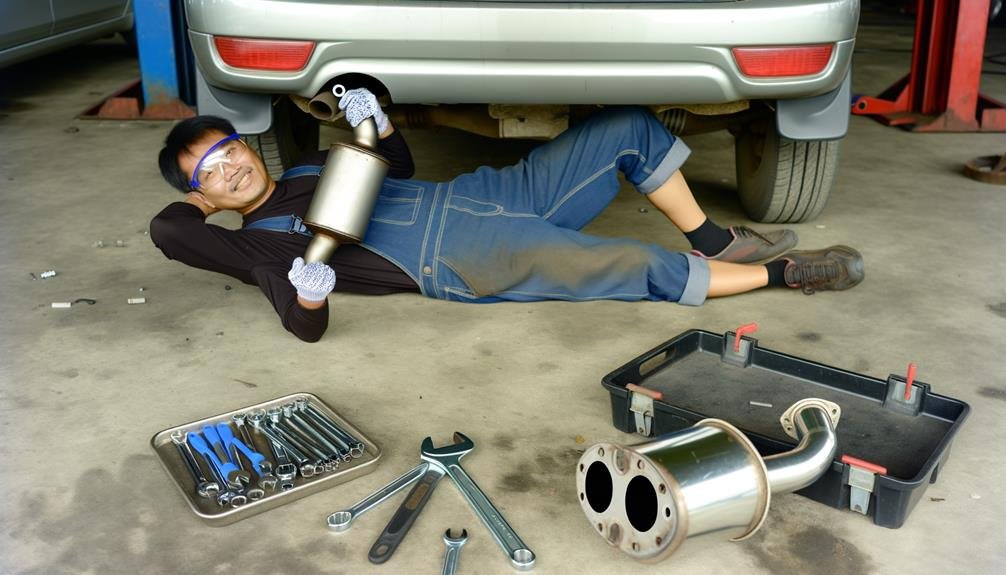
Credit: gexhaust.com
Choosing Exhaust System Parts
Picking the right parts makes a big difference. Here’s a comparison of common exhaust materials:
| Material | Durability | Cost | Corrosion Resistance |
|---|---|---|---|
| Aluminized Steel | Good | Lower | Moderate |
| Stainless Steel | Excellent | Higher | High |
| Mild Steel | Fair | Lowest | Low |
Stainless steel lasts longer but costs more. If you drive in wet or salty areas, stainless steel is worth the investment.
Practical Tips For A Successful Diy Exhaust Replacement
- Read your car’s manual: Different models have unique layouts.
- Label bolts and clamps: Use tape or bags to avoid confusion.
- Take photos: Helps you remember connection points.
- Have a helper: Lifting pipes is easier with two people.
- Check local regulations: Some areas limit exhaust modifications.
Many online guides miss these small details. Careful planning and organization can save hours and reduce frustration.
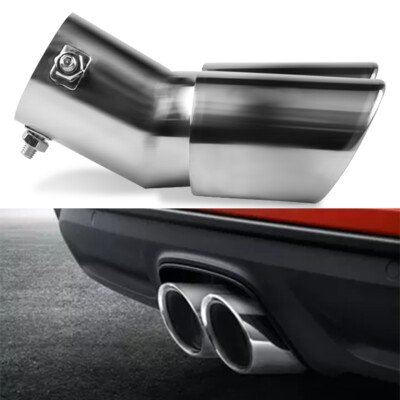
Credit: www.ebay.com
Environmental Impact And Regulations
Replacing your exhaust system correctly helps reduce emissions and pollution. A well-sealed system prevents harmful gases from escaping into the air. Some countries require cars to pass emissions tests after exhaust work. Always check your region’s rules before making changes.
For more on exhaust systems and regulations, visit Wikipedia’s Exhaust System Overview.
Frequently Asked Questions
What Is The Average Cost To Replace A Car Exhaust System Diy?
Most DIY replacements cost $100–$300 for parts. The exact price depends on your car’s make and the materials you choose. Stainless steel parts cost more but last longer.
How Long Does It Take To Replace A Car Exhaust System Yourself?
On average, it takes 2–4 hours for beginners. This includes removing the old system, cleaning, installing new parts, and testing. If you have experience, it can be faster.
Can I Drive With A Damaged Exhaust System?
It’s not recommended. A damaged exhaust can leak fumes, reduce fuel efficiency, and even break down on the road. Driving with leaks can also fail emissions tests or break local laws.
Do I Need Any Special Skills To Replace The Exhaust?
Basic mechanical skills are enough. If you can use wrenches and follow instructions, you can do it. If your car has complex sensors or a special layout, research or ask for help.
Is It Necessary To Replace The Entire Exhaust System, Or Can I Just Fix One Part?
You can often replace just one part if it’s damaged. For example, a broken muffler can be swapped without changing pipes. But if the whole system is rusty or leaking, replacing everything is best.
Replacing your car’s exhaust system DIY is a smart way to save money and learn more about your vehicle. With careful preparation, the right tools, and attention to detail, you can do the job safely and confidently. Remember to follow safety steps, check local laws, and take your time.
Your car will run quieter, cleaner, and more efficiently with a new exhaust system.