
Car oil leaks are often ignored by drivers, especially if the spots under the car seem small or harmless. But letting these leaks go unfixed can lead to serious problems that affect not just your car, but also your safety and wallet.
Many people do not realize how quickly a minor leak can turn into a major headache. If you want your car to last long and run smoothly, it’s important to understand the dangers of ignoring a car oil leak.
Why Oil Is Vital For Your Car
Engine oil does more than just lubricate moving parts. It helps keep the engine cool, reduces friction, cleans dirt, and prevents rust. Without enough oil, or if oil is leaking out, the engine can’t do its job properly. Even a small drop in oil level can make a big difference.
Common Causes Of Car Oil Leaks
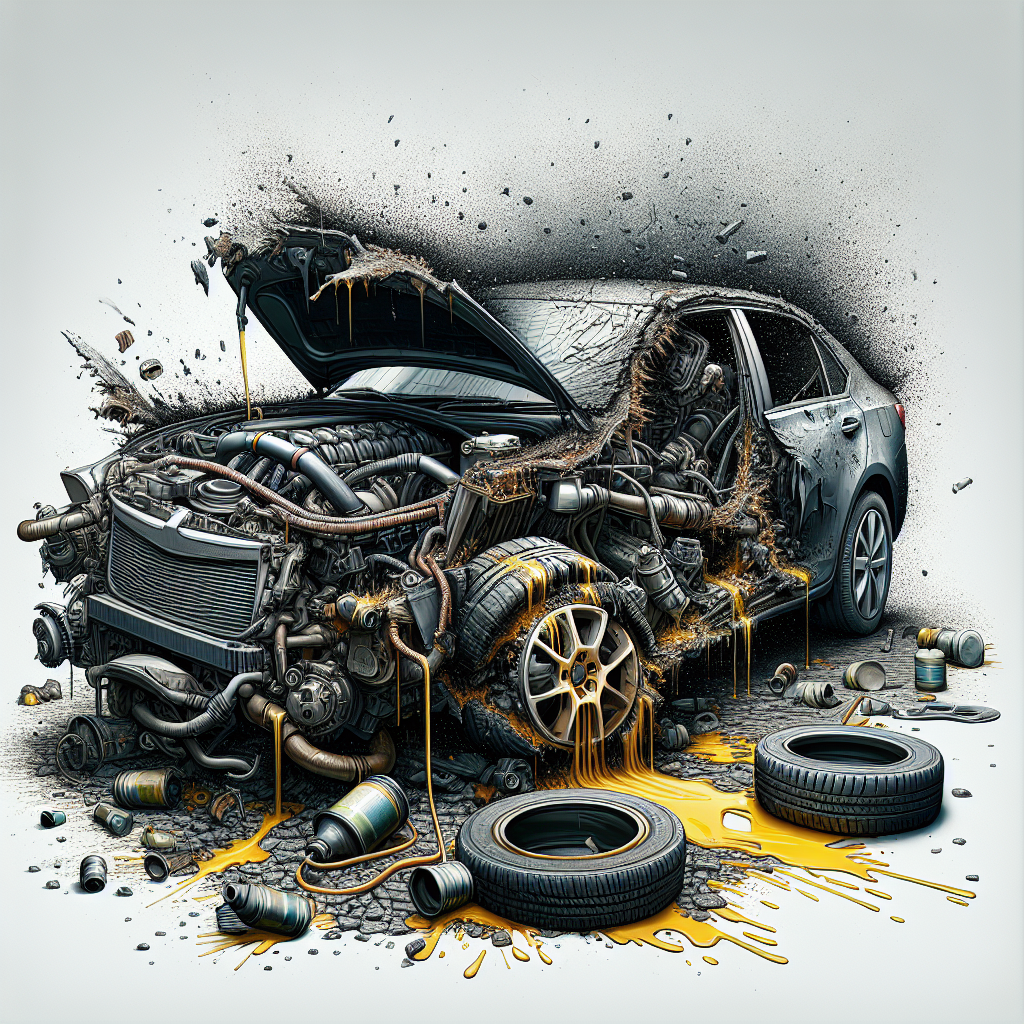
- Worn Gaskets and Seals – Over time, rubber seals and gaskets dry out and crack. This is a top cause of leaks, especially in older vehicles.
- Damaged Oil Pan – Hitting a rock or debris can dent or crack the oil pan, causing oil to drip.
- Loose or Broken Oil Filter – If the oil filter isn’t fitted correctly after a change, or if it’s damaged, oil can escape easily.
- Faulty Valve Cover Gasket – This part seals the top of the engine. If it fails, oil leaks down the side of the engine.
- Worn Engine Components – Sometimes, the engine itself is worn out, which can cause oil to leak from various places.
Credit: thelandautorepair.com
The Hidden Dangers Of Ignoring Oil Leaks
Engine Damage
Oil is like the blood of your engine. If it leaks out, the engine parts rub together with too much friction. This creates heat and wears out the parts fast. Severe oil leaks can even destroy an engine in less than an hour of driving. Repairing or replacing an engine can cost thousands of dollars—much more than fixing a leak early.
Reduced Engine Performance
When oil levels drop, you might notice your car runs rough, loses power, or makes strange noises. Ignoring these signs can lead to bigger problems. A small leak today can slowly rob your engine of the oil it needs, reducing fuel efficiency and causing jerky acceleration.
Overheating
Oil helps pull heat away from the engine. With less oil, the engine can overheat quickly, especially in hot weather or slow traffic. Overheating can warp engine parts, crack the head gasket, and lead to expensive repairs.
Increased Risk Of Fire
Oil is flammable. If it leaks onto hot engine parts or the exhaust system, it can catch fire. This is rare but dangerous. Even a small fire under the hood can quickly spread and destroy the car.
Environmental Damage
Leaking oil doesn’t just hurt your car—it harms the planet. Oil drips onto driveways and roads, then gets washed into rivers and soil when it rains. Just one quart of oil can pollute up to 250,000 gallons of water, according to the US Environmental Protection Agency.
Slippery Roads And Safety Hazards
Oil leaks can make roads slippery. If another driver hits an oil patch, it can cause a skid or accident. You might be held responsible for accidents caused by oil leaking from your car.
Expensive Repairs
A small leak can be cheap to fix if caught early. But waiting usually means the problem spreads. Damaged gaskets, ruined sensors, and failed engine parts can add hundreds or even thousands to your repair bill.
Failed Emissions Test
Leaking oil can burn in the engine or drip onto the exhaust, leading to more pollution. This can cause your car to fail an emissions test, making it illegal to drive in some areas until you fix the problem.
Dashboard Warning Lights
Ignoring a small leak often leads to the oil pressure warning light or check engine light coming on. By the time this happens, damage may already be done. If you see these lights, stop and check your oil level immediately.
Voided Warranty
Most car warranties require you to keep your car in good condition. If you ignore an oil leak and it causes engine damage, your warranty claim can be denied.
Signs You Have An Oil Leak
Sometimes leaks are easy to spot, but not always. Here are some ways to tell:
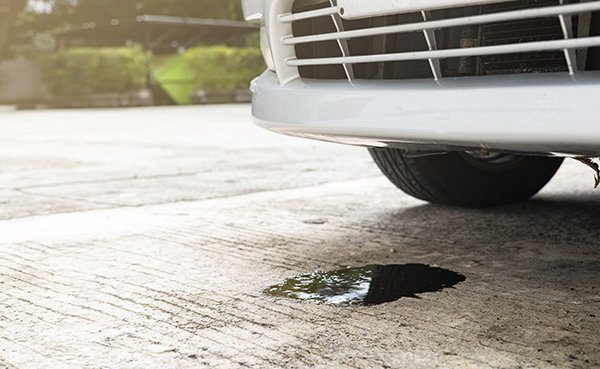
- Dark brown or black spots under your car, especially after parking overnight
- Burning oil smell or smoke from the engine area
- Low oil level on the dipstick
- Engine running hotter than normal
- Dashboard warning lights for oil or engine
If you notice any of these signs, don’t wait—get your car checked by a mechanic.
Credit: www.communityautoinc.com
What Happens When You Ignore An Oil Leak? (real Examples)
Ignoring a leak can have fast and slow effects. Here are some real-world scenarios:
- A driver sees drops of oil but keeps driving. A week later, the engine seizes up on the highway, leaving them stranded and facing a $3,000 repair bill.
- Another driver ignores a burning smell. It turns out oil was leaking onto the exhaust manifold. A small fire starts under the hood, causing costly damage to wiring and hoses.
- In a city with strict emissions rules, a car fails the test due to oil burning in the engine. The owner has to pay for repairs and retesting before they can renew their registration.
How Fast Can Damage Happen?
Not all oil leaks are equal. Small leaks can take weeks or months to cause damage, but large leaks can ruin an engine in just a few hours of driving. A slow drip might cost you a quart of oil every month; a bigger leak can empty the oil pan in a day.
Here’s a comparison of leak sizes and risks:
| Leak Size | Oil Loss per Week | Potential Damage Timeframe | Repair Cost (Estimate) |
|---|---|---|---|
| Small (few drops/day) | ~100 ml | Months | $50–$200 |
| Medium (small puddle/day) | ~500 ml | Weeks | $150–$500 |
| Large (steady drip) | 1+ liter | Days | $300–$2000+ |
Non-obvious insight: Even a slow leak can lower oil pressure enough to damage sensitive engine parts like the turbocharger or camshaft, long before the engine fails completely.
The True Cost Of Ignoring An Oil Leak
It’s tempting to put off repairs, but it usually costs more in the long run. Here’s a look at possible costs:
| Type of Damage | Possible Repair Needed | Average Cost |
|---|---|---|
| Worn gasket | Replace gasket | $100–$300 |
| Damaged oil pan | Replace or repair oil pan | $200–$600 |
| Burned engine | Engine rebuild or replacement | $2,500–$7,000 |
| Failed emissions test | Diagnostic and repair | $100–$500+ |
Tip: Many mechanics offer free inspections or cheap leak checks. Fixing a leak early often means just replacing a gasket or seal, not a whole engine.
How To Respond To An Oil Leak
- Check Oil Level – Use the dipstick to see if your oil is low. If it’s near or below the minimum, don’t drive until you top up.
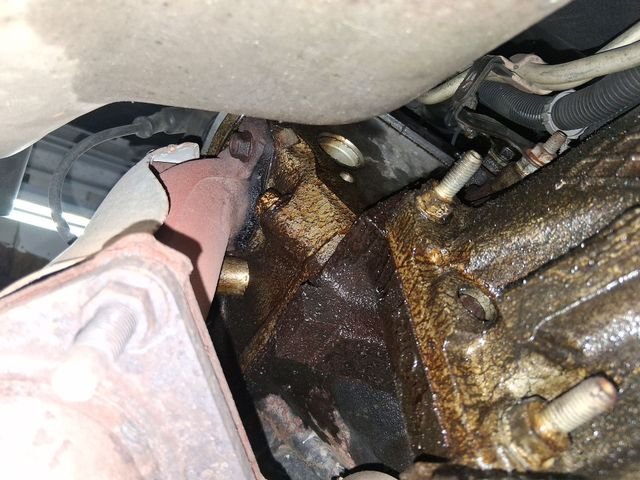
- Locate the Leak – Look under the car after it’s been parked. Try to spot where the oil is dripping from.
- Clean the Area – Wipe away old oil so you can see fresh leaks more easily.
- Schedule Repairs Quickly – Even if the leak is small, book a visit to your mechanic. Small problems can grow fast.
- Monitor for Changes – After the repair, keep an eye out for new spots. Sometimes more than one part is leaking.
Credit: www.smallworldautomotive.com
Preventing Oil Leaks In The Future
- Regular Maintenance: Change your oil and filter on schedule. Old oil breaks down seals and gaskets.
- Check Seals and Gaskets: Ask your mechanic to inspect these parts during routine service.
- Avoid Road Hazards: Rocks and debris can crack the oil pan or damage seals.
- Don’t Ignore Warning Lights: If the oil light comes on, stop and check immediately.
- Use Quality Parts: Cheap filters and gaskets can fail faster. Invest in good parts for peace of mind.
Why Some Leaks Seem Small But Are Not
Sometimes, drivers see only a few drops and think it’s nothing. But oil can drip onto other engine parts, spreading out and hiding the real size of the leak. Also, leaks can get worse quickly if the weather changes or if you drive a long distance.
Non-obvious insight: Some leaks only happen when the engine is hot and parts expand. This means you might not see oil under the car after a short trip, but a long drive can make the leak much worse.
When Is It Safe To Drive With An Oil Leak?
If the leak is very small, and you check and top up your oil often, you might be able to drive short distances for a few days. But this is always a risk. Even a small leak can suddenly get worse, especially if a gasket fails completely.
The safest choice is to fix any oil leak as soon as possible.
The Bottom Line: Oil Leaks Are Never “normal”
Some drivers think a little oil loss is normal, especially in older cars. But modern engines are designed to hold oil tightly. Any leak is a sign something is wrong. Ignoring the problem usually leads to bigger repairs, higher costs, and more risk to you and others.
If you notice signs of an oil leak, act quickly. A few minutes at the mechanic can save you hours of hassle and thousands in repairs. For more details on oil leaks and car maintenance, you can check this Wikipedia page on oil leaks.
Frequently Asked Questions
What Happens If I Keep Driving With An Oil Leak?
Driving with an oil leak can quickly damage your engine. If the oil runs too low, the engine parts grind together, causing overheating and possible engine failure. You also risk fire, pollution, and expensive repairs.
How Can I Tell If My Car Has An Oil Leak?
Look for brown or black spots under your car, especially after parking overnight. A burning smell or smoke from the engine is also a sign. Check the oil level regularly and watch for dashboard warning lights.
Is A Small Oil Leak Dangerous?
Even a small leak is risky. It can grow quickly and damage engine parts before you notice anything wrong. It’s best to fix any leak right away to avoid bigger problems.
Can I Fix An Oil Leak Myself?
Some minor leaks, like a loose oil filter, can be fixed at home. But most leaks need a mechanic’s skill and special tools. Trying to fix a leak yourself without experience can make it worse.
Will My Car Fail Inspection Because Of An Oil Leak?
Yes, in many places, a car with an oil leak can fail inspection or emissions testing. Leaking oil can burn in the engine, creating extra pollution and safety risks. It’s best to fix leaks before any inspection.