
Mixing different brands of brake fluid might seem harmless or even convenient when you’re topping up your car’s brake reservoir. However, what most drivers do not realize is that this simple act can lead to serious safety risks, costly repairs, and unpredictable brake performance.
Even though all brake fluids might look similar and share the same basic job, their chemistry and additives can vary significantly across brands. Understanding the dangers of mixing brake fluid brands is crucial for maintaining a safe, reliable braking system and avoiding unexpected failures on the road.
How Brake Fluid Works
Brake fluid is a specially engineered liquid that transfers force from your brake pedal to the brakes themselves. When you press the pedal, the fluid pushes pressure through lines to engage your car’s brakes. It must remain stable under high temperatures, resist moisture, and provide consistent performance over time.
There are several types of brake fluid, the most common being DOT 3, DOT 4, DOT 5, and DOT 5.1. Each type has its own chemical base and boiling point. Most brake fluids are either glycol-based (DOT 3, DOT 4, DOT 5.1) or silicone-based (DOT 5). Manufacturers add special chemicals, called additives, for anti-corrosion, lubrication, and moisture control. The formula and quality of these additives can differ between brands—even if the bottle says the same DOT rating.
Why People Mix Brake Fluid Brands
Many car owners mix brands without thinking about the risks. This often happens when:
- The old brand is not available at the store.
- A mechanic tops up with a different fluid during service.
- People assume all DOT 4 fluids are identical.
- Owners want to use up leftovers from different bottles.
On the surface, these actions seem harmless. But mixing brands can change how the fluid behaves, leading to several hidden dangers.
Chemical Incompatibility: The Hidden Threat
Different brands often use unique additive packages to boost performance or shelf life. When mixed, these additives can react badly with each other. Here’s what can happen:
- Additive Breakdown: The chemicals designed to prevent corrosion or reduce moisture can break down when mixed, making them less effective.
- Formation of Sludge: Incompatible additives may cause the fluid to thicken, turning it into a sticky gel or sludge.
- Accelerated Wear: Parts inside the braking system, like seals and pistons, can wear out faster if the fluid loses its protective qualities.
These reactions are not always immediate. Problems may appear weeks or months after mixing, making it hard to trace the cause.
Performance Loss And Safety Risks
Brakes are your car’s most important safety feature. Mixing brands can reduce brake fluid performance in several ways:
Lower Boiling Point
Brake fluid must stay stable under high heat. Each brand’s formula has a tested boiling point. Mixing brands can lower this point because of chemical reactions or dilution of additives. When brake fluid boils, it turns to vapor, and your brake pedal can suddenly sink to the floor—a dangerous condition called brake fade.
Corrosion Of Internal Parts
If mixed additives break down, the fluid may no longer protect against corrosion. Water can enter the system, causing rust on metal parts like the master cylinder, calipers, and ABS pumps. Corroded parts can stick or leak, reducing braking power or causing complete failure.
Seal Swelling And Leakage
Incompatible chemicals can cause rubber seals inside the braking system to swell or shrink. This can lead to leaks, soft pedal feel, or even total loss of braking pressure. Fixing these leaks often requires expensive repairs or a full system rebuild.
Warranty And Insurance Problems
Many car manufacturers specify a recommended brake fluid brand. If you mix brands and something goes wrong, your warranty might not cover the repairs. Some insurance companies may even refuse to pay for accidents caused by brake failure due to improper maintenance.
Real-world Examples
To understand the dangers better, let’s look at some real-life cases:
- A taxi fleet in Singapore reported repeated brake failures after switching between different DOT 4 brands. Lab tests showed the mixed fluid had turned acidic, corroding the brake lines.
- A German car owner topped up his DOT 4 fluid with a cheaper store brand. After a few months, the ABS light came on, and the mechanic found thick gel inside the system, requiring a $900 repair.
- In the US, a trucking company faced multiple brake line blockages after using mixed fluids during quick roadside repairs. The cause was incompatible corrosion inhibitors reacting and forming sludge.
These cases show that the risks are not just theory—they can happen to anyone.
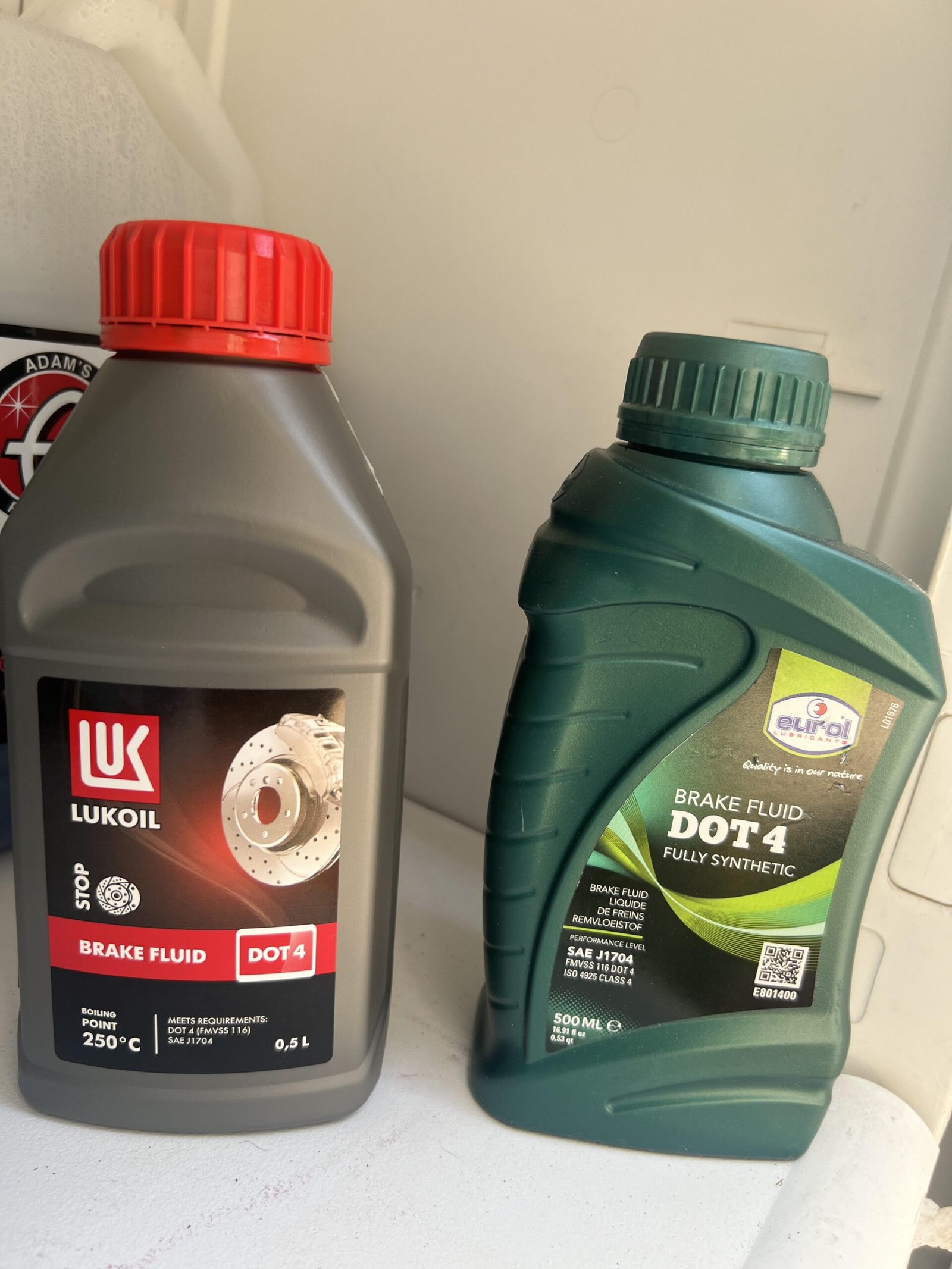
Credit: www.reddit.com
Comparing Brake Fluid Brands And Types
Choosing the right brake fluid is not just about the DOT rating. Brand differences matter too. Here is a comparison of three popular DOT 4 brake fluids:
| Brand | Wet Boiling Point (°C) | Additives | Compatibility |
|---|---|---|---|
| Castrol DOT 4 | 155 | Anti-corrosion, Moisture Control | Most European Cars |
| Prestone DOT 4 | 165 | Seal Conditioner, Antioxidant | US & Japanese Cars |
| ATE SL.6 DOT 4 | 175 | Low Viscosity, Advanced Lubricants | ABS/ESP Systems |
Even within the same DOT rating, you can see differences in boiling points and additives. Mixing these can dilute their benefits or introduce new risks.
Myths About Mixing Brake Fluids
Many drivers believe some common myths:
- “All DOT 4 fluids are the same.” In reality, formulas and additives can be very different.
- “Mixing small amounts is safe.” Even small changes can affect performance, especially in high-heat or high-speed driving.
- “As long as the fluid is clean, it’s fine.” Some reactions are invisible but still dangerous.
Don’t trust these myths with your safety.
Credit: fubex.net
What Happens Inside Your Braking System
When you mix brands, the results are often hidden. Here’s what can happen over time:
| Time After Mixing | Possible Effects | Warning Signs |
|---|---|---|
| First few weeks | Chemical reaction, loss of additive protection | None or slight pedal softness |
| 1-3 months | Corrosion, sludge formation starts | ABS warning light, pedal feels “spongy” |
| 3-6 months | Seal damage, fluid leaks, brake fade | Fluid level drops, brakes lose power |
Many of these effects are slow and silent. By the time you notice a problem, expensive damage may have already occurred.
How To Avoid Problems
Mixing brake fluid brands is never recommended. Here’s how to avoid trouble:
- Stick to One Brand: Choose a high-quality brand that matches your car’s requirements and always use it.
- Check Owner’s Manual: Use only the type and specification recommended by your car maker.
- Flush, Don’t Top Up: If you must switch brands, do a full system flush first. Never just top up.
- Keep Records: Write down which fluid you use and keep receipts for future maintenance.
- Buy from Trusted Sources: Fake or old brake fluid can add extra risks. Only buy from reputable stores or mechanics.
Cost Of Repair Vs. Cost Of Prevention
Trying to save a few dollars by using up leftover fluid or buying a cheaper brand can lead to much higher costs later. Repairing a corroded ABS pump or replacing brake lines can cost anywhere from $500 to $2000. In comparison, a bottle of high-quality brake fluid costs $10 to $30.
Prevention is always the smarter, cheaper option.
Two Insights Most Drivers Miss
- Additives Matter More Than You Think: Most problems from mixing brands come from additive packages, not just the main fluid itself. Even if the color and DOT number match, the hidden chemistry can differ wildly.
- Brake Systems Are Sensitive: Modern cars, especially those with ABS or stability control, have tiny valves and passages. Even a small amount of sludge or corrosion can block these, causing unpredictable failures that are hard to diagnose.
Credit: fubex.net
What Experts And Manufacturers Say
Brake system manufacturers and car makers strongly warn against mixing brands. For example, Bosch and ATE both state that only fluids meeting their specific standards should be used, and mixing can void warranties. Some car handbooks even specify a single approved brand.
For more details on brake fluid standards and compatibility, you can visit the Wikipedia page on brake fluid.
Frequently Asked Questions
Why Is Mixing Brake Fluid Brands Dangerous?
Mixing brands can cause chemical reactions that reduce the fluid’s protection, create sludge, and lower the boiling point. This can lead to brake failure, leaks, or costly damage inside the system.
Can I Mix Dot 3 And Dot 4 Fluids From Different Brands?
It’s not recommended. While DOT 3 and DOT 4 are both glycol-based, their additives and boiling points can differ by brand. Mixing can reduce performance and safety.
How Do I Know If My Brake Fluid Has Been Mixed?
There are usually no visible signs at first. Over time, you may notice a spongy pedal, warning lights, or leaks. The only way to be sure is to flush the system and refill with a single brand.
What Should I Do If I Accidentally Mixed Brake Fluids?
Have a mechanic flush your brake system as soon as possible. This will remove the mixed fluid and prevent possible damage or brake failure.
Is It Safe To Use Leftover Brake Fluid From An Old Bottle?
No. Old brake fluid can absorb moisture and lose effectiveness. Always use fresh fluid from a sealed bottle and stick to one brand for your car.
Mixing different brands of brake fluid may seem like a small shortcut, but the risks are serious. By staying informed and using only one brand, you protect your brakes, your wallet, and—most importantly—your safety on the road.