
When you change a tire or rotate your wheels, tightening the lug nuts is something you might do without much thought. But did you know that over tightening lug nuts can actually cause serious problems for your car? Many people believe that tighter is better, but this isn’t true when it comes to securing your wheels. In fact, using too much force can lead to expensive damage, safety risks, and headaches down the road. Understanding why over tightening is dangerous and how to avoid it can save you from unexpected trouble.
What Are Lug Nuts And Why Are They Important?
Lug nuts are the small, but crucial, fasteners that hold your car’s wheels onto the wheel hubs. Without them, your wheels would not stay connected to the car. Every car, truck, or SUV with regular wheels relies on lug nuts for safe operation.
Lug nuts must be tightened to a specific torque. Torque is the force used to turn and secure the nut. If the lug nuts are too loose, the wheel can wobble or even come off. If they are too tight, you risk damaging important parts of your vehicle.
Most manufacturers specify the correct torque for each vehicle. This information is usually found in the owner’s manual. Using a torque wrench ensures that the nuts are tightened just right—not too loose, not too tight.
How Over Tightening Happens
Over tightening usually happens when using power tools, like an impact wrench, or simply when applying too much force by hand. Many people think that extra tightness means extra safety, but this is a common mistake.
Some mechanics or car owners do not use a torque wrench. Instead, they guess or use tools that deliver more force than needed. Sometimes, people want to make sure the wheel never comes off, so they overtighten “just to be safe.
” In reality, this can be more dangerous than leaving the nuts a little loose.
Dangers Of Over Tightening Lug Nuts
Over tightening lug nuts might seem harmless, but the risks are real and can be costly. Here are the main dangers:
1. Damaged Wheel Studs
Wheel studs are the threaded bolts that the lug nuts screw onto. When you use too much force, you can stretch or strip the threads. This makes the studs weak, and they might break while you drive. Replacing wheel studs is not always cheap or easy.
For example, a single broken stud can cost $50–$100 to replace at a shop, depending on your vehicle model. If several break, repairs can run much higher.
2. Warped Brake Rotors
Brake rotors are the flat discs that your brake pads press against to stop your car. If lug nuts are over tightened, they can cause uneven pressure on the rotors. This leads to warping, which means the rotors are no longer flat.
Warped rotors create vibrations and reduce braking power. You may feel your steering wheel shake when braking. Fixing warped rotors usually means replacing or resurfacing them, which can cost $200 or more.
3. Cracked Or Damaged Wheels
Modern wheels, especially alloy or aluminum ones, are strong but not designed for excessive force. Over tightening lug nuts can crack the wheel around the lug holes. Cracked wheels are unsafe and must be replaced. Even small cracks can quickly grow, leading to sudden wheel failure.
4. Stuck Or Seized Lug Nuts
When lug nuts are too tight, removing them later can be very difficult. You may need special tools or a mechanic’s help to loosen them. In some cases, you might strip the lug nut or break the stud trying to get it off.
This is a major problem if you get a flat tire on the road and cannot remove the wheel.
5. Damage To Brake Drums
Some vehicles, especially older models, use brake drums instead of rotors. Over tightening can warp these drums, causing uneven braking and noisy operation. Warped drums can be expensive to repair and make your car less safe.
6. Uneven Clamping Force
Wheels need even pressure from all the lug nuts. Over tightening one or more nuts can cause uneven force, leading to misalignment. This makes your car handle poorly, increases tire wear, and can affect fuel efficiency.
7. Wheel Hub And Bearing Damage
The wheel hub and bearings allow the wheel to spin smoothly. Too much force on the lug nuts can put extra pressure on these parts. Over time, this causes premature wear and can lead to failure. Hub or bearing replacement can cost several hundred dollars per wheel.
8. Increased Risk Of Wheel Failure
If the wheel or studs are damaged from over tightening, the risk of total wheel separation increases. This is a dangerous situation, especially at highway speeds, and can cause serious accidents.
9. Voided Warranties
Many new cars come with warranties on the wheels, brakes, and suspension. Over tightening lug nuts is considered improper maintenance. If damage occurs, the manufacturer may refuse to pay for repairs, leaving you with the bill.
10. More Frequent Maintenance Needed
Damage caused by over tightening often goes unnoticed until bigger problems appear. You may need to replace parts more often, leading to higher maintenance costs over time.
Real-world Examples
Consider this: A study by a major tire manufacturer found that up to 30% of wheel-related breakdowns were linked to improper lug nut torque. In another case, a driver in the US experienced a wheel coming off on the highway due to broken studs, traced back to over tightened lug nuts during a tire rotation.
These stories are not rare. Many mechanics report seeing cracked wheels, seized nuts, and ruined rotors from this common mistake.
How Tight Should Lug Nuts Be?
Every vehicle has a recommended torque setting for its lug nuts. This setting is measured in foot-pounds (ft-lbs) or Newton-meters (Nm). The range usually falls between 70 ft-lbs and 100 ft-lbs for most passenger cars, but trucks and SUVs can require 120 ft-lbs or more.
Here’s a sample comparison of torque requirements for different vehicle types:
| Vehicle Type | Typical Torque (ft-lbs) |
|---|---|
| Small Car | 70–80 |
| Midsize Sedan | 80–100 |
| Pickup Truck/SUV | 100–140 |
| Heavy Duty Truck | 140–200+ |
Always check your owner’s manual or a trusted source for the correct specification.
Tools That Help Prevent Over Tightening
The right tool makes all the difference. Here are the most useful options:
- Torque Wrench – This tool lets you set the exact torque needed. It “clicks” when you reach the correct force.
- Torque Sticks – These are attachments for impact wrenches. They flex at a certain torque, preventing over tightening.
- Hand Tools – Using a regular socket wrench by hand reduces the risk, but always finish with a torque wrench for accuracy.
Here is a quick comparison of common tools:
| Tool Type | Accuracy | Risk of Over Tightening |
|---|---|---|
| Torque Wrench | High | Low |
| Impact Wrench | Low | High |
| Torque Stick | Medium | Medium |
| Hand Socket Wrench | Medium | Medium |
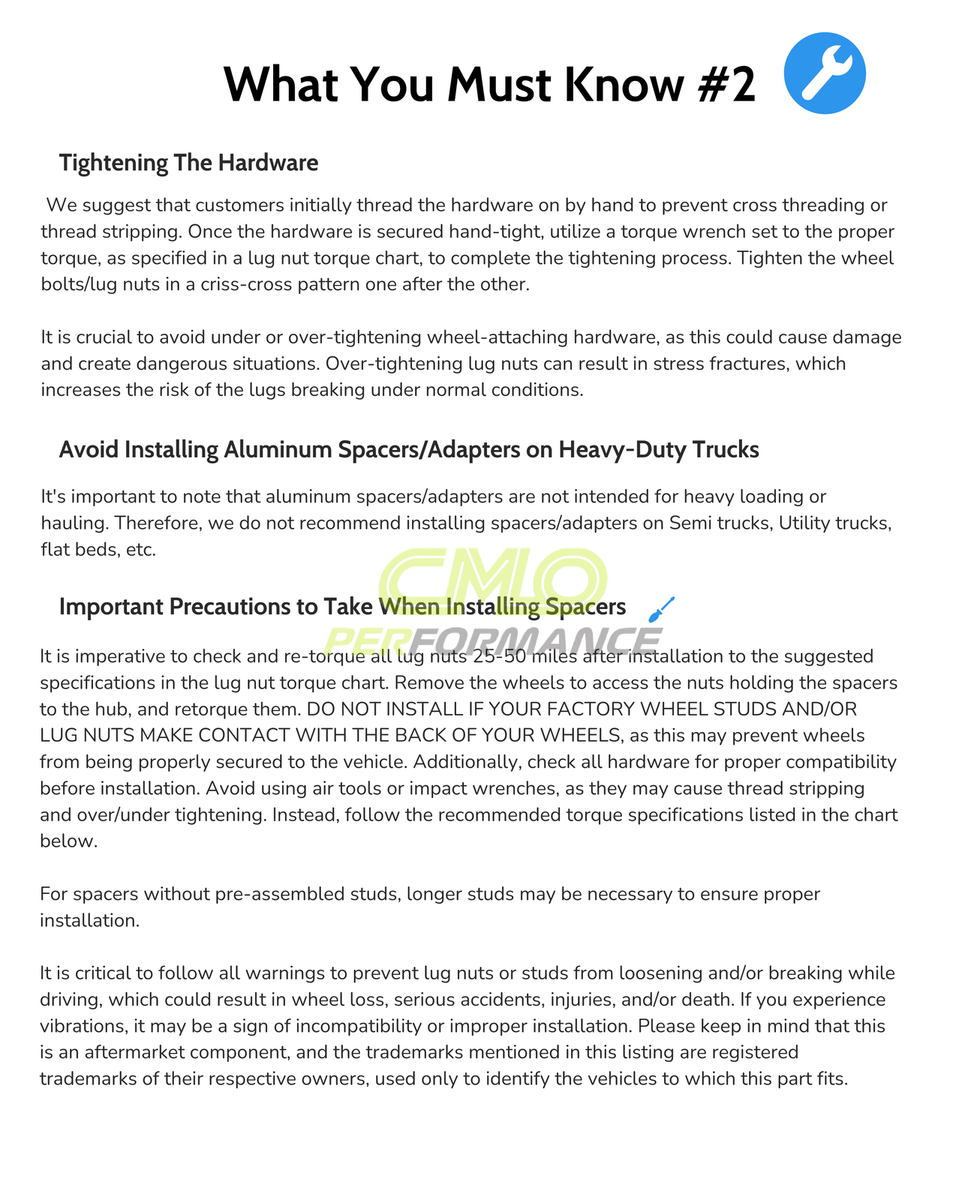
Credit: crisptours.com
Signs That Lug Nuts Have Been Over Tightened
Sometimes, you can spot the signs before bigger problems develop:
- Cracked or warped wheels near the lug holes
- Difficulty removing lug nuts, even with proper tools
- Stripped threads on studs or nuts
- Squealing or vibration when braking (possible warped rotors)
- Noise from the wheels, especially after recent service
If you notice any of these, have your wheels checked by a professional.
How To Tighten Lug Nuts Properly
Proper tightening is not just about force, but also about the method. Here’s how to do it the right way:
- Clean the threads on studs and nuts. Remove any dirt or rust.
- Hand-tighten the lug nuts first, using your fingers.
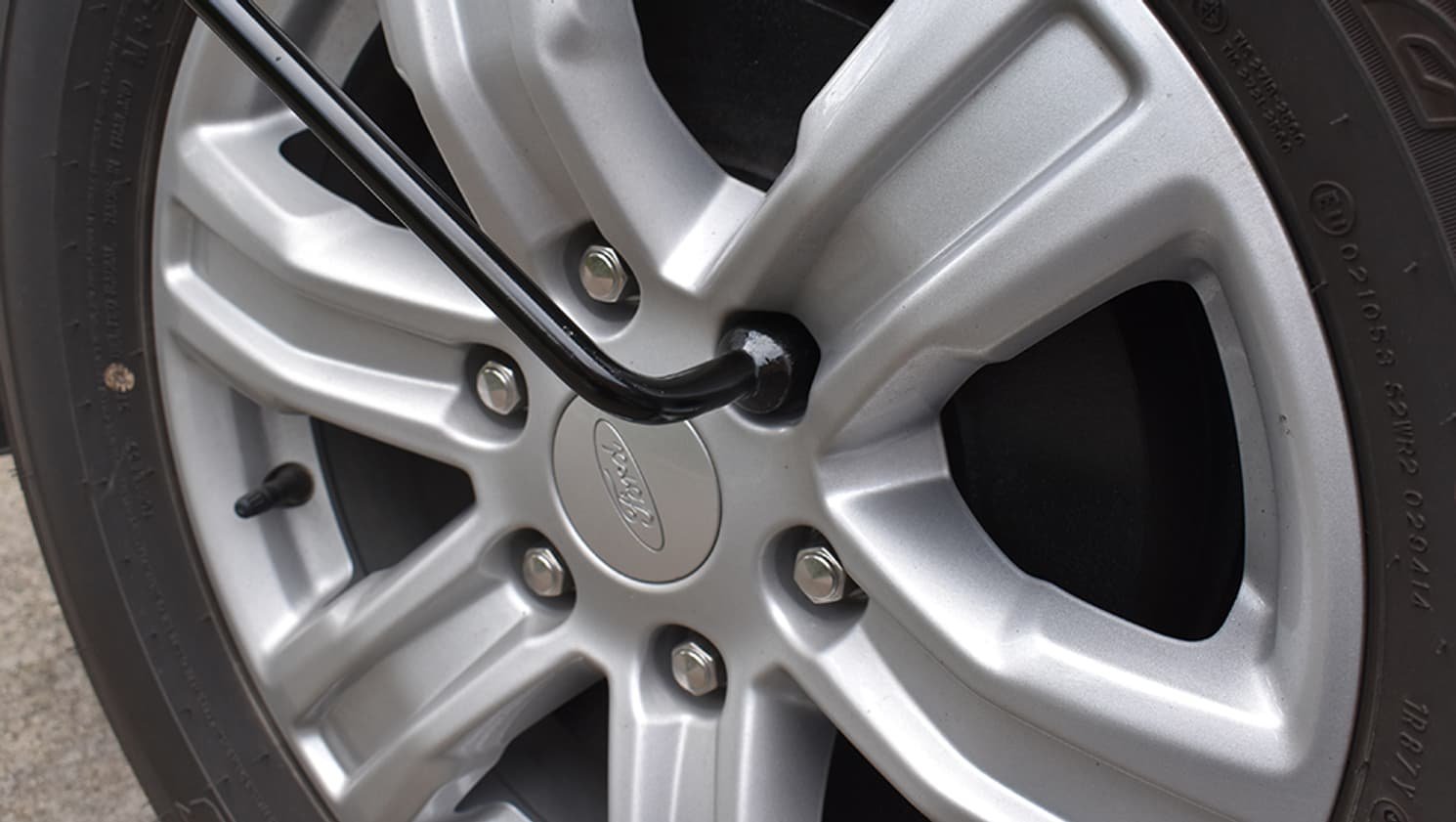
- Use a star pattern. Tighten nuts in a criss-cross sequence, not in a circle. This ensures even pressure.
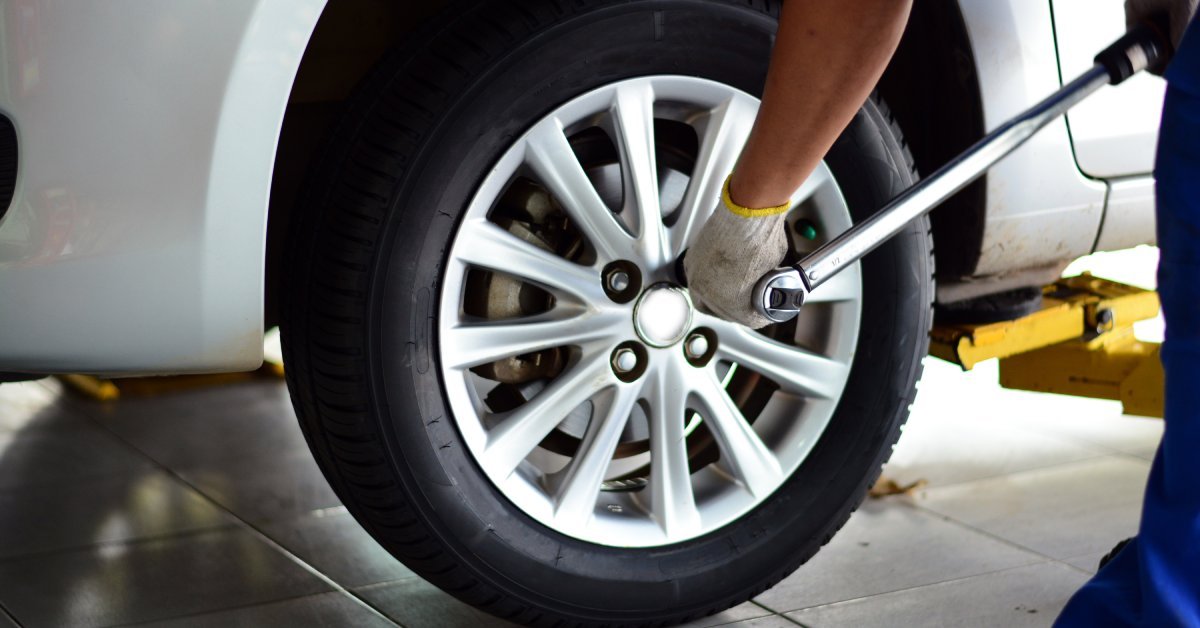
- Use a torque wrench to finish. Set it to the manufacturer’s recommended torque.
- Double-check the torque after driving 50–100 miles, especially after mounting new wheels.
Here’s a quick step-by-step for tightening in the star pattern (for a 5-lug wheel):
- Tighten nut 1, then move to nut 3 (across the wheel)
- Next, go to nut 5, then nut 2, then nut 4
- Check all nuts again with the torque wrench
Credit: www.carsguide.com.au
Common Myths About Lug Nuts
Many car owners believe myths that can lead to mistakes:
- Myth: “Tighter is always safer.”
Fact: Over tightening is just as dangerous as under tightening.
- Myth: “You don’t need a torque wrench.”
Fact: Guesswork leads to uneven torque and problems.
- Myth: “Mechanics always do it right.”
Fact: Even professionals sometimes rush and use power tools incorrectly.
Don’t rely on these myths—follow the proper steps every time.
Hidden Costs And Risks Of Over Tightening
It’s not just about the wheel or the nuts. Over tightening can cause a chain reaction of problems:
- Higher repair bills from damaged rotors, wheels, or hubs
- Downtime if your car is stuck at the shop
- Safety risks—a sudden wheel failure can cause injury or worse
- Lost resale value if the car has hidden damage
These costs often show up months after the over tightening happened, making it harder to connect the cause and effect.
Preventing Over Tightening In Everyday Life
To avoid all these problems, build good habits:
- Always ask your mechanic to use a torque wrench
- Double-check the work if you’re unsure
- Never use an impact wrench for final tightening
- Teach family or friends who change tires about the risks
If you buy new wheels or tires, remind the installer to check the torque. It’s a small step that prevents big problems.
Why Proper Tightening Improves Safety
Proper lug nut torque does more than prevent damage. It also:
- Protects your brakes from warping or uneven wear
- Keeps your wheels attached securely, even at high speeds
- Improves tire life by keeping pressure even
- Makes roadside repairs easier since nuts can be removed if needed
For more technical information on wheel torque and safety, you can visit the Wikipedia Lug Nut page.
Credit: rnrtires.com
Frequently Asked Questions
What Happens If I Drive With Over Tightened Lug Nuts?
Over tightened lug nuts can cause wheel studs to break, wheels to crack, or brake rotors to warp. This may lead to dangerous driving conditions and expensive repairs.
Can I Loosen Over Tightened Lug Nuts Myself?
Sometimes, but if they’re extremely tight, you risk breaking the stud or stripping the nut. It’s safer to have a mechanic handle it, especially if you hear creaking or see damage.
How Do I Know The Correct Torque For My Car’s Lug Nuts?
Check your vehicle’s owner’s manual or look for a sticker inside the driver’s door. You can also find this information online from trusted sources.
Is It Safe To Use An Impact Wrench To Tighten Lug Nuts?
Impact wrenches are useful for removing lug nuts, not for final tightening. They can easily over tighten and damage components. Always use a torque wrench for the last step.
Do All Cars Have The Same Lug Nut Torque Specification?
No. Torque specifications vary depending on the vehicle’s make, model, and wheel type. Always use the correct setting for your specific vehicle.
Making sure your lug nuts are tightened to the proper specification is a small, but critical, step in keeping your car safe and reliable. Avoid the urge to overtighten, and you’ll save money, prevent damage, and drive with confidence.