
Many car owners know the importance of changing engine oil, but not everyone realizes that overfilling engine oil can be just as dangerous as running low. Adding too much oil may seem harmless, especially if you want to “top off” or think more oil means better protection. In reality, it can lead to serious and costly engine problems. Understanding the dangers of overfilling engine oil is essential for anyone who cares about their car’s health and long-term performance.
Why Engine Oil Level Matters
Engine oil has a simple but vital job: it lubricates the moving parts inside your engine, reduces friction, and carries away heat and dirt. For oil to do this well, the right amount is needed. Too little oil leads to metal parts grinding together, while too much oil creates its own set of problems. Car manufacturers design engines to work best within a narrow oil level range. The dipstick, usually marked with “MIN” and “MAX,” shows this ideal zone.
Many people overlook how precise this balance must be. Even being slightly above the maximum mark can begin to cause trouble over time. That’s why checking and maintaining the correct oil level is not just a technical detail—it’s a basic part of engine care.
What Happens When You Overfill Engine Oil
Adding too much oil to your car’s engine can cause several problems, some of which may not be obvious at first. Here is what happens inside the engine if you overfill:
- Increased Pressure: Too much oil in the oil pan causes the crankshaft to dip into the oil as it spins. This creates air bubbles (oil aeration) and raises pressure inside the engine.
- Foaming: Aerated oil turns foamy, which cannot lubricate or cool the engine properly.
- Oil Seal Damage: Excess pressure can force oil past seals and gaskets, leading to leaks.
- Catalytic Converter Risk: Oil may reach the exhaust system, damaging the catalytic converter.
- Reduced Performance: The engine has to work harder, which can decrease power and efficiency.
The effects can range from minor leaks to complete engine failure, depending on how much oil is overfilled and how long the car is driven in this condition.
Main Dangers Of Overfilling Engine Oil
Let’s look deeper into the key dangers and their real-world impact.
1. Oil Aeration And Foaming
When the oil level is too high, the crankshaft spins through the oil. This churns the oil and mixes it with air, creating foam. Foamy oil loses its ability to lubricate. Think of trying to run a machine with soapy water instead of proper oil—it won’t protect metal surfaces. Lack of proper lubrication quickly leads to increased engine wear, overheating, and even total engine seizure if ignored.
2. Oil Leaks And Gasket Failure
With excess oil, the pressure inside the engine increases. Oil is then pushed past gaskets and seals that are not designed to handle it. The result is leaking oil—sometimes visibly dripping from the engine or burning off on hot parts, creating smoke and a strong smell. Over time, damaged gaskets can mean expensive repairs. For example, replacing a blown head gasket often costs over $1,000.
3. Catalytic Converter Damage
Oil entering the exhaust system is dangerous. The catalytic converter is a key part that reduces pollution. If oil gets into this part, it burns and forms deposits that clog or ruin the converter. A clogged catalytic converter leads to poor engine performance, higher emissions, and expensive replacement costs (often $500-$2,500).
4. Spark Plug Fouling
When oil leaks into the combustion chamber, it can coat the spark plugs. This coating prevents the plugs from firing properly, leading to rough engine operation, misfires, and poor fuel economy. In some cases, the car may not start at all. Spark plug fouling is a common sign of both oil overfilling and other oil control issues.
5. Engine Sludge Build-up
Excess oil can break down more quickly, especially if it is aerated. Broken-down oil forms engine sludge, a thick, sticky mess that blocks oil passages. Sludge restricts oil flow, causes overheating, and eventually leads to engine failure. Cleaning out engine sludge is time-consuming and expensive.
6. Increased Emissions
Engines running with too much oil often burn some of it. This leads to blue smoke from the exhaust and higher emissions of harmful gases. Not only is this bad for the environment, but it can also cause your car to fail emissions tests.
7. Decreased Engine Performance
Too much oil can make the engine work harder, especially at higher speeds. The crankshaft struggles through the extra oil, leading to sluggish acceleration and lower fuel efficiency. Drivers sometimes notice the car feels “heavy” or slow to respond after an oil overfill.
8. Expensive Repairs
Overfilling might seem like a small mistake, but the repair costs can be huge. Fixing damaged seals, cleaning or replacing the catalytic converter, or repairing a worn engine can quickly add up to thousands of dollars. Many of these problems are not covered by warranty if caused by owner error.
How Much Is Too Much? Understanding Safe Oil Levels
It is easy to think that a little extra oil won’t hurt. However, most cars have a small safety margin—often just a few hundred milliliters (ml) over the “MAX” mark on the dipstick. Here’s a quick comparison of typical oil overfill scenarios and risks:
| Amount Overfilled | Risk Level | Possible Effects |
|---|---|---|
| Less than 200 ml (1/4 quart) | Low | Usually safe, but check regularly |
| 200–500 ml (1/4–1/2 quart) | Moderate | Increased risk of foaming and leaks |
| More than 500 ml (1/2 quart+) | High | Serious risk of engine damage, leaks, and poor performance |
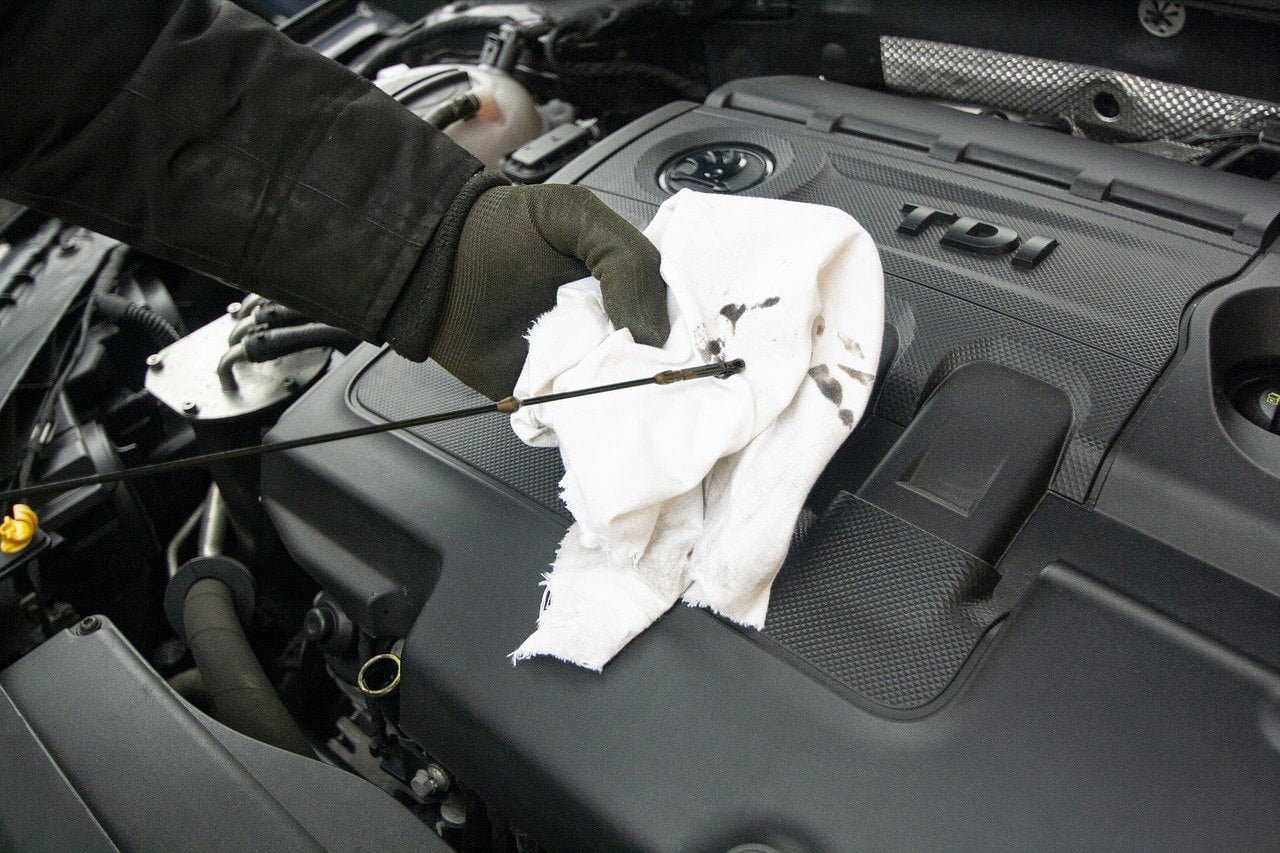
It’s important to always use the dipstick, not just guess or “eyeball” the oil level. Different engines have different oil capacities, so always check your owner’s manual for the exact amount.
Credit: www.jdpower.com
Real-world Examples And Data
Many car owners and mechanics have faced problems caused by overfilling. For instance, a study by the Automotive Maintenance and Repair Association showed that oil-related issues are among the top five causes of engine failure. About 20% of those were due to improper oil changes, including overfilling.
A real-world example: A Honda Civic owner added nearly 1 liter extra oil after an oil change. Within days, the car began to smoke and lose power. Inspection showed that the catalytic converter was clogged, leading to a repair bill over $1,500.
Another case: A fleet of commercial vans had routine oil changes, but a new technician consistently overfilled by 300 ml per vehicle. Within six months, four vans developed oil leaks, and two needed gasket replacements—costing the company over $4,000.
How To Prevent Overfilling Engine Oil
Avoiding overfilling is simple with the right habits:
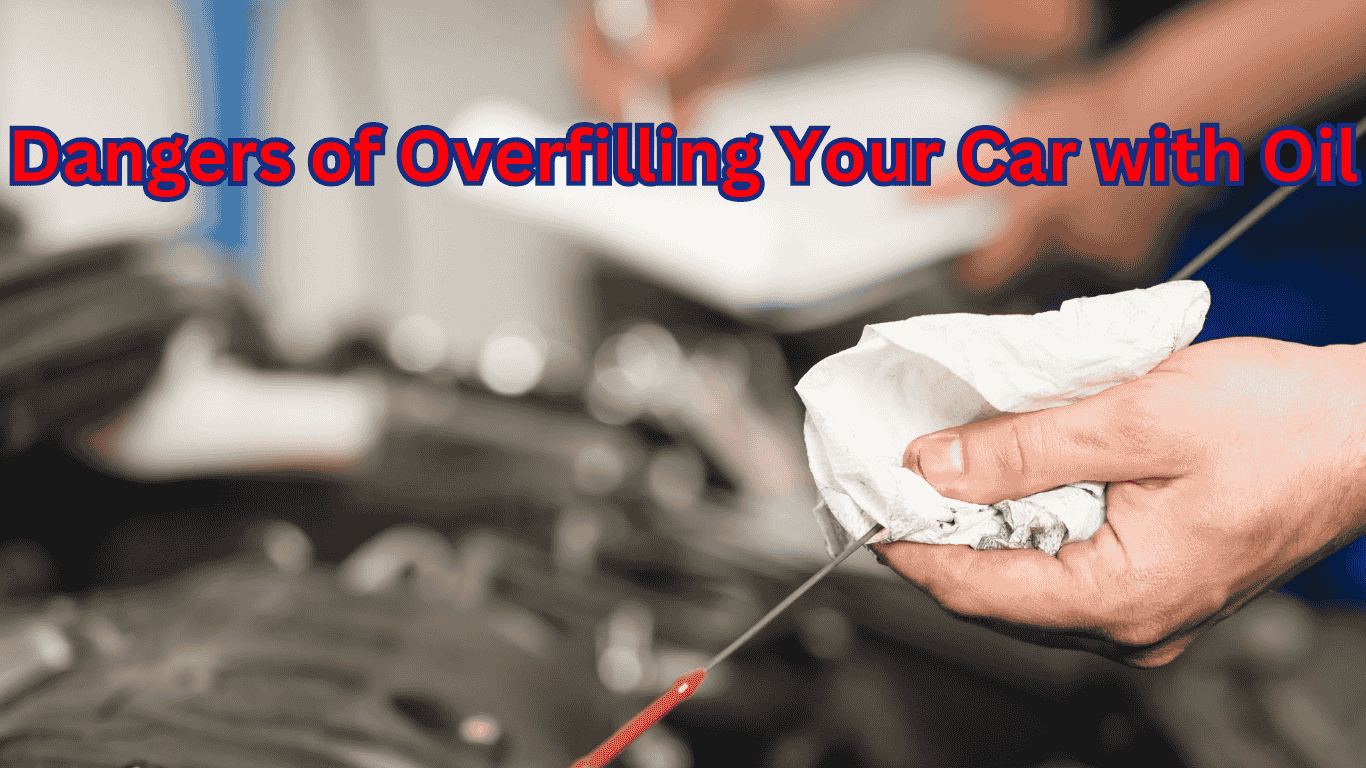
- Check the dipstick: Always measure oil before and after adding. Wipe it clean, dip it fully, and check the level.
- Add oil slowly: Pour a little at a time, then wait and re-check. Oil takes time to settle.
- Know your capacity: Find your car’s oil capacity in the owner’s manual or online.
- Use proper equipment: Use a funnel to avoid spills and accidental overfilling.
- Be cautious after oil changes: If you use a shop, check the oil yourself. Mistakes can happen, even with professionals.
Here’s a quick look at how different methods compare for checking oil level:
| Method | Accuracy | Ease of Use | Best For |
|---|---|---|---|
| Dipstick | High | Easy | Most vehicles |
| Electronic sensor (dashboard) | Medium-High | Very easy | Modern vehicles |
| Visual inspection (looking in filler cap) | Low | Easy | Quick checks (not recommended) |
What To Do If You Overfill
If you realize you have added too much oil, act quickly:
- Do not start the engine.
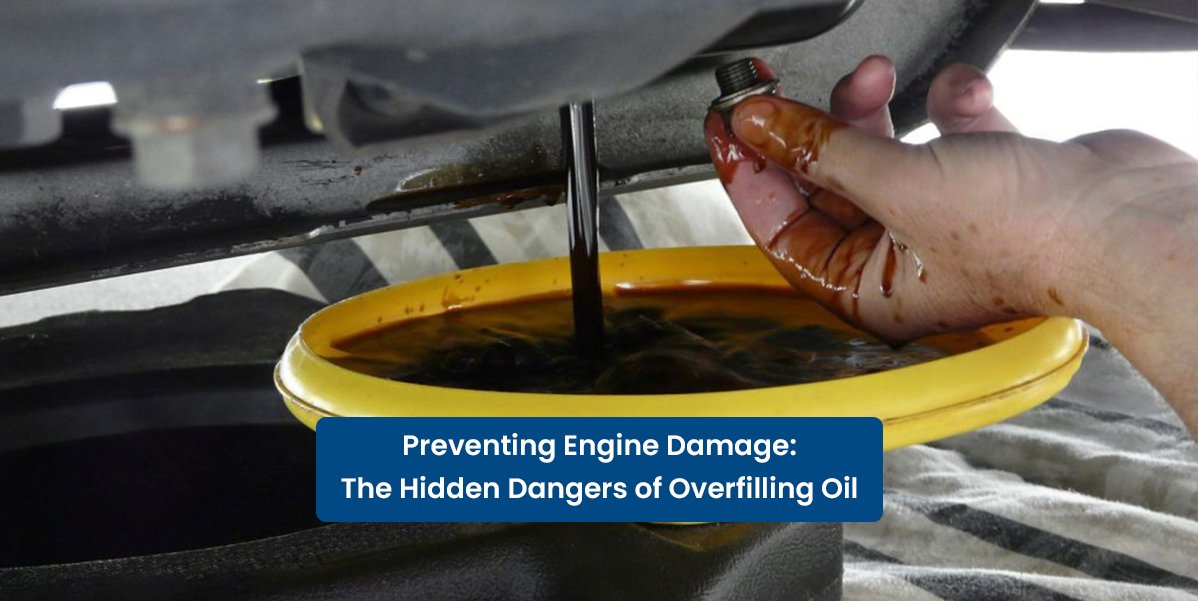
- Remove extra oil using an oil extractor pump or drain some from the oil pan.
- If you have already driven, watch for warning signs: Smoke, odd smells, leaks, or rough running.
- In serious cases, have a mechanic check for internal damage.
Never ignore overfilling, even if the car seems fine at first. Some problems develop slowly and appear only after weeks or months of driving.
Two Insights Most Beginners Miss
- Oil level can rise on its own. If your engine has a problem (like a coolant leak or fuel mixing with oil), the oil level can go up without you adding more. So, a high dipstick reading doesn’t always mean you overfilled—sometimes, it signals a bigger problem.
- Cold vs. hot checks matter. Oil expands slightly when hot. Always check oil after the engine is off and has cooled for a few minutes. Checking while hot can give a false “overfilled” reading, leading to unnecessary draining.
Credit: vyscocity.com
Signs Your Engine Oil Is Overfilled
Some early warning signs include:
- Strong oil smell inside or outside the car
- Smoke (blue or white) from the exhaust
- Leaks under the car or oil on the engine block
- Poor acceleration or rough idle
- Warning lights on the dashboard
If you notice any of these, check your oil level immediately.
The Difference Between Overfilling And Topping Up
Topping up is adding a small amount to reach the correct level. Overfilling is going past the “MAX” mark. Always add a little at a time, never in large amounts. It’s safer to run slightly low for a short time than to risk overfilling.
Credit: blog.garslubricants.com
The Cost Of Ignoring Overfilled Oil
Many drivers underestimate the true cost. Here’s a comparison of average repair costs caused by overfilling:
| Problem | Average Cost (USD) | Long-term Impact |
|---|---|---|
| Gasket/Seal Replacement | $300–$1,200 | Leaks, ongoing repairs |
| Catalytic Converter Replacement | $1,000–$2,500 | Failed emissions, performance loss |
| Engine Replacement/Rebuild | $4,000–$10,000 | Total engine failure |
As you can see, a simple mistake can lead to major expenses.
When To Seek Professional Help
If you are unsure about your oil level, or if you suspect you have overfilled, it’s always best to consult a trusted mechanic. They can check for hidden issues like internal leaks or early signs of damage.
Frequently Asked Questions
What Are The Most Common Symptoms Of Overfilled Engine Oil?
The most common symptoms are oil leaks, smoke from the exhaust, a strong oil smell, rough engine running, and warning lights on the dashboard. Sometimes, you may also notice poor acceleration or blue/white smoke.
Can Overfilling Engine Oil Cause Permanent Engine Damage?
Yes, if not corrected quickly, overfilled oil can cause lasting damage to seals, gaskets, the catalytic converter, and even the engine itself. Long-term driving with excess oil can lead to total engine failure.
How Much Oil Over The Maximum Is Dangerous?
Even 200–500 ml (1/4–1/2 quart) over the “MAX” mark can be risky. More than this, especially if you drive the car, greatly increases the chance of damage. Always keep the oil level within the safe range.
Should I Drive My Car If I Think It’s Overfilled With Oil?
No. If you suspect overfilling, do not drive. Remove the extra oil before starting the engine. If you already drove, watch for warning signs and have your car checked by a mechanic.
Where Can I Learn More About Proper Engine Oil Maintenance?
For more detailed information, visit trusted automotive resources such as the National Highway Traffic Safety Administration.
Taking care of your engine oil is a small task with a big impact. Avoiding overfilling is easy—and it can save you from expensive repairs and keep your car running smoothly for years to come. Always check your oil, add carefully, and never ignore the warning signs.
Your engine—and your wallet—will thank you.