
Every time you step on your car’s brake pedal, you trust that it will slow you down or stop you safely. But what if a small mistake—using the wrong brake fluid—could turn this simple action into a serious risk? Brake fluid seems like a basic part of car maintenance, but choosing the wrong type can damage your vehicle and even put your life in danger.
This guide explains why using the correct brake fluid type matters, what can go wrong if you make a mistake, and how you can avoid costly or dangerous errors.
What Is Brake Fluid And Why Does It Matter?
Brake fluid is a hydraulic fluid. It transfers the force from your foot pressing the brake pedal to the brakes themselves. This fluid must work under high temperatures and pressure without failing. There are several types, such as DOT 3, DOT 4, DOT 5, and DOT 5.1. Each has different chemical properties, boiling points, and compatibility with certain braking systems.
For example, most passenger cars use DOT 3 or DOT 4, while some high-performance or specialty vehicles require DOT 5 or DOT 5.1. The owner’s manual or the label on your brake fluid reservoir will state the correct type. Using a different type—even one that seems “close enough”—can cause real problems.
Types Of Brake Fluid And Their Key Differences
Let’s look at the common types of brake fluid and how they differ.
| Type | Chemical Base | Dry Boiling Point (°C) | Wet Boiling Point (°C) | Common Use |
|---|---|---|---|---|
| DOT 3 | Glycol Ether | 205 | 140 | Standard cars |
| DOT 4 | Glycol Ether/Borate Ester | 230 | 155 | Modern cars, performance vehicles |
| DOT 5 | Silicone | 260 | 180 | Classic cars, military vehicles |
| DOT 5.1 | Glycol Ether/Borate Ester | 260 | 180 | ABS, high-performance cars |
Dry boiling point is the temperature at which new, unused brake fluid will boil. Wet boiling point is the boiling point after the fluid has absorbed some moisture from the air (which always happens over time). The higher the boiling point, the better the fluid can handle heat without turning into vapor.
Why Using The Wrong Brake Fluid Is Dangerous
Using the incorrect brake fluid does more than just reduce performance. It can create dangerous situations and costly damage. Here’s how:
1. Chemical Incompatibility
Each brake fluid type has a different chemical makeup. For example, DOT 3, DOT 4, and DOT 5.1 are glycol-based, while DOT 5 is silicone-based. These fluids do not mix. If you add DOT 5 to a system meant for DOT 3 or DOT 4, the fluids separate and create sludge or gummy deposits. These block the tiny passages in your braking system, leading to partial or total brake failure.
2. Rubber Seal Damage
Brake systems rely on rubber seals to keep fluid contained and maintain pressure. Some fluids, especially silicone-based ones, can cause swelling, shrinking, or breakdown of seals if the wrong fluid is used. This leads to leaks and a spongy brake pedal, which makes stopping much harder.
3. Corrosion And Rust
Most glycol-based fluids (DOT 3, DOT 4, DOT 5.1) absorb moisture from the air, a property called hygroscopicity. This is normal, but each type is formulated to protect against rust differently. If you use the wrong fluid, you may lose this protection. Corrosion can eat away at the master cylinder, brake lines, and calipers. This weakens the system and can cause sudden failures.
4. Reduced Boiling Point
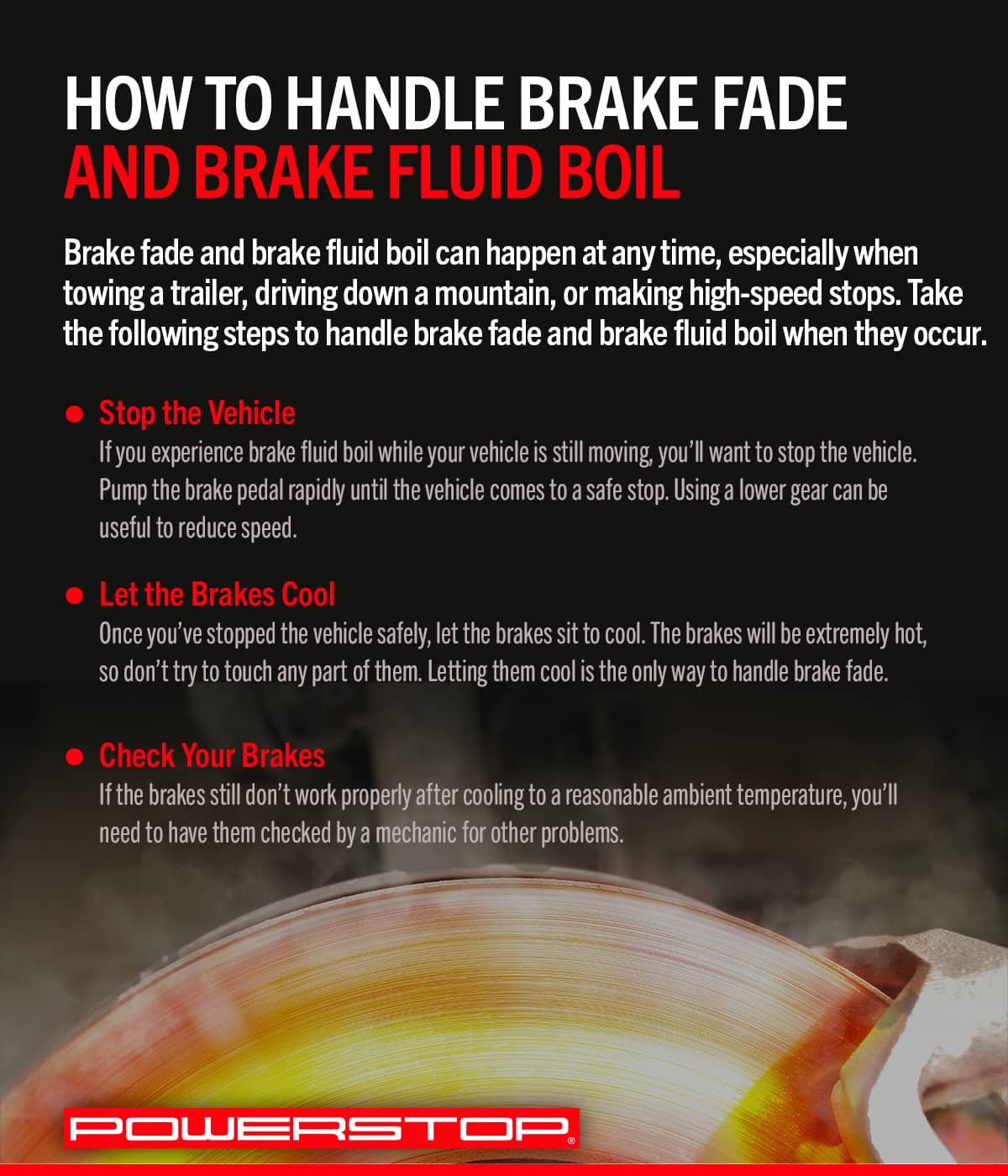
When you mix different brake fluids or use the wrong type, you can lower the boiling point of the fluid. For example, mixing old DOT 3 with DOT 4 might seem safe, but you could end up with a boiling point lower than either fluid alone. If the fluid boils during heavy braking, you get vapor lock—air in the lines that makes the brake pedal go to the floor with little stopping power.
5. Abs And Electronic System Issues
Modern cars often have ABS (anti-lock braking systems) and other electronic aids. These systems require specific fluids, often DOT 4 or DOT 5.1. Using the wrong fluid can damage expensive ABS pumps and valves. Repairs can cost hundreds or even thousands of dollars.
6. Warranty Voids And Legal Risks
Car manufacturers specify a brake fluid type for a reason. Using a non-approved fluid can void your warranty. In some countries, using the wrong fluid can also create legal problems after an accident, especially if poor maintenance is a factor.
Real-world Examples Of Brake Fluid Mistakes
Mistakes happen, but the consequences can be serious. Here are a few scenarios:
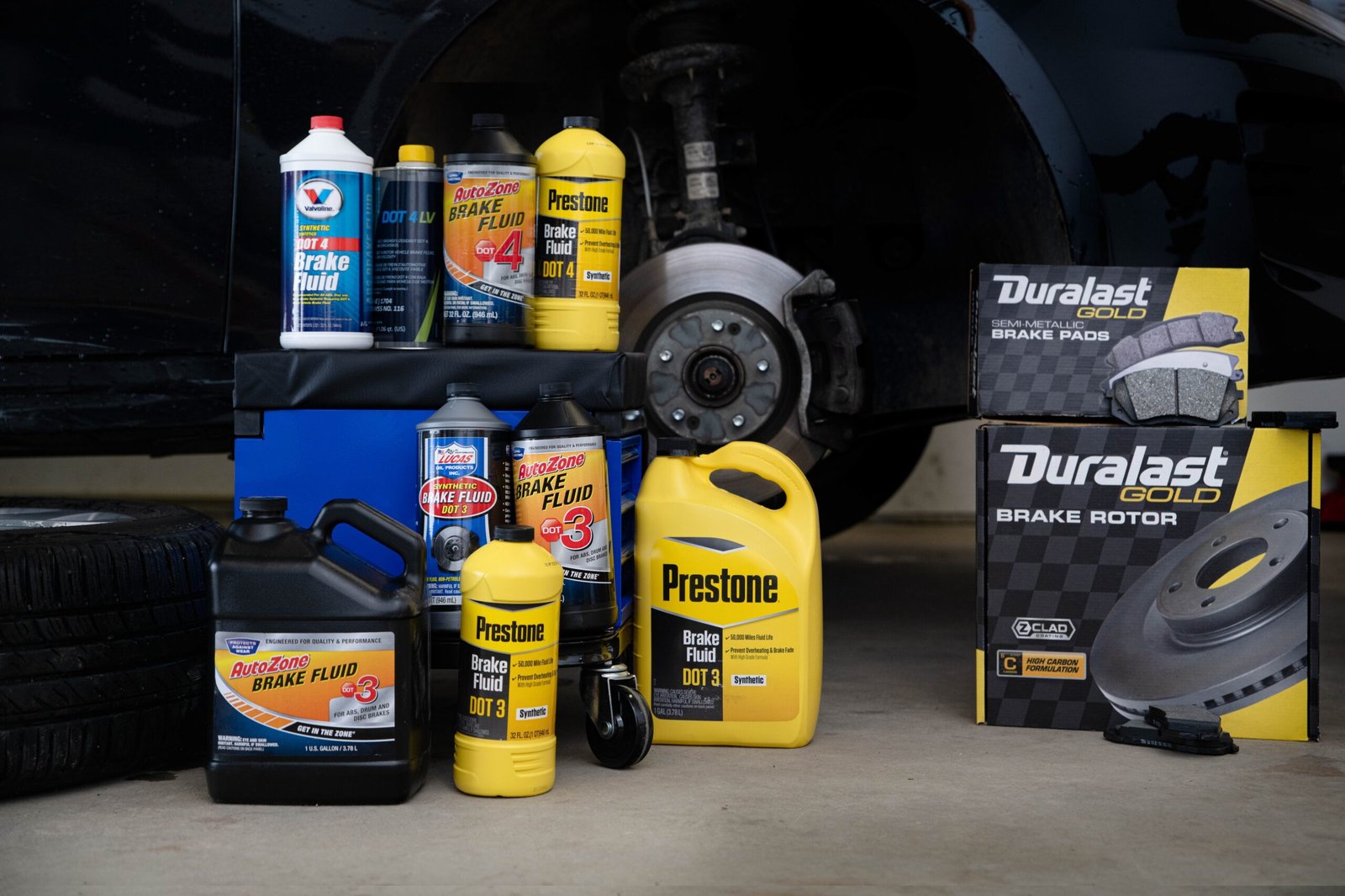
- A classic car owner adds DOT 3 to a system that was switched to DOT 5. The fluids don’t mix, causing sludge and making the brakes fail suddenly on the road.
- A mechanic accidentally uses DOT 5 in a modern ABS-equipped car. The ABS system is damaged, leading to a $1,200 repair bill.
- A driver tops up with DOT 4 in a car designed for DOT 3, thinking “it’s just a higher grade.” The seals swell, and the brake pedal becomes dangerously soft.
In all these cases, the wrong brake fluid led to expensive or dangerous outcomes.
Credit: www.autozone.com
How To Identify The Correct Brake Fluid
You can find the correct brake fluid type for your vehicle in three places:
- Owner’s Manual – The best source. It will list the exact specification (like “DOT 4”).
- Brake Fluid Reservoir Cap – Many cars have the correct type printed right on the cap under the hood.
- Vehicle Manufacturer Website – Official websites often list fluid specifications for your model.
Never guess or assume; different fluids are not “better” or “worse”—they’re just different.
What Happens Inside The Brake System With The Wrong Fluid
When the wrong fluid is added, changes start immediately—even if you don’t notice them at first.
| Brake Fluid Error | Immediate Effect | Long-Term Effect |
|---|---|---|
| Mixing DOT 3 and DOT 5 | Fluid separation, poor braking | System blockage, brake failure |
| Using DOT 4 in DOT 3 system | No change at first | Seal swelling, leaks, spongy pedal |
| Using DOT 3 in DOT 4/5.1 ABS system | Reduced boiling point | ABS malfunction, increased stopping distance |
Most damage is silent at first, but can become severe with time.
Non-obvious Dangers Beginners Miss
Many people focus only on the fluid’s boiling point or its color. But here are two risks beginners often ignore:
- Chemical Residue: Even a small amount of the wrong fluid left in the system can react with the new fluid. Just “flushing” once may not remove all the old fluid, so a professional flush is needed if you switch types.
- Water Absorption Rates: Some fluids (like DOT 5) do not absorb water at all, while others do. If water gets into a silicone-based system, it can collect in low points and cause rust spots inside the brake lines. This can lead to sudden leaks and brake loss.
How To Avoid Brake Fluid Mistakes
To keep your brakes working safely, follow these steps:
- Always check your manual or reservoir cap before buying or adding fluid.
- Do not mix fluids unless the manual says it’s safe (for example, DOT 3 and DOT 4 can sometimes mix, but not with DOT 5).
- Use a clean, sealed container when adding brake fluid. Brake fluid absorbs moisture fast.
- Flush the brake system if you ever discover the wrong fluid was used. This means removing all old fluid and replacing it with the correct type.
- Ask a professional if you are unsure—one mistake can be expensive or dangerous.
Credit: www.powerstop.com
Cost Of Repairs From Wrong Brake Fluid
Using the wrong brake fluid can cause expensive damage. Here’s a rough idea of what repairs could cost in the United States:
- Brake system flush: $100–$150
- Master cylinder replacement: $200–$400
- ABS module replacement: $800–$1,500
- Complete brake system rebuild: $1,000+
These costs are much higher than just buying the right brake fluid, which usually costs under $20.
Signs You May Have The Wrong Brake Fluid
If you notice any of these warning signs after a brake fluid change or top-off, get your brakes checked right away:
- Spongy or soft brake pedal
- Brake warning light on the dashboard
- Leaking fluid under the car (often clear to yellowish)
- Reduced braking power
- Grinding or unusual noises when braking
Never ignore these symptoms, as they could mean your brakes are failing.
Expert Tips For Safe Brake Fluid Use
- Store brake fluid in a tightly sealed bottle to avoid moisture contamination.
- Change brake fluid every 2 years or as recommended, even if you haven’t reached a mileage limit.
- Never use old or opened brake fluid. Once opened, it can absorb moisture quickly, lowering its boiling point.
- Label your brake fluid bottles by type to avoid confusion in your garage.
- If you buy a used car, ask for service records to see what fluid was used in the past.
Frequently Asked Questions
What Happens If I Accidentally Mix Dot 3 And Dot 4 Brake Fluid?
DOT 3 and DOT 4 are both glycol-based and are usually compatible, but the mixture will only perform as well as the weaker fluid. If your car needs DOT 4, using a mix with DOT 3 can lower the boiling point and affect performance.
Can I Use Dot 5 Brake Fluid In Any Car?
No. DOT 5 is silicone-based and not compatible with vehicles designed for glycol-based fluids (DOT 3, DOT 4, DOT 5.1). Using DOT 5 in the wrong system can cause seal damage and brake failure.
How Can I Tell If My Brake Fluid Is Contaminated?
Signs include a spongy brake pedal, discolored fluid, or reduced braking power. You can also have a mechanic test the fluid for water content or contaminants.
Is Brake Fluid Color A Reliable Way To Tell The Type?
No. While DOT 5 is usually purple and DOT 3/DOT 4 are clear to amber, color alone is not reliable. Always check the label and your car’s specifications.
Where Can I Find More Information About Brake Fluid Safety?
You can learn more from resources like the Wikipedia page on brake fluid, which gives detailed explanations of types and safety tips.
Choosing the right brake fluid is a small step that makes a big difference. Don’t take chances—always use the exact type your car requires. This simple habit protects not just your car, but your safety and the safety of everyone on the road.
Credit: streetsurvival.info