
Building a car lift in your home garage might sound like a dream project, but with careful planning and the right tools, it can become a reality. Many car enthusiasts want a lift to make car repairs, detailing, and maintenance easier and safer.
However, this is not a simple DIY job—it involves knowledge, preparation, and attention to safety. This guide will walk you through every step of building a car lift in your garage, from planning and choosing the type of lift, to installation and safety checks.
By the end, you’ll know what it takes to transform your garage into a professional workspace.
Why Build A Car Lift In Your Home Garage?
Car lifts are not just for professional mechanics. Having a car lift at home brings several benefits:
- Easier Maintenance: Tasks like oil changes, brake repairs, and inspections become much more comfortable.
- Space Saving: You can store one car above another, perfect for small garages.
- Safety: Lifting a car is safer than using unstable jacks and stands.
- Long-term Savings: Fewer trips to the mechanic, saving you time and money.
But before you start, there are important things to consider to make sure your car lift is safe, legal, and practical.
Planning Your Home Garage Car Lift
Good planning is the key to a successful installation. Think about these points before you begin:
Assess Your Garage Space
Check your garage’s size and layout. Measure the width, length, and especially the ceiling height. Most lifts need a minimum ceiling of about 10 feet (3 meters) for safe operation. Also, check for obstructions like lights, garage doors, and storage shelves that could get in the way.
Choose The Right Type Of Car Lift
Not all car lifts are the same. The most popular types for home garages are:
- Two-Post Lifts: These are common for repairs and maintenance. They use two upright posts with arms that lift the car by its frame.
- Four-Post Lifts: Ideal for storage as well as repairs. The car sits on ramps, so it’s more stable, and you can park another car underneath.
- Scissor Lifts: Compact and portable, but they provide less undercarriage access and lower lifting height.
- Single-Post Lifts: Take up less space but offer less stability than four-post lifts.
Here’s a quick comparison:
| Lift Type | Best Use | Max Capacity | Space Needed |
|---|---|---|---|
| Two-Post | Repairs | 6,000–10,000 lbs | Medium |
| Four-Post | Storage & Repairs | 8,000–14,000 lbs | Large |
| Scissor | Quick jobs | 6,000–10,000 lbs | Small |
| Single-Post | Light repairs | 6,000–9,000 lbs | Small |
Non-obvious insight: Many beginners forget to measure the garage door open height. Sometimes, the open door blocks the lift from rising fully. Always check this during planning.
Check Your Garage Floor
The garage floor must be strong enough to support the lift and the vehicle. Most lifts need at least a 4-inch thick concrete slab with a compressive strength of 3,000 psi or more. If your floor is thinner, you may need to reinforce it.
Get The Right Permits
Many areas require a building permit for installing a car lift. Check your local building codes and homeowners’ association rules. Not having a permit can lead to fines and forced removal.
Beginner mistake: Some people skip permits, but insurance may not cover accidents if the lift is unpermitted.
Budgeting For The Project
A home garage car lift is an investment. Let’s look at the typical costs:
| Item | Estimated Cost (USD) |
|---|---|
| Car Lift (Two-Post) | $2,000–$3,500 |
| Professional Installation | $800–$2,000 |
| Electrical Upgrades | $200–$500 |
| Permits & Inspections | $100–$500 |
| Reinforcing Floor (if needed) | $1,000–$2,500 |
Some lifts cost more, especially heavy-duty four-post models. Don’t forget to budget for safety accessories, like wheel chocks and safety locks.
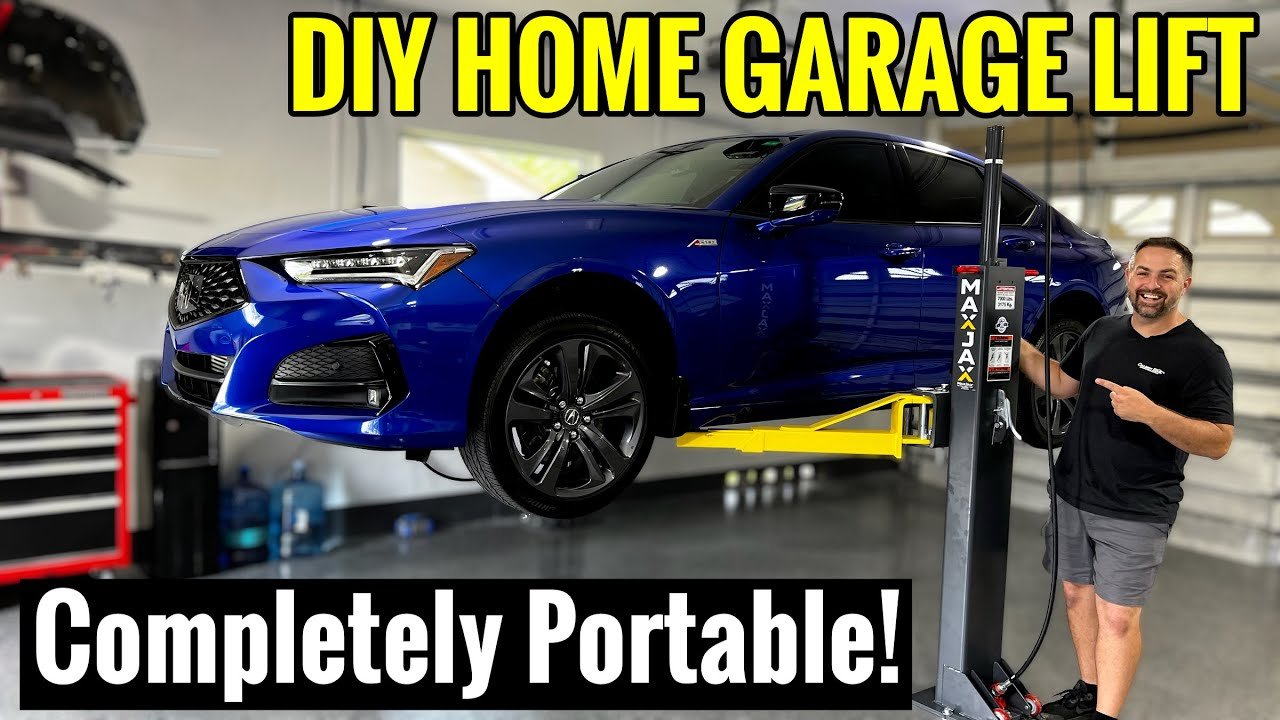
Credit: www.youtube.com
Gathering Tools And Materials
You’ll need some specific tools and materials. Here’s a list for most two-post or four-post lifts:
- Car lift kit (includes lift, arms/ramps, hydraulic pump)
- Concrete anchors and bolts
- Drill with masonry bits
- Wrenches and socket set
- Torque wrench
- Level
- Measuring tape
- Safety glasses and gloves
- Hydraulic oil (for some lifts)
- Electrical wiring (if required by your lift)
- Manual or installation guide
If your garage floor is too thin, you’ll also need concrete mix, rebar, and forms to pour a new slab.
Non-obvious insight: Always have a second person to help. Car lifts are heavy, and many steps require two people for safety.
How To Install A Car Lift In Your Garage
Here’s a step-by-step guide for installing a standard two-post or four-post lift. Always read the manufacturer’s instructions before starting.
1. Prepare The Garage
- Clear the Area: Move cars, tools, and anything else out of the way.
- Mark the Layout: Use chalk or tape to mark where the posts or ramps will go. Double-check measurements for width, length, and height.
- Check the Floor: Make sure the surface is clean and level. If your floor slopes, you may need to level it first.
2. Position The Lift
- Move the Posts or Ramps: With help, stand up the posts or set the ramps in place.
- Align According to Manual: Use the installation guide’s measurements. Small errors here can cause big problems later.
- Level the Lift: Use a long level to make sure everything is straight.
3. Drill And Secure Anchors
- Mark Drill Holes: Mark where each anchor bolt goes.
- Drill Holes: Use a hammer drill with a masonry bit. Holes should be at least 4 inches deep (check your manual).
- Install Anchors: Tap anchors into holes, then bolt down the posts tightly. Use a torque wrench to the manufacturer’s recommended setting.
4. Assemble The Lift
- Connect Crossbars and Arms: Attach all structural parts as described in the instructions.
- Install Hydraulic System: Mount the hydraulic pump and connect hoses.
- Fill with Hydraulic Oil: Only use the type recommended by the manufacturer.
- Bleed the System: Remove air from the lines by running the lift up and down several times with no load.
5. Electrical Setup
Most lifts need a 220V outlet. If your garage doesn’t have this, hire a licensed electrician. Never use extension cords or under-rated outlets.
6. Safety Checks
- Check All Bolts: Tighten all bolts to the recommended torque.
- Test Without a Car: Run the lift up and down several times, checking for smooth, even movement.
- Check Safety Locks: Make sure all mechanical locks engage properly.
- Visual Inspection: Look for leaks, loose wires, or misaligned parts.
7. Test With A Vehicle
- Choose a Light Vehicle: For the first test, use a smaller car.
- Lift Slowly: Watch for any unusual sounds or movements.
- Check for Shifting: If the car shifts, lower the lift and check anchor bolts.
Safety Tips And Best Practices
Safety is the most important part of using a car lift at home. Follow these rules every time:
- Never overload the lift—check the lift’s maximum rating.
- Use safety locks every time you raise a vehicle.
- Do not work under a car unless the lift is locked in place.
- Keep the area clear of tools, kids, and pets.
- Inspect the lift regularly for wear, leaks, or loose parts.
- Follow the manufacturer’s maintenance schedule.
Car Lift Maintenance
A car lift is a major piece of equipment. Regular maintenance will keep it working safely:
- Grease moving parts every few months.
- Check hydraulic fluid and top up as needed.
- Inspect cables and pulleys for wear.
- Tighten bolts and check anchors every 6 months.
- Clean ramps and arms to prevent slipping.
If you find any damage, stop using the lift and fix it before continuing. Most accidents happen when routine checks are ignored.
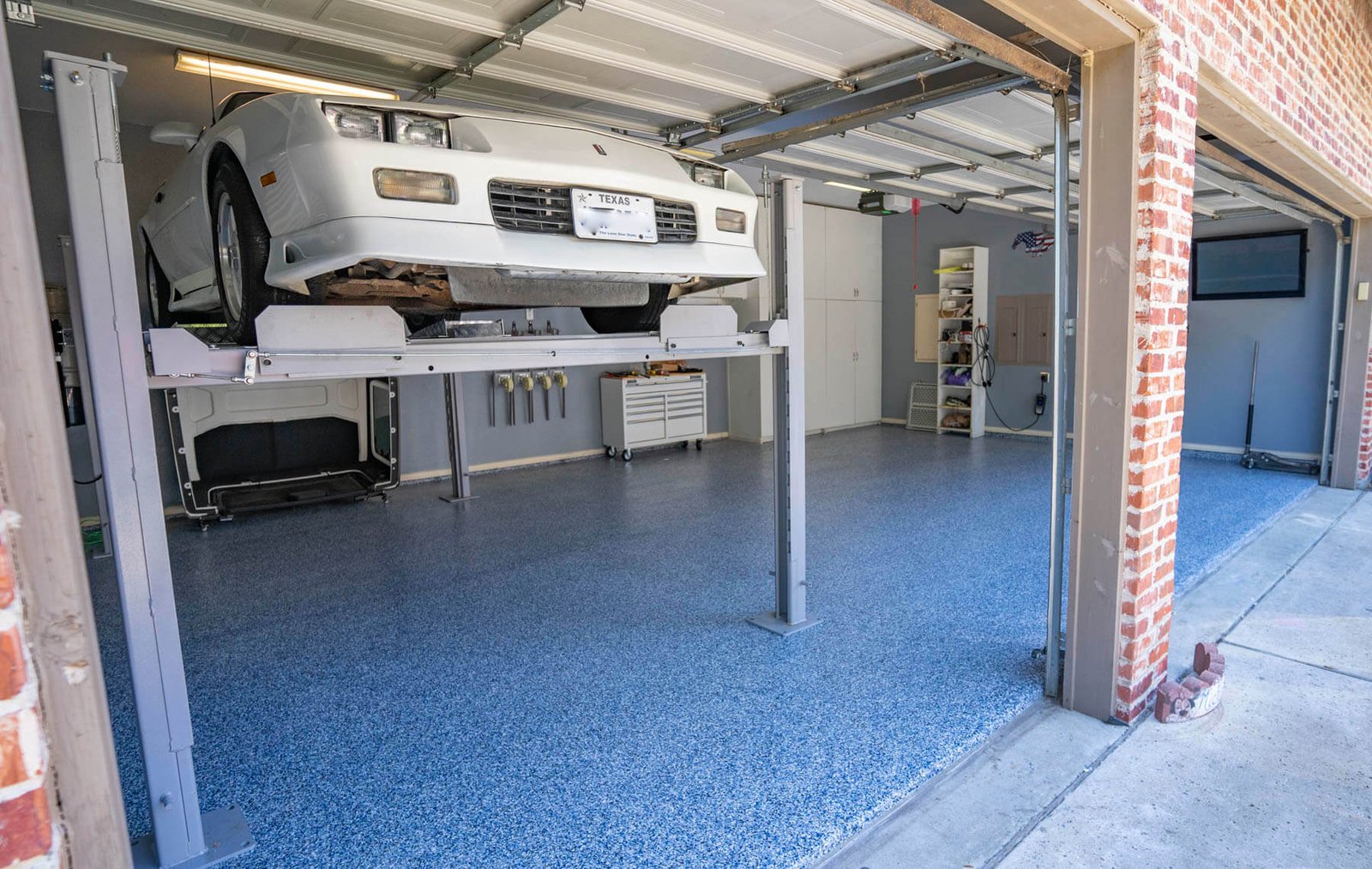
Credit: mygaragefloors.com
Storing Two Cars In One Garage
One big advantage of a four-post lift is vertical car storage. This lets you park one car above the other in a standard-sized garage. But you must check that your cars fit with enough clearance. Here’s how to check:
- Measure garage ceiling height.
- Add the heights of both cars plus 6–8 inches between them and the lift ramps.
- Compare: If the total is less than your garage height, it will fit.
Example: If your garage is 10 feet tall (120 inches), and each car is 55 inches high, you have:
120 – 55 (lower car) – 55 (upper car) – 8 (space) = 2 inches left. That’s tight, but possible.
Common Mistakes To Avoid
Many first-time installers make these errors:
- Skipping the floor check: Weak concrete leads to dangerous failure.
- Wrong power supply: Lifts need more power than regular outlets.
- Ignoring safety locks: Always use mechanical locks, not just hydraulics.
- Not checking for ceiling obstructions: Lights and openers can block a lift.
- Rushing installation: Take your time and double-check every step.
When To Call A Professional
While many people install lifts themselves, there are times when it’s better to hire an expert:
- If your garage floor needs reinforcing
- If you aren’t comfortable with electrical wiring
- If you’re unsure about local building codes
Professional installers have the right tools and experience, which can prevent expensive mistakes. For more detailed standards, you can review the OSHA guidelines for automotive lifts.
Frequently Asked Questions
How Much Does It Cost To Build A Car Lift In A Home Garage?
Most homeowners spend between $3,000 and $7,000 including the lift, installation, and electrical work. Costs rise if you need to reinforce the floor or buy a heavy-duty lift.
Can I Install A Car Lift By Myself?
You can install a lift if you have good mechanical skills and the right tools. However, some steps (like electrical work or pouring concrete) may need professionals. Always have at least one helper for safety.
What Is The Minimum Ceiling Height For A Home Garage Car Lift?
Most two-post and four-post lifts need at least 10 feet (3 meters) of clear ceiling height. Some compact lifts work with less, but you’ll have less room to work under the car.
Do I Need A Permit To Install A Car Lift?
Many cities require a building permit for car lifts. Always check local rules before you start. Insurance may not cover accidents if you install a lift without the proper permit.
What Maintenance Does A Home Garage Car Lift Need?
You should grease moving parts, check hydraulic oil, inspect cables and bolts, and clean ramps regularly. Follow the manufacturer’s maintenance schedule to keep your lift safe and reliable.
Upgrading your home garage with a car lift is a project that brings convenience, safety, and value. Careful planning, the right tools, and strict safety checks will ensure you enjoy your new lift for years. Take your time, follow instructions, and never skip the safety steps—your garage can become the workspace you’ve always wanted.
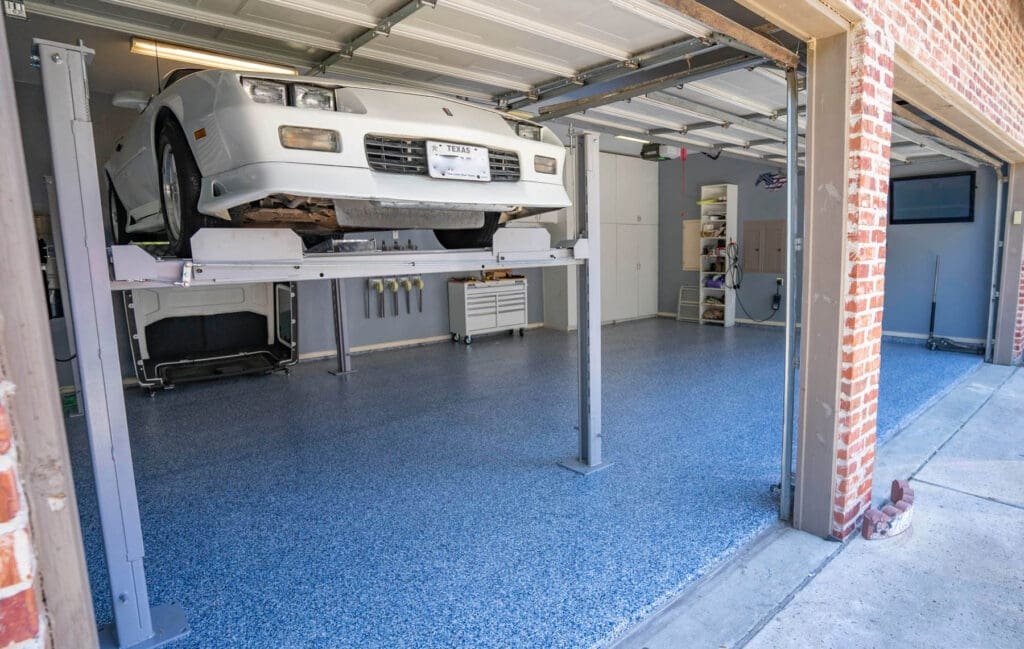
Credit: mygaragefloors.com