
Every car owner knows that regular maintenance is key to keeping a vehicle running smoothly and safely. But among the many tasks, checking and replacing car belts is often overlooked—until a belt snaps and leaves you stranded. If you’ve never inspected your car’s belts before, you’re not alone. Many beginners miss the signs of wear, but learning this skill can save you money and prevent sudden breakdowns. This guide will show you how to check and replace car belts with confidence, even if you’re new to car maintenance.
Why Car Belts Matter
Car belts are small but mighty parts of your engine. The most common types are the serpentine belt, timing belt, and V-belts. Each plays a vital role in keeping your car’s engine and accessories working properly:
- The serpentine belt drives multiple accessories: Alternator, power steering pump, air conditioner, and sometimes the water pump.
- The timing belt keeps the engine’s camshaft and crankshaft in sync.
- V-belts (found in older cars) usually handle one or two accessories each.
If a belt fails, you could lose power steering, electrical charging, or even cause serious engine damage. That’s why regular checks are so important.
Types Of Car Belts
Understanding which belts your car uses is the first step. Here’s a quick comparison:
| Belt Type | Main Function | Replacement Interval | Signs of Wear |
|---|---|---|---|
| Serpentine Belt | Drives multiple engine accessories | 60,000–100,000 miles | Cracks, squeals, loss of accessories |
| Timing Belt | Synchronizes camshaft and crankshaft | 60,000–100,000 miles (varies) | Ticking noise, engine misfires |
| V-Belt | Drives single accessories | 40,000–50,000 miles | Slipping, fraying, squeaking |
Most modern cars use a serpentine belt, but always check your owner’s manual to be sure.
Tools And Materials You’ll Need
Before you begin, gather these essential tools and materials:
- Socket set or wrench (for loosening bolts)
- Screwdrivers
- Belt tension gauge (optional but helpful)
- New replacement belt (make sure it matches your car model)
- Flashlight (for better visibility)
- Gloves (to protect your hands)
- Owner’s manual (for diagrams and specifications)
Having the right tools ready makes the job smoother and safer.
How To Check Car Belts
Regular checks can help you catch problems early. Here’s how to inspect your car belts step by step.
1. Park Safely And Let The Engine Cool
Turn off your car and wait until the engine is cool. This prevents burns and allows you to touch parts safely.
2. Find The Belts
Open the hood and locate the belts. The serpentine belt is usually visible at the front of the engine. Timing belts are often covered; you might need to remove a plastic cover to see them.
3. Visual Inspection
Look for these signs of wear:
- Cracks or splits on the rubber
- Fraying or loose threads at the edges
- Glazing (shiny, smooth surface)
- Missing chunks or uneven sections
A healthy belt should look smooth and firm, without any of these problems.
4. Check Belt Tension
Press down on the belt midway between two pulleys. It should move about half an inch (12 mm). If it feels too loose or too tight, it may need adjustment or replacement.
For cars with automatic belt tensioners, the tension is set automatically. If the belt is loose, the tensioner itself may be faulty.
5. Listen For Sounds
Start the engine and listen. Squealing, chirping, or slapping noises can mean the belt is slipping or worn out. Always turn off the engine before doing any hands-on checks.
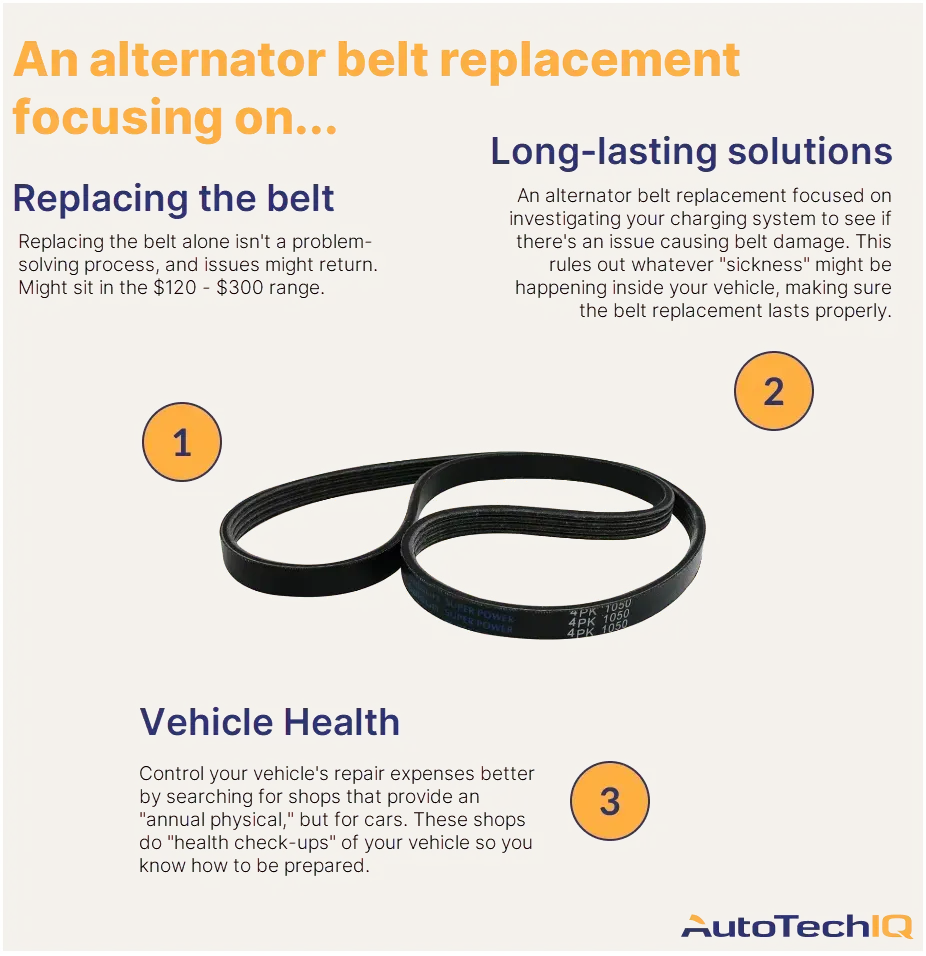
6. Check For Belt Dust
If you see black dust around the pulleys, it can be a sign the belt is wearing out.
Credit: www.autotechiq.com
How To Replace A Serpentine Belt
Replacing a serpentine belt is a common DIY task. Here’s a step-by-step guide:
1. Note The Belt Routing
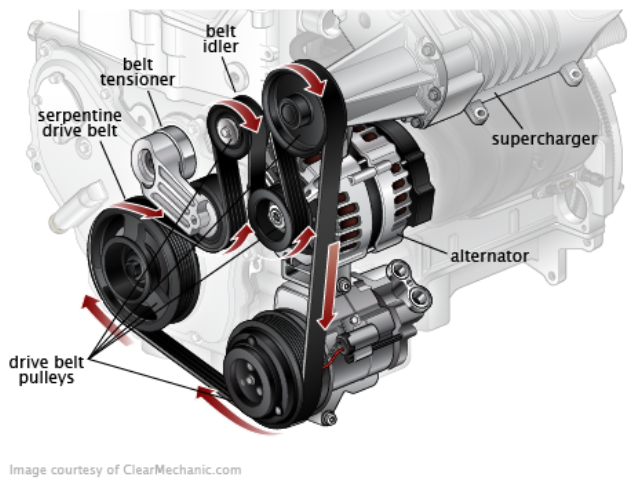
Before removing the old belt, take a photo or draw a diagram of how the belt loops around the pulleys. Many cars have a diagram under the hood. If not, your owner’s manual will have one.
2. Release Tension
Find the belt tensioner—a small pulley on a spring-loaded arm. Use a wrench or socket to rotate the tensioner and relieve tension on the belt. Slide the belt off one pulley, then release the tensioner slowly.
3. Remove The Old Belt
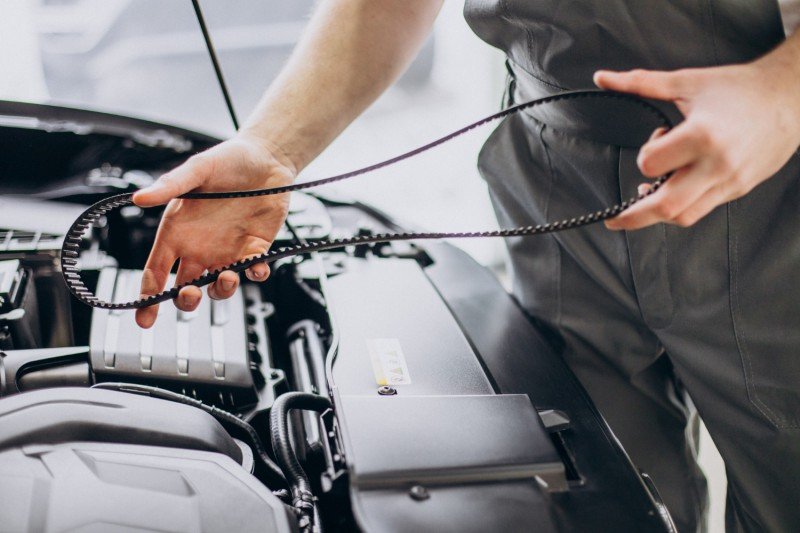
Carefully remove the belt from all pulleys.
4. Compare The New And Old Belt
Lay the new belt next to the old one. They should be the same length and width. A small difference can cause problems.
5. Install The New Belt
Loop the new belt around the pulleys, following your diagram. Keep the belt flat and untwisted.
6. Set The Tension
Rotate the tensioner again and slip the belt over the last pulley. Release the tensioner to tighten the belt.
7. Double-check Your Work
Make sure the belt is seated in the grooves of every pulley. A misaligned belt can slip off or wear out quickly.
8. Start The Engine
Start your car and watch the belt for a few minutes. Look for smooth movement and listen for any unusual sounds.
How To Replace A Timing Belt
Timing belt replacement is more complex and may take a few hours. Many beginners choose to let a mechanic handle it, but if you’re experienced and careful, you can do it yourself.
1. Disconnect The Battery
Remove the negative battery cable for safety.
2. Remove Engine Covers
Take off any plastic or metal covers blocking access to the timing belt.
3. Set The Engine To Top Dead Center (tdc)
Use a wrench to rotate the engine until the timing marks on the camshaft and crankshaft pulleys line up. This keeps your engine’s timing correct.
4. Remove The Old Timing Belt
Loosen the tensioner and slide off the old belt. Be careful not to move the pulleys.
5. Install The New Timing Belt
Carefully fit the new belt over the pulleys, keeping everything aligned with the timing marks.
6. Reset The Tension
Adjust the tensioner as specified in your manual. Too much tension can damage parts; too little can cause the belt to slip.
7. Reassemble And Test
Replace all covers, reconnect the battery, and start the engine. Listen for any odd noises and check for smooth operation.
Note: If your timing belt also drives the water pump, many experts recommend replacing the water pump at the same time. This can save labor and prevent future breakdowns.
How To Replace A V-belt
Older cars may have one or more V-belts. The process is similar to the serpentine belt, but each belt usually controls only one accessory.
- Loosen the mounting bolts on the accessory (like the alternator) to relieve tension.
- Remove the old belt and compare it with the new one.
- Fit the new belt on the pulleys.
- Pull the accessory away from the engine to create tension, then tighten the bolts.
- Check the tension and adjust if needed.
Common Mistakes To Avoid
Many beginners make small errors that can lead to big problems. Here are two non-obvious pitfalls:
- Ignoring belt alignment: Even if a belt looks tight, a slight misalignment can cause rapid wear or sudden failure. Always check that the belt sits perfectly in the pulley grooves.
- Skipping pulleys during inspection: Dirty or worn pulleys can damage a new belt. Clean them and check for wobbling or rough spots before installing a new belt.
When To Replace Car Belts
How do you know it’s time for a new belt? Here are the main signs:
- Visible cracks, fraying, or missing chunks
- Squealing or chirping sounds that don’t go away after spraying with water (a quick test)
- Loss of power steering, A/C, or charging system
- Belt over 5 years old, even if it looks good
It’s also wise to follow your manufacturer’s recommended replacement interval.
Cost Of Belt Replacement
How much does it cost to replace car belts? Here’s a quick comparison:
| Belt Type | DIY Cost (Parts Only) | Professional Service Cost |
|---|---|---|
| Serpentine Belt | $25–$60 | $100–$200 |
| Timing Belt | $30–$100 | $400–$900 |
| V-Belt | $10–$40 | $70–$150 |
Doing it yourself can save a lot, but only if you’re comfortable with the job.
Practical Tips For Beginners
- Take clear photos of the belt routing before removal.
- Label bolts and covers as you remove them.
- Buy quality belts from trusted brands; cheap belts wear faster.
- If you’re unsure, ask for help on car forums or from a local mechanic.
- Keep the old belt in your trunk as an emergency spare if it’s still usable.
Real-world Example
Sophia, a first-time car owner, noticed a high-pitched squeal from her engine. After reading her manual and using a flashlight, she spotted cracks on her serpentine belt. With some online research and a $35 replacement belt, she followed a video guide and replaced it in under an hour.
The noise disappeared, and she avoided a costly breakdown.
Credit: stogagirlssoccer.com
When To Call A Mechanic
Some situations are best left to professionals:
- If your car’s belt setup is complex or hard to reach
- If you need to replace the timing belt and don’t have experience
- If the belt broke while driving and you’re unsure about engine damage
A mechanic can also check for related problems, like worn pulleys or leaking oil that can destroy new belts quickly.
Belt Replacement Intervals By Manufacturer
Different car brands recommend different intervals for belt replacement. Here’s a sample:
| Manufacturer | Serpentine Belt Interval | Timing Belt Interval |
|---|---|---|
| Toyota | 60,000–90,000 miles | 60,000–90,000 miles |
| Ford | 100,000 miles | Not all models have timing belts |
| Honda | 60,000–100,000 miles | 60,000–100,000 miles |
| Volkswagen | 60,000–100,000 miles | 80,000–100,000 miles |
Always check your car’s specific requirements in the owner’s manual.
Credit: www.asm-autos.co.uk
Frequently Asked Questions
How Often Should I Check My Car Belts?
Check your car belts every 6 months or 6,000 miles, whichever comes first. Regular checks help you spot wear before it becomes a problem.
Can I Drive With A Worn Belt?
It’s risky. A worn belt can snap anytime, causing loss of power steering, battery charging, or even engine damage. Replace it as soon as you notice problems.
What Is The Difference Between A Timing Belt And A Serpentine Belt?
A timing belt keeps the engine’s internal parts in sync. A serpentine belt runs accessories like the alternator and air conditioner. The timing belt is often hidden and more difficult to change.
How Do I Know Which Belt My Car Uses?
Check your owner’s manual or look under the hood. Most modern cars use a serpentine belt, but some older models use V-belts or timing belts.
Where Can I Find More Detailed Guides Or Diagrams?
For in-depth guides, diagrams, and car-specific instructions, visit Wikipedia’s serpentine belt article or your car manufacturer’s website.
Taking care of your car’s belts is an easy way to avoid big problems down the road. With a little time and attention, you can keep your engine running smoothly and drive with peace of mind. Don’t wait for a breakdown—check your belts today and replace them when needed.
Safe driving!