
Checking your car’s differential fluid might sound complicated, but it’s a practical task that can help you avoid expensive repairs. The differential is a key part of your vehicle’s drivetrain. It transfers power from the engine to the wheels, allowing them to turn at different speeds—especially important when you’re turning a corner. The fluid inside keeps everything running smoothly, reducing friction and heat. If the differential fluid level gets low or dirty, you can have noise, vibration, and even serious damage. Knowing how to check your differential fluid level can save you stress and money.
Many drivers focus on oil changes but forget about the differential. Unlike engine oil, differential fluid doesn’t need changing as often, but it still requires regular checks, especially if you drive on rough roads, tow heavy loads, or have a high-mileage vehicle.
This guide will show you everything you need to know—tools, steps, safety, common mistakes, and expert tips—so you can check your car’s differential fluid with confidence.
Understanding Differential Fluid
The differential fluid (sometimes called gear oil) lubricates gears, bearings, and other moving parts in the differential. It’s much thicker than engine oil because it has to handle heavy loads and resist breakdown at higher temperatures. The color and thickness of the fluid can indicate its condition. Fresh fluid is usually golden or light brown, while old or contaminated fluid looks dark and smells burnt.
Why Fluid Level Matters
A low fluid level can cause the gears to grind and wear out fast. Over time, this can lead to expensive repairs or even a complete differential failure. On the other hand, too much fluid can cause leaks or foaming, which also reduces protection.
Keeping the fluid at the correct level helps ensure your car runs smoothly.
How Often Should You Check?
Most manufacturers recommend checking the differential fluid every 30,000 to 60,000 miles, or once a year if you drive in tough conditions. Always check your owner’s manual for specific intervals.
Tools And Supplies You’ll Need
Before you begin, gather the right tools. This makes the job easier and safer. Here’s what you’ll need:
- Socket set or wrench (often 3/8” or 1/2” drive)
- Rag or paper towels
- Gloves (gear oil is thick and smells strong)
- Jack and jack stands (if needed)
- Wheel chocks
- Flashlight
- Flathead screwdriver (sometimes needed to open the fill plug)
- Drain pan (for catching any spills)
- Owner’s manual (for specific info)
- Replacement gear oil (if you need to top up)
Not every car needs all these tools. Some vehicles have easy-to-reach differentials, while others require lifting the car.
Safety Tips Before You Start
Working under a car can be risky if you’re not careful. Here are essential safety steps:
- Park on a flat, solid surface.
- Engage the parking brake and use wheel chocks.
- Use jack stands if you need to lift the car—never trust just the jack.
- Wear gloves and eye protection.
- Let the car cool down. Hot components and fluid can cause burns.
Many beginners forget to let the car cool or skip the wheel chocks, which can lead to dangerous situations. Always take a few minutes to set up safely.
Locating The Differential
Most cars have either a front differential (front-wheel drive), rear differential (rear-wheel drive), or both (all-wheel drive/4WD). The differential is usually a round, metal housing connected to the axles.
- Rear-wheel drive: The differential sits between the rear wheels.
- Front-wheel drive: Often combined with the transmission (transaxle).
- All-wheel/4WD: Both front and rear differentials.
Your owner’s manual or a quick online search for your car model can help you find the exact location. Some cars may need plastic covers removed for access.
Step-by-step: How To Check Differential Fluid Level
Checking the differential fluid level is a straightforward process if you follow these steps:
1. Prepare Your Workspace
Make sure your car is parked on level ground. Gather all tools within reach. If you need to lift the car, do it now and secure with jack stands.
2. Find The Fill Plug
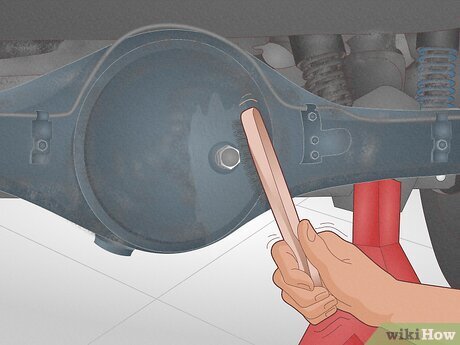
Look for a small bolt or plug on the side of the differential housing, usually halfway up the case. This is the fill (or check) plug.
- The fill plug is NOT the drain plug. The fill plug sits higher.
- Some plugs require a hex key, square drive, or standard wrench.
3. Clean The Area
Use a rag to clean dirt and grime from around the fill plug. This prevents debris from falling inside when you open it.
4. Remove The Fill Plug
Use the correct tool to loosen and remove the fill plug. Be careful—sometimes gear oil will drip out immediately.
5. Check Fluid Level
Stick your finger (with a glove) or a clean tool into the hole. The fluid should be right at the bottom of the fill hole.
- Correct level: Fluid just reaches the fill hole.
- Low level: No fluid at the hole; you can’t touch it with your finger.
- Overfilled: Fluid pours out when plug is removed.
If you can’t feel the fluid, use a small zip tie or clean screwdriver to dip inside and check the level.
6. Inspect Fluid Condition
Look at the color and smell. Fresh fluid is clear or golden, while old fluid is dark, thick, or smells burnt.
- If the fluid is dirty or smells bad, plan to change it soon.
- If you see metal flakes, it could mean gear wear.
7. Add Fluid If Needed
If the fluid is low, add the recommended gear oil slowly until it reaches the fill hole. Use a hand pump if the bottle doesn’t fit.
8. Reinstall The Fill Plug
Wipe away any drips, then reinstall and tighten the fill plug securely. Don’t overtighten—just snug is enough.
9. Clean Up And Lower The Car
Remove any tools, wipe off spilled oil, and lower the car if you used a jack.
Here’s a summary comparison of fluid conditions:
| Fluid Appearance | What It Means | Action Needed |
|---|---|---|
| Golden/clear | Good condition | No action needed |
| Dark brown/black | Old or contaminated | Change soon |
| Burnt smell | Overheated/fluid breakdown | Change immediately |
| Metal flakes | Gear wear/damage | Inspect differential |
Common Mistakes And How To Avoid Them
Even careful DIYers make mistakes when checking differential fluid. Watch out for these:
- Using the wrong fluid: Always use the type recommended by your car manufacturer. Not all gear oils are the same; using the wrong kind can damage seals and gears.
- Checking on a slope: The car must be level, or the reading will be wrong. A sloped surface can make the fluid seem full when it’s actually low.
- Confusing fill and drain plugs: Removing the drain plug will empty the fluid. Always double-check you’re opening the fill plug.
- Not cleaning around the plug: Dirt can fall in and contaminate the fluid or gears.
- Overfilling: More fluid is not better. Overfilling can cause leaks or foaming, reducing protection.
- Ignoring fluid color and smell: Only checking the level is not enough. The condition of the fluid tells you about the health of your differential.

Credit: www.wikihow.com
When To Change Differential Fluid
Checking the level is important, but sometimes you need to change the fluid completely. Here’s when to consider a full change:
- Fluid is dark, gritty, or smells burnt.
- You hear whining, clunking, or grinding from the differential.
- The car has over 30,000 miles since the last change.
- You frequently tow, drive off-road, or carry heavy loads.
- Manufacturer recommends it (check your manual).
A full change involves draining all fluid and refilling to the correct level. If you’re not comfortable, a mechanic can do this.
Cost And Time Needed
Checking differential fluid is usually quick—about 15 to 30 minutes for most people. If you need to add fluid, allow a bit more time for careful filling.
Here’s a rough comparison of costs:
| Task | DIY Cost (USD) | Shop Cost (USD) | Time Needed |
|---|---|---|---|
| Check fluid level only | $0 (just time) | $25-$50 | 15-30 min |
| Add fluid/top-up | $10-$20 | $50-$80 | 20-40 min |
| Full fluid change | $25-$50 | $80-$150 | 1-2 hours |
Special Cases: Limited-slip And All-wheel Drive Differentials
Some cars have limited-slip differentials or advanced AWD systems that require special fluid types or additives. Always check your manual. Using standard gear oil in a limited-slip differential can cause chattering, poor performance, or even damage.
If your car has electronic or torque-vectoring differentials, fluid checks may be more complex and best left to a professional.
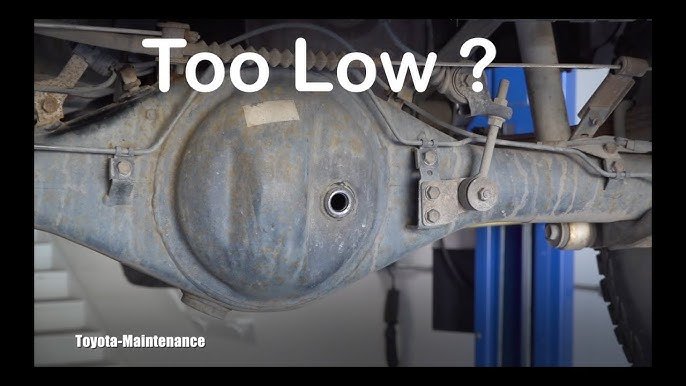
Signs Of Differential Fluid Problems
You don’t always have to wait for a scheduled check. Watch for these warning signs:
- Whining, howling, or clunking noises when driving or turning
- Vibration or shuddering from the rear or front axle
- Visible leaks under the car near the axles
- Burning smell after driving
These signs often mean the fluid is low or worn out. If you notice them, check your differential fluid soon.
Credit: www.youtube.com
Tips For A Smooth Differential Fluid Check
Here are a few expert tips to make your check easier:
- Use your phone camera to photograph the differential before opening, so you remember how everything looks.
- If the fluid is hard to reach, a hand pump or squeeze bottle helps add fluid without mess.
- Keep old rags handy—gear oil is sticky and can stain clothing.
- Mark the check date in your maintenance log for future reference.
One pro tip: If you drive through deep water (floods, off-road), check your differential fluid soon after. Water can enter the differential and mix with the oil, leading to fast wear.
How Differential Fluid Differs From Other Car Fluids
Many beginners confuse differential fluid with transmission or engine oil. Here’s a quick comparison:
| Fluid Type | Main Function | Appearance | Change Interval |
|---|---|---|---|
| Engine oil | Lubricates engine parts | Amber to dark brown | 3,000-10,000 miles |
| Transmission fluid | Lubricates/operates transmission | Red or green | 30,000-60,000 miles |
| Differential fluid | Lubricates differential gears | Golden, thick | 30,000-60,000 miles |
This simple comparison can help you avoid using the wrong product.
Credit: www.wikihow.com
Frequently Asked Questions
What Happens If I Never Check My Differential Fluid?
If you ignore the differential fluid, it can run low or become dirty. This leads to increased wear, noise, and eventually, expensive repairs or even total differential failure.
Can I Use Any Gear Oil For My Differential?
No. Always use the fluid type and viscosity specified in your owner’s manual. Using the wrong fluid can cause leaks, noise, or even internal damage.
Is Checking Differential Fluid A Diy Job For Beginners?
Yes, for most vehicles, it’s a manageable job if you have basic tools and follow safety steps. However, some cars with advanced differentials may be more complex.
What If I See Metal Flakes In The Fluid?
Metal flakes usually mean internal gear wear or damage. It’s best to have a mechanic inspect the differential soon to prevent further problems.
Where Can I Find More Information About Car Fluids And Maintenance?
You can find detailed guides and technical info on car maintenance at sites like Popular Mechanics.
Checking your car’s differential fluid level is a simple but important part of vehicle care. With a few tools, some patience, and the tips above, you can keep your differential running smoothly and avoid costly repairs. Taking time to check fluid now can save you major headaches later.