
Choosing the right tools makes any job smoother and safer. If you often work with nuts and bolts, you might have seen both impact sockets and regular sockets. They look similar, but they are made for different tasks. Picking the wrong socket can damage your tool, your fastener, or even hurt you. Many beginners don’t know the real difference or why it matters. This guide explains how to choose between impact sockets and regular sockets, so you get the best results every time.
What Are Impact Sockets And Regular Sockets?
Before choosing, it’s important to understand what each socket type is designed for.
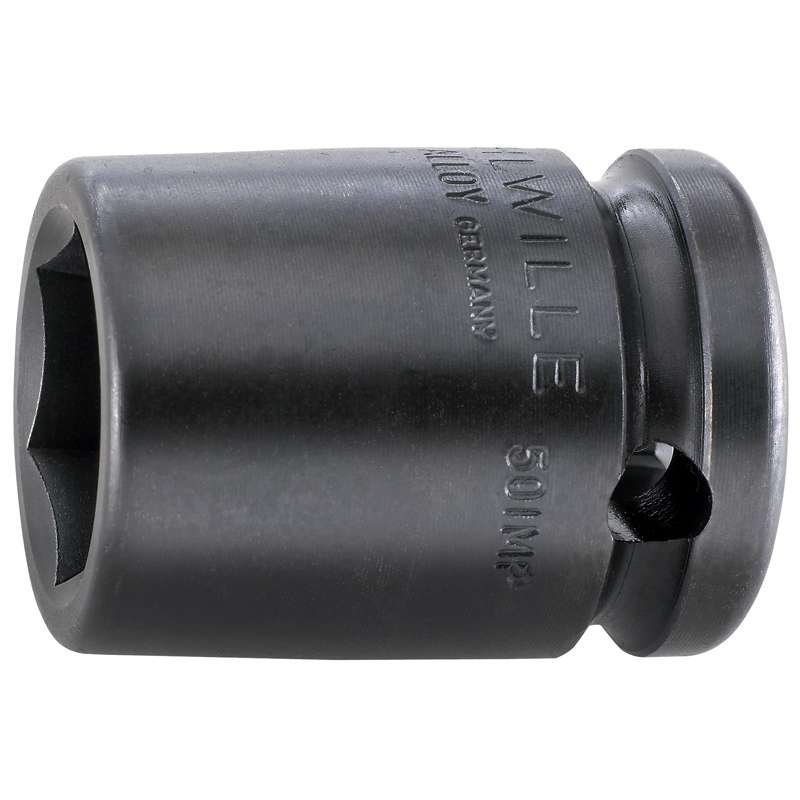
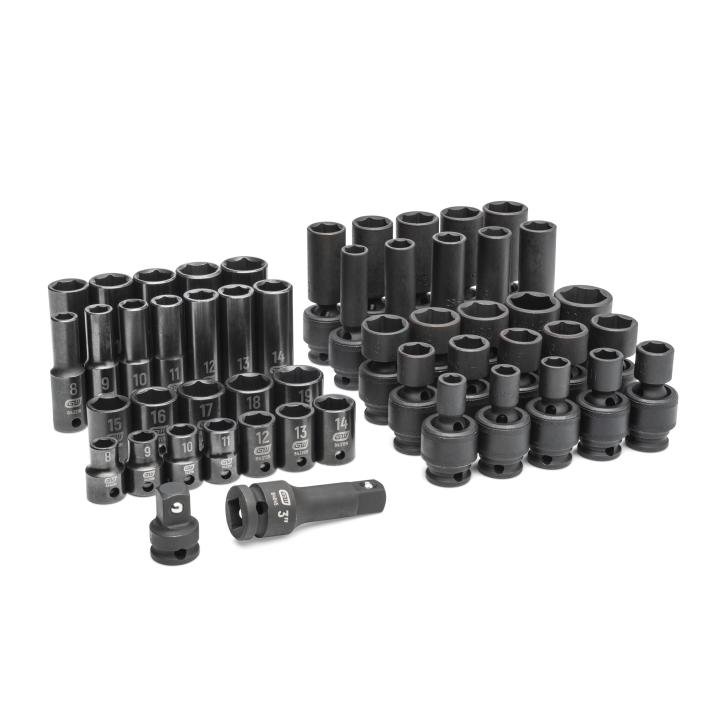
Impact sockets are made for use with impact wrenches or impact drivers. These tools deliver strong, rapid bursts of force to turn fasteners. To handle this shock, impact sockets are made from tougher steel and are usually thicker. They also have a black, oxide finish to resist corrosion and reduce glare.
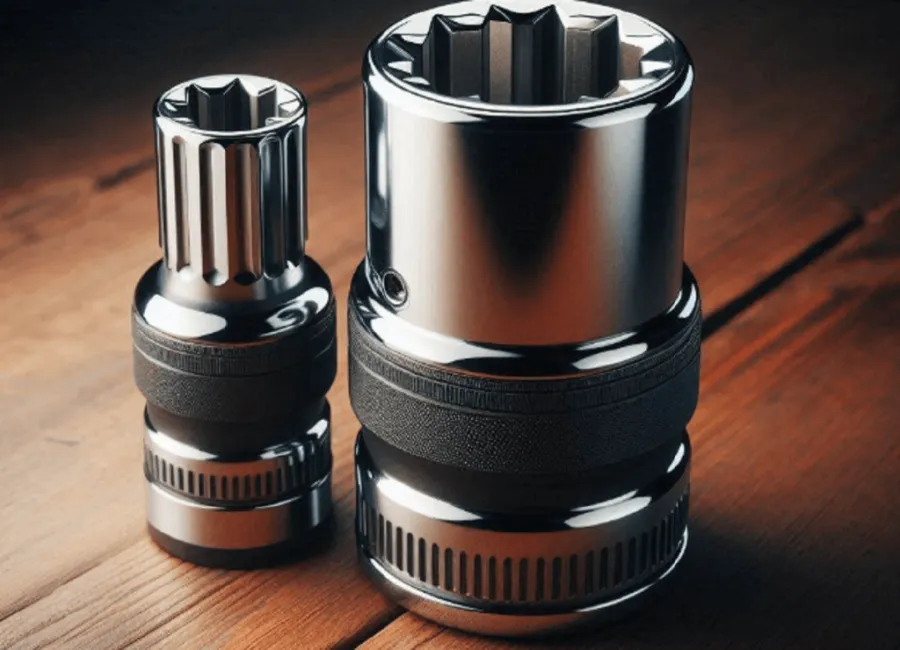
Regular sockets, often called chrome sockets, are designed for hand tools like ratchets or socket wrenches. They are usually made from chrome vanadium steel, giving them a shiny, polished finish. These sockets are built for steady, manual force—not the sudden force of impact tools.
Key Differences Between Impact And Regular Sockets
To make a smart choice, you need to know how these sockets differ in real use. Here’s a side-by-side look:
| Feature | Impact Socket | Regular Socket |
|---|---|---|
| Material | Chrome molybdenum steel (tougher, more flexible) | Chrome vanadium steel (harder, less flexible) |
| Wall Thickness | Thicker | Thinner |
| Finish | Black oxide | Polished chrome |
| Designed For | Impact tools | Hand tools |
| Price | Usually higher | Usually lower |
| Safety | Handles high torque safely | Can crack under impact |
Most beginners miss that using a regular socket on an impact tool is dangerous. The extra force can crack the socket, sending metal flying.
When To Use Impact Sockets
Impact sockets are not just for professionals. If you use powerful tools that deliver quick, heavy blows, you need impact sockets.
Common uses:
- Removing stubborn, rusted nuts and bolts
- Automotive repair (tire changes, suspension work)
- Heavy machinery repair
- Construction work with power tools
Impact sockets are also useful if you want your tools to last longer. They absorb shock better, reducing wear on both the socket and the tool.
Impact Socket Safety
Always use impact sockets with impact-rated extensions and adapters. Mixing regular extensions with impact sockets can still lead to failure.
Another insight: Impact sockets are less likely to round off bolt heads because their thicker walls distribute force more evenly. This means you’re less likely to damage the fastener.
When To Use Regular Sockets
Regular sockets are perfect for jobs where you use hand tools and don’t need high torque. These sockets are lighter and slimmer, making them easier to use in tight spaces.
Typical uses:
- Household repairs (assembling furniture, fixing bikes)
- Engine work where torque is moderate
- Electrical work where space is limited
Regular sockets are also easier to clean because of their smooth, shiny finish. If you rarely use power tools, regular sockets will serve you well.
Credit: www.vevor.com
How To Choose: Impact Socket Vs Regular
Making the right choice depends on a few important factors. Let’s break them down so you can decide with confidence.
1. Tool Compatibility
Ask Yourself: What Tool Will I Use The Socket With?
- Use impact sockets with any impact wrench or driver.
- Use regular sockets only with manual ratchets or wrenches.
Never use regular sockets with impact tools. This is the most common beginner mistake, and it’s dangerous.
2. Project Type
For tough jobs (rusted bolts, car wheels), go with impact sockets. For lighter, precise work (electronics, small appliances), regular sockets are enough.
3. Socket Strength
Impact sockets are less likely to shatter because they are made from more flexible steel. Regular sockets are harder but more brittle. If you expect a lot of force, impact is safer.
4. Size And Weight
Need to reach tight spots? Regular sockets are slimmer and fit better in confined spaces. But don’t trade safety for convenience—if you need to use an impact tool, always pick an impact socket.
5. Cost
Impact sockets usually cost more. If you’re on a budget and only use hand tools, regular sockets are fine. But investing in a quality set of impact sockets makes sense for frequent heavy-duty work.
6. Corrosion Resistance
Impact sockets have a black oxide finish that resists rust but can wear off. Regular sockets have a chrome finish that stays shiny and resists corrosion well. If you work in wet or humid places, consider how you’ll care for your sockets.
Comparing Performance: Real-world Examples
Let’s see how these sockets perform in common situations.
Automotive Tire Change
If you use an impact wrench to remove lug nuts, an impact socket is essential. The high torque can crack a regular socket. Impact sockets also fit snugly, reducing the risk of slipping.
Home Diy Project
Assembling furniture? A regular socket is lighter and easier to handle. There’s no need for the extra strength of an impact socket here.
Breaking Rusted Bolts
Trying to loosen a rusted bolt on a car frame? An impact socket paired with an impact driver will save you time and lower the chance of breaking your tools.
Working In Tight Spaces
If you need to reach a nut in a cramped spot, a regular socket’s thin walls help. Impact sockets may not fit.
Durability And Lifespan
Another detail often missed: Impact sockets generally last longer under heavy use. Their toughness helps them survive repeated shocks. Regular sockets can become chipped or cracked if abused.
However, regular sockets resist scratches and stay shiny longer. If you want your tools to look new, chrome sockets are a better choice.
Common Mistakes When Choosing Sockets
1. Using Regular Sockets With Impact Tools
This is unsafe and can cause injuries.
2. Assuming One Socket Set Is Enough For All Jobs
Many professionals own both types for maximum flexibility.
3. Ignoring Size And Fit
Both impact and regular sockets come in many sizes. Always match the socket size to the fastener for a snug fit.
4. Not Checking For Wear
Damaged sockets should be replaced immediately, especially if used with power tools.
5. Buying Cheap Sets
Low-quality sockets (both impact and regular) are more likely to break. Trusted brands may cost more but last much longer.
How To Identify Each Socket Type
It can be hard for beginners to know which socket is which. Here are some tips to spot the difference:
- Color: Impact sockets are almost always black. Regular sockets are silver and shiny.
- Markings: Most impact sockets say “impact” or have a laser-etched size marking.
- Weight: Impact sockets are heavier for the same size.
- Wall Thickness: Impact sockets have visibly thicker walls.
Here’s a quick look:
| Feature | Impact Socket | Regular Socket |
|---|---|---|
| Color | Black or dark grey | Shiny silver |
| Markings | Laser-etched, large | Stamped or engraved |
| Weight | Heavier | Lighter |
| Wall | Thicker | Thinner |
Should You Buy Both Types?
If you work on cars, machinery, or do a mix of jobs, owning both sets is wise. Impact sockets can be used with hand tools, but regular sockets should never be used with impact tools. This flexibility is something many people overlook.
Pro tip: If you’re just starting out and can only buy one set, choose impact sockets. They are safer and more versatile. You can use them on both hand and power tools.
Credit: www.heamar.co.uk
Maintenance Tips For Both Socket Types
- Clean after use to remove grease and debris.
- Dry thoroughly to prevent rust.
- Store in a case to avoid losing pieces.
- Inspect for cracks before every use—especially after heavy jobs.
These simple habits make your sockets last years longer.
Expert Recommendations
- If budget allows, buy impact sockets first. They cover more situations.
- For delicate work, add a set of regular sockets for easier access in tight spots.
- Don’t mix brands or sizes in one set; this ensures proper fit and safety.
For more technical details on socket design and metallurgy, you can check this Wikipedia article on socket wrenches.
Credit: www.gearwrench.com
Frequently Asked Questions
Why Can’t I Use Regular Sockets With Impact Wrenches?
Regular sockets are made from harder but more brittle metal. Impact wrenches deliver strong, sudden force. This can cause regular sockets to crack or shatter, which is dangerous.
Can I Use Impact Sockets With Hand Tools?
Yes, impact sockets work with hand tools. They may feel heavier and bulkier, but they are safe and strong enough for any hand use.
Are Impact Sockets Worth The Extra Money?
If you use power tools or do heavy work, yes. They last longer and are safer. For light, occasional jobs with hand tools, regular sockets are fine.
What Is The Black Finish On Impact Sockets?
It is a black oxide coating. This helps resist corrosion and reduces glare, making it easier to see size markings. The finish can wear off over time but does not affect performance.
How Can I Tell If My Socket Is Damaged?
Check for cracks, chips, or a loose fit on the tool. If you see any damage, replace the socket. Using a damaged socket—especially with impact tools—is risky.
Choosing between impact sockets and regular sockets is simple when you know what to look for. Think about your tools, your projects, and how much force you need. A smart choice keeps you safe, protects your tools, and helps you finish every job right.