
Choosing the right car jack weight rating is not just about picking any tool off the shelf. It’s about safety, efficiency, and making sure you can handle your vehicle confidently when you need to lift it. Many new car owners and DIY mechanics get confused by the numbers and types of jacks available.
If you choose the wrong weight rating, you risk injury, car damage, or a tool that simply doesn’t work for your needs. This guide will help you understand weight ratings, why they matter, and how to pick the best one for your car—using simple language, clear steps, and real-world examples.
Understanding Car Jack Weight Ratings
Before you buy a car jack, you must know what weight rating means. The weight rating is the maximum weight a jack can safely lift. It’s usually shown in tons or kilograms. For example, a 2-ton jack can lift up to 2,000 kg (about 4,400 lbs).
It’s important to remember that the car jack does not need to lift the whole vehicle at once. Most car repairs require you to lift only one corner or side at a time. But still, the jack must safely support the part of the car being lifted.
Why Weight Ratings Matter
Using a jack with a lower rating than your car’s needs can be dangerous. The jack might fail, causing the car to fall. This can damage your vehicle and can cause serious injuries. Always use a jack with a rating equal to or higher than the weight you need to lift.
Where To Find Your Car’s Weight
You can find your car’s weight in the owner’s manual or on a label inside the driver’s door. Look for “curb weight,” which means the weight of the car without passengers or cargo. For popular cars, curb weight usually looks like this:
- Small sedan: 1,200–1,500 kg (2,650–3,300 lbs)
- Mid-size sedan: 1,500–1,800 kg (3,300–4,000 lbs)
- SUV: 1,800–2,500 kg (4,000–5,500 lbs)
- Pickup truck: 2,000–3,000 kg (4,400–6,600 lbs)
Knowing this number is your first step.
How Car Jacks Are Rated
Most car jacks show their weight limit in tons. Here’s what the numbers usually mean:
- 1-ton jack: Up to 1,000 kg (2,200 lbs)
- 2-ton jack: Up to 2,000 kg (4,400 lbs)
- 3-ton jack: Up to 3,000 kg (6,600 lbs)
- 4-ton jack: Up to 4,000 kg (8,800 lbs)
Never guess or try to “eyeball” if a jack can handle your car. Always check the label and compare it to your car’s weight.
Types Of Car Jacks And Their Weight Ratings
The type of jack you choose also affects weight rating and safety. Here are the most common types:
| Jack Type | Common Weight Ratings | Best For |
|---|---|---|
| Scissor Jack | 1–1.5 tons | Compact cars, emergencies |
| Bottle Jack | 2–20 tons | SUVs, trucks |
| Floor Jack | 2–3 tons | Most cars, garages |
| Hi-Lift Jack | Up to 3 tons | Off-road vehicles |
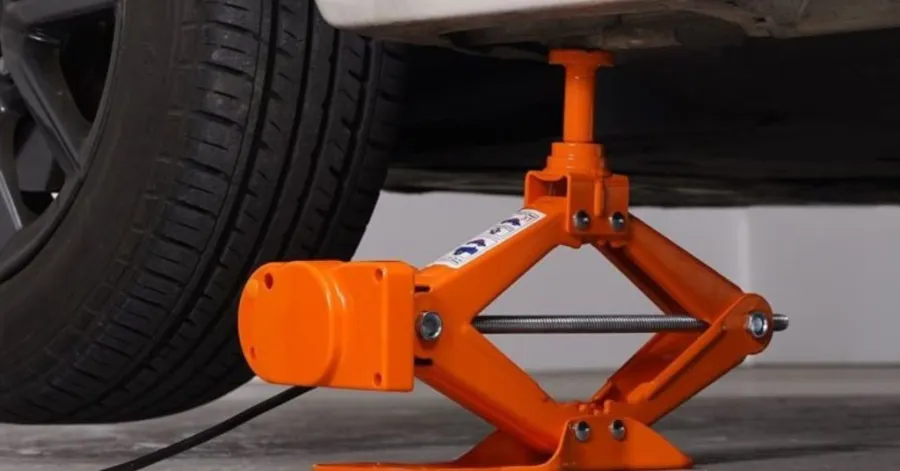
Scissor jacks are usually included with your car for tire changes, but they are not the best for heavy or repeated use. Floor jacks are common in home garages, and bottle jacks are strong but need more ground clearance.
How To Choose The Right Weight Rating For Your Car Jack
Let’s walk through the steps to find the right jack for your needs.
1. Check Your Car’s Weight
Find your car’s curb weight from the manual or door sticker. For example, if your car weighs 1,400 kg (about 3,100 lbs), you know you need a jack that can lift at least this much.
2. Understand How Much You Need To Lift
You rarely need to lift the whole car. For most repairs, you lift one wheel or one end. This means the jack will usually lift one-third to one-half of the car’s weight. But you must always use the car’s total weight to stay safe.
Pro tip: Many experts recommend using a jack rated for at least 75% of your car’s total weight. This gives you a safety margin in case of extra load or uneven ground.
3. Choose A Jack With A Higher Rating Than Needed
Don’t choose a jack that matches your car’s weight exactly. For safety, pick a jack rated at least 25% higher than your car’s total weight. If your car weighs 1,600 kg (3,500 lbs), choose a 2-ton (2,000 kg) jack or higher.
4. Match The Jack Type To Your Vehicle
If you have a low car, like a sports sedan, you need a low-profile floor jack. For a tall SUV, a bottle jack or high-lift jack may be better. Make sure the jack fits under your car and can reach the lifting points easily.
5. Consider Portability And Use
If you only want a jack for emergencies, a lightweight scissor jack might be enough. For regular home repairs, a hydraulic floor jack is safer and faster. If you travel off-road, a hi-lift jack is better, but you’ll need to learn how to use it properly.
Real-world Examples
Let’s look at two common scenarios to make things clearer.
Example 1: Compact Sedan
You own a Toyota Corolla (curb weight: 1,300 kg or 2,866 lbs). You want a jack for home tire changes.
- Minimum safe rating: 1,300 kg
- Add 25% safety margin: 1,625 kg
- Best choice: 2-ton floor jack (2,000 kg)
Example 2: Large Suv
You own a Ford Explorer (curb weight: 2,100 kg or 4,630 lbs). You want a jack for road trips.
- Minimum safe rating: 2,100 kg
- Add 25% safety margin: 2,625 kg
- Best choice: 3-ton bottle jack (3,000 kg)
Comparing Popular Car Jack Weight Ratings
A side-by-side view helps you see which rating fits which car type:
| Car Type | Typical Curb Weight | Recommended Jack Rating |
|---|---|---|
| Compact car | 1,200–1,400 kg | 2-ton jack |
| Mid-size car | 1,400–1,700 kg | 2-ton jack |
| Full-size sedan | 1,700–2,000 kg | 2–3 ton jack |
| SUV / Pickup | 2,000–3,000 kg | 3–4 ton jack |
This table shows that most drivers can use a 2-ton jack, but for larger vehicles, a higher rating is safer.
Credit: www.vevor.com
Common Mistakes When Choosing A Car Jack
Many people pick the wrong car jack by making simple mistakes. Avoid these common errors:
- Choosing a jack too small: Always check your car’s weight, and don’t “guess.”
- Ignoring jack height: Some jacks won’t fit under low cars, or may not lift high enough for trucks.
- Using the jack for full lifts: Never use a car jack to support the whole car while working underneath. Use jack stands for extra safety.
- Forgetting the safety margin: Always buy a jack with a higher weight rating than your car’s total weight.
- Not checking vehicle ground clearance: High vehicles need jacks with a higher maximum lift, while low cars need low-profile jacks.
A non-obvious tip: Some hydraulic jacks lose pressure over time and can “creep” down. Even if your jack’s weight rating is correct, always use jack stands for long jobs.
How Jack Quality And Materials Affect Safety
Not all jacks with the same weight rating are equal. The build quality and materials matter too. Cheap jacks sometimes use thin steel or poor welds, which can fail even if the weight rating is high. Choose jacks from trusted brands, and look for safety certifications, such as ANSI or CE marks.
Aluminum floor jacks are lighter but often more expensive. Steel jacks are heavier but usually cost less. Both can be safe if made by a reputable company.
Credit: standesign.ca
Practical Tips For Safe Jack Use
- Always park on a flat, solid surface before lifting.
- Set the parking brake and block the wheels opposite to the side you are lifting.
- Position the jack at the correct lifting point (check your car’s manual).
- Once lifted, always use jack stands to support the car before working underneath.
- Never crawl under a car supported only by a jack.
How To Read Car Jack Labels
Many beginners overlook the information printed on a jack. Always read the label, which should show:
- Maximum weight rating (in tons or kg)
- Maximum lift height (important for SUVs and trucks)
- Minimum height (important for low cars)
- Manufacturer and certification marks
If a jack does not have a clear label, do not use it.
Credit: www.harborfreight.com
Car Jack Weight Rating Vs. Jack Stand Rating
Remember, a car jack lifts the car, but a jack stand holds the car up while you work. Both must be rated for your car’s weight. Never mix a high-rated jack with a low-rated stand.
Here’s a quick comparison:
| Tool | Main Use | Recommended Rating |
|---|---|---|
| Car Jack | Lifting only | At least 1.25x car weight |
| Jack Stand | Holding the car | At least 1.25x car weight (per stand or pair) |
This way, you stay safe during all repairs.
Frequently Asked Questions
What Happens If I Use A Car Jack With A Lower Weight Rating Than My Car?
Using a jack with a lower rating than your car’s weight can cause the jack to fail suddenly. This is dangerous and could damage your car or cause injury. Always use a jack that matches or exceeds your car’s weight.
Is A 2-ton Jack Enough For An Suv?
A 2-ton jack can lift many small to mid-size SUVs, but for larger models (over 1,800 kg), a 3-ton jack is much safer. Always add a safety margin above your vehicle’s curb weight.
Can I Use A Bottle Jack For Any Car?
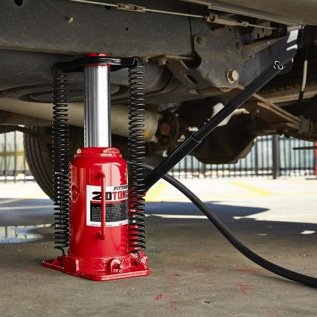
Bottle jacks are strong but have a tall minimum height. They may not fit under low cars or sports sedans. They are best for SUVs, trucks, and vehicles with high ground clearance.
Do I Need A Jack Stand If I Have A Good Car Jack?
Yes. Car jacks are for lifting, not for holding the car while you work. Always use jack stands to support the car, even if your jack is high quality.
Where Can I Find More Information About Car Jack Safety?
You can visit the National Highway Traffic Safety Administration for official guidelines and safety advice on using car jacks and stands.
Choosing the right car jack weight rating is one of the simplest—and most important—steps for safe car repairs. Remember to check your car’s curb weight, add a safety margin, and select a jack that matches your vehicle and your needs.
Never compromise on safety, and always read labels and instructions before using your jack. With these steps, you’ll be ready for any roadside emergency or home garage project.