
A sudden bang from your car’s exhaust can be alarming. Sometimes, it’s just a loud pop. Other times, you might notice a quick loss of power, a strong smell of fuel, or even visible flames. This problem, known as car backfiring, can happen to almost any vehicle—old or new. It not only grabs attention on the road but can also signal deeper trouble with your engine. If ignored, backfiring may reduce fuel efficiency, damage key parts, or even lead to failed emissions tests.
Whether you’re a car owner worried by strange noises, or a DIY enthusiast ready to fix things yourself, understanding the causes and solutions for backfiring is essential. This article will guide you step-by-step, from identifying symptoms to fixing the root cause.
You’ll also learn common mistakes to avoid, tips for a permanent fix, and when it’s time to call a professional.
What Does Backfiring Mean?
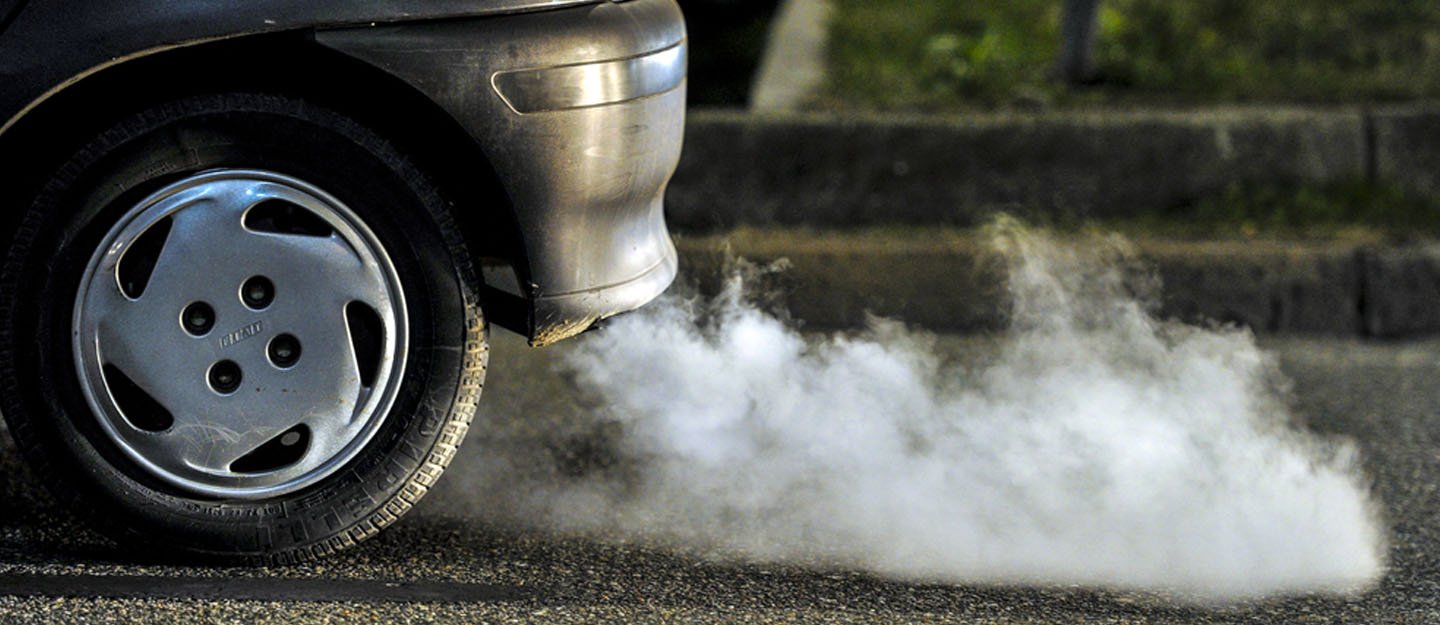
Backfiring is when unburned fuel ignites outside the engine’s combustion chamber—often in the intake or exhaust. The result is a loud bang, pop, or even a series of noises. Sometimes it happens when starting the car, changing gears, or letting off the accelerator.
You may notice:
- Loud noises from the exhaust or engine bay
- Flames or sparks at the tailpipe (in rare cases)
- Strong fuel smell in or around the car
- Jerky acceleration or loss of power
Modern cars have computers that control fuel and ignition. But backfiring can still happen, especially if parts are worn or sensors fail.
What Causes Car Backfiring?
There are several possible reasons. Each affects how air, fuel, or spark reaches the engine:
- Incorrect air-fuel mixture (too rich or too lean)
- Faulty spark plugs or ignition system
- Timing issues
- Vacuum leaks
- Damaged exhaust system
- Bad fuel injectors or carburetor problems
- EGR (Exhaust Gas Recirculation) valve issues
- Malfunctioning sensors (oxygen or mass airflow)
- Clogged air filter
- Low-quality fuel
Let’s look closer at how to find and fix each cause.
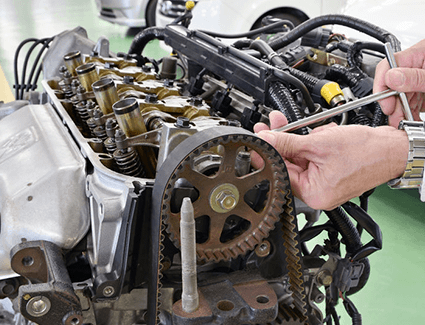
Credit: www.carrchevrolet.com
Step 1: Diagnose The Backfiring Problem
Before you fix anything, it’s smart to diagnose the issue clearly. Guesswork can waste time and money. Here’s how to start:
- Listen: Is the backfire coming from the exhaust or the intake? Exhaust pops are more common.
- Check for patterns: Does it happen when starting, accelerating, or slowing down?
- Look for warning lights: Modern cars often show a “check engine” light if something’s wrong.
- Scan for codes: Use an OBD-II scanner (available at auto stores or online) to read error codes.
If you don’t have a scanner, many auto parts stores will check codes for free. Write down any codes you get—they point to the problem area.
Step 2: Fixing Air-fuel Mixture Issues
If your car’s air-fuel mixture is off, it can cause backfiring. Too much fuel (rich) or too much air (lean) both create problems.
How To Fix
- Check for vacuum leaks: Inspect hoses for cracks or loose connections. Replace as needed.
- Inspect fuel injectors: Dirty or clogged injectors can make the mixture uneven. Use a fuel injector cleaner or have them serviced.
- Test the oxygen sensor: A bad sensor can send wrong signals to the engine computer, causing poor mixture.
- Replace the air filter: A clogged filter reduces air and makes the mixture too rich.
| Issue | Common Sign | Simple Fix |
|---|---|---|
| Vacuum Leak | Hissing sound, rough idle | Replace hose |
| Clogged Air Filter | Reduced power, poor mileage | Install new filter |
| Dirty Fuel Injector | Misfire, uneven acceleration | Use injector cleaner |
Insight: Many beginners forget to inspect vacuum hoses for leaks. Even a small crack can cause big backfiring problems.
Step 3: Check And Replace Spark Plugs
Worn or fouled spark plugs are a leading cause of backfiring. If the spark arrives late, unburned fuel enters the exhaust and ignites there.
How To Check
- Remove spark plugs and inspect them.
- Look for black soot (too rich), white deposits (too lean), or worn electrodes.
- Compare to new plugs for reference.
How To Fix
- Replace plugs with the correct type and gap for your car.
- If you see oil or unusual damage, you may have a deeper engine problem.
Tip: Change spark plug wires and the ignition coil if they look old or cracked. Weak spark causes misfires and backfiring.
Step 4: Inspect The Ignition System
The ignition system controls when and how the spark plug fires. Problems here are common, especially in older cars.
What To Check
- Ignition timing: If timing is off, the spark fires too early or late.
- Distributor cap and rotor: Cracks or corrosion here cause weak spark.
- Ignition coil: A bad coil produces low voltage, causing misfire.
How To Fix
- For modern cars, use a timing light or consult a mechanic—computers control timing.
- For older cars, adjust distributor position or replace worn parts.
| Part | Symptom | Action |
|---|---|---|
| Spark Plug | Misfire, loss of power | Replace plug |
| Ignition Coil | No start, rough idle | Test and replace |
| Distributor Cap | Backfiring, stalling | Inspect and replace |
Non-obvious insight: Sometimes, the ignition coil only fails when hot. Test after a long drive, not just at home.
Step 5: Solve Timing Problems
Timing issues mean the spark or fuel is not arriving at the right moment. This is often a deeper problem, but some basic checks can help.
How To Check
- Use an OBD-II scanner to see if there are timing-related codes.
- Listen for engine pinging or knocking.
- Check timing marks (older vehicles).
How To Fix
- If you suspect a timing belt or chain problem, get it checked by a professional. These are complex repairs.
- For electronic timing, updating the car’s software (ECU reflash) can sometimes help.
Step 6: Address Exhaust System Faults
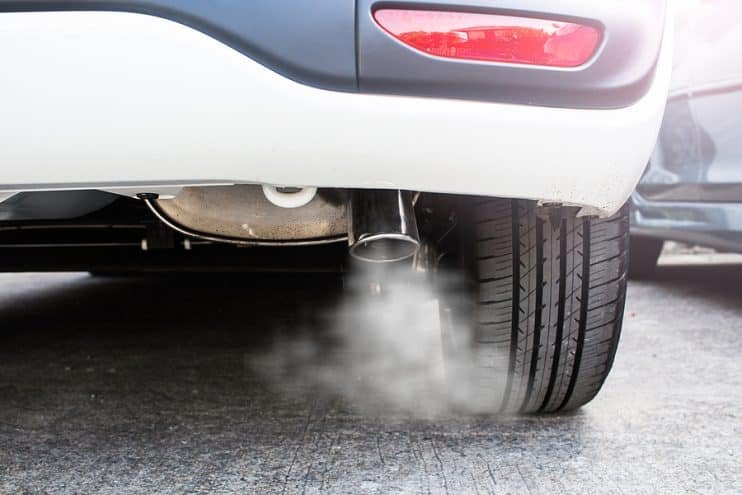
A leaky or damaged exhaust system can let air in, causing unburned fuel to ignite and make loud pops.
How To Check
- Listen for ticking or hissing sounds under the car.
- Inspect for rust, holes, or loose connections in the exhaust.
How To Fix
- Tighten loose clamps.
- Patch small holes with exhaust tape.
- Replace rusted sections if needed.
Expert tip: Some aftermarket exhausts make popping sounds on purpose. If you want a quiet car, use factory-style parts.
Step 7: Check Fuel Injectors Or Carburetor
Modern cars use fuel injectors; older cars use a carburetor. Problems here can cause uneven fuel delivery.
How To Check
- Scan for misfire codes.
- Listen for rough idle or uneven acceleration.
- For carburetors, check for sticking or leaks.
How To Fix
- Clean or replace dirty injectors.
- Rebuild or adjust the carburetor as needed.
Important: Don’t use cheap injector cleaners too often—they can damage seals.
Step 8: Inspect Egr Valve
The EGR (Exhaust Gas Recirculation) valve reduces emissions. If stuck open, it lets exhaust into the intake at the wrong time, causing backfiring.
How To Check
- Scan for EGR-related codes.
- Unplug the valve—if the car runs better, the valve may be bad.
How To Fix
- Clean or replace the EGR valve.
Credit: www.breakerlink.com
Step 9: Test Key Engine Sensors
Oxygen sensors and mass airflow sensors help the car’s computer adjust fuel. If they fail, the engine runs poorly and can backfire.
How To Check
- Scan for sensor codes.
- Look for poor fuel economy, rough idle, or hard starting.
How To Fix
- Replace bad sensors. Use quality parts for reliability.
Step 10: Avoid Low-quality Fuel
Bad or old fuel can cause uneven burning and backfiring. Water or contaminants in the tank are common with low-quality gas.
How To Fix
- Use fresh, high-quality fuel from a busy station.
- Add a fuel system cleaner if needed.
- In severe cases, drain and clean the tank.
Hidden insight: Cars stored for months with old fuel are much more likely to backfire. Always use fuel stabilizer for long storage.
Credit: www.dubizzle.com
When To Call A Mechanic
While many backfiring issues can be fixed at home, sometimes it’s best to call a professional:
- If you smell strong gasoline inside the car
- If there are flames from the tailpipe
- If repairs involve timing belts or internal engine parts
- If you feel unsafe or unsure
Don’t risk further damage. Mechanics have tools and experience to handle complex problems.
Preventing Future Backfires
Fixing the problem is only half the story. Here’s how to keep your car running smoothly:
- Regular maintenance: Change spark plugs, filters, and fluids as recommended.
- Use good fuel: Don’t save money on the cheapest gas.
- Keep sensors clean: Replace oxygen and airflow sensors as needed.
- Inspect hoses: Check for leaks or cracks every oil change.
- Drive gently: Hard acceleration can stress old parts.
Typical Costs For Repairs
Backfiring repairs can cost as little as $10 for a new air filter, or several hundred dollars for sensor or timing repairs. Here’s a quick look:
| Repair | DIY Cost (USD) | Mechanic Cost (USD) |
|---|---|---|
| Spark Plug Replacement | 15–40 | 80–150 |
| Oxygen Sensor | 25–100 | 150–350 |
| Fuel Injector Cleaning | 10–30 | 50–100 |
| Timing Belt/Chain | N/A | 400–1000+ |
Common Mistakes To Avoid
- Ignoring small pops or bangs—these can become bigger problems
- Using wrong spark plugs or cheap sensors
- Skipping regular maintenance
- Overusing fuel additives
- Trying complex timing repairs without experience
Frequently Asked Questions
Why Does My Car Backfire Only When I Slow Down?
Backfiring when slowing down usually means extra fuel is entering the exhaust. This can happen if the air-fuel mixture is too rich or the exhaust system has leaks. Check for vacuum leaks, clean the injectors, and inspect the exhaust for holes.
Can A Dirty Air Filter Cause Backfiring?
Yes, a clogged air filter can reduce airflow and cause the engine to run rich. This extra fuel can cause backfiring, especially during acceleration. Changing the air filter is a quick, low-cost fix.
Is Backfiring Dangerous For My Engine?
Frequent backfiring can damage the exhaust system, catalytic converter, or sensors. In rare cases, it can cause engine fires, especially if fuel leaks are present. It’s best to fix the problem early.
Can I Still Drive My Car If It Backfires?
You can usually drive short distances, but it’s risky. Backfiring can damage engine parts and may lead to breakdowns. Address the cause as soon as possible to avoid higher repair costs.
Where Can I Learn More About Diagnosing Engine Problems?
You can find detailed guides and troubleshooting steps at Wikipedia. This resource explains engine backfiring and related issues in more detail.
Fixing a car backfiring problem is not just about silencing a noise—it’s about protecting your engine and your wallet. By following the steps above, you’ll solve most backfiring issues and keep your car running smoothly for years to come. If you ever feel unsure, don’t hesitate to seek help from a qualified mechanic.
Your car—and your safety—are worth it.