
A car coolant leak from a hose is a common problem for many drivers. It can start as a small drip, but if ignored, it may lead to engine overheating, breakdowns, or even costly repairs. The good news is, you can fix most coolant hose leaks at home with the right tools, patience, and clear guidance.
This article will walk you through every step, from diagnosis to repair, using simple English and practical advice. Whether you are a beginner or have some experience, you will find everything you need to handle a coolant hose leak confidently and safely.
Why Coolant Leaks Happen
Coolant, also called antifreeze, keeps your engine at the right temperature. It runs through hoses connected to the radiator and engine. Over time, these hoses can wear out. Here are some main reasons for leaks:
- Aging hoses: Rubber hoses get hard and crack as they age.
- Loose clamps: Clamps hold hoses in place. If they get loose, coolant can escape.
- High pressure: Hot coolant under pressure can force its way out of weak spots.
- External damage: Rocks, sharp tools, or engine parts rubbing against hoses can create holes.
- Poor installation: Hoses that are twisted or not fitted properly may leak.
Not all leaks are the same. Sometimes it’s a slow drip, sometimes a fast spray. Finding out the cause is the first step to fixing it.
Warning Signs Of A Coolant Hose Leak
Don’t wait for the engine to overheat. Watch for these early warning signs:
- Puddle under your car: Usually green, orange, or pink liquid.
- Sweet smell: Coolant often smells sweet and is easy to notice.
- Low coolant level: If you keep topping up your coolant, there may be a leak.
- Steam from the engine: This means coolant is escaping and turning into vapor.
- Engine temperature rising: The gauge on your dashboard may move into the red.
Ignoring these signs can risk serious engine damage. Catching a leak early makes the repair much easier.
Safety First: What To Do Before Starting
Repairing a coolant hose is not difficult, but safety is important. Hot coolant can cause burns, and a running engine is dangerous. Always:
- Turn off the engine and let it cool for at least 30 minutes.
- Wear gloves and eye protection.
- Work in a well-ventilated area to avoid breathing in fumes.
- Keep pets and children away from the work area—coolant is toxic.
Never try to open the radiator cap while the engine is hot. Pressure can shoot boiling coolant out, causing serious burns.
Finding The Leak: Step-by-step
Locating the source of a coolant leak can be tricky, especially if the hose is hidden. Here’s how to make it easier:
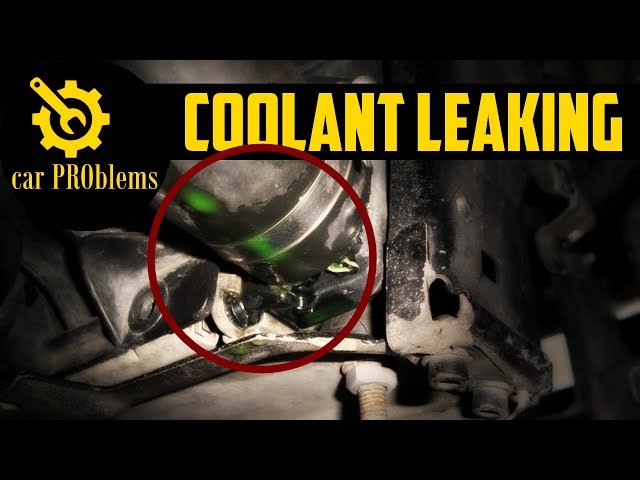
- Look for drips: Check under the car for puddles. Trace the liquid upward to find where it starts.
- Check hose connections: Run your fingers along each hose and where it joins the radiator or engine. Feel for wetness or slippery spots.
- Use a flashlight: Shine it into tight spots to see better.
- Squeeze hoses: Gently press the hoses. Soft or mushy spots mean damage inside.
- Pressure test: If you can’t find the leak, a mechanic can use a coolant pressure tester. This tool pumps air into the system to force leaks to show.
Sometimes, coolant leaks only when the engine is hot. If you don’t see a leak right away, try running the engine for a few minutes, then check again after it cools.
Tools And Materials You’ll Need
Before you start the repair, gather all the tools and materials. This will help the job go smoothly.
- Replacement hose: Make sure it matches your car’s make and model.
- Hose clamps: Old clamps may not seal well—replace them if needed.
- Screwdriver or pliers: For removing and tightening clamps.
- Coolant: Use the type recommended by your car’s manufacturer.
- Drain pan: To catch old coolant.
- Rags or paper towels: For cleaning up spills.
- Knife or hose cutter: To remove the old hose.
- Gloves and safety glasses: For protection.
Optional but helpful:
- Funnel: For pouring coolant.
- Jack and stands: If the hose is hard to reach.
- Flashlight: To see in dark engine areas.
How To Fix A Coolant Hose Leak: Step-by-step Guide
Once you have your tools, you’re ready to start. Follow these steps for a successful repair.
1. Let The Engine Cool
Never work on a hot engine. Wait at least 30–60 minutes after shutting it off. Touch the radiator cap to check if it’s cool. Only start when you’re sure it’s safe.
2. Drain The Coolant
Place a drain pan under the radiator. Slowly open the radiator drain valve or remove the lower hose. Catch the coolant in the pan. If it’s clean, you can reuse it, but if it’s dirty or old, plan to replace it.
3. Remove The Damaged Hose
Find the leaking hose. Use a screwdriver or pliers to loosen the hose clamps at both ends. Slide the clamps away from the connection points. Twist and pull the hose off gently. If it sticks, use a knife to carefully cut it off.
Be careful not to damage the metal parts.
4. Clean The Connections
Old coolant can leave residue on the metal pipes. Wipe the ends with a rag. Remove any rust or build-up so the new hose seals properly.
5. Install The New Hose
Slide new clamps onto the hose first. Push the hose firmly onto the metal fittings at both ends. Make sure it sits all the way down. Position the clamps about 1/4 inch from the end of the hose and tighten them securely—but not so tight that you cut into the rubber.
6. Refill The Coolant
If you drained old coolant, pour it back in (if it’s clean), or use fresh coolant. Use a funnel to avoid spills. Fill until it reaches the “Full” line on the reservoir.
7. Bleed The System
Air trapped inside can cause overheating. Some cars have a bleed valve—open it while adding coolant until only liquid comes out. If not, start the engine with the radiator cap off and let it idle. Watch for bubbles; when they stop, the air is gone.
Top up the coolant as needed.
8. Check For Leaks
Run the engine until it reaches normal temperature. Watch the hose and clamps for leaks. Tighten the clamps a little more if needed. If everything is dry, you’re done.
9. Dispose Of Old Coolant Properly
Coolant is toxic and can harm the environment. Never pour it down the drain or on the ground. Take it to a recycling center or auto parts store that accepts used fluids.
Credit: www.holtsauto.com
Quick Comparison: New Vs. Old Coolant Hoses
It’s useful to understand how a good hose compares to a bad one. This makes spotting trouble easier.
| Feature | Good Hose | Bad Hose |
|---|---|---|
| Color | Uniform, black | Faded, discolored |
| Texture | Firm, flexible | Cracked, mushy, hard |
| Surface | Dry, clean | Oily, sticky, wet |
| Leakage | None | Drips or stains |
Hose Clamps: Types And Which To Choose
Not all hose clamps are the same. Picking the right one can prevent future leaks.
| Clamp Type | How It Works | Best Use |
|---|---|---|
| Worm Gear | Turn screw to tighten | Most cars; easy to adjust |
| Spring Clamp | Pinch ends to open | Factory-installed; holds tension well |
| Wire Clamp | Twist wire to tighten | Older cars; light-duty |
For most repairs, worm gear clamps are easiest for DIYers. Just be careful not to overtighten.
Common Mistakes To Avoid
Even simple jobs can go wrong. Here are mistakes beginners often make:
- Not letting the engine cool: This is dangerous and can cause burns.
- Reusing old clamps: Old clamps may not seal well and can leak again soon.
- Cutting hoses too short: The hose should be long enough to slide fully onto the fittings.
- Overtightening clamps: This can cut into the hose and create leaks.
- Using the wrong hose: Always match the hose to your car’s make, model, and engine.
- Forgetting to bleed the system: Air pockets can cause overheating.
Many beginners think all hoses are the same. But coolant hoses must resist heat, pressure, and chemicals. Using a fuel or vacuum hose instead will lead to quick failure.
Tips For A Lasting Repair
Want your repair to last? Here are some expert tips:
- Replace hoses in pairs: If one hose is bad, the other may fail soon.
- Check clamps after a few days: Hoses can settle, causing clamps to loosen.
- Inspect hoses every oil change: Early detection prevents big problems.
- Flush coolant every 2–5 years: Old coolant can damage hoses from the inside.
- Keep extra coolant in your trunk: If you notice a drop, you can top up before trouble starts.
Credit: www.youtube.com
When To See A Mechanic
Most hose leaks are easy to fix at home. But get professional help if:
- The leak is hard to reach or see.
- The hose runs under the engine or behind other parts.
- You see coolant mixing with oil (milky oil).
- The engine still overheats after repair.
Complicated leaks may require special tools or skill. Mechanics have pressure testers, lifts, and experience for tough jobs.
How Much Does It Cost To Fix A Coolant Hose Leak?
The cost depends on your car and if you do it yourself or hire a mechanic. Here’s a breakdown:
| Repair Type | DIY Cost | Mechanic Cost |
|---|---|---|
| Hose & Clamp | $10 – $40 | $70 – $200 |
| Coolant | $15 – $30 | Included |
| Total | $25 – $70 | $70 – $200+ |
Fixing the leak yourself can save a lot of money. But always put safety and quality first.

Credit: www.bluedevilautocaresolutions.com
Frequently Asked Questions
What Kind Of Coolant Should I Use After Fixing A Leak?
Always use the coolant type recommended in your car’s owner manual. Mixing different types (like green and orange) can cause chemical reactions and damage your cooling system.
Can I Drive With A Small Coolant Hose Leak?
It’s risky. Even a small leak can grow quickly. If you must drive, keep extra coolant and watch your temperature gauge. Stop if the engine gets hot. But fixing the leak as soon as possible is best.
How Long Does It Take To Fix A Coolant Hose Leak?
Most jobs take 30 minutes to 2 hours. If the hose is easy to reach, it’s quick. Hard-to-reach hoses or stubborn clamps can take longer.
Is It Safe To Use Leak Sealant Products?
Temporary sealants can stop very small leaks, but they are not a permanent solution. They may clog parts of the cooling system. It’s always safer to replace the faulty hose.
What Should I Do If Coolant Spills On The Ground?
Coolant is harmful to pets and the environment. Clean spills with rags and soapy water right away. Dispose of old coolant responsibly—never pour it down drains. For more on safe coolant handling, see this guide from the U.S. Environmental Protection Agency.
Fixing a car coolant leak from a hose is a valuable skill. It saves money, prevents breakdowns, and gives you confidence under the hood. With the steps and tips above, you can handle most hose leaks safely and correctly. And remember—regular checks keep your car running smoothly for years to come.