
If you hear a knocking sound from your car engine, it can make you feel worried. This noise is a warning that something inside your engine is not working as it should. Ignoring it can lead to serious and expensive problems.
The good news is that you can often fix engine knocking if you find the cause early. This guide will help you understand why engine knocking happens, how to identify it, and what steps you can take to fix it.
Whether you are a car owner with little technical knowledge or someone who wants to learn more, you will find clear, practical advice here.
What Is Engine Knocking?
Engine knocking is a sharp, metallic tapping sound that you hear from your engine, especially when you accelerate. It happens when the air-fuel mixture in the cylinder does not burn smoothly. Instead of a controlled flame, you get a quick explosion that creates a shockwave. This shock causes the knocking sound.
A small amount of engine knock may not cause immediate damage, but frequent knocking can harm pistons, valves, and cylinder walls. Over time, this can lead to engine failure.
Common Causes Of Engine Knocking
Understanding the root causes is key to fixing the problem. Here are the most common reasons for engine knocking:
- Low-Quality Fuel: Using fuel with a low octane rating can cause the air-fuel mixture to burn too quickly.
- Incorrect Spark Plugs: Wrong type or worn spark plugs can ignite the mixture at the wrong time.
- Carbon Deposits: Carbon build-up inside cylinders increases compression and hot spots, causing knock.
- Faulty Knock Sensor: Modern engines use sensors to detect knocking and adjust timing. If this sensor fails, the engine cannot fix itself.
- Incorrect Ignition Timing: If the spark happens too early or late, it can cause knocking.
- Lean Air-Fuel Mixture: Too much air and not enough fuel creates a lean mix, leading to knocking.
- Overheating: High engine temperature increases the chance of knocking.
- Bad EGR Valve: The Exhaust Gas Recirculation (EGR) valve helps control temperature. If it fails, knocking can occur.
- Worn Engine Bearings: These can create noises that are often mistaken for knocking.
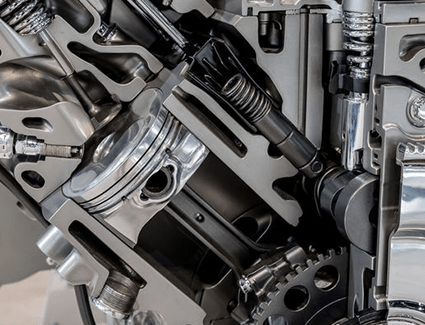
Credit: www.captoyota.com
How To Identify Engine Knocking
It is important to confirm that the sound you hear is actually engine knocking. Here are some ways to identify it:
- The noise is sharp, metallic, and repetitive.
- It gets louder with acceleration or under load.
- The sound comes from the top of the engine.
- It may go away when the engine is idling or at low speed.
If you are unsure, compare the sound with online audio clips from trusted car repair websites.
Step-by-step Guide To Fixing Engine Knocking
Fixing engine knocking involves careful checks and repairs. Here’s what you should do:
1. Use The Correct Fuel
Check your car manual for the recommended octane rating. Using a lower grade than required can cause knocking. If you have filled the tank with the wrong fuel, refill with the correct one as soon as possible.
2. Replace Spark Plugs
Inspect your spark plugs. If they are worn, fouled, or the wrong type, replace them with the recommended model. This small fix can solve many knocking problems.
3. Clean Carbon Deposits
Over time, carbon deposits build up inside the engine. You can use a fuel system cleaner or have a mechanic perform a professional cleaning. This reduces hot spots and restores normal combustion.
4. Check The Knock Sensor
A faulty knock sensor can stop your engine from adjusting timing. Use a code reader to check for error codes. If the sensor is bad, replace it.
5. Adjust Ignition Timing
Older cars with adjustable timing may need a manual reset. Use a timing light to check and adjust the timing according to your car’s specifications. Modern engines usually adjust timing automatically, but a faulty sensor can interfere.
6. Fix Air-fuel Mixture
A lean mixture can be caused by vacuum leaks, clogged injectors, or a bad mass airflow sensor. Inspect these parts and replace or clean as needed. Sometimes, a mechanic’s diagnostic tool is needed to find the exact cause.
7. Maintain Engine Cooling
If your engine overheats, check for coolant leaks, a bad thermostat, or a broken water pump. Make sure your radiator is clean and filled with the right coolant mix.
8. Repair Or Replace The Egr Valve
A stuck or faulty EGR valve can cause high temperatures and knocking. Remove the valve and clean it, or replace it if necessary.
9. Inspect Engine Bearings
If the sound is deeper and comes from the lower engine, it may be a worn bearing rather than knocking. This repair is serious and requires a mechanic.
Comparing Common Fixes: Cost, Skill Level, And Effectiveness
Understanding the repair options helps you choose the best approach. Here is a comparison of common fixes:
| Fix | DIY Skill Level | Estimated Cost | Effectiveness |
|---|---|---|---|
| Replace Spark Plugs | Easy | $10–$40 | High |
| Use Correct Fuel | Very Easy | $0–$20 (per tank) | High |
| Clean Carbon Deposits | Medium | $10–$100 | Medium to High |
| Replace Knock Sensor | Medium | $50–$200 | High |
| Adjust Ignition Timing | Medium | $0–$100 | Medium |
| Fix Air-Fuel Mixture | Advanced | $0–$300 | High |
| Repair EGR Valve | Medium | $50–$250 | Medium |
| Repair Bearings | Professional | $500–$2000+ | High |
Extra Insights: What Most Beginners Miss
Many new car owners focus only on the fuel or spark plugs. But two important areas are often missed:
- Software Updates: Modern cars sometimes need an engine control unit (ECU) update to fix knocking issues. Car manufacturers release these updates to improve timing or adjust sensors. Ask your dealer if a software update is available.
- Seasonal Changes: Some cars knock more in hot weather because fuel evaporates faster. If you live in a hot area, use summer-blend fuel and check cooling systems more often.
How To Prevent Engine Knocking
Prevention saves money and stress. Here are ways to avoid engine knocking in the future:
- Always use the recommended fuel for your car.
- Change spark plugs at the intervals listed in your manual.
- Keep up with regular maintenance, including oil changes and filter replacements.
- Clean the fuel system once a year with a quality cleaner.
- Check engine warning lights and fix problems quickly.
- Service the cooling system before summer starts.
- Listen for new noises and act early.
Diagnosing Knocking Vs. Other Engine Noises
Not all engine noises are knocking. Here is a quick comparison to help you:
| Noise Type | Sound Description | Common Cause | Severity |
|---|---|---|---|
| Knocking | Sharp metallic ping | Bad fuel, timing, plugs | Medium to High |
| Ticking | Fast, light tapping | Valve train | Low to Medium |
| Rattling | Loose, shaking sound | Heat shield, mounts | Low |
| Deep knocking | Heavy, deep thump | Bearing failure | High |
If you are not sure, it is better to have a mechanic check the sound.
When To See A Professional Mechanic
Some engine knocking can be fixed at home, but there are times when you need expert help:
- The knocking noise gets worse quickly.
- You see engine warning lights.
- The engine loses power or misfires.
- You hear deep or multiple types of knocking.
- DIY fixes do not solve the problem.
Professional mechanics have diagnostic tools to check sensors, timing, and fuel systems. Early diagnosis can save you thousands of dollars.
Real-world Example
A 2015 Honda Accord owner noticed engine knocking after filling up at a cheap gas station. He switched to premium fuel, but the noise continued. A mechanic found that two spark plugs were worn out, and there was a small vacuum leak causing a lean mixture.
After replacing the spark plugs and fixing the leak, the engine ran smoothly and quietly.
This example shows that engine knocking can have more than one cause, and it often needs careful inspection.
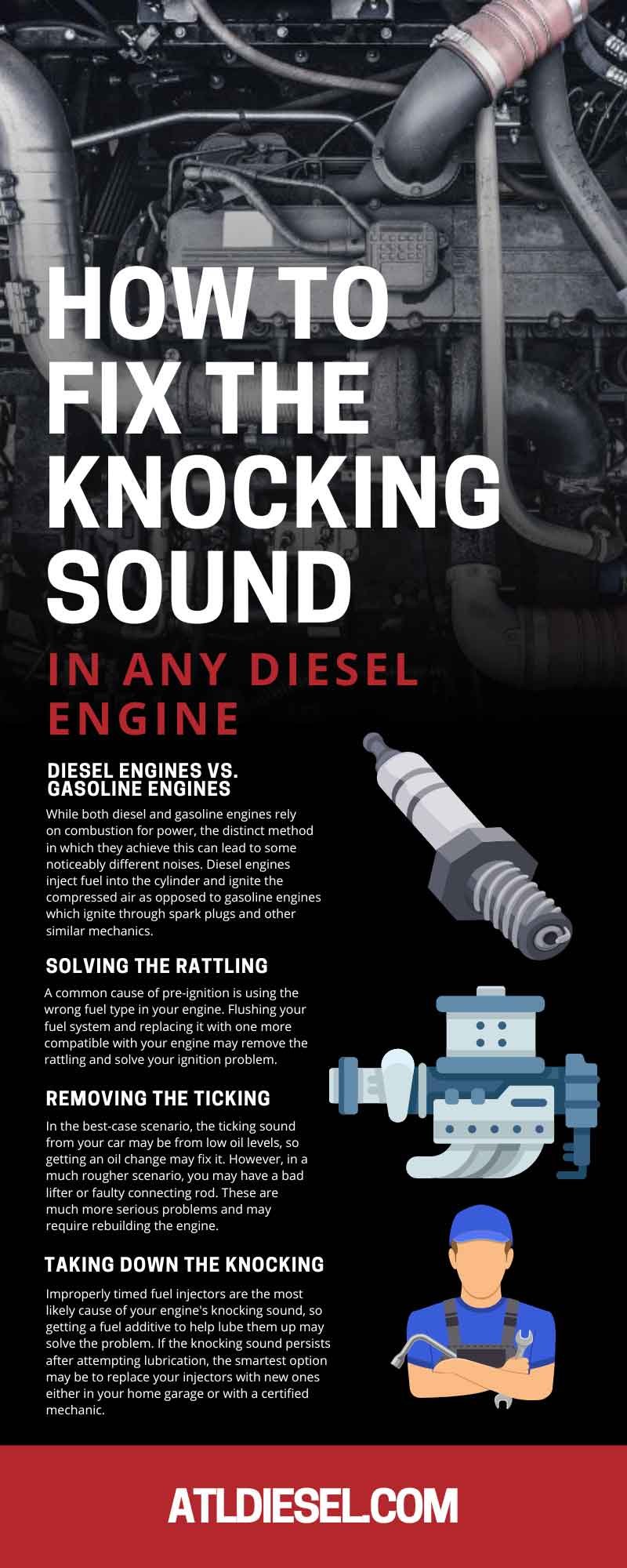
Credit: atldiesel.com
Latest Technology In Knock Detection
Modern cars use advanced sensors to detect and fix knocking before you notice it. The knock sensor sends signals to the engine computer, which adjusts timing and fuel mix. Some sports cars even use two knock sensors for better accuracy.
You can read more about knock sensors and how they work on the Wikipedia Knock Sensor page.
Frequently Asked Questions
Why Does My Car Knock Only When Accelerating?
Knocking during acceleration often means the engine is under high load. This puts more pressure on the air-fuel mixture, making it more likely to burn unevenly, especially if you use low-octane fuel or the timing is off.
Can Engine Knocking Damage My Engine Quickly?
Yes, frequent or severe knocking can damage pistons, valves, and cylinder walls within weeks or months. It’s important to fix the cause early to avoid costly repairs.
Is It Safe To Keep Driving With A Knocking Sound?
It is not safe to ignore engine knocking. Even if the car still runs, the problem can get worse and lead to a complete engine failure, leaving you stranded or facing a huge repair bill.
Do Fuel Additives Really Help With Engine Knocking?
Some fuel additives can clean carbon deposits and raise octane slightly, which helps mild knocking. However, they cannot fix serious mechanical problems or sensor failures.
How Do I Know If The Knocking Is From Bad Bearings Or Just Bad Fuel?
Bad bearings make a deeper, louder knock that changes with engine speed and often gets worse quickly. Knocking from bad fuel is usually higher pitched and happens more under load. If you are unsure, have a mechanic check it to avoid serious damage.
Fixing car engine knocking is all about early detection and using the right repair method for your situation. By following these steps, you can keep your engine running smoothly and avoid expensive breakdowns. Remember, a little attention now can prevent major problems later.
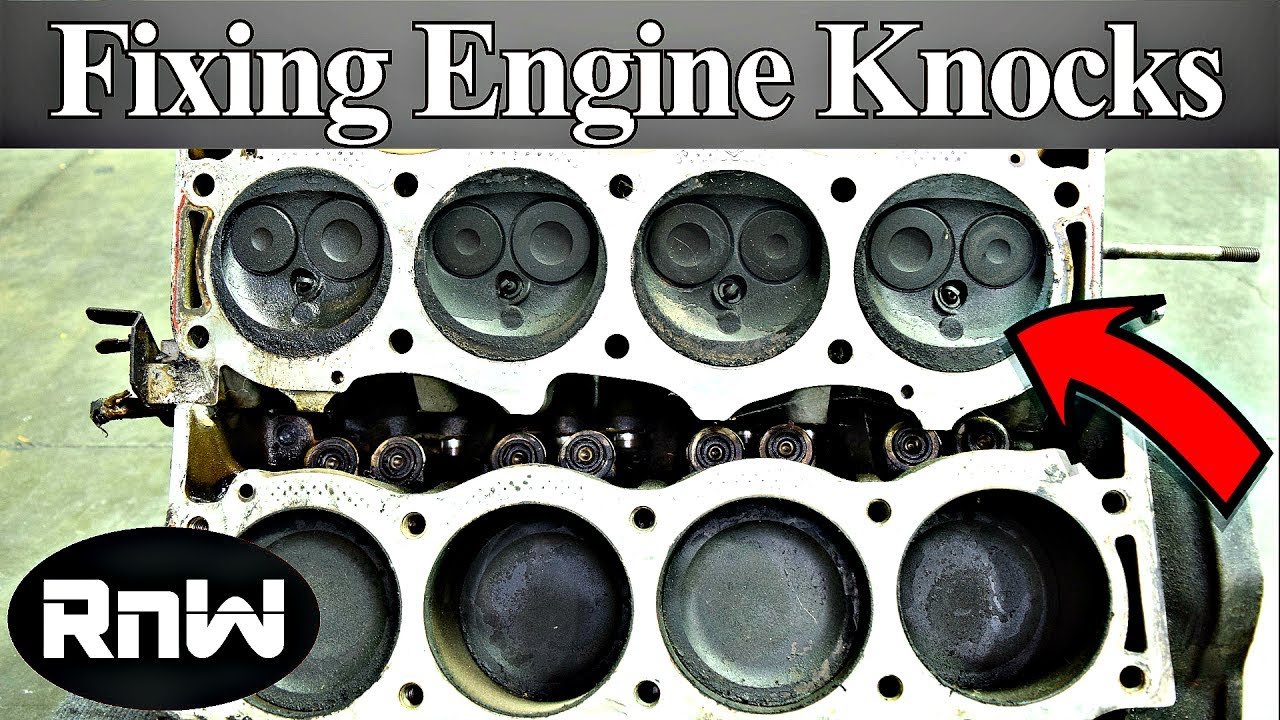
Credit: www.youtube.com