
A leaking power steering rack can turn a smooth drive into a frustrating and even dangerous experience. If you’ve noticed power steering fluid under your car or your steering feels heavy, it’s likely you have a leak. Fixing a power steering rack leak may seem intimidating, but with the right knowledge, tools, and patience, you can address the problem yourself or know when to seek professional help. Understanding what causes these leaks, how to diagnose them, and the correct steps to fix them can save you time, money, and stress on the road.
Understanding Power Steering Rack Leaks
The power steering rack is a vital part of your car’s steering system. It uses hydraulic pressure to help you turn the wheel easily. Most leaks happen in the rack because it works under high pressure, and seals or hoses can wear out over time.
When fluid leaks out, the system loses pressure. This makes the steering wheel harder to turn and, if ignored, can damage the steering pump. Leaks also create a mess under your car and may cause the steering to fail while driving.
Common Causes Of Power Steering Rack Leaks
- Worn Seals: The rubber seals inside the rack can dry out or crack, especially with age or exposure to dirt.
- Damaged Hoses: High-pressure hoses can split or loosen, allowing fluid to escape.
- Corroded Lines: Rust can eat through metal lines, making small holes.
- Loose Clamps/Fittings: Sometimes, connections simply work loose due to vibration.
- Physical Damage: Impacts from curbs or road debris can damage the rack or lines.
Recognizing the root cause is the first step before attempting any repair.
Signs You Have A Power Steering Rack Leak
It’s important to identify a leak early. Watch for these clear signs:
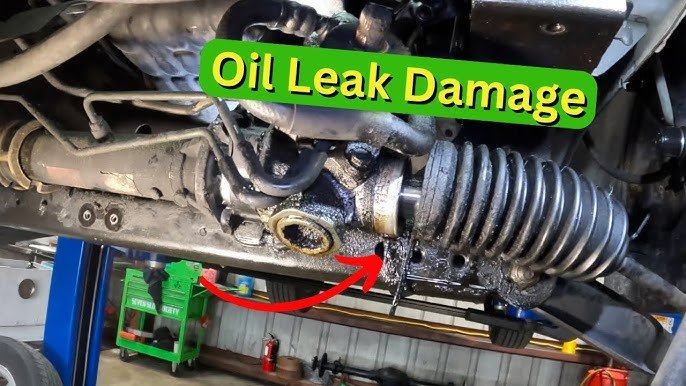
- Fluid puddles under the car, especially under the engine bay.
- Low power steering fluid in the reservoir, even after refilling.
- Steering feels heavy or jerky, especially at low speeds.
- Whining noise when turning the steering wheel.
- Burning smell if leaking fluid lands on hot engine parts.
If you notice these symptoms, check the power steering system immediately.
Credit: www.youtube.com
Diagnosing The Exact Leak Location
Finding where the leak comes from can be tricky, as fluid may drip away from the real source. Here’s how to pinpoint it:
- Clean the System: Wipe the rack, hoses, and connections with a degreaser.
- Add UV Dye: Special power steering dye (available at auto shops) helps find leaks. Add it to the fluid, run the engine, and shine a UV light to see where the fluid escapes.
- Inspect Under the Car: Look for wet or shiny spots on the rack, hoses, and fittings.
- Check End Boots: If the rubber boots on the rack ends are swollen or leaking, the inner seals may be broken.
- Look at Connections: Examine where hoses join the rack and pump. Loose or corroded fittings are common leak points.
A detailed inspection saves time and avoids replacing the wrong parts.
Can You Fix A Power Steering Rack Leak Yourself?
DIY repairs are possible if the leak is small or comes from a hose or fitting. However, internal rack leaks (like worn seals) often require removing and rebuilding the rack—a more advanced job.
You can fix:
- Loose connections
- Cracked hoses
- Minor seal leaks (sometimes with stop-leak additives)
But, if the rack body is cracked or the seals are worn out, you may need a professional or a full rack replacement.
Step-by-step: Fixing A Power Steering Rack Leak
Follow these steps for a safe and effective repair:
1. Gather Tools And Materials
You will need:
- Wrenches (metric and standard)
- Screwdrivers
- Power steering fluid (check vehicle manual for type)
- Replacement hoses/seals (as needed)
- Jack and stands
- Catch pan
- Rags and degreaser
- Stop-leak additive (optional)
- UV dye and light (for diagnosis)
2. Lift And Secure The Vehicle
- Park on a level surface.
- Set the parking brake.
- Jack up the car and support with stands under the frame.
- Never work under a car supported only by a jack.
3. Find The Leak
- Clean the rack and lines.
- Use UV dye if needed.
- Turn the wheel from lock to lock with the engine running to pressurize the system.
- Check for leaks with the engine off and the car safely supported.
4. Fix Or Replace Damaged Parts
Tightening Connections
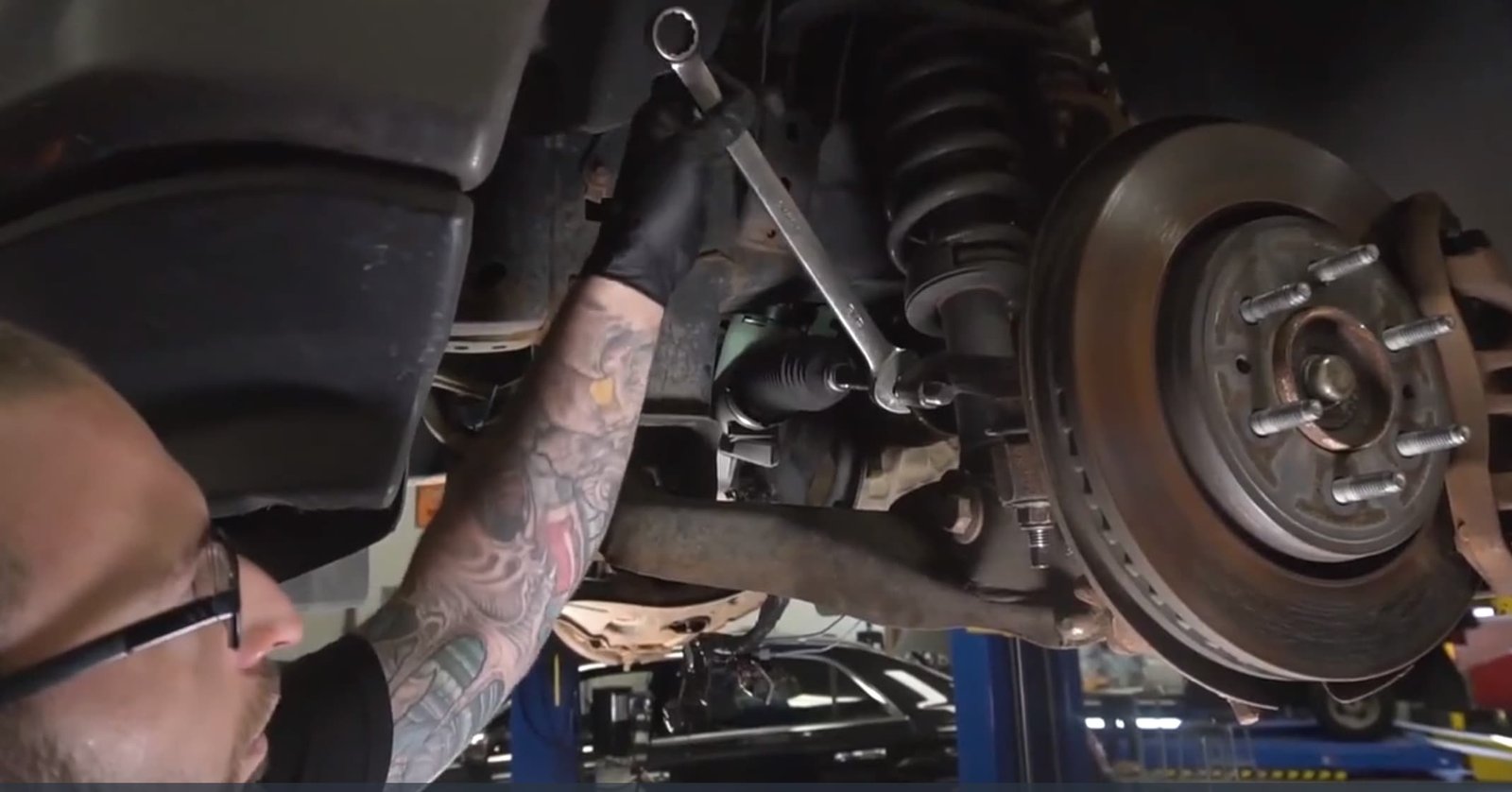
- If the leak is from a loose fitting, gently tighten it with the correct wrench.
- Do not overtighten, as this can strip threads or crush seals.
Replacing Hoses
- Remove the leaking hose by loosening the clamps or fittings.
- Compare the old hose with the new one to ensure a match.
- Install the new hose, securing clamps or fittings firmly.
- Wipe away spilled fluid.
Changing Rack Seals (advanced)
- Remove the tie rod ends and disconnect the rack from the steering column.
- Unbolt the rack from the subframe.
- Drain all fluid.
- Use a seal puller to remove old seals.
- Carefully install new seals, lubricate, and reassemble.
- This job may require specialty tools and is not recommended for beginners.
Using Stop-leak Additives
- Pour the recommended amount into the reservoir.
- Drive the car for a few days, checking for improvement.
- These products can swell rubber seals, but are a temporary fix.
5. Refill And Bleed The System
- Pour the correct fluid into the reservoir.
- With the car still on stands, turn the steering wheel side to side several times (engine off).
- Start the engine, repeat the process to remove air from the system.
- Check for bubbles or foaming in the fluid—if present, keep bleeding.
- Top up fluid as needed.
6. Test Drive And Inspect
- Lower the car and test drive for a short distance.
- Check under the car for leaks.
- Reinspect fluid level and connections.
A thorough test ensures the repair is complete.
When To Replace The Entire Power Steering Rack
Sometimes, a full rack replacement is the best or only solution. Here’s when:
- The rack body is cracked, bent, or rusted through.
- Seals have failed and stop-leak does not help.
- Rebuilding costs are higher than replacement.
- Steering feels loose or unresponsive even after repair.
Most modern racks are sold as complete units. Rebuilding is possible but often not cost-effective unless you have experience.
Comparing Repair Vs. Replacement
Here is a simple comparison to help decide:
| Aspect | Repair (Seals/Hoses) | Replace Rack |
|---|---|---|
| Cost | Low ($20–$100) | High ($300–$800+ parts) |
| Difficulty | Easy to moderate | Advanced/Professional |
| Time | 1–3 hours | 4–8 hours |
| Tools Needed | Basic | Specialty |
| Success Rate | High (for minor leaks) | Guaranteed (if installed correctly) |
Choosing the right solution depends on your skills, budget, and the leak’s severity.
Prevention: How To Avoid Future Leaks
Fixing a leak is good, but preventing leaks is even better. Simple habits can make your power steering system last longer:
- Check fluid level monthly and use only the recommended type.
- Inspect hoses and clamps during oil changes.
- Clean the rack area to spot leaks early.
- Replace fluid every 2–3 years to keep seals healthy.
- Avoid turning the wheel to full lock for long periods (puts extra pressure on seals).
- Fix leaks early—small leaks can become big problems fast.
Many drivers miss the benefit of regular fluid changes. Old or dirty fluid breaks down seals and causes leaks. Fresh fluid keeps the system working smoothly.
Real-world Example: Fixing A Leaking Steering Rack
John noticed his steering wheel was getting heavy and saw a red puddle under his sedan. He traced the leak to a worn pressure hose. Using his car’s manual, he bought the correct replacement. After safely lifting the car, he swapped the hose, topped up the fluid, and bled the system. The leak stopped, and steering returned to normal. John saved hundreds compared to a shop repair.
This example shows that with some research and care, many leaks are fixable at home.
Credit: www.autozone.com
Common Mistakes To Avoid
- Ignoring early signs. Small leaks can destroy the pump and rack if left unfixed.
- Using the wrong fluid. Always check the owner’s manual.
- Overfilling the reservoir. Too much fluid can cause leaks.
- Incorrectly tightening fittings. Both too loose and too tight can create leaks.
- Not bleeding the system. Air in the system can damage the pump and cause noise.
Many beginners forget to check all hose connections after repair, leading to new leaks soon after.
Cost Breakdown: Diy Vs. Professional Repair
Here’s a quick look at potential costs:
| Item | DIY Cost | Shop Cost |
|---|---|---|
| Hose Replacement | $20–$60 | $120–$300 |
| Seal Kit | $30–$80 | $200–$500 |
| Full Rack Replacement | $250–$800 | $700–$2,000 |
| Labor (per hour) | Free (your time) | $80–$150 |
DIY is much cheaper but requires tools and some skill. For complex leaks, professional help can be worth the extra cost.
Credit: vfauto.com
Final Tips For A Lasting Repair
- Use only quality parts from trusted brands.
- Double-check all connections before lowering the car.
- Test steering at low speeds before returning to normal driving.
- Keep an eye on fluid level for the next few days.
- Don’t hesitate to call a mechanic if unsure.
Remember, a safe steering system is critical for your safety and peace of mind.
Frequently Asked Questions
What Power Steering Fluid Should I Use?
Always check your vehicle owner’s manual for the correct type. Using the wrong fluid can damage seals and cause leaks. Most cars use either ATF (Automatic Transmission Fluid) or a specific power steering fluid.
Can Stop-leak Additives Fix A Steering Rack Leak?
Stop-leak products can help minor seal leaks by swelling rubber seals. They are not a permanent solution and may not work for large leaks or damaged racks.
How Long Does It Take To Replace A Power Steering Rack?
A professional mechanic usually needs 4–8 hours to replace a rack. DIY can take longer, especially if it’s your first time.
Is It Safe To Drive With A Leaking Power Steering Rack?
Driving with a leak is not safe. The steering can fail suddenly, especially at low speeds or during parking. Leaking fluid can also damage other parts of the car.
How Can I Make My Repair Last Longer?
Use the right parts and fluid, bleed the system carefully, and check for leaks often. Avoid full lock turns and replace fluid every few years. Regular maintenance is key.
For more in-depth details on power steering systems, visit the Wikipedia page on steering racks.
Fixing a power steering rack leak isn’t just about keeping your car running—it’s about staying safe and avoiding costly repairs later. With the right approach, you can handle minor leaks yourself and keep your steering smooth for years to come.