
Replacing an automotive evaporator core is a major HVAC repair because it often requires dashboard disassembly and opening the refrigerant circuit. Confirm the evaporator is actually leaking before replacing it, follow the vehicle-specific airbag/dashboard procedure, and arrange compliant refrigerant recovery and recharge rather than venting or guessing charge quantity.
Before opening the system, confirm the evaporator is actually leaking or clogged. If the problem is only low refrigerant, start with this car AC refrigerant level check first. While the dashboard and HVAC box are apart, it is also smart to inspect airflow parts and replace the cabin air filter if it is dirty.
What Is The Evaporator Core And Why Replace It?
The evaporator core is like a small radiator, usually located deep inside your car’s dashboard. Refrigerant passes through it and absorbs heat from the cabin air, making the air cool and comfortable. Over time, the evaporator can leak, get clogged, or develop mold. Common signs you need a replacement include:
- Weak or no cold air from vents
- Sweet or musty smell from the AC
- Fogging inside windows
- Wet spots under the dashboard (not always from the AC)
Replacing the core is necessary for a reliable and safe AC system. Ignoring the problem can lead to expensive repairs and even damage other AC parts.
Confirm the Evaporator Before Replacing It
Weak cooling, musty odor, window fogging, or water under the dash do not prove the evaporator core has failed. Before a dashboard teardown, verify refrigerant loss or restriction with proper diagnostics. Evidence may include leak-detector response at the evaporator drain or vents, UV dye where approved, abnormal temperature/pressure behavior, or visual confirmation after partial disassembly.
Water on the passenger floor can also come from a blocked evaporator drain, heater-core leak, windshield leak, or body seam. A sweet coolant smell points more toward the heater core than the A/C evaporator.
Tools And Materials Needed
Before starting, gather all tools and parts. Working on the AC system is a big project, and being prepared makes it easier and safer.
- Socket set (metric and standard)
- Screwdrivers (flat and Phillips)
- Pliers
- Plastic trim removal tools
- Torx drivers (for some dashboards)
- Ratchet and extensions
- Wrenches
- Replacement evaporator core (make sure it fits your car’s year, make, and model)
- O-rings and seals (new, for all AC connections)
- Access to compliant refrigerant recovery/service equipment, or professional recovery and recharge service
- AC manifold gauge set
- Vacuum pump
- The exact refrigerant type and charge specification listed for the vehicle
- Safety glasses and gloves
- Shop towels
- Plastic bags and labels (for screws and small parts)
One thing beginners often overlook is the need for new O-rings. Reusing old ones can cause leaks and mean redoing the job.
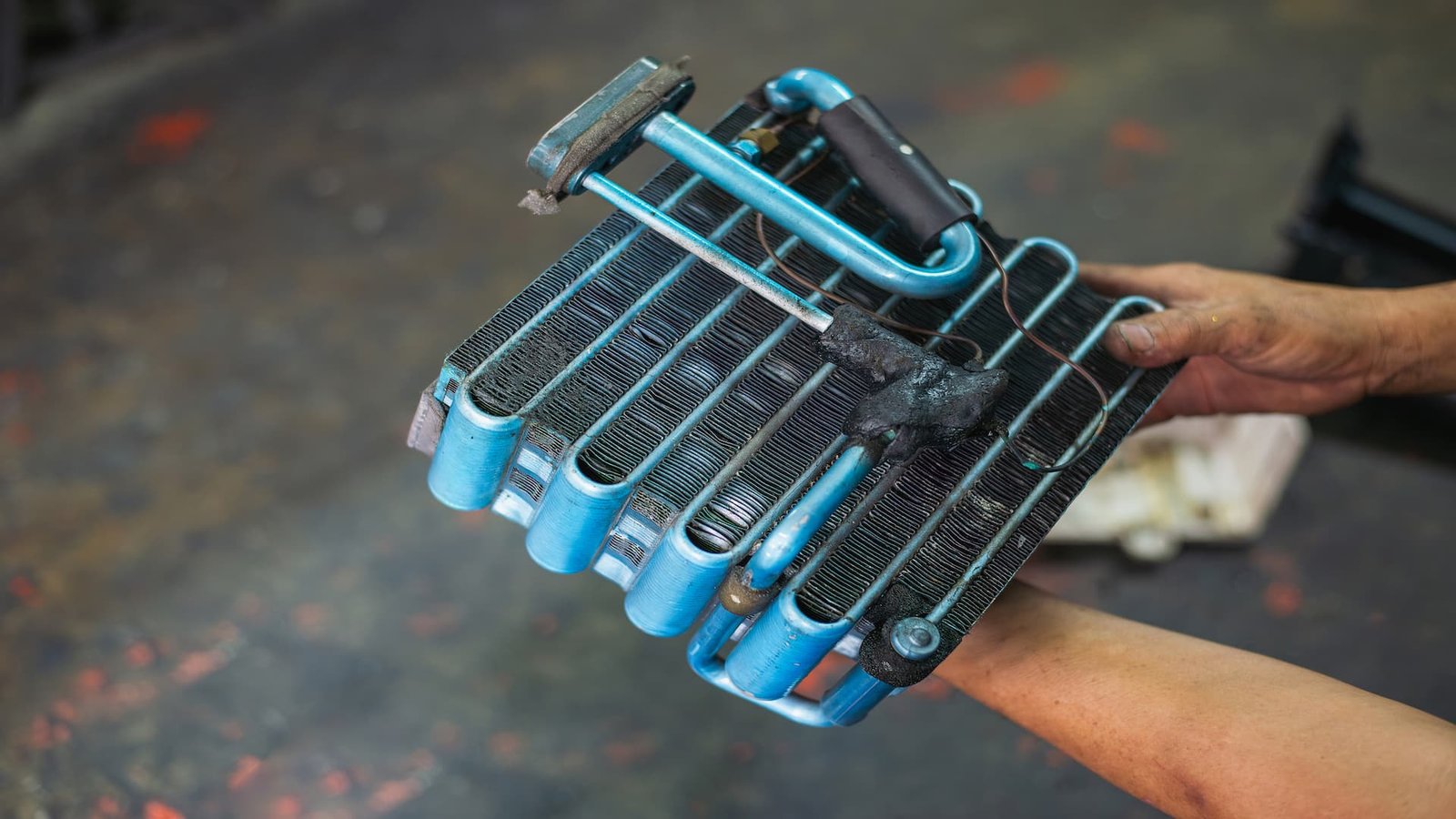
Credit: www.autonationmobileservice.com
Safety First: Handling Refrigerant
Automotive A/C systems are pressurized and must be serviced with the correct recovery equipment. In the U.S., EPA Section 609 MVAC rules apply to motor-vehicle A/C servicing. Do not vent refrigerant, and do not open lines until the system has been properly recovered using equipment suitable for the refrigerant in the vehicle.
- Wear safety glasses and gloves at all times.
- Work in a well-ventilated area.
- Never smoke or use open flames near refrigerant.
If you’re unsure, ask a professional to discharge the system for you before you begin.
Step-by-Step Guide to Replacing the Evaporator Core
Replacing the evaporator core is a big job because it’s buried behind the dashboard. Here’s a breakdown of the process:
1. Disconnect The Battery
Follow the vehicle service procedure before working around dashboard airbags, steering-column components, and HVAC wiring. Battery disconnection and the required waiting period are vehicle-specific; some systems also require calibration or initialization after power is restored.
2. Remove Refrigerant From The System
Have the refrigerant recovered using the required equipment and procedure before opening the system. Regulations and certification requirements vary by country; in the U.S., MVAC service rules are governed by EPA Section 609.
3. Remove Interior Panels And Dashboard
This step takes time and patience. You will need to remove:
- Lower dash panels
- Center console (if equipped)
- Glove box
- Radio and climate controls
- Steering column covers (sometimes)
- Instrument cluster (in some models)
Use plastic trim tools to avoid damaging panels. Take photos or label connectors to help with reassembly. Keep screws and clips organized in plastic bags.
4. Disconnect Ac Lines At The Firewall
Under the hood, find the two aluminum lines going into the firewall. These connect to the evaporator core. Remove the bolts or clips holding them. Be careful—some refrigerant oil may drip out.
5. Remove The Heater Box
The heater box (sometimes called HVAC box or plenum) holds the evaporator core and often the heater core. Depending on your car, you may need to:
- Unbolt the heater box from the firewall
- Disconnect electrical connectors, vacuum lines, and control cables
- Remove mounting bolts inside and outside the cabin
Some vehicles make this step easier than others. In some, you’ll need to fully remove the dashboard; in others, you can slide the heater box out with less disassembly.
6. Remove The Old Evaporator Core
Open the heater box carefully—there may be screws, clips, or tabs holding it together. Take note of how everything fits for reassembly. Remove the old evaporator core and inspect for signs of leaks, corrosion, or clogging.
7. Install The New Evaporator Core
Place the new evaporator core into the heater box. Replace all O-rings and seals on the AC connections. Double-check the fit and alignment. Reassemble the heater box and make sure all clips and screws are secure.
8. Reinstall The Heater Box
Slide the heater box back into position. Reconnect all electrical connectors, vacuum lines, and control cables. Secure it with the original bolts.
9. Reconnect Ac Lines And Interior Components
Under the hood, reconnect the AC lines to the firewall. Make sure all O-rings are new and connections are tight. Inside, reinstall the dashboard, panels, and everything else you removed. Take your time—rushing this step can break clips or lead to rattles.
10. Reconnect The Battery
Once everything is back in place, reconnect the negative battery terminal.
11. Evacuate And Recharge The Ac System
With all parts installed, you need to remove air and moisture from the system. Connect an AC manifold gauge set and a vacuum pump to the service ports.
- Evacuate the system using the duration and vacuum criteria specified by the service procedure and equipment manufacturer; do not rely on one universal time.
- Perform the specified leak check. Holding vacuum can be useful, but it does not prove every refrigerant leak is absent.
- Recharge by the exact specified mass of the correct refrigerant and restore the specified compressor oil quantity when the procedure requires it.
Proper refrigerant charge is critical. Too much or too little can damage the compressor or reduce cooling performance. If you’re unsure, have a shop do the recharge.
12. Test The System
Start your car and run the AC. Check for:
- Cold air from the vents
- No unusual noises from the dashboard
- No refrigerant leaks under the hood or inside
If everything works, you’ve done it—your AC should feel like new.
Common Mistakes To Avoid
Many beginners underestimate the time and effort required. Here are common pitfalls and how to avoid them:
- Skipping new O-rings: Old seals often leak after reassembly.
- Forgetting wire/cable locations: Take clear photos before you remove anything.
- Losing screws and clips: Use labeled bags for all hardware.
- Forcing panels: Use plastic tools and gentle pressure.
- Incorrect refrigerant charge: Check your car manual for the exact amount.
- Not evacuating the system: Air or moisture in the AC will reduce cooling and cause corrosion.
- Skipping leak verification: Use the leak-detection method approved for the refrigerant and vehicle, such as an appropriate electronic detector or other manufacturer-approved procedure.
Evaporator Replacement Time and Cost Factors
Labor and cost vary dramatically by vehicle. Some evaporators require near-complete dashboard removal; others use a serviceable HVAC case design. Refrigerant type, airbag/steering-column removal, heater-core access, broken trim, calibration needs, and part availability all affect the total. Use a vehicle-specific labor estimate and parts quote rather than a universal hour or price range.
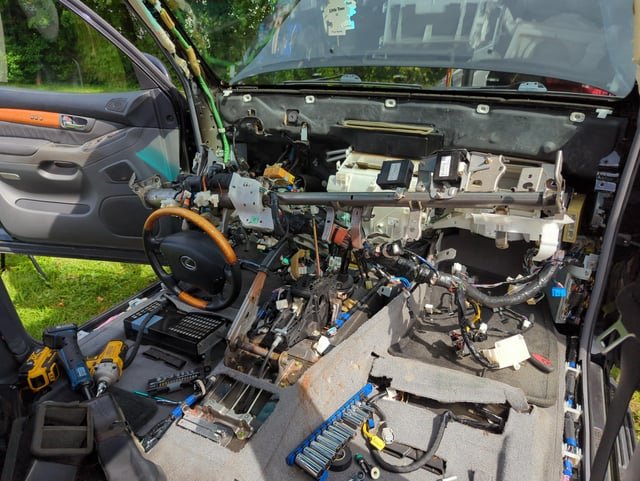
Credit: www.reddit.com
Should You Do It Yourself Or Hire A Pro?
Not sure if you should tackle this repair? Here’s a comparison of DIY vs. professional service:
| DIY | Professional |
|---|---|
| Save money on labor | Faster turnaround |
| Learn about your car | No risk of damaging electronics |
| Time-consuming | Higher cost |
| Risk of mistakes | Warranty on work |
This repair is a poor beginner project when it requires airbag-adjacent disassembly, refrigerant recovery, or removal of the full dashboard. A professional shop is the better choice if you cannot verify the correct service procedure or do not have legal access to the required A/C equipment.
Extra Tips For Success
- Mark all connectors and cables with masking tape to avoid confusion.
- Take plenty of photos during disassembly.
- Keep your workspace organized.
- Replace the cabin air filter while the system is apart.
- If your heater core is old, consider replacing it at the same time. Both are in the same box.
Many DIYers miss the chance to fix other hidden problems while the dashboard is apart. Inspect for broken blend doors, worn foam seals, or even dashboard rattles.
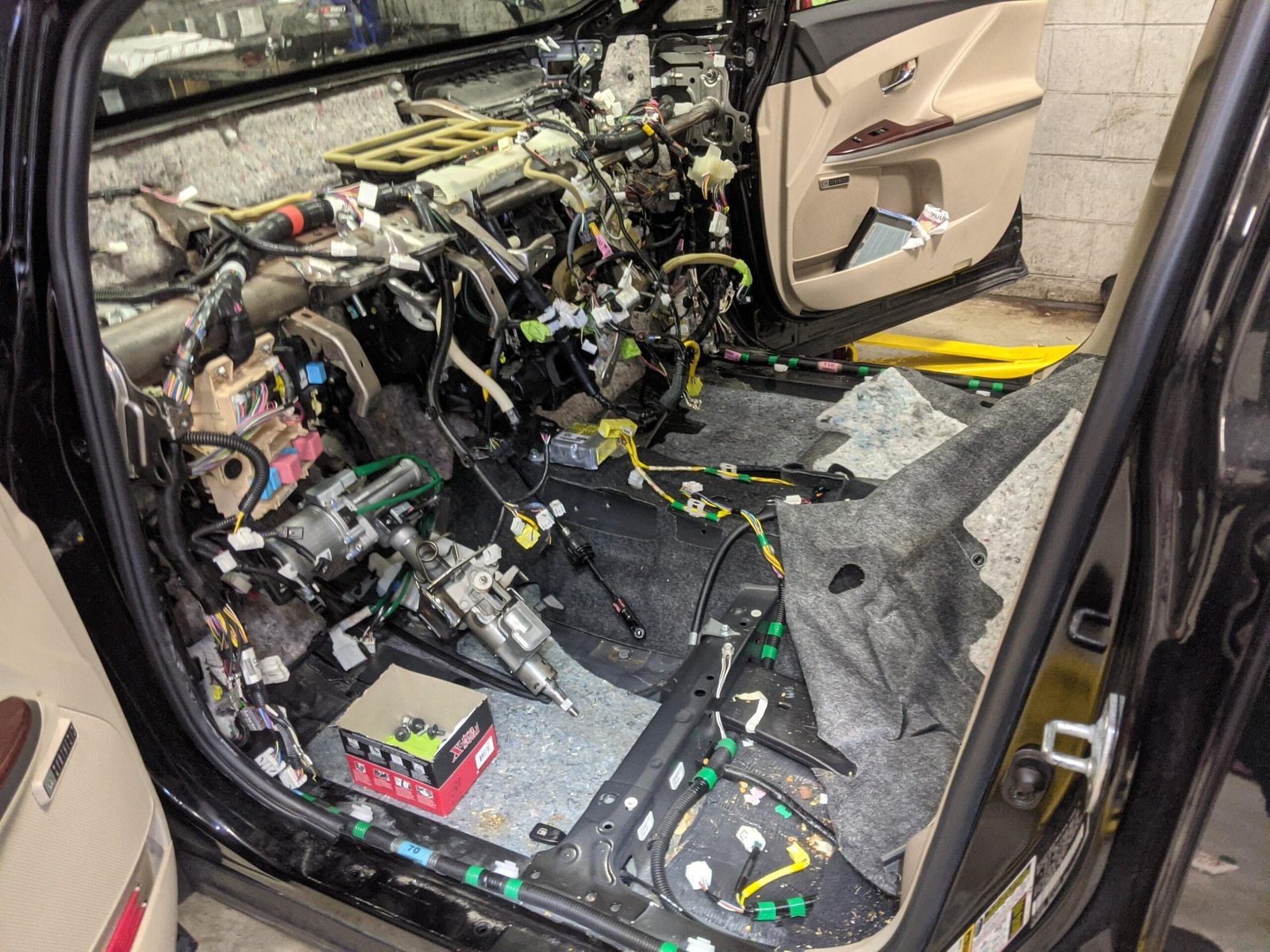
Credit: www.reddit.com
Signs Your Evaporator Core Is Bad
Not all AC problems are caused by a faulty evaporator core. Here’s how to know the core is likely the issue:
- Sweet smell from vents (refrigerant leak)
- Water dripping on passenger floor
- Weak airflow even with fan on high
- Visible corrosion or oily residue on AC lines
If you’re not sure, have a shop perform a leak test or use a UV dye. This step can save you hours if the core is not the problem.
When To Get Help
Some cars are much harder than others. European and luxury vehicles often have complex dashboards. If you’re struggling or stuck, don’t be afraid to ask for help. Online forums, YouTube, and factory service manuals are valuable resources.
If you feel uncomfortable with any step, especially refrigerant handling, let a professional finish the job. Safety should always come first.
Frequently Asked Questions
How Do I Know If My Car’s Evaporator Core Is Leaking?
You might notice sweet smells from the vents, fogging inside the windows, or wet spots on the floor. Sometimes, the AC will blow warm air. A leak test with dye or an electronic detector can confirm it.
Can I Replace The Evaporator Core Without Removing The Dashboard?
In most cars, you must remove at least part of the dashboard. Some trucks and older vehicles have easier access, but most modern vehicles require full or partial dash removal.
Do I Need Special Tools For This Job?
You need basic hand tools, but also an AC manifold gauge set and vacuum pump for recharging the system. You may need Torx drivers or special trim tools depending on your car.
How Long Will My Ac Stay Cold After Replacing The Evaporator Core?
A new evaporator core should last 8–15 years if installed correctly and the rest of the AC system is in good shape.
Where Can I Find Detailed Instructions For My Specific Car?
Factory service manuals are best. You can also find guides and videos for many models on forums and sites like .
—
Replacing a car evaporator core yourself is a challenging but rewarding project. With the right tools, preparation, and patience, you can restore your AC, learn new skills, and save hundreds of dollars. Take your time, stay organized, and don’t be afraid to ask for help if you need it. Your cool, comfortable car will be worth the effort.