
Engine surging at idle means the RPM rises and falls by itself while the car is stopped or parked. The most common causes are vacuum leaks, a dirty idle air control valve, a dirty MAF sensor, carbon in the throttle body, fuel-pressure problems, EGR faults, ignition problems or bad sensor data.
Start with simple checks before replacing parts: scan for codes with a capable automotive diagnostic scanner, inspect intake hoses, clean air-metering parts carefully, and check ignition basics such as spark plugs if the idle surge comes with misfires.
What Is Engine Surging At Idle?
Engine surging at idle means the engine speed (RPM) goes up and down by itself when you’re not pressing the gas pedal. Sometimes, the engine may almost stall and then suddenly rev up again. This problem is most noticeable when the car is parked or stopped, but sometimes you might feel it during low-speed driving.
Surging is not just a small inconvenience. It can affect fuel economy, make the car harder to drive, and even damage engine parts over time. Ignoring it could lead to more expensive repairs later.
Main Causes Of Engine Surging At Idle
Understanding the root cause is the key to fixing surging. Here are the most common reasons:
- Vacuum leaks
- Dirty or faulty idle air control valve (IAC)
- Malfunctioning mass airflow sensor (MAF)
- Faulty throttle body
- Problems with the fuel system
- EGR valve issues
- Ignition system problems
- Bad engine sensors
- Software or computer (ECU) issues
Let’s break down each cause and how to check for it.
Vacuum Leaks
Your engine needs a closed system to control air. If there’s a leak in any vacuum hose, gasket, or seal, extra air gets in. This confuses the computer and causes the engine to surge.
How To Check:
- Listen for hissing sounds with the engine running.
- Spray carb cleaner around suspected hoses. If the RPM changes, you’ve found a leak.
- Inspect hoses for cracks or loose connections.
Dirty Or Faulty Idle Air Control Valve (iac)
The IAC valve controls how much air gets into the engine when you’re not pressing the gas. If it’s dirty or stuck, your engine can’t keep a steady idle.
How To Check:
- Remove the IAC and check for carbon buildup.
- Clean it with throttle body cleaner.
- If cleaning doesn’t help, replace the IAC.
Malfunctioning Mass Airflow Sensor (maf)
The MAF sensor measures air entering the engine. If it’s dirty or faulty, your car’s computer gets the wrong information, leading to surging.
How To Check:
- Look for dirt or oil on the MAF sensor.
- Clean with MAF sensor cleaner (never touch the wires).
- Replace if cleaning doesn’t fix the issue.
Faulty Throttle Body
A dirty or sticky throttle body can cause irregular airflow, confusing the engine control unit (ECU).
How To Check:
- Inspect for carbon buildup.
- Clean the throttle body with the right cleaner.
- Make sure the throttle plate moves freely.
Problems With The Fuel System
If your car isn’t getting the right amount of fuel, the engine may surge or stall.
Common Issues:
- Clogged fuel filter
- Weak fuel pump
- Dirty or faulty fuel injectors
How To Check:
- Listen for a whining fuel pump.
- Change the fuel filter if it’s old.
- Use injector cleaner or have them professionally cleaned.
Egr Valve Issues
The EGR (Exhaust Gas Recirculation) valve helps reduce emissions. If it sticks open or closed, it can cause rough idle or surging.
How To Check:
- Remove and inspect the valve for carbon buildup.
- Clean or replace if necessary.
Ignition System Problems
Old spark plugs, bad wires, or a weak ignition coil can cause misfires and surging.
How To Check:
- Inspect spark plugs for wear.
- Replace plugs, wires, or coil as needed.
Bad Engine Sensors
Sensors like the coolant temperature sensor or oxygen sensors help the ECU run the engine smoothly. If they fail, your car can surge.
How To Check:
- Use an OBD-II scanner to check for error codes.
- Replace faulty sensors.
Software Or Computer (ecu) Issues
Sometimes, the ECU needs a software update or reset.
How To Check:
- Ask your dealer about software updates.
- Try disconnecting the battery for a few minutes to reset the system.
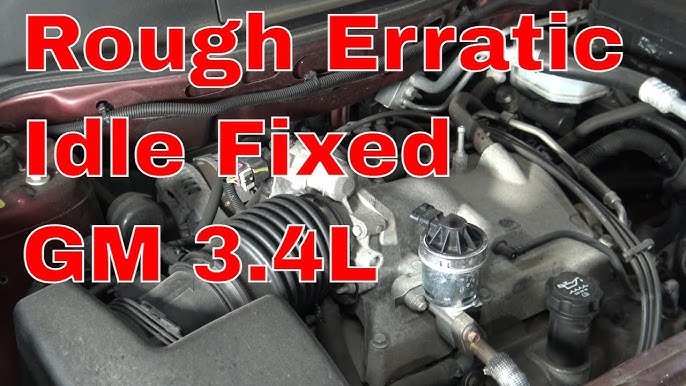
Credit: www.youtube.com
Step-by-Step Guide to Fix Engine Surging at Idle
Now let’s go through a clear, actionable process you can follow at home. Not every step will apply to every car, but this order makes troubleshooting easier.
1. Safety First
Before working on your car:
- Park on a flat surface.
- Let the engine cool down.
- Disconnect the battery if working with electrical parts.
2. Check For Vacuum Leaks
Start by inspecting all vacuum hoses under the hood. Look for:
- Cracks
- Loose or disconnected hoses
- Hissing noises when the engine is running
You can also spray carb cleaner around the intake area. If the engine reacts (RPM goes up or down), you’ve likely found a leak.
3. Inspect And Clean Idle Air Control Valve
Locate the IAC valve (often found near the throttle body). Remove it and check for carbon deposits. Clean it carefully and reinstall. If the problem remains, consider replacing it.
4. Clean The Mass Airflow Sensor
Remove the MAF sensor and spray with MAF cleaner. Never use other cleaners or touch the sensor wires. Let it dry completely before reinstalling.
5. Clean The Throttle Body
Take off the air intake tube. Use throttle body cleaner and a soft brush or cloth to remove carbon from the throttle plate and housing.
6. Check The Fuel System
If your car has over 50,000 miles, a clogged fuel filter is possible. Replace it if it’s old. Use a fuel injector cleaner additive in your gas tank, or have the injectors cleaned by a professional if you suspect blockage.
7. Test The Egr Valve
Remove and inspect the EGR valve. Clean any carbon deposits. If it’s stuck or broken, replace it.
8. Inspect The Ignition System
Pull out the spark plugs and check the tips. If they’re worn, replace them. Check the wires for cracks and the coil for signs of damage.
9. Scan For Faulty Sensors
Use an OBD-II scanner to read engine codes. Replace any sensor that shows up as faulty, especially the coolant temperature or oxygen sensors.
10. Check For Ecu Issues
If all else fails, ask your dealer about ECU updates. Sometimes, a simple reset (disconnecting the battery for 10 minutes) can help.
How To Tell Which Fix Worked
After each step, start the engine and let it idle for a few minutes. Watch the RPM gauge and listen for changes. Only do one fix at a time, so you know what solved the problem. If you’re unsure, write down what you did after each step.
Comparison: Common Causes Vs. Simple Fixes
Here’s a quick overview to match causes with the easiest fixes.
| Cause | Quick Fix | Difficulty |
|---|---|---|
| Vacuum leak | Reconnect/replace hose | Easy |
| Dirty IAC | Clean or replace | Medium |
| Dirty MAF | Clean sensor | Easy |
| Throttle body | Clean throttle plate | Medium |
| Fuel system | Replace filter/clean injectors | Medium |
| EGR valve | Clean or replace | Medium |
| Ignition parts | Replace plugs/wires | Easy |
| Bad sensor | Replace sensor | Easy |
| ECU issue | Update/reset computer | Hard |
Non-obvious Tips Most People Miss
Many car owners overlook these important points when fixing engine surging:
- Check the intake manifold gasket: Over time, the gasket between the manifold and engine can leak, causing hidden vacuum leaks. Spray around the base of the manifold to test for leaks.
- Battery voltage matters: Low battery voltage can cause weird engine behavior. Make sure your battery and alternator are healthy before blaming sensors or valves.
- Don’t ignore engine grounds: Corroded or loose ground wires can cause sensors to send false signals. Clean and tighten all ground connections.

Credit: thelandautorepair.com
When To See A Mechanic
While many surging issues can be fixed at home, some problems need professional tools:
- You can’t find the cause after basic checks.
- The engine surges violently or stalls frequently.
- OBD-II scanner shows serious errors you don’t understand.
- The car is under warranty—don’t risk voiding it.
A good mechanic can do advanced tests like smoke testing for vacuum leaks or check the ECU with dealer software.
Cost Comparison For Common Repairs
It helps to know what you might pay if you go to a repair shop. Prices vary, but here’s a general idea:
| Repair | DIY Cost | Shop Cost |
|---|---|---|
| Vacuum hose replacement | $5 – $20 | $50 – $100 |
| IAC valve cleaning | $10 (cleaner) | $60 – $120 |
| IAC valve replacement | $40 – $120 | $100 – $300 |
| MAF sensor cleaning | $10 (cleaner) | $50 – $100 |
| Fuel filter replacement | $10 – $25 | $60 – $150 |
| Spark plug replacement | $10 – $40 | $60 – $120 |
| Professional scan | Free (if you have a scanner) | $50 – $100 |
If you have basic tools, most of these jobs are affordable and can save you money.
Preventing Engine Surging In The Future
To avoid surging problems down the road:
- Use quality gasoline and oil.
- Replace air and fuel filters every 20,000–30,000 miles.
- Clean the throttle body and IAC every 2–3 years.
- Fix small leaks or check engine lights promptly.
- Scan your car for error codes at least once a year.
A little maintenance can prevent big problems and keep your engine running smoothly.
For more detailed technical information, see this guide from Wikipedia.
Frequently Asked Questions
What Is The Most Common Cause Of Engine Surging At Idle?
The most common cause is a vacuum leak. Cracked or loose hoses allow extra air into the engine, which makes the idle unstable. Checking all hoses is the first step.
Can A Dirty Air Filter Cause Engine Surging?
A very dirty air filter can restrict airflow and cause rough running, but it rarely causes true surging. However, replacing a clogged filter is a simple and cheap maintenance step.
Is It Safe To Drive With Engine Surging At Idle?
Short trips may be possible, but it’s not recommended. Surging can get worse and may lead to stalling at stoplights or intersections, which is dangerous.
How Do I Know If My Idle Air Control Valve Is Bad?
If cleaning the IAC valve does not help, or if you see the RPMs jumping up and down at idle, the valve may need to be replaced. Some cars will show a check engine light for IAC problems.
Why Does My Engine Only Surge When It’s Cold?
When the engine is cold, sensors and valves have to work harder to keep the idle stable. Problems like a bad coolant temperature sensor or sticky IAC valve are more obvious during a cold start.
Solving car engine surging at idle may seem complex, but with careful checks and regular maintenance, most car owners can fix this problem themselves. Pay attention to small changes, and your engine will thank you for it.
Credit: millerautopartsandpaint.com