
A glowing check engine light can cause worry for any driver. Many times, this light appears because of a small problem: a loose or faulty car gas cap. This simple part of your car can make your dashboard light up, but the good news is, you can often fix it yourself without a trip to the mechanic. Understanding why the gas cap matters, how to check it, and what to do if your check engine light stays on will save you time, money, and stress.
Let’s explore how to fix a car gas cap check engine light, why it happens, and how to prevent it in the future. By the end of this guide, you’ll know how to deal with this common issue like a pro—even if you’re not a car expert.
Why A Gas Cap Can Trigger The Check Engine Light
The gas cap does more than just seal your fuel tank. It is a key part of your car’s evaporative emissions system (EVAP). This system keeps fuel vapors from escaping into the air, which helps the environment and saves you gas. When the gas cap is loose, damaged, or missing, the system detects a “leak.” This triggers the check engine light.
Common reasons your gas cap causes the check engine light include:
- Not tightening the cap enough after filling up
- Using a damaged, cracked, or old gas cap
- Losing the cap completely
Here’s an example: After refueling, you drive for a day and suddenly see the check engine light. Often, the car’s computer only checks the EVAP system at certain times, so the warning may not appear right away.
How To Check If The Gas Cap Is The Problem
Before you worry about bigger issues, check the gas cap first. Many drivers skip this simple step and end up paying for expensive diagnostics.
Follow these steps to check your gas cap:
- Stop the car safely. Turn off the engine and open the fuel door.
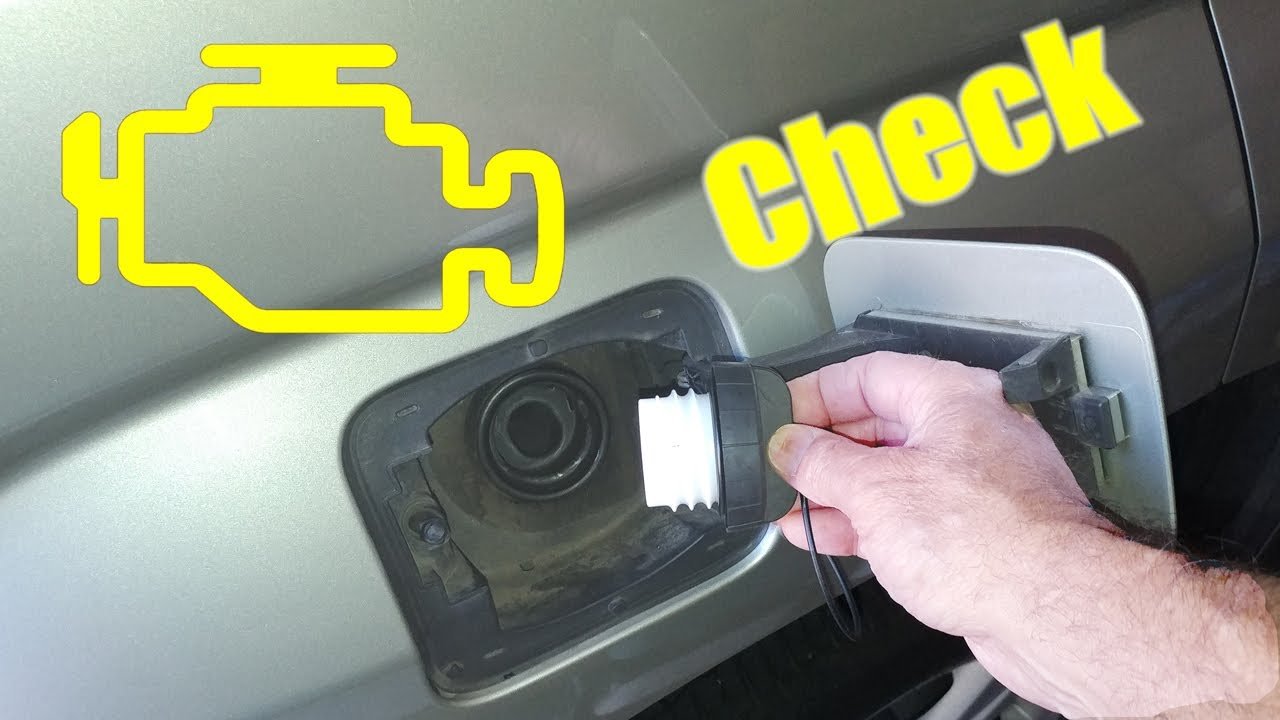
- Examine the gas cap. Is it loose? Tighten it until you hear a click.
- Look for damage. Check for cracks, worn-out rubber seals, or missing pieces.
- Smell for fuel vapors. If you notice a strong gas smell, the cap may not be sealing properly.
- Check for warning messages. Some cars display “Check Fuel Cap” or a similar message alongside the check engine light.
If you find the cap is loose or not clicked into place, simply tightening it may solve the problem.
How To Fix The Problem: Step-by-step
When you suspect the gas cap caused the check engine light, you can try these steps before calling a mechanic.
1. Tighten The Gas Cap
- Remove the gas cap.
- Reattach it, turning it clockwise until you hear several clicks. This sound means the cap is secure.
2. Clear Any Warning Messages
Many cars clear the check engine light automatically after several drive cycles if the problem is fixed. A “drive cycle” usually means starting the car, driving until it warms up, and turning it off.
- After tightening the cap, drive as you normally do.
- The light may go off after 1–3 days.
If your car has a “Check Fuel Cap” message, it should disappear after a few trips if you fixed the issue.
3. Reset The Check Engine Light (if Needed)
If the light stays on, you might want to reset it yourself. This is optional but can help confirm the problem is fixed.
- Use an OBD-II scanner (available at auto parts stores or online).
- Plug it into the port under your dashboard.
- Follow the scanner instructions to read and clear the code.
Some drivers disconnect the car battery for a few minutes to reset the light, but this can erase other settings, so an OBD-II scanner is safer.
4. Replace The Gas Cap
If your gas cap is cracked, old, or missing, you should buy a new one. Make sure it matches your car’s make and model. Universal caps often do not seal as well as original ones.
| Gas Cap Condition | Action Needed | Result |
|---|---|---|
| Loose but undamaged | Tighten until clicks | Light may turn off after a few drives |
| Cracked or worn | Replace with new cap | Prevents future problems |
| Missing | Buy correct cap | Restores system function |
5. Wait And Observe
Sometimes, the light takes time to go off after you fix the cap. Be patient. If it stays on after a week of normal driving, it’s time to check further.
What If The Light Stays On?
A gas cap is the simplest fix for a check engine light, but sometimes it’s not the only cause. If you’ve tried the above steps and the warning stays on, consider these next actions:
- Read the error code using an OBD-II scanner. Common gas cap codes include P0440, P0455, or P0457.
- Check for other symptoms like rough idling, fuel smells, or poor gas mileage. These may point to a bigger issue.
- Inspect the EVAP system hoses for cracks or disconnections. These are often found near the gas tank.
If you are not comfortable checking these parts, visit a trusted mechanic. Bring your gas cap and OBD-II code information with you.
Credit: www.youtube.com
Common Mistakes To Avoid
Many drivers make small mistakes when fixing a gas cap check engine light. Avoiding these will save you time:
- Ignoring the light: Don’t keep driving for weeks. A simple fix now prevents bigger problems later.
- Using the wrong gas cap: Buy the correct cap for your car. Universal caps may not seal tightly, causing the light to return.
- Not waiting long enough: It can take several drive cycles for the light to go off. Don’t panic if it doesn’t turn off right away.
- Forcing the cap: Overtightening can damage the threads or rubber seal.
- Forgetting to check for other leaks: Sometimes, hoses or the filler neck are the problem, not just the cap.
How The Gas Cap Affects Your Car
You might wonder if a gas cap really matters. The answer is yes. A bad gas cap can cause:
- Reduced fuel economy: Gas vapors escape, so you lose fuel.
- Failed emissions test: Your car might not pass inspection.
- Fuel odors: You may smell gasoline around your car.
- Damage to emissions system: Over time, ignoring the problem can hurt other parts.
Here’s a simple comparison of fuel loss:
| Gas Cap Condition | Estimated Fuel Loss per Year | Environmental Impact |
|---|---|---|
| Good, tight cap | 0 gallons | Minimal emissions |
| Loose or cracked cap | Up to 30 gallons | High emissions |
| Missing cap | 50+ gallons | Very high emissions |
Credit: motorist.org
When To See A Mechanic
If you have tried all the above and the check engine light stays on, it’s time for professional help. Mechanics have advanced diagnostic tools to find leaks in the EVAP system or other hidden problems.
Signs you need a mechanic:
- The check engine light stays on after fixing/replacing the gas cap for a week
- Car runs badly or stalls
- Strong gas odor persists
- Failed an emissions test
Getting help early can prevent costly repairs later.
How To Prevent Gas Cap Check Engine Light Problems
A few small habits can keep your gas cap from causing trouble:
- Always tighten the gas cap until you hear it click after refueling.
- Inspect the cap for cracks or damage every few months.
- Replace the cap every 3–5 years or as your car’s manual suggests.
- Use only the correct cap for your car model.
These steps protect your car’s performance and keep your dashboard warning-free.
Non-obvious Insights Most Drivers Miss
- Colder weather can shrink rubber seals on gas caps, making leaks more likely in winter. If your light comes on with the first cold snap, check the cap and its rubber gasket.
- Aftermarket gas caps sometimes lack a pressure relief valve found in original parts. This can confuse the EVAP system and keep the check engine light on, even if the cap is new.
Quick Reference: Gas Cap Check Engine Light Troubleshooting
Here’s a handy overview:
| Step | Action | Expected Result |
|---|---|---|
| 1 | Check and tighten gas cap | Light may turn off after several drives |
| 2 | Replace cap if damaged | Warning should disappear after a few days |
| 3 | Use OBD-II scanner to reset light | Light off if problem fixed |
| 4 | Visit mechanic if unresolved | Further diagnosis and repair |

Credit: www.carparts.com
Frequently Asked Questions
Why Does A Loose Gas Cap Cause The Check Engine Light?
A loose gas cap breaks the seal of the EVAP system, letting fuel vapors escape. Your car’s computer senses this leak and turns on the check engine light to warn you.
How Long Does It Take For The Check Engine Light To Turn Off After Tightening The Gas Cap?
Usually, the light turns off after several drive cycles (1–3 days of normal driving). Some cars may need more time. If the light stays on after a week, check for other issues.
Can I Drive With The Check Engine Light On Because Of The Gas Cap?
Yes, but it’s best to fix it soon. Driving with a bad gas cap is not dangerous, but you could fail an emissions test and waste fuel.
How Do I Know If My Gas Cap Needs Replacing?
If the cap is cracked, missing pieces, or the rubber seal is worn out, replace it. If tightening it does not clear the warning after several days, a new cap may be needed.
Is It Safe To Use A Universal Gas Cap?
Universal caps can fit, but they may not seal as well as the original. Always use a cap designed for your car’s make and model for the best results. See more at Wikipedia: Evaporative Emission Control.
A gas cap check engine light is often an easy fix—if you know what to do. With the steps above, you can handle this common car problem quickly and avoid unnecessary trips to the mechanic. Taking care of your gas cap keeps your car running smoothly and saves you money in the long run.