
A car that struggles to start can turn any morning into a stressful one. Maybe your engine cranks for a long time before it finally fires up, or sometimes it doesn’t start at all unless you try several times. Hard starting is a common problem, especially as vehicles age. But the good news is, most causes are simple to understand and fix, even for beginners. This guide will show you exactly how to fix car hard starting problem, step by step, using clear language and real-life advice.
Why Cars Develop Hard Starting Problems
Most cars are designed to start quickly, usually within a second or two. But when something isn’t right, you may notice symptoms like:
- Engine turns over slowly or makes clicking noises
- Engine cranks but doesn’t catch (won’t run)
- Needs extra gas pedal to start
- Starts fine when warm, but not when cold (or the opposite)
Understanding the reasons behind these symptoms is the first step. The most common causes of hard starting include:
- Weak battery or poor battery connections
- Failing starter motor
- Faulty ignition system (spark plugs, coils)
- Problems with fuel delivery (fuel pump, fuel filter, injectors)
- Air intake or sensor problems
- Engine management issues (computer or sensors)
- Old or contaminated fuel
Knowing these basics helps you focus your efforts and avoid random, costly repairs.
Step-by-step Guide To Diagnose And Fix Hard Starting
Let’s walk through the key areas to check and fix. Each step includes practical details, so you can avoid guessing.
1. Check The Battery First
A weak battery is the number one cause of hard starting, especially if you hear slow cranking or clicking.
- Use a multimeter to check voltage. A healthy battery should read 12.6V or higher when the car is off.
- Look for corroded terminals (white or green powder). Clean them with a wire brush.
- Make sure battery cables are tight.
- If your battery is more than 3–5 years old, consider replacing it.
Data Example: In a AAA study, nearly 30% of car starting issues were traced back to the battery.
2. Inspect The Starter Motor And Circuit
If the battery is good, but you still hear slow cranking or no sound at all, your starter motor could be the problem.
- Listen for a clicking sound when you turn the key. No sound may mean a dead starter.
- Tap the starter lightly with a tool while someone turns the key. If it starts, the starter is worn.
- Check the starter relay and fuses in the fuse box.
Non-obvious Insight: Sometimes, the problem is a bad ground wire, not the starter itself. Make sure all ground connections are clean and tight.
3. Test The Ignition System
A healthy ignition system gives a strong spark to ignite fuel. Weak or no spark causes hard starting.
- Remove a spark plug and inspect it. If it’s black, oily, or worn, replace it.
- Check plug wires for cracks or damage.
- If your car has coil packs, test them with an ignition tester.
- Replace spark plugs every 30,000–60,000 miles (check your manual).
Pro Tip: Use the correct spark plug type and gap for your car. The wrong type can make starting harder.
4. Check Fuel System Components
Without proper fuel delivery, your engine can’t start easily.
- Turn the key to “ON” and listen for a fuel pump whine from the rear. No sound may mean a bad pump or relay.
- Replace the fuel filter if it hasn’t been changed in 2–3 years.
- Use a fuel pressure gauge to test pressure (usually 35–45 psi for most cars).
- If pressure is low, check for leaks or a failing pump.
- Dirty or clogged fuel injectors can also cause hard starts. Use a fuel injector cleaner additive.
Data Table: Common Fuel Pressure Ranges
| Car Type | Typical Fuel Pressure (psi) |
|---|---|
| Older Carbureted | 4–7 |
| Modern Fuel Injected | 35–45 |
| Direct Injection | 500–3,000 |
Beginner Insight: Most people forget to check the fuel pump relay, which is a common failure point—often much cheaper to fix than the pump itself.
5. Inspect Air Intake And Sensors
Engines need the right air-fuel mix to start well. Air intake problems or sensor issues can throw this off.
- Check the air filter. If it’s dirty or clogged, replace it. A clean filter makes a big difference.
- Look for any air leaks in hoses going to the engine. Cracked or loose hoses let extra air in, confusing the engine computer.
- A faulty mass airflow sensor (MAF) or intake air temperature sensor can send wrong information. If your car has a check engine light, read the code.
- Clean the MAF sensor with special cleaner, not regular spray.
Data Example: According to EPA data, a clogged air filter can reduce fuel economy by up to 10% and make cold starts harder.
6. Check Engine Management And Sensors
Today’s cars use many sensors and a computer (ECU) to control starting.
- If you have a check engine light, use an OBD-II scanner to read codes.
- Common hard start codes: P0171 (lean condition), P0335 (crank sensor), P0102 (MAF sensor low).
- A bad crankshaft position sensor or camshaft sensor can prevent starting, especially when hot.
- Make sure all sensors are plugged in and wires aren’t damaged.
Comparison Table: Key Sensors Affecting Starting
| Sensor | Effect on Starting | Symptoms if Bad |
|---|---|---|
| Crankshaft Position Sensor | No start or long cranking | No RPM signal, engine doesn’t catch |
| MAF Sensor | Poor mixture control | Rough starts, stalls after starting |
| Coolant Temp Sensor | Incorrect fuel mix | Hard cold starts, rich/lean codes |
Non-obvious Insight: Even if your car starts fine when warm but not cold (or vice versa), this often points to a sensor, not the battery.
7. Consider Old Or Bad Fuel
If your car sits for weeks or months, fuel can degrade and make starting difficult.
- Gasoline loses volatility over time. Old fuel doesn’t burn as well.
- Add a fuel stabilizer if storing your car for long periods.
- If you suspect bad fuel, siphon it out and add fresh gas.
Beginner Mistake: Many drivers overlook old fuel as a cause, especially after a car has been stored.
8. Look At Engine Mechanical Health
If all else checks out, your engine itself could be the cause.
- Low compression from worn piston rings or valves makes starting very hard.
- Perform a compression test. Most engines need at least 120 psi per cylinder.
- Listen for strange noises during cranking (knocking, grinding).
Pro Tip: Consistently low compression across all cylinders often means timing belt/chain issues, not just old age.
9. Check For Security System Issues
Modern cars have anti-theft systems that can prevent starting if they malfunction.
- Look for a blinking security light on the dash.
- Try using a spare key; sometimes the chip in the key fails.
- If the immobilizer system is to blame, you may need a dealer reset.
Non-obvious Insight: Aftermarket alarms or remote starters can also create hard starting problems if installed incorrectly.
10. Evaluate Environmental Factors
Sometimes, the problem is not in the car but in the surroundings.
- Very cold weather thickens oil and stresses batteries. Use the correct oil grade for your climate.
- In hot weather, vapor lock (fuel vaporizing in the line) can cause hard starts.
- High humidity can cause electrical shorts or moisture in the ignition system.
Data Example: Batteries can lose up to 35% of their power at freezing temperatures, making hard starts more common in winter.
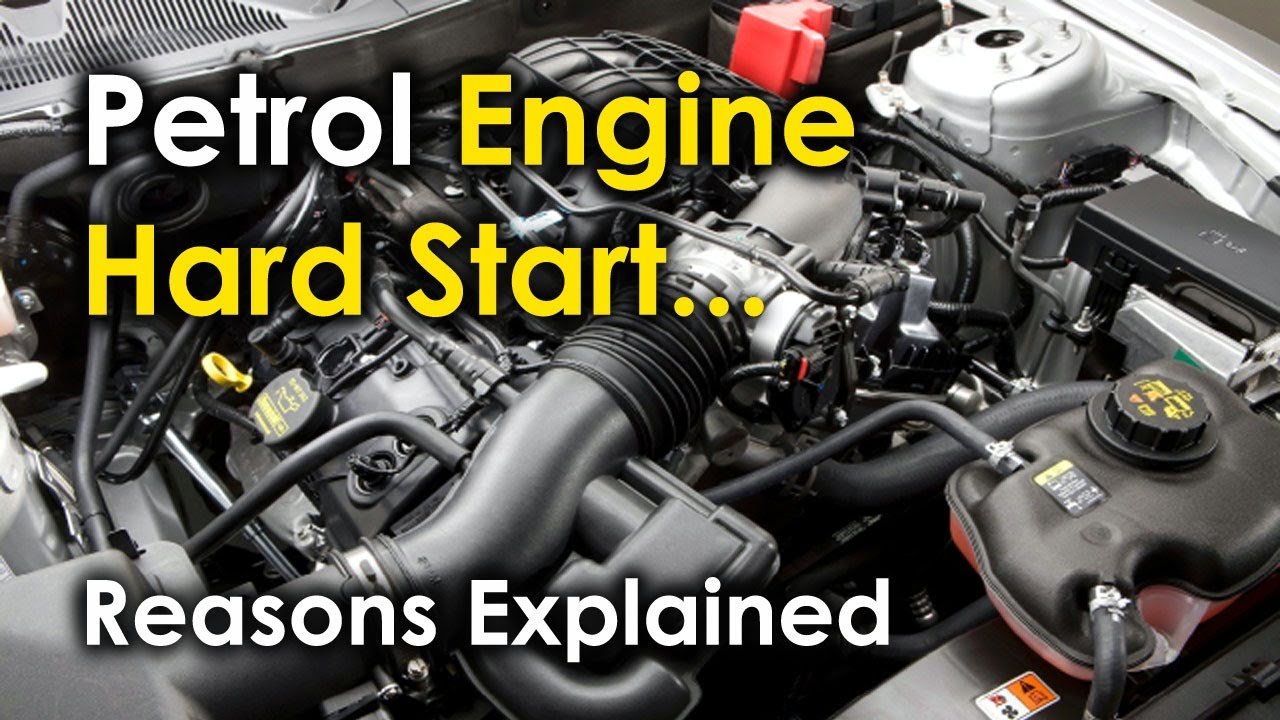
Credit: www.youtube.com
Preventing Future Hard Starting Issues
Fixing the current problem is good, but preventing future issues saves you time and money. Here’s how:
- Regular maintenance: Change spark plugs, filters, and fluids as recommended.
- Keep your battery healthy: Clean terminals and test voltage twice a year.
- Use quality fuel: Cheap or contaminated fuel can clog injectors.
- Scan for codes: An OBD-II scanner is a small investment that pays off.
- Drive regularly: Letting a car sit for weeks can cause fuel and battery problems.
When To Seek Professional Help
While many hard starting issues can be solved at home, some require a mechanic’s tools and expertise.
- If you’ve checked the basics and the problem remains, a mechanic can run advanced diagnostics.
- Electrical problems, timing issues, or deep engine troubles are best handled by professionals.
- If your car has a warranty, avoid DIY repairs that might void it.
According to the AAA, professional help is needed in about 40% of cases where the cause is not obvious.
Credit: discover.hubpages.com
Frequently Asked Questions
What Is The Most Common Cause Of Car Hard Starting?
The most common cause is a weak or failing battery. Batteries lose power over time, especially in extreme weather, which affects starting performance.
How Can I Tell If My Starter Motor Is Failing?
Typical signs include a clicking sound when turning the key, slow cranking, or sometimes no sound at all. If tapping the starter while someone turns the key causes it to work, the starter is likely worn out.
Can Bad Spark Plugs Cause Hard Starting?
Yes, bad spark plugs can cause weak or no spark, making the engine hard to start. Replacing old plugs with new ones often solves the problem.
Is It Safe To Use Starter Fluid For Hard Starting?
Starter fluid can help diagnose fuel delivery problems, but it’s not a long-term solution. Overuse can damage your engine. It’s better to find and fix the real issue.
Why Does My Car Only Start With The Gas Pedal Pressed?
This usually points to a fuel mixture or air intake problem. A dirty throttle body, failing sensor, or vacuum leak can cause this symptom.
Getting your car to start easily is not just about convenience—it’s about reliability and safety. By following these steps, you can fix most hard starting problems yourself, avoid common mistakes, and keep your vehicle running strong for years to come.