
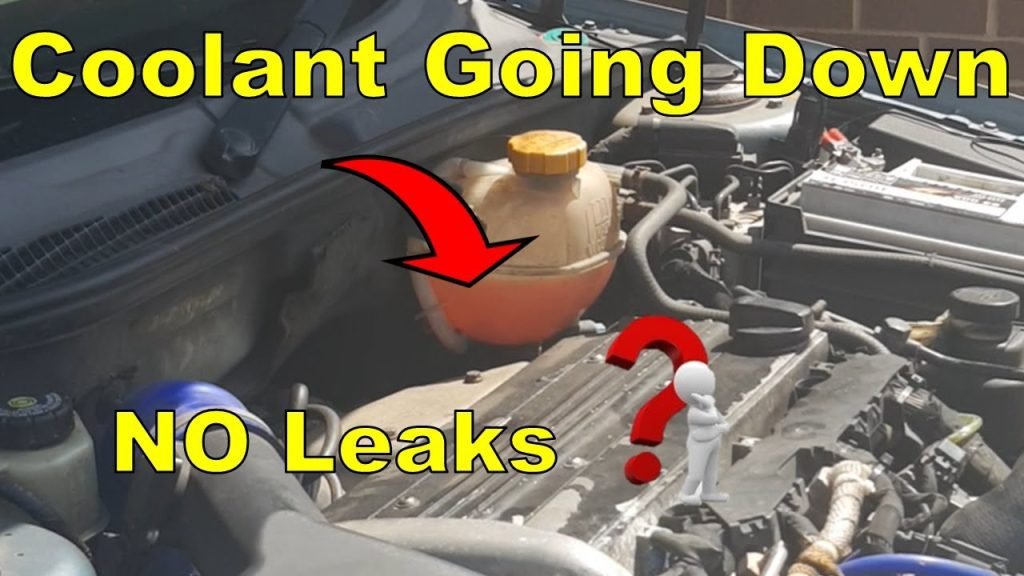
When your car is losing coolant but there’s no visible leak, it can feel confusing and worrying. Coolant is essential for keeping your engine at the right temperature. If it’s disappearing, you might wonder where it’s going and if your car is still safe to drive.
Many drivers face this issue, and it’s important to know that a missing leak doesn’t mean you should ignore the problem. In fact, understanding what’s happening inside your engine can help you prevent damage and costly repairs later. Let’s explore why this happens, how to diagnose it, and what steps you can take to fix it.
Why Coolant Loss Without A Leak Is A Serious Issue
Coolant, also known as antifreeze, helps absorb heat from your engine and releases it through the radiator. When your coolant level drops, the engine can overheat, leading to warped cylinder heads, blown head gaskets, or even a seized engine. If there’s no sign of a leak under your car or around the engine bay, the coolant may be going somewhere you can’t easily see.
Ignoring this problem could mean facing engine failure or a huge repair bill later.
Common Reasons For Coolant Loss With No Leak
If you check the ground and engine bay and see no puddles or stains, the coolant might still be escaping. Here are the most common causes:
1. Internal Head Gasket Leak
A blown or damaged head gasket can allow coolant to enter the engine cylinders or mix with oil. This usually doesn’t leave any evidence outside the engine. Symptoms may include white smoke from the exhaust, rough engine running, or a milky appearance in the oil.
2. Evaporation Due To Overheating
If your engine runs too hot, some coolant can boil off and escape as vapor through the overflow reservoir. This is more common in hot climates or with a failing radiator cap.
3. Faulty Egr Cooler
Some vehicles, especially diesels, have an EGR (Exhaust Gas Recirculation) cooler that uses coolant. A leak here can send coolant into the exhaust system, where it’s burned off.
4. Heater Core Issues
The heater core is inside your dashboard. Small leaks can let coolant escape as vapor into the car’s cabin, sometimes causing a sweet smell or foggy windows.
5. Radiator Cap Problems
A weak or faulty radiator cap can let coolant escape as steam, especially when the engine is hot. This can happen without leaving clear signs around the engine.
6. Engine Block Or Cylinder Head Cracks
Cracks inside the engine can let coolant seep into areas you can’t see, such as the combustion chamber or oil system.
7. Thermostat Housing Or Intake Manifold Gasket Leaks
Coolant can slowly leak into the engine from these places, especially in older vehicles, without obvious external signs.
Credit: belmontlubricants.com
How To Diagnose Coolant Loss With No Visible Leak
Finding the cause of coolant loss can take some investigation. Here’s what you should do:
Step 1: Check For Common Symptoms
- White exhaust smoke when the engine is warm (not just during cold starts)
- Sweet smell inside or outside the car
- Oil that looks milky or foamy on the dipstick
- Overheating engine or fluctuating temperature gauge
- Wet carpets or windows fogging up (possible heater core leak)
Step 2: Inspect The Cooling System
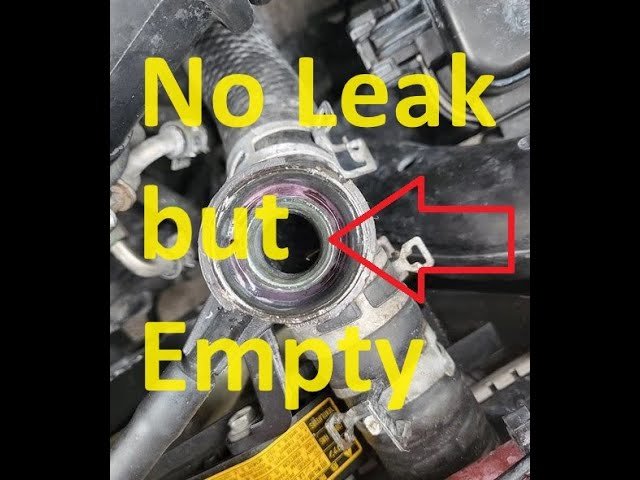
Look at all visible hoses, the radiator, water pump, and overflow tank. Sometimes small leaks only show up when the engine is hot and under pressure.
Step 3: Pressure Test The Cooling System
A cooling system pressure tester can help. This tool pressurizes the system to find small leaks you might miss. Most auto parts stores can loan you one.
Step 4: Check The Radiator Cap
Replace the cap if it’s old or damaged. A weak cap can cause coolant loss without a visible leak.
Step 5: Look For Internal Leaks
Pull the engine oil dipstick and look for changes in the oil’s color or texture. Check the exhaust for white smoke after the engine is warm.
Step 6: Use A Combustion Leak Tester
This chemical test can show if exhaust gases are getting into the coolant, a sign of a blown head gasket.
Step 7: Have A Mechanic Check Further
If you can’t find the problem, a professional can use special tools and inspection cameras to check inside the engine.
Repair Solutions For Coolant Loss With No Leak
The fix depends on what’s causing the problem. Here’s how to tackle the most common issues:
Head Gasket Failure
If your head gasket is leaking internally, you’ll need to replace it. This is a complex job, often costing between $1,000 and $2,000 depending on your car. DIY repairs are possible for experienced mechanics, but most people should leave this to a professional.
Signs that point to a head gasket issue:
- Persistent white exhaust smoke
- Milky oil
- Bubbling in the coolant reservoir
Radiator Cap Replacement
A faulty cap is an easy and cheap fix. Buy the correct pressure rating for your car (usually $10-$20), and swap it out once the engine is cool.
Fixing The Heater Core
If you smell coolant inside the car or see wet carpets, the heater core may be leaking. Replacing it can be difficult because it’s buried under the dashboard. Repair costs range from $300 to over $1,000.
Addressing Egr Cooler Leaks
Diesel owners should check for coolant use with no leak and white smoke. An EGR cooler can be replaced, but the cost depends on the vehicle model.
Checking For Cracked Engine Parts
Cracks in the cylinder head or engine block are serious. Small cracks can sometimes be sealed with specialized products, but most require part replacement or engine rebuilding. These repairs are expensive and usually need professional help.
Gasket And Hose Repairs
Worn gaskets or hoses can leak slowly. Replacing these is usually straightforward and costs less than major engine work.
Credit: www.youtube.com
Preventing Coolant Loss Problems
Prevention is always better than repair. Here are practical steps to keep your cooling system in good shape:
- Check coolant levels regularly, especially before long trips.
- Flush your cooling system and replace coolant every 2-3 years or as recommended by your car’s manual.
- Inspect hoses and clamps for cracks, bulges, or loose fittings.
- Replace the radiator cap every few years, or if it looks worn.
- Fix small leaks immediately to avoid bigger engine problems.
Comparing Coolant Loss Causes
Understanding the differences between the main causes can help you focus your troubleshooting.
| Cause | Common Signs | Repair Complexity |
|---|---|---|
| Head Gasket Failure | White smoke, milky oil, overheating | High |
| Radiator Cap | Low coolant, no visible leak | Low |
| Heater Core Leak | Sweet smell, wet carpet | Medium to High |
| EGR Cooler Leak | White smoke (diesel), coolant loss | Medium |
When To Seek Professional Help
Some coolant loss problems can be fixed at home, but others need expert attention:
- If your engine overheats quickly or you see white smoke, call a mechanic.
- If you find coolant in the oil, do not drive the car. This can ruin the engine.
- If repairs are too complex (like head gasket or heater core replacement), get professional help.
Diy Vs. Professional Repair: Cost And Difficulty
Here’s a quick look at what you might face for different repairs.
| Repair | DIY Possible? | Estimated Cost |
|---|---|---|
| Radiator Cap Replacement | Yes | $10 – $25 |
| Coolant Hose Replacement | Yes | $20 – $80 |
| Head Gasket Replacement | No (for most people) | $1,000 – $2,500 |
| Heater Core Replacement | No (for most people) | $300 – $1,200 |
Credit: carfromjapan.com
Real-world Example
Imagine a driver who noticed their coolant level dropping every few weeks but never saw any puddles under the car. After checking for leaks and seeing nothing, they noticed the car’s oil looked milky. A mechanic confirmed a blown head gasket was letting coolant mix with the oil.
Fixing it early saved the engine from major damage. This example shows why it’s important to keep looking for clues even when the problem isn’t obvious.
Non-obvious Insights Most People Miss
- Small leaks can evaporate before you see them. A tiny leak on a hot engine may turn coolant into steam, leaving no puddle behind.
- Coolant can escape through the exhaust. Internal leaks often send coolant into the combustion chamber, where it burns off and exits as steam, not as a visible leak.
Common Mistakes To Avoid
- Don’t just keep topping off coolant without finding the cause. This hides a serious problem.
- Avoid using cheap “stop leak” additives as a first solution. These can clog your radiator and cause more damage.
- Never open the radiator cap when the engine is hot—hot coolant can spray out and cause burns.
Additional Resources
To learn more about how the cooling system works and how to maintain it, check out this Wikipedia page on cooling systems.
Frequently Asked Questions
What Should I Do If My Car Loses Coolant But I See No Leak?
Check for other signs like white smoke, sweet smells, or milky oil. Internal leaks can be hidden. Pressure test the system or ask a mechanic for help.
Is It Safe To Drive If My Car Is Losing Coolant But Not Overheating?
No. Even if the engine isn’t overheating yet, coolant loss means something’s wrong. Driving with low coolant can lead to serious engine damage.
How Often Should I Check My Coolant Level?
Check at least once a month and before long trips. If you notice drops in coolant level, look for the cause immediately.
Can A Faulty Thermostat Cause Coolant Loss?
A stuck thermostat usually causes overheating, not coolant loss. However, constant overheating can lead to coolant boiling off, so it’s worth checking.
Will Coolant Always Leave A Puddle If There’s A Leak?
No. Small leaks can evaporate, and internal leaks won’t leave any puddle. That’s why checking oil, exhaust, and other symptoms is important.
Solving coolant loss without a visible leak can be tricky, but it’s important not to ignore the signs. With careful checking, you can find the cause and fix it before it leads to bigger, costlier repairs. Stay alert to changes in your car’s behavior and act quickly to keep your engine healthy.