
When you notice small bubbles under your car’s paint, it’s easy to ignore them. They don’t look serious at first, but these paint bubbles often hide a bigger problem: rust growing underneath. Left alone, this rust can spread fast, eating through the metal and making repairs much more expensive. The good news? With some careful work, you can fix car paint bubble rust before it gets out of control—even if you’re not a professional mechanic.
Fixing this problem yourself can save hundreds of dollars. But you need to understand each step, use the right tools, and avoid common mistakes that can make things worse. This guide will show you exactly how to fix car paint bubble rust underneath, from finding the real cause to finishing the job with a smooth, lasting paint finish.
What Causes Paint Bubble Rust?
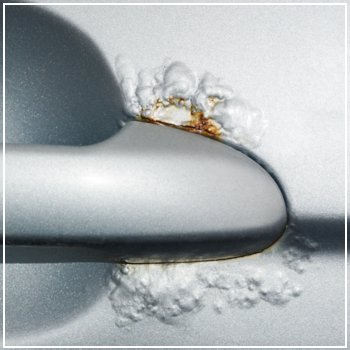
Paint bubbles form when something breaks the bond between the metal and the paint. Water, salt, and air can sneak under the paint if there’s a chip, scratch, or poor factory seal. This lets rust form on the metal, which pushes the paint up into bubbles.
A few reasons why this happens:
- Stone chips from driving on gravel roads
- Scratches from keys or car doors in parking lots
- Moisture trapped during poor paint jobs
- Salt on winter roads speeding up rust
It’s easy to confuse regular paint bubbles (from heat or bad paint) with rust bubbles. The difference? Rust bubbles always have brownish or reddish stains, and the area feels rough if you run your finger over it.
Tools And Materials You’ll Need
Before starting, gather all the tools and materials. Missing something halfway will slow you down or lead to poor results.
| Tool/Material | Purpose |
|---|---|
| Sandpaper (80, 180, 320, 600, 1500 grit) | For removing paint, smoothing rust, and finishing surface |
| Rust converter | Neutralizes any remaining rust |
| Body filler (Bondo) | Fills in holes or deep pits |
| Primer (automotive type) | Prepares surface for painting |
| Touch-up paint (matched to your car) | Restores original color |
| Clear coat | Protects new paint |
| Masking tape and plastic sheets | Protects areas around the repair |
| Clean rags and degreaser | Removes dirt and oil |
| Gloves, goggles, dust mask | Personal protection |
Pro Tip: Always buy more sandpaper and masking tape than you think you’ll need. These go fast, especially if you’re new to bodywork.
Credit: dasilvaautobody.com
Step 1: Assess And Prepare The Area
Start by washing your car, focusing on the area with bubbles. Dirt can hide the real size of the problem. Dry the surface fully.
Next, check how deep the rust goes. Gently press on the bubble with your finger. If it feels soft or cracks, rust has eaten through the metal. If it’s just raised but still hard, the damage is mostly under the paint.
Mark the area you’ll fix. Use masking tape to box in a few inches around the bubble. This gives you enough room to sand and blend new paint.
Beginner Mistake: Only fixing the bubble itself. Rust spreads under paint, often farther than you see. Always repair at least an inch beyond the bubble edge.
Step 2: Sand Down To Bare Metal
Use 80-grit sandpaper or a sanding block to remove paint and rusted metal. Sand in small circles, going past the bubble’s edge. Stop when you reach clean, shiny metal. If you see brown or black spots, keep sanding gently.
Switch to finer sandpaper (180, then 320 grit) to smooth the edges. The goal is to create a smooth “feather edge” where the old paint meets the bare metal.
Non-Obvious Insight: If you see pinholes or deep pits after sanding, these are rust-through spots. They need extra care (see Step 4) or the rust will return soon.
Step 3: Treat The Rust
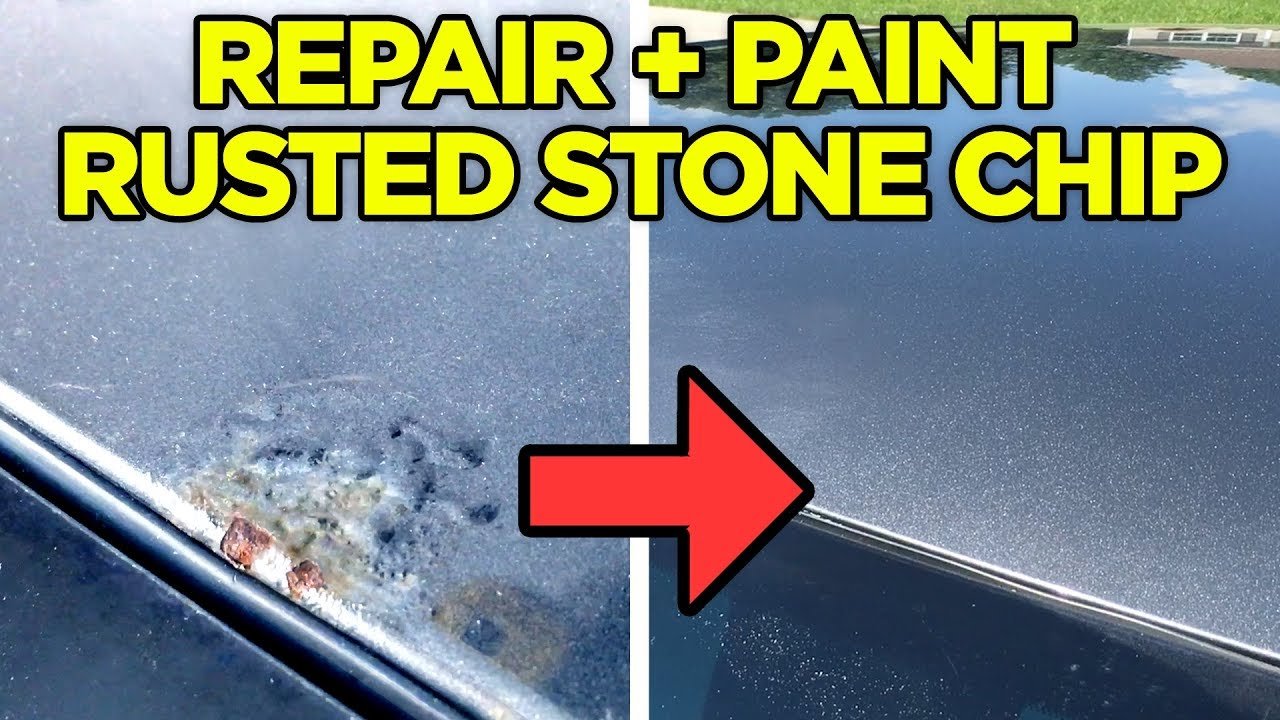
After sanding, you may still see tiny dark spots. Wipe the area with a clean rag and degreaser. Apply rust converter with a brush or cloth, covering all bare spots. This chemical turns rust into a stable black coating that stops further corrosion.
Let it dry according to the instructions (usually 30–60 minutes). If the rust comes back orange, add a second coat.
Data Point: According to the American Automobile Association (AAA), untreated rust can weaken a car’s body panel by up to 40% in just three years, especially in humid or salty environments.
Step 4: Fill Holes And Pits
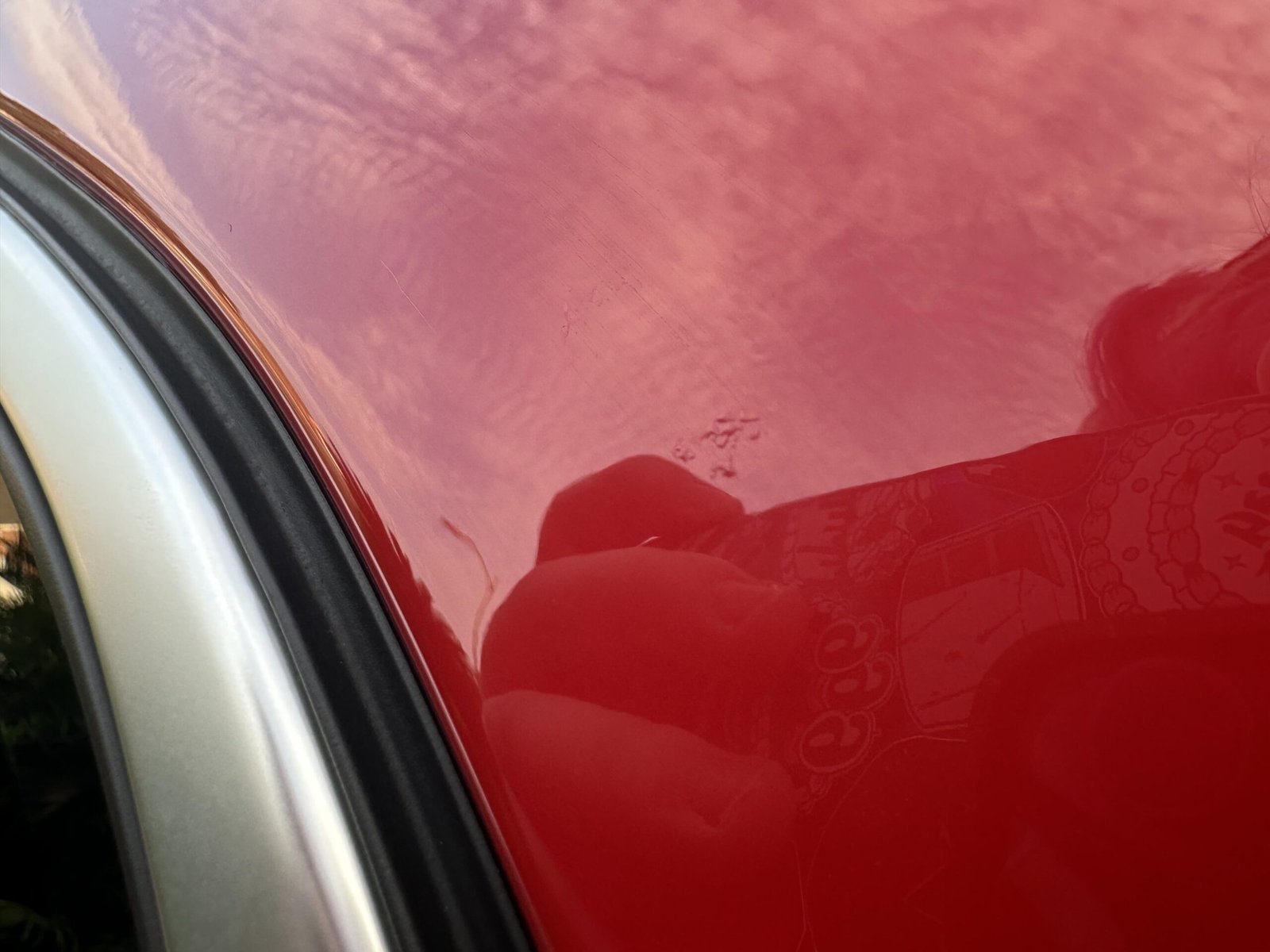
If sanding reveals holes or deep pits, use body filler. Mix the filler and hardener on a clean surface, following the instructions. Use a plastic spreader to press the filler into the holes. Spread it slightly beyond the repair area.
Wait for the filler to harden (usually 15–30 minutes). Sand it smooth with 180 and then 320 grit sandpaper. The surface should feel level with the rest of the car.
Example: If you fix a bubble on a wheel well, you’ll often find small holes after removing the rust. Skipping this step will let moisture back in, and the paint bubble will return.
Credit: www.reddit.com
Step 5: Prime The Surface
Wipe the area clean again with degreaser. Shake your automotive primer spray can well, then apply 2–3 light coats. Hold the can about 8–10 inches from the surface. Let each coat dry for 10–15 minutes.
After the last coat is dry, lightly sand with 600-grit sandpaper to smooth out any texture. Wipe away dust with a tack cloth.
Pro Tip: Use primer designed for bare metal. Regular primer can let moisture through, which may restart rust.
Step 6: Apply Touch-up Paint
Match your car’s paint code, which is usually found on a sticker inside the driver’s door or in the engine bay. Buy touch-up paint from a dealer or auto parts store. Shake the can or bottle well.
Spray or brush on several thin coats, waiting 10–15 minutes between each. Don’t rush—thick coats will run or bubble.
Let the paint dry fully (at least a few hours, overnight is best). Check the color in daylight; metallic paints may look different under indoor light.
Non-Obvious Insight: Cheap universal touch-up paint rarely matches factory colors. Spending a few extra dollars for the right code saves a lot of frustration.
Step 7: Apply Clear Coat
After the color coats dry, add 2–3 layers of automotive clear coat. This seals the paint and gives a glossy finish. Spray lightly and evenly, letting each coat dry for 15 minutes.
When done, let the repair cure for 24–48 hours. Avoid washing or waxing the area during this time.
Step 8: Blend And Finish
Once the clear coat is hard, use 1500-grit sandpaper (wet-sand with water) to gently smooth any edges. Buff the area with a soft cloth and a small amount of polishing compound to restore shine.
Remove masking tape and check your work. If you see lines between old and new paint, gently polish again.
Pro Tip: For repairs on highly visible areas (like doors or hoods), consider using a dual-action polisher for a perfect finish.
When To Call A Professional
Not all rust bubbles are safe for DIY. If the rust has spread across a large area, gone through the metal, or is on a critical part (like a frame or suspension), get a pro to help.
Signs you need a body shop:
- Holes larger than a coin
- Rust on structural parts
- Paint bubbles near airbags or sensors
Professional shops have tools (like welders and paint booths) to fix severe rust safely.
Cost Comparison: Diy Vs. Professional Repair
Here’s a look at average costs for fixing paint bubble rust yourself versus hiring a shop:
| Repair Method | Typical Cost (USD) | Time Needed | Quality |
|---|---|---|---|
| DIY (small area) | $30–$100 | 4–8 hours | Good (if careful) |
| Professional (small area) | $150–$400 | 1–2 days | Excellent (color-matched) |
| Professional (large area) | $500–$1,500+ | 2–5 days | Best (warranty) |
DIY saves money but requires patience and care. Professional repairs cost more but may come with a warranty and perfect color match.
Credit: www.youtube.com
How To Prevent Paint Bubble Rust
After fixing the damage, take steps to stop rust from coming back:
- Wash your car regularly, especially in winter. Salt speeds up rust.
- Fix chips and scratches quickly. Even small damage can let moisture in.
- Wax your car every few months. Wax creates a barrier against water.
- Store your car in a garage if possible, especially in rainy or snowy seasons.
- Check problem spots (wheel wells, door edges, under trim) every few months.
Non-Obvious Insight: Underbody sprays and rust inhibitors help, but must be reapplied every year. Many people forget this, and protection wears off.
Common Mistakes To Avoid
Even careful DIYers make mistakes. Here are some to watch for:
- Sanding too little: Leaves rust behind to grow back.
- Skipping rust converter: Unstable rust will return under new paint.
- Using house paint: Only use automotive products, or the repair will peel.
- Painting over dust/grease: Always clean before priming or painting.
- Not letting layers dry: Rushing leads to bubbles, runs, or peeling.
Real-world Example
Maria, a car owner in Ohio, noticed small bubbles on her car’s fender. She waited six months, thinking it was just bad paint. When she finally sanded it, the rust had spread to a 4-inch section. The repair cost $400 at a shop—ten times more than a quick DIY fix would have cost.
Lesson: Fixing paint bubble rust early is much cheaper and easier.
Advanced Tips For Lasting Repairs
- Use a heat gun or hair dryer to speed up drying between coats, but don’t overheat the paint.
- Double mask: Use two layers of tape for a sharper paint edge.
- Test paint on cardboard before spraying your car.
- Repair in dry weather: Humidity can cause paint problems and slow drying.
For more in-depth information about car rust and its prevention, you can visit the Automotive Rustproofing Wikipedia page.
Frequently Asked Questions
What Causes Car Paint To Bubble With Rust Underneath?
Rust under car paint usually starts when water and air get through a chip or scratch. Once the metal is exposed, rust forms and lifts the paint, making bubbles.
Can I Fix Rust Bubbles Myself, Or Do I Need A Professional?
You can fix small rust bubbles at home if you have the right tools and patience. For large or deep rust, or if the area is on a frame or safety part, it’s better to call a professional.
How Long Does A Diy Rust Repair Last?
A good DIY repair can last 2–5 years, sometimes longer if you prep and seal well. Regular checks and quick action on new chips help your repair last.
What’s The Best Way To Match Car Paint Color?
Always use the factory paint code from your car (usually inside the driver’s door). Avoid “universal” paints, as they rarely match perfectly.
How Can I Stop Rust Bubbles From Coming Back?
Wash your car often, repair chips quickly, and use wax or a rust inhibitor. Check for new bubbles every few months, especially after winter.
Taking the time to fix paint bubble rust right now means you’ll save money and keep your car looking good for years. With the right steps and a little patience, you can handle this job and prevent bigger problems down the road.