
Car paint can look beautiful and shiny when your car is new. But over time, you may notice the color fades and the surface becomes dull or chalky. This is called car paint oxidation, and it’s a common problem—especially for cars parked outside or in sunny areas. The good news: you can fix car paint oxidation at home with the right tools and patience. Even if you’re not a car expert, following some clear steps can make your vehicle’s paint look almost new again.
This guide explains everything you need to know, from understanding the causes of oxidation to detailed steps for restoring your car’s shine. You’ll also learn about common mistakes to avoid and practical tips that most beginners miss. With a little effort, you can save money on professional detailing and keep your car looking great for years.
What Is Car Paint Oxidation?
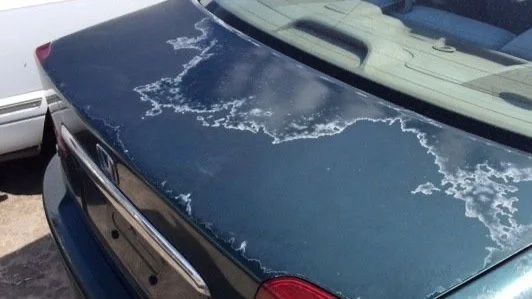
Oxidation is a chemical reaction that happens when oxygen mixes with the paint’s surface. Over time, sunlight, heat, and moisture break down the paint’s top layer, making it lose its shine. The result? The paint turns faded, rough, and sometimes even white or chalky. Oxidation doesn’t happen overnight—it often takes months or years, but once it starts, it can spread fast if you ignore it.
Why Does Oxidation Happen?
Several factors speed up the oxidation process:
- UV rays from the sun damage the paint’s clear coat.
- Acid rain and air pollution eat away at the protective layer.
- Salt from winter roads or ocean air speeds up corrosion.
- Neglecting washing or waxing means dirt and chemicals stay on the paint longer.
Even new cars with modern clear coats can suffer from oxidation if they don’t get regular care.
Signs Your Car Paint Is Oxidized
How can you tell if your car’s paint has oxidation? Look for these signs:
- Faded color – The paint looks lighter or less vibrant.
- Dull finish – The surface doesn’t reflect light well.
- Rough texture – Rubbing your hand on the surface feels chalky or gritty.
- White spots or patches – Heavily oxidized spots may turn white or powdery.
If you catch oxidation early, you can usually restore the shine without professional help. Severe cases, where the paint is thin or peeling, may need a repaint.
Credit: www.fresh-layer.com
Tools And Materials Needed
Fixing oxidation at home is possible with some basic supplies. Here’s what you’ll need:
| Item | Purpose | Notes |
|---|---|---|
| Car wash soap | Removes dirt | Don’t use dish soap |
| Microfiber towels | Safe drying & cleaning | Avoid paper towels |
| Clay bar kit | Removes surface contaminants | Optional, but improves results |
| Car polish or rubbing compound | Removes oxidation | Choose light or heavy based on damage |
| Foam or microfiber applicator pad | Applies polish evenly | Hand or machine use |
| Car wax or sealant | Protects paint | Wax is easier for beginners |
| Dual action polisher (optional) | Speeds up polishing | Not required, but helps with larger areas |
| Masking tape | Protects trim and edges | Prevents damage to rubber/plastic parts |
| Gloves | Protects your hands | Especially with chemicals |
Pro tip: If you’re not sure about polish strength, start with the mildest product. You can always try a stronger compound if needed.
Step-by-step: How To Fix Car Paint Oxidation At Home
Restoring oxidized paint isn’t difficult, but it does take time and care. Follow these steps for best results:
1. Wash And Dry The Car
Use car wash soap, not household cleaners. Wash the entire car, focusing on the oxidized areas. Rinse well and dry with a clean microfiber towel. Dirt or dust left on the surface can scratch the paint during polishing.
Beginner insight: Many people skip drying, but water spots can interfere with polish and make results uneven.
2. Inspect The Paint
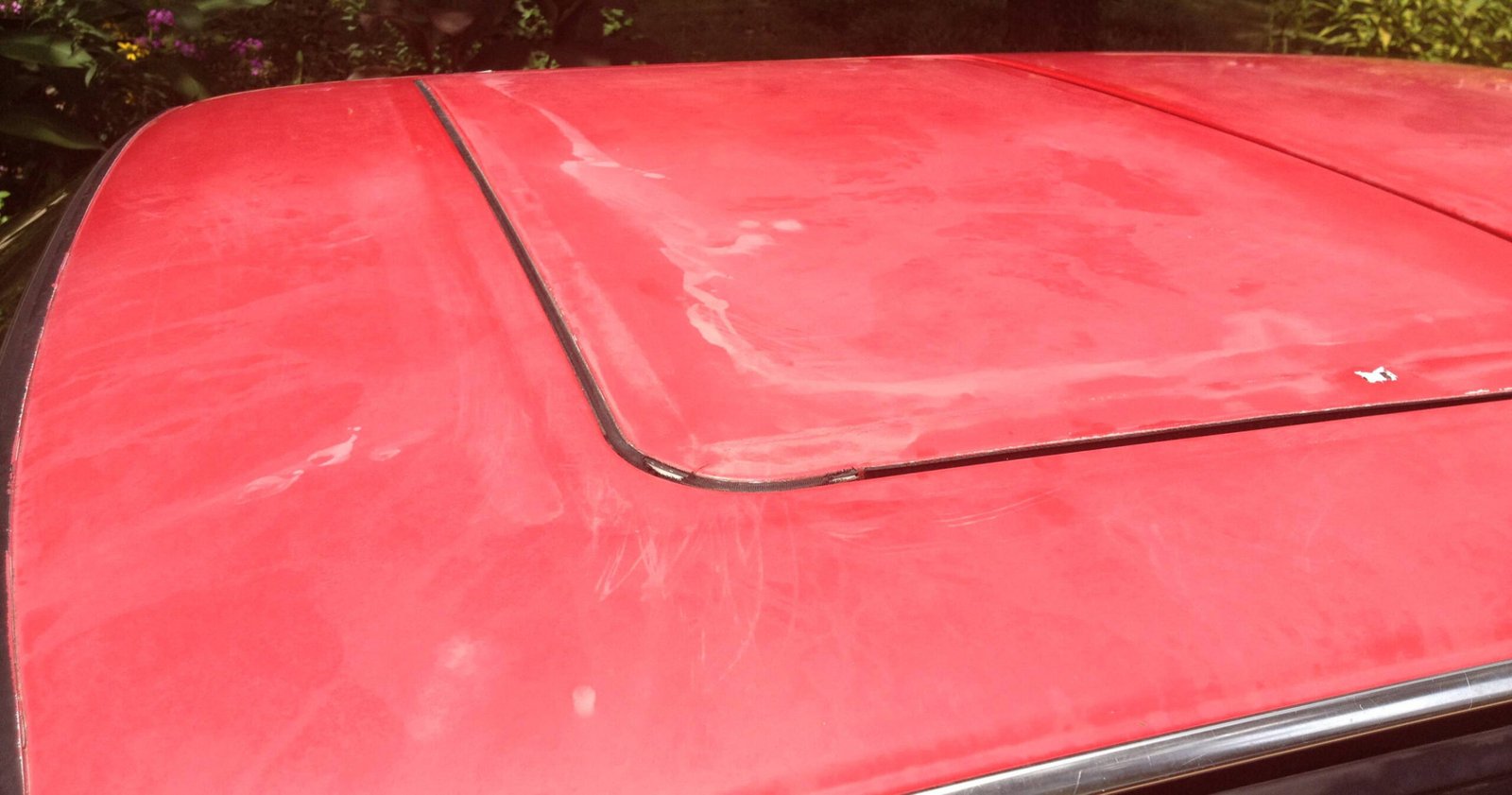
Look closely at the affected areas. How deep is the oxidation? Light oxidation means the paint is only a little faded or dull. Severe oxidation feels rough, with white or powdery spots.
Tip: Mark badly oxidized spots with masking tape so you don’t miss them.
3. Clay Bar Treatment (optional But Recommended)
If you want a smooth finish, use a clay bar kit. Spray clay lubricant on the paint, then rub the clay bar gently over the surface. This removes bonded contaminants (like tar or sap) that washing can’t. Wipe the area with a clean towel afterward.
4. Apply Polishing Compound
Choose a compound based on the oxidation level:
- Light oxidation: Use a finishing polish or swirl remover.
- Moderate to heavy: Use a rubbing compound.
Put a small amount of polish on the applicator pad. Rub it on the paint using small, circular motions. Work in sections (no bigger than 2 feet by 2 feet). If you have a dual action polisher, it will save time—just use low or medium speed.
Let the polish dry to a haze, then buff off with a clean microfiber towel. Repeat if oxidation is still visible.
Common mistake: Pressing too hard can damage paint. Let the compound do the work.
5. Check Your Progress
After polishing, examine the paint in good light. If the color and shine are back, you’re ready for the next step. If not, repeat polishing once or twice. Don’t overdo it—too much polishing can thin the clear coat.
6. Wax Or Seal The Paint
Waxing protects your hard work. Use a quality carnauba wax or synthetic sealant. Apply a thin, even layer with a clean pad. Wait for it to haze, then buff off with a microfiber towel. Wax acts as a shield against sun and pollution, slowing down future oxidation.
Non-obvious insight: Wax is not a one-time fix. Repeat every 2-3 months for best protection.
7. Final Touches
Remove masking tape and inspect trim for residue. Clean windows and mirrors if needed. If you see uneven spots, lightly polish and re-wax those areas.
Credit: islanddetailandcolor.com
Key Points: Manual Vs. Machine Polishing
Polishing can be done by hand or with a machine. Here’s how they compare:
| Method | Pros | Cons |
|---|---|---|
| Manual (hand) | Low cost, easy to control, safe for beginners | Takes more time, can be tiring, less effective on severe oxidation |
| Machine (DA polisher) | Faster, more even results, better for large or heavily oxidized areas | Requires practice, more expensive, risk of damage if misused |
If you’re new, start by hand. For larger jobs or deep oxidation, a dual-action polisher is worth learning.
Common Mistakes To Avoid
Fixing oxidation isn’t hard, but these errors can make things worse:
- Using harsh cleaners – Dish soap or degreasers strip oils and dry out paint.
- Skipping steps – Not cleaning or drying thoroughly leads to poor results.
- Polishing in sunlight – Heat dries polish too fast; work in shade for better control.
- Over-polishing – Too much rubbing thins the clear coat and can expose color layer.
- Ignoring protection – Failing to wax means oxidation returns quickly.
Non-obvious insight: Don’t rush. Even small areas take time. Trying to fix everything in one pass usually leads to uneven or patchy results.
When To Seek Professional Help
DIY methods work for light to moderate oxidation. But if you see any of these signs, consider seeing a pro:
- Paint is peeling or flaking
- Bare metal is showing
- Color comes off on your towel (paint is too thin)
- Deep scratches or stains
Professional detailers have tools and products that go beyond home kits. In severe cases, repainting may be the only solution.
Preventing Future Oxidation
Once your car is shiny again, keep it that way:
- Wash regularly (every 2-4 weeks) with car-specific soap.
- Wax every 2-3 months for lasting protection.
- Park in shade or garage when possible.
- Use a car cover if your car sits outside for long periods.
- Fix chips or scratches quickly; exposed paint oxidizes faster.
Preventive care is much easier than fixing severe oxidation.
Cost And Time: What To Expect
Fixing oxidation at home is affordable compared to professional services. Here’s a rough breakdown:
| Item/Service | Typical Cost | Time Needed |
|---|---|---|
| Basic supplies (soap, towels, polish, wax) | $30 – $70 | Varies by car size |
| Clay bar kit (optional) | $15 – $30 | 30-60 mins |
| Dual action polisher (optional) | $60 – $150+ | Speeds up job |
| Professional detailer | $100 – $400 | Usually 1 day |
Most home jobs take 2-6 hours depending on the car’s size and oxidation level.
Frequently Asked Questions
What Is The Difference Between Oxidation And Fading?
Oxidation is a chemical process where the paint’s surface reacts with oxygen, breaking down the clear coat and color. Fading is the slow loss of color, usually from UV rays. Oxidation often looks chalky and rough, while fading appears as a gradual lightening of color.
Can I Fix Paint Oxidation Without A Polisher?
Yes, you can remove light to moderate oxidation by hand using a microfiber pad and polish. It takes longer and more effort, but is safe for beginners. Severe oxidation or large areas are easier with a dual-action polisher.
How Often Should I Wax My Car To Prevent Oxidation?
Waxing every 2-3 months is best for most cars. If you live in a sunny or salty area, waxing every 6-8 weeks offers more protection. Regular waxing forms a barrier against sun and contaminants.
Will Fixing Oxidation Remove Scratches Too?
Polishing can remove light surface scratches and swirl marks. Deeper scratches, especially those you can feel with a fingernail, may need professional repair or repainting.
Is It Safe To Use Toothpaste To Remove Oxidation?
Toothpaste is mildly abrasive and can remove very light oxidation in small spots, but it’s not designed for car paint. It’s better to use products made for automotive finishes for safe, lasting results.
Restoring your car’s paint from oxidation takes work, but the results are worth it. With patience and the right products, you can make your car shine like new—without spending hundreds at a shop. For more detailed information on car paint care, visit the Automotive Paint Wikipedia page.

Credit: ausdetailingpros.com.au