
A car transmission that slips can turn a smooth drive into a stressful experience. You might notice the engine revving without a matching increase in speed, gears changing for no reason, or a delay when shifting. While some transmission problems require a mechanic, there are several steps you can take at home to diagnose and sometimes fix transmission slipping yourself. Knowing how to handle these problems can save money, extend the life of your car, and help you avoid being stranded on the road.
What Is Transmission Slipping?
When your transmission slips, the engine’s power does not reach the wheels correctly. You might feel the car hesitate, lose power, or notice a sudden jump in RPMs. Common symptoms include:
- Difficulty shifting gears
- Delayed acceleration
- Unusual noises, such as whining or grinding
- Burning smell from under the hood
Transmission slipping is most common in automatic transmissions, but it can also happen in manual cars. Fixing it early is important to avoid expensive repairs.
Why Do Transmissions Slip?
Understanding the causes helps you choose the right fix. Common reasons include:
- Low transmission fluid
- Worn or broken transmission bands
- Faulty solenoids
- Clutch problems (manual or automatic)
- Damaged gears
- Worn or broken seals and gaskets
- Dirty or clogged transmission filter
Most of these issues start small and get worse over time, so early action is key.
Credit: www.homedepot.com
Safety First: Preparing To Work On Your Car
Before you begin, safety is the top priority. Follow these steps:
- Park your car on a flat, level surface.
- Engage the parking brake.
- Let the engine cool completely.
- Use wheel chocks to prevent rolling.
- Wear gloves and safety glasses.
Working with transmission fluid can be messy and harmful to your skin, so protection is essential.
Step-by-step Guide To Fixing Transmission Slipping At Home
1. Check And Top Up Transmission Fluid
The most common cause of slipping is low or old transmission fluid.
- Start the engine and let it warm up.
- Locate the transmission dipstick (usually marked and near the engine).
- Pull out the dipstick, wipe it clean, reinsert, then check the level.
- If the fluid is low, add the correct type for your car. Do not overfill.
- Check the color: It should be bright red (automatic) or clear (manual). Dark or burnt-smelling fluid means it needs changing.
Tip: Always use the manufacturer’s recommended fluid. Mixing types can cause more problems.
2. Look For Leaks
Fluid leaks are a major reason for transmission slipping. Check these areas:
- Under the car for red or brown puddles
- Around the transmission pan
- At the drive shaft and axle seals
If you find a leak, you may need to replace a gasket or seal. Small leaks can sometimes be fixed with a transmission stop-leak additive.
3. Change Transmission Fluid And Filter
Old or dirty fluid cannot protect your transmission. Here’s how to change it:
- Place a drain pan under the transmission.
- Remove the transmission pan bolts carefully.
- Let all the old fluid drain out.
- Remove the old filter and replace it with a new one.
- Clean the pan and magnets inside (they catch metal shavings).
- Install a new gasket, bolt the pan back on, and refill with new fluid.
Changing the filter is important. A clogged filter can restrict fluid flow and cause slipping.
4. Adjust Or Replace Transmission Bands
Some automatic transmissions use bands to hold gears. Over time, these bands can loosen and cause slipping.
- Consult your car’s service manual to locate the adjustment screws.
- Use the correct tool (often a torque wrench) to tighten the band as recommended.
- If bands are worn out, they may need to be replaced—a more advanced job, but possible for skilled DIYers.
5. Inspect And Replace Worn Clutch (manual Or Automatic)
A worn clutch can cause slipping, especially in manual cars.
- If you notice the pedal feels soft, or you smell burning, the clutch may be the cause.
- Replacing a clutch is complex but can be done at home with the right tools and patience.
- For automatics, the clutch pack inside the transmission may wear out. Replacing it is usually a job for professionals, but you can check for signs like debris in the fluid.
6. Clean Or Replace Transmission Solenoids
Transmission solenoids control the flow of fluid and gear shifts. If they fail, slipping can occur.
- Locate the solenoids (usually inside or on the side of the transmission).
- Test with a multimeter for correct resistance values (see your service manual).
- Clean the electrical connections and replace any faulty solenoids.
7. Reset The Transmission Control Module
Many modern cars use a computer to control the transmission. Sometimes, a simple reset can fix shifting problems.
- Disconnect the battery for 30 minutes.
- Reconnect and let the car idle for a few minutes.
- Drive gently to allow the computer to relearn shifting patterns.
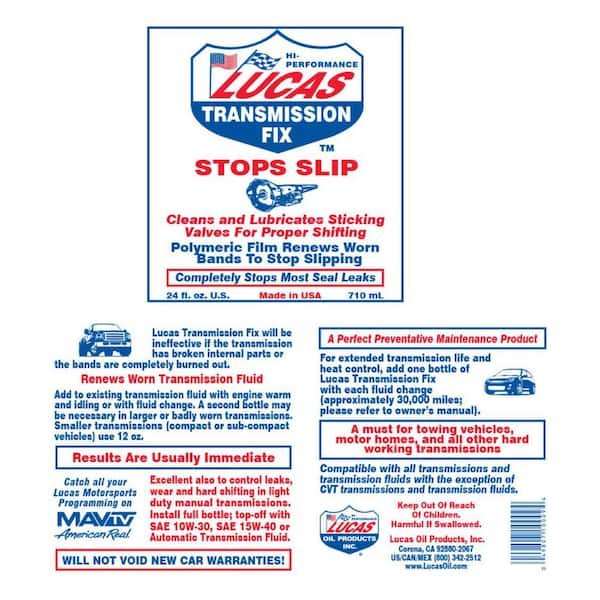
8. Use Transmission Additives Carefully
There are products designed to stop slipping by conditioning seals and improving fluid performance.
- Only use additives made for your car’s transmission type.
- Do not rely on additives for serious mechanical problems.
- Add the product to the transmission fluid as instructed.
9. Tighten Or Replace Gaskets And Seals
A loose or damaged gasket can cause leaks and slipping.
- Inspect the transmission pan gasket for cracks or breaks.
- Replace old gaskets with new ones and tighten bolts to factory specs.
10. Check For Faulty Sensors
Modern transmissions rely on sensors for proper operation.
- Use an OBD-II scanner to check for trouble codes.
- Replace any faulty sensors, such as speed sensors or pressure sensors.
11. Inspect Transmission Mounts
Worn mounts can cause the transmission to move, leading to shifting problems.
- Inspect mounts for cracks or wear.
- Replace any that are damaged.
12. Flush The Transmission (advanced)
A full transmission flush removes all old fluid and debris, not just what’s in the pan.
- This process requires a special machine, but some DIY kits are available.
- Only flush if recommended for your car model. In some cases, flushing old transmissions can cause more harm than good.
13. Examine The Valve Body (automatic)
The valve body directs fluid to the right places. If it’s dirty or worn, shifting can suffer.
- Remove and clean the valve body if you have the skill.
- Replace it if cleaning does not help.
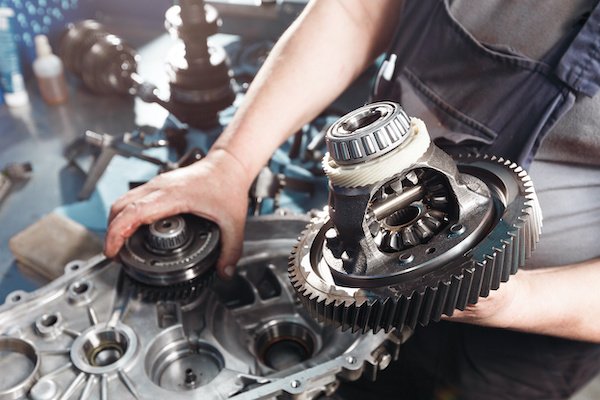
14. Inspect Internal Gears
Worn or broken gears mean serious trouble.
- Listen for grinding noises, especially when shifting.
- If you suspect gear damage, the transmission may need professional rebuilding.
15. Test Drive And Monitor Results
After making repairs, take the car for a gentle drive.
- Check for smooth shifting.
- Monitor fluid levels and look for leaks.
- If slipping continues, seek professional help.
Comparing Diy Fixes: Cost, Difficulty, And Results
Here’s a quick look at how some common fixes compare:
| Fix | Estimated Cost | DIY Difficulty | Success Rate for Slipping |
|---|---|---|---|
| Fluid Top-Up | $10–$30 | Easy | High (if low fluid is the cause) |
| Fluid & Filter Change | $40–$100 | Medium | High (if fluid is dirty) |
| Clutch Replacement | $150–$500 | Hard | High for worn clutch |
| Additives | $10–$40 | Easy | Low–Medium (temporary fix) |
When Diy Is Not Enough
Some transmission problems are too complex or dangerous for home repair:
- Internal gear or bearing damage
- Bad torque converter
- Major electrical faults
- Severe leaks or contamination
In these cases, it’s better to visit a trusted mechanic or transmission specialist.
Common Mistakes To Avoid
Fixing a slipping transmission at home is possible, but many people make avoidable mistakes:
- Using the wrong fluid – Always double-check your owner’s manual.
- Overfilling the transmission – Too much fluid can cause foaming and more slipping.
- Ignoring small leaks – Even a drip can lead to big problems.
- Not replacing the filter – Clean fluid with a dirty filter does not solve the problem.
- Skipping a test drive – Always check your work before regular driving.
Real-world Example
Sam owns a 2008 Toyota Camry. One day, he noticed the car revved high but did not speed up as expected. He checked the transmission fluid and found it was low and dark. After replacing the fluid and filter, the slipping stopped. Months later, when a leak developed, he changed the gasket and added a stop-leak product. His car has run smoothly since. Sam’s experience shows that early action and proper maintenance can save thousands in repairs.
Credit: www.europeanautomotors.com
Transmission Fluid Types: Why They Matter
Not all transmission fluids are the same. Using the wrong type can make slipping worse.
| Transmission Type | Recommended Fluid | Typical Color |
|---|---|---|
| Automatic | ATF (Dexron, Mercon, etc.) | Bright Red |
| Manual | Gear Oil (GL-4, GL-5) | Clear or Amber |
| CVT | CVT-specific Fluid | Light Red or Green |
Always check your manual or the fluid cap for the right type.
Preventing Future Transmission Slipping
Regular maintenance is the best way to avoid problems:
- Change fluid and filter every 30,000–60,000 miles, or as recommended.
- Fix leaks immediately.
- Drive gently—avoid heavy towing or sudden shifts.
- Warm up your car in cold weather before driving.
A little care goes a long way in keeping your transmission healthy.
Credit: www.hybridautomotives.com.au
Frequently Asked Questions
What Is The Main Cause Of Transmission Slipping?
The most common cause is low or old transmission fluid. Leaks, worn bands, or clutch problems are also frequent reasons.
Can I Drive My Car If The Transmission Is Slipping?
It’s not safe to drive with a slipping transmission. You could damage it further and risk being stranded.
How Do I Know Which Transmission Fluid To Use?
Check your owner’s manual or the label on the transmission dipstick. Using the wrong fluid can cause serious damage.
Are Transmission Additives Safe?
Some additives can help with minor leaks or slipping, but they are not a permanent fix for major problems.
When Should I See A Professional?
If you have tried basic fixes and the problem continues, or if you hear grinding noises or see metal shavings in the fluid, see a transmission specialist.
Fixing car transmission slipping at home is possible for many common issues. Start with simple checks, follow safety steps, and don’t ignore small problems. For more on car maintenance, the Wikipedia page on automatic transmissions offers helpful background information. With the right approach, you can keep your car running smoothly and avoid expensive repairs.