
Installing a manual car boost controller can feel intimidating, especially if you have never modified your car’s turbo system before. But with the right tools, some patience, and clear step-by-step guidance, you can gain better control over your car’s turbo boost pressure. This can result in increased power, better throttle response, and a more engaging driving experience. However, installing a boost controller is not a job to rush through—small mistakes can lead to engine damage or poor performance. This guide will show you how to install a manual boost controller safely, explain why certain steps matter, and highlight common mistakes to avoid. Even if English is not your first language, you will find easy-to-follow instructions and practical advice throughout.
What Is A Manual Boost Controller?
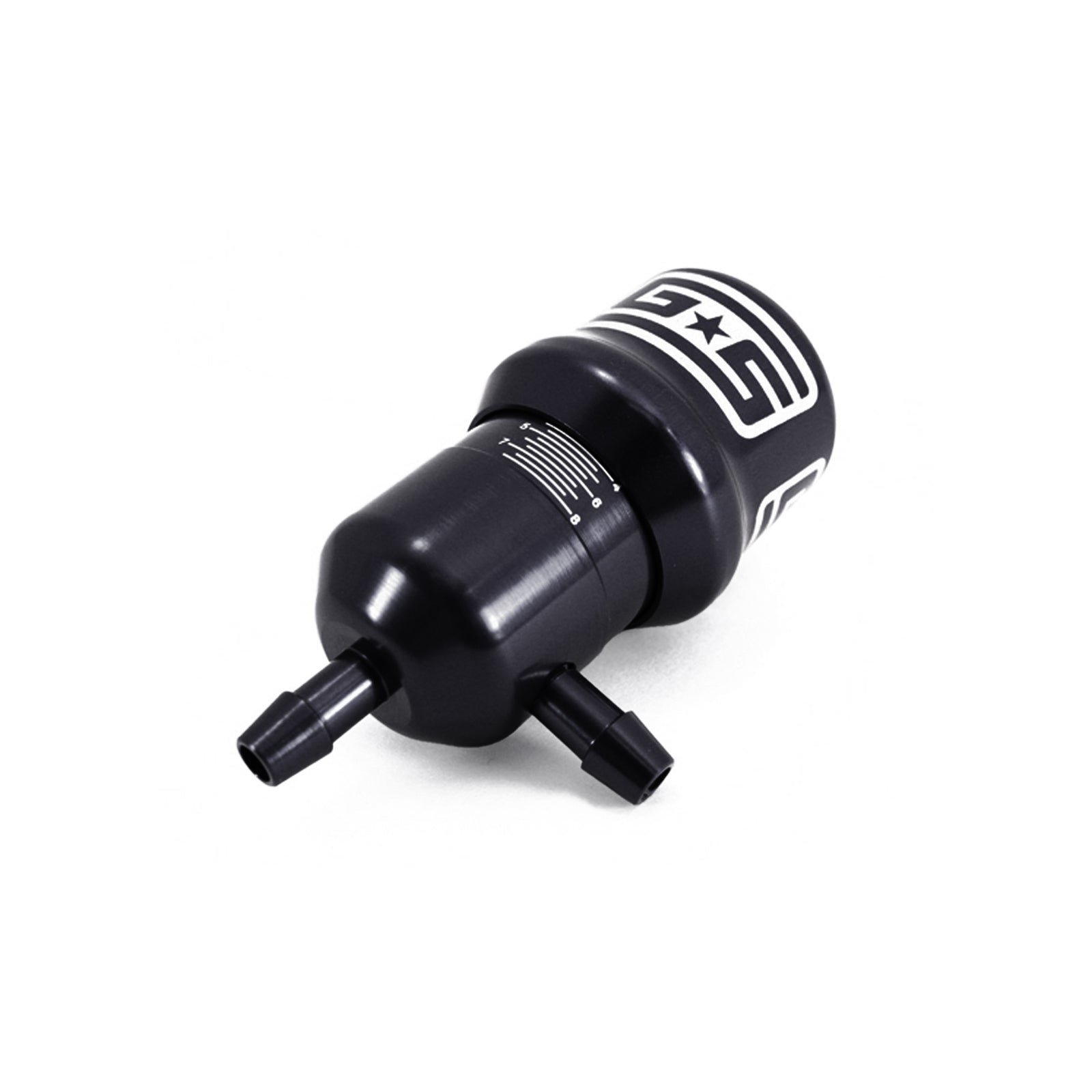
A manual boost controller is a simple device that lets you adjust the amount of boost (air pressure) that your turbocharger sends to your engine. By increasing or decreasing the boost, you can change how much power your engine makes. Unlike electronic controllers, manual versions use mechanical parts like springs and valves. These devices are popular because they are affordable, easy to install, and reliable.
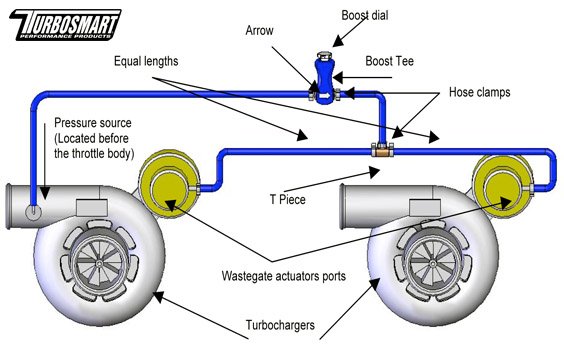
Manual boost controllers work by controlling the pressure signal that goes to the turbo’s wastegate actuator. By changing this signal, you decide when the wastegate opens, which affects maximum boost pressure.
Why Install A Manual Boost Controller?
Many car enthusiasts install manual boost controllers to:
- Increase engine power: More boost means more air, so the engine can burn more fuel and make more power.
- Reduce turbo lag: Adjusting the controller can make the turbo respond faster.
- Fine-tune performance: You can set the boost pressure you want for different driving situations.
However, it is important to know that more boost also means more stress on your engine and related parts. Always check your car’s limits before making adjustments.
Credit: www.youtube.com
Tools And Materials You Need
Before starting the installation, gather these items:
- Manual boost controller kit (with hoses and fittings)
- Screwdrivers (flat and Phillips)
- Small adjustable wrench or socket set
- Pliers
- Utility knife or hose cutter
- Zip ties or hose clamps
- Vacuum/boost hose (usually 4mm or 6mm inner diameter)
- Boost gauge (strongly recommended for accuracy)
Having the right tools makes the job smoother and helps avoid damaging sensitive parts.
Safety And Preparation
Working on your car’s turbo system requires care. Here are some tips to stay safe and avoid mistakes:
- Disconnect the battery: Prevent accidental shorts or electrical issues.
- Let the engine cool: Turbo parts get extremely hot after driving.
- Work in a well-lit area: Good visibility helps you spot problems early.
- Check all hoses and clamps: Replace old or cracked vacuum hoses.
- Read your car’s manual: Look for diagrams of the turbo and wastegate.
One insight many beginners miss: always check for any existing boost leaks before starting. Leaks can cause incorrect boost readings and make tuning difficult.
Step-by-step: How To Install A Manual Boost Controller
Follow these steps carefully to install your manual boost controller:
1. Locate Key Turbo Components
Identify the turbocharger, wastegate actuator, and the vacuum/boost hoses connecting them. On most cars, you will see a small metal canister (the actuator) with a hose running from the turbo housing.
2. Remove The Stock Boost Control Hose
Carefully disconnect the hose that runs from the turbo compressor (or boost source) to the wastegate actuator. This hose controls when the wastegate opens.
3. Install The Manual Boost Controller
Your boost controller will have two ports:
- IN (boost source)
- OUT (to wastegate actuator)
Connect a new piece of vacuum hose from the turbo’s boost source to the IN port on your controller. Then, connect another hose from the OUT port to the wastegate actuator.
Make sure all connections are tight and use hose clamps or zip ties to prevent leaks.
4. Secure The Controller
Mount the manual boost controller in a place that is easy to reach but away from extreme heat. Many people use zip ties to secure it to a solid part of the engine bay.
5. Double-check All Connections
Inspect all hoses for kinks, sharp bends, or loose ends. A small vacuum leak can cause erratic boost levels or poor engine performance.
6. Adjust The Controller
Before starting the engine, set the controller to its lowest boost setting (usually fully closed or counterclockwise). This helps prevent too much boost during your first test drive.
7. Install A Boost Gauge (if Not Already Present)
A boost gauge is critical for safe tuning. Connect the gauge to a vacuum line on the intake manifold. This will show you real-time boost pressure as you drive.
8. Test Drive And Fine-tuning
Start the engine and let it warm up. With the controller at the lowest setting, take a short drive and watch the boost gauge. Slowly increase the boost by turning the controller (usually clockwise) in small steps. After each adjustment, test the car and check the boost level.
Never increase boost more than 10% above your car’s factory setting unless you are certain your engine and fuel system can handle it.
9. Secure Everything After Adjustments
Once you find your ideal boost level, double-check all hoses and fittings again. Secure any loose lines and make sure the controller is firmly mounted.
Typical Installation Layouts For Popular Cars
Different cars have slightly different turbo setups. Here’s a comparison of common installation points for popular turbocharged models:
| Car Model | Turbo Location | Wastegate Actuator | Boost Source |
|---|---|---|---|
| Mitsubishi Lancer Evo | Front of engine bay | Left side of turbo | Turbo compressor outlet |
| Subaru WRX | Rear of engine bay | Right side of turbo | Turbo compressor outlet |
| Nissan 350Z (aftermarket turbo) | Near firewall | Custom location | Compressor housing |
Checking your car’s service manual or forums for your specific model can save time and help avoid mistakes.
Common Mistakes And How To Avoid Them
Even experienced car enthusiasts sometimes make errors when installing a manual boost controller. Here are pitfalls to watch for:
- Not using a boost gauge: Without a gauge, you cannot accurately see your boost level. This is risky for your engine.
- Over-tightening hose clamps: Too much force can cut vacuum hoses, causing leaks.
- Setting boost too high, too quickly: This can lead to engine knock or damage.
- Ignoring heat sources: Placing the controller near exhaust parts can melt hoses or damage the device.
- Forgetting to secure hoses: Loose lines can pop off under boost, leading to sudden loss of power.
Non-obvious insight: Some cars have a factory boost control solenoid. When installing a manual controller, you may need to bypass or unplug this solenoid to prevent conflicts.
Fine-tuning For Best Performance
After installation, getting the right boost pressure takes patience. Here are some tips:
- Make small adjustments: Turn the controller in 1/4-turn steps and test each time.
- Listen for engine knock: If you hear pinging or rattling, reduce boost immediately.
- Watch air-fuel ratios: If possible, use a wideband O2 sensor to monitor your engine’s air-fuel mix.
- Check for check engine lights: Some cars will throw a code if boost is much higher than stock.
Remember, more boost is not always better. Find a balance between power and reliability.
Pros And Cons Of Manual Vs. Electronic Boost Controllers
Manual boost controllers are popular, but how do they compare with electronic models? Here’s a quick comparison:
| Feature | Manual Controller | Electronic Controller |
|---|---|---|
| Cost | Low | High |
| Adjustability | Basic (manual) | Advanced (in-cabin, presets) |
| Installation | Simple | Complex |
| Reliability | Very high | High (but more parts) |
| Features | Adjust boost only | Multiple modes, safety features |
Manual controllers are best for those who want simplicity and reliability. Electronic controllers are ideal if you want more control and features but are willing to pay more.
Maintenance And Periodic Checks
A manual boost controller needs little maintenance, but you should:
- Check all hoses every few months for cracks or leaks.
- Make sure the controller is still firmly mounted.
- Clean the device if it gets dirty or sticky.
- Watch for any changes in boost pressure—this could mean a leak or faulty part.
Pro tip: Changes in weather (like very cold or hot days) can slightly affect boost levels. It’s smart to check your gauge regularly, especially after big temperature shifts.
Credit: www.grimmspeed.com
When To Seek Professional Help
If you notice any of the following, get help from a tuning shop or mechanic:
- Boost pressure is unstable or “spikes” suddenly.
- You hear loud knocking or see smoke from the engine.
- The car goes into “limp mode” or shows warning lights.
- You are not comfortable with the installation steps.
A good professional can also help you tune the car safely, especially if you want to push the limits of your setup.
Frequently Asked Questions
What Is The Safest Maximum Boost Level For My Car?
The safest boost level depends on your engine’s design, age, and supporting parts. For most stock turbocharged engines, a 10–15% increase over factory settings is safe. Always check your car’s manual or consult a specialist.
Do I Need To Upgrade Other Parts When Installing A Manual Boost Controller?
Often, yes. If you want to raise boost a lot, consider stronger spark plugs, a better fuel pump, and a larger intercooler. Running more boost with stock parts can lead to problems.
Can I Install A Manual Boost Controller On A Diesel Engine?
Yes, but the process and results can be different. Diesel turbos use boost differently and may need other adjustments. Check diesel-specific guides or ask an expert.
Will Installing A Manual Boost Controller Damage My Engine?
Not if you install it correctly and avoid raising boost too high. Problems come from poor installation, boost leaks, or setting unsafe boost levels. Always use a boost gauge and adjust slowly.
Where Can I Learn More About Turbocharging And Boost Control?
You can find detailed guides and community discussions on sites like Wikipedia for technical background and deeper explanations.
Installing a manual boost controller is one of the most rewarding simple modifications for turbocharged cars. Take your time, follow each step, and always double-check your work. With care, you will enjoy more power and a more responsive ride—without risking your engine.
Credit: www.turbosmart.com