
Taking care of your garage tools and equipment is more important than most people think. Well-maintained tools save you time, money, and frustration. They work better, last longer, and make every project smoother. But many homeowners forget regular care, leading to rusted wrenches, dull blades, and electric tools that suddenly quit.
If you want your garage to be a place of productivity, not a mess of broken gear, you need smart habits. This article will show you practical steps, tips, and expert insights to keep every tool in top shape—whether you have a basic set or a workshop full of specialized equipment.
Why Garage Tool Maintenance Matters
Most tools are built to be tough, but that doesn’t mean they can survive neglect. Neglected tools can rust, break, or even become dangerous. For example, a rusty screwdriver may slip, causing injury. Power tools with clogged vents can overheat and fail. According to a study by the International Journal of Industrial Ergonomics, proper tool maintenance can extend tool life by up to 40% and reduce work injuries by 25%.
It’s also about saving money. Replacing tools is expensive. Good maintenance can keep even modestly priced tools working for years. Finally, organized and clean equipment simply makes every job easier and more enjoyable.
Daily And Routine Cleaning
One of the simplest but most important habits is regular cleaning. Dust, dirt, grease, and moisture are the biggest enemies of garage tools.
1. Wipe Down After Each Use
Always use a clean rag to wipe tools after use. For sticky grime, a bit of warm soapy water helps. Make sure to dry tools completely—moisture is the main reason for rust.
2. Compressed Air For Power Tools
Power tools often collect dust inside vents and moving parts. Use compressed air to blow out dust after each use. This keeps motors cool and prevents blockages.
3. Special Attention To Moving Parts
Hinges, joints, and blades need extra cleaning. A toothbrush or small brush can help get into tight spots.
4. Deep Cleaning Schedule
Every few months, take time for a deep clean. Disassemble what you can (following manufacturer instructions), remove grime, and inspect for wear.

Credit: thelandautorepair.com
Storage: The First Defense Against Damage
How you store tools is as important as cleaning them. Poor storage leads to rust, dulling, and accidents.
Best Storage Practices
- Dry Environment
Humidity causes rust. Keep your garage as dry as possible. If you live in a damp climate, consider a dehumidifier.
- Toolboxes and Racks
Store hand tools in toolboxes or hang them on wall-mounted racks. This prevents them from banging together and getting damaged.
- Power Tool Cases
Always return power tools to their original cases if possible. These cases are designed to protect from dust and impact.
- Magnetic Strips for Small Tools
Screwdrivers, pliers, and small metal tools stay organized and easy to reach on magnetic strips.
Storage Comparison
Here’s a quick look at popular tool storage options and their main benefits:
| Storage Type | Best For | Main Benefit | Drawback |
|---|---|---|---|
| Toolbox | Hand tools, sockets | Portable, organized | Limited space |
| Pegboard Wall | Frequently used tools | Visible, customizable | Not portable |
| Tool Chest | Large collections | Secure, lockable | Bulky |
| Magnetic Strip | Small metal tools | Quick access | Not for heavy tools |
Preventing Rust And Corrosion
Rust is the most common enemy of metal tools. It weakens them and makes them unsafe. Here are effective ways to keep rust away:
1. Oil Tools Lightly
After cleaning, wipe a thin layer of machine oil on metal surfaces. This forms a barrier against moisture.
2. Use Silica Gel Packs
Place silica gel packs in toolboxes and drawers. These absorb moisture and reduce humidity.
3. Avoid Water-based Cleaners
Never soak tools in water. If you use water to clean, dry thoroughly and oil immediately.
4. Galvanized And Chrome Tools
Tools with a galvanized or chrome finish resist rust better. If you’re buying new tools, consider these options.
Power Tool Maintenance
Power tools need more than just cleaning. Their moving parts, motors, and batteries require special care.
Essential Steps For Power Tools
1. Check Power Cords And Batteries
Inspect cords for cracks or fraying. Replace damaged cords immediately. For battery-powered tools, store batteries in a cool, dry place, and don’t let them run to zero charge.
2. Lubricate Moving Parts
Follow the manual for recommended lubricants. Never over-oil, as this can attract dust and gum up the works.
3. Tighten Screws And Bolts
Vibration can loosen fasteners. Check and tighten them regularly to prevent accidents.
4. Replace Worn Parts
Brushes, belts, and blades wear out. Replace them as soon as you notice reduced performance or visible wear.
Power Tool Lifespan Comparison
See how maintenance can affect the working life of common power tools:
| Tool | Average Lifespan (No Maintenance) | Average Lifespan (Well Maintained) |
|---|---|---|
| Cordless Drill | 3-4 years | 7-8 years |
| Angle Grinder | 2-3 years | 6-7 years |
| Jigsaw | 2 years | 5 years |
*Non-obvious insight: Many users forget to check carbon brushes in tools with motors (like drills). Worn brushes can cause overheating and motor failure, yet they are cheap and easy to replace if caught early.*
Sharpening And Adjustments
Blunt tools are not just ineffective—they can be dangerous. Sharp tools cut cleaner and require less force.
Best Practices For Sharpening
- Hand Tools: Use a whetstone or file to sharpen blades and edges. Always follow the original angle of the blade.
- Power Tool Blades: Remove blades and use a dedicated sharpener or take them to a professional service.
- Adjust Hinges and Joints: For tools like pliers or snips, a drop of oil and a quick adjustment can restore smooth movement.
Sharpening Frequency Table
Here’s how often you should sharpen some common tools:
| Tool | Recommended Sharpening |
|---|---|
| Chisels | Every 3-4 uses |
| Pruning Shears | Monthly (during active use) |
| Utility Knife | Replace blade as soon as dull |
| Hand Saw | Every 6 months |
Organizing For Efficiency And Safety
Organization is not just about neatness; it improves safety and saves time. Misplaced tools waste hours over a year. More importantly, scattered tools can be a tripping hazard or cause injury.
Steps To Organize Your Garage Tools
1. Group By Type And Use
Store similar tools together. Keep frequently used items within easy reach.
2. Label Drawers And Shelves
Use clear, simple labels. This helps everyone in the household return tools to their proper place.
3. Create A Tool Inventory
Make a simple list of your tools. Update it when you add or discard equipment. This helps track what you have and what needs maintenance or replacement.
4. Set A ‘return After Use’ Rule
Get in the habit of putting every tool back after use. This is the single most important step to keep your system working.
*Non-obvious insight: Many people forget that proper organization helps spot missing or broken tools early, reducing downtime when you need them most.*
Seasonal And Annual Maintenance
Some maintenance tasks don’t need to be done every day, but they are essential.
What To Check Each Season
- Inspect for Rust or Damage
Look at all metal parts for early signs of rust or cracks. Treat immediately.
- Test Power Tools
Run each tool briefly to check for odd noises, smells, or performance issues.
- Check Safety Gear
Gloves, goggles, and other protective gear should be clean and in good condition.
Annual Deep Maintenance
- Full Tool Audit
Once a year, empty your toolboxes and drawers. Clean everything, check for missing items, and review your tool inventory.
- Replace What Can’t Be Repaired
If a tool is damaged beyond repair, dispose of it safely and replace it.
- Refresh Lubricants and Oils
Old oil can become sticky or collect dirt. Clean and re-oil moving parts.
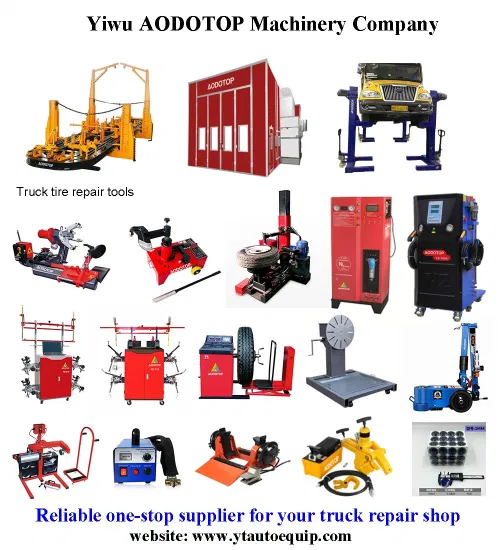
Credit: m.made-in-china.com
Common Mistakes To Avoid
Even with the best intentions, some habits can undo your hard work.
- Storing Wet Tools: Always dry tools completely before storing. Even a little moisture can start rust.
- Using the Wrong Cleaner: Avoid harsh chemicals that can damage tool finishes.
- Neglecting Power Tool Batteries: Letting batteries drain completely or leaving them in damp places shortens their life.
- Ignoring Manufacturer Instructions: Each tool can have unique maintenance needs. Always check the manual.
Safety Tips For Tool Maintenance
- Unplug Power Tools: Before cleaning or adjusting, always unplug or remove batteries.
- Wear Gloves: Protect your hands from sharp blades and cleaning chemicals.
- Work in a Well-Ventilated Area: Fumes from oils or cleaners can be harmful in closed spaces.
- Dispose of Old Tools Properly: Broken tools should not go in regular trash if they contain batteries or electronics.

Credit: thelandautorepair.com
Frequently Asked Questions
What Is The Best Way To Prevent Rust On Garage Tools?
The most effective way is to keep tools dry and lightly oiled. Store them in a dry place and use silica gel packs in toolboxes. Wipe tools after use and apply a thin layer of machine oil to exposed metal surfaces.
How Often Should I Clean My Power Tools?
Basic cleaning should be done after every use. Deep cleaning, which includes removing covers and cleaning inside, should be done every few months or as recommended by the manufacturer.
What Should I Do If My Tool Starts To Rust?
Remove rust as soon as you notice it. Use fine sandpaper or a wire brush to scrub off rust, then clean and oil the tool. For severe cases, special rust removers are available.
How Do I Maintain Rechargeable Batteries For Power Tools?
Store batteries in a cool, dry place. Avoid letting them fully discharge. Charge them after each use, and do not leave them plugged in for long periods after reaching full charge. For more battery care tips, see this ENERGY STAR guide.
Is It Worth Investing In High-quality Tools For Easier Maintenance?
Yes. Higher quality tools often have better materials and finishes that resist rust and wear. They are easier to maintain and last longer, making them a better investment in the long run.
Taking care of your garage tools and equipment is not just about keeping things tidy. It’s a smart way to protect your investment, make every project safer and smoother, and save money over time. With these habits and tips, your tools will be ready to help you tackle any task—now and for years to come.