
A small garage can quickly become a messy puzzle when you own several power tools. It’s easy to lose time searching for a drill, stepping over cords, or worrying about damaging expensive equipment. But with smart planning, you can transform even a tight space into an organized, safe, and efficient workshop.
This guide gives you step-by-step strategies to organize power tools in a small garage—so you save space, protect your tools, and always know exactly where everything is.
Understanding Your Space And Tools
Every garage is unique, and so is every tool collection. Start by measuring your garage and noting fixed obstacles like doors, windows, and water heaters. Next, pull out every power tool you own. Group similar tools together—like saws, drills, or sanders. This step helps you see what you use most, what you use rarely, and what might be broken or duplicated.
A common mistake is skipping this inventory. You might plan for tools you don’t have or miss tools you forgot. Take photos or write down your tool list; this creates a clear picture before you start organizing.
Declutter And Prioritize
Before you invest in storage, declutter. Broken tools, duplicates, and accessories you never use only eat space. Be honest: if you haven’t used a tool in two years, consider selling or donating it.
Prioritize tools by frequency of use:
- Daily/weekly: Keep drills, impact drivers, or frequently-used saws most accessible.
- Occasional: Specialty sanders, routers, or paint sprayers can go higher or further back.
- Seasonal: Large tools like snow blowers or leaf blowers may only need seasonal access.
This approach ensures your everyday workflow is smooth, not crowded by rarely-used gear.
Smart Storage Solutions For Power Tools
Let’s look at the most effective ways to store power tools in a compact garage.
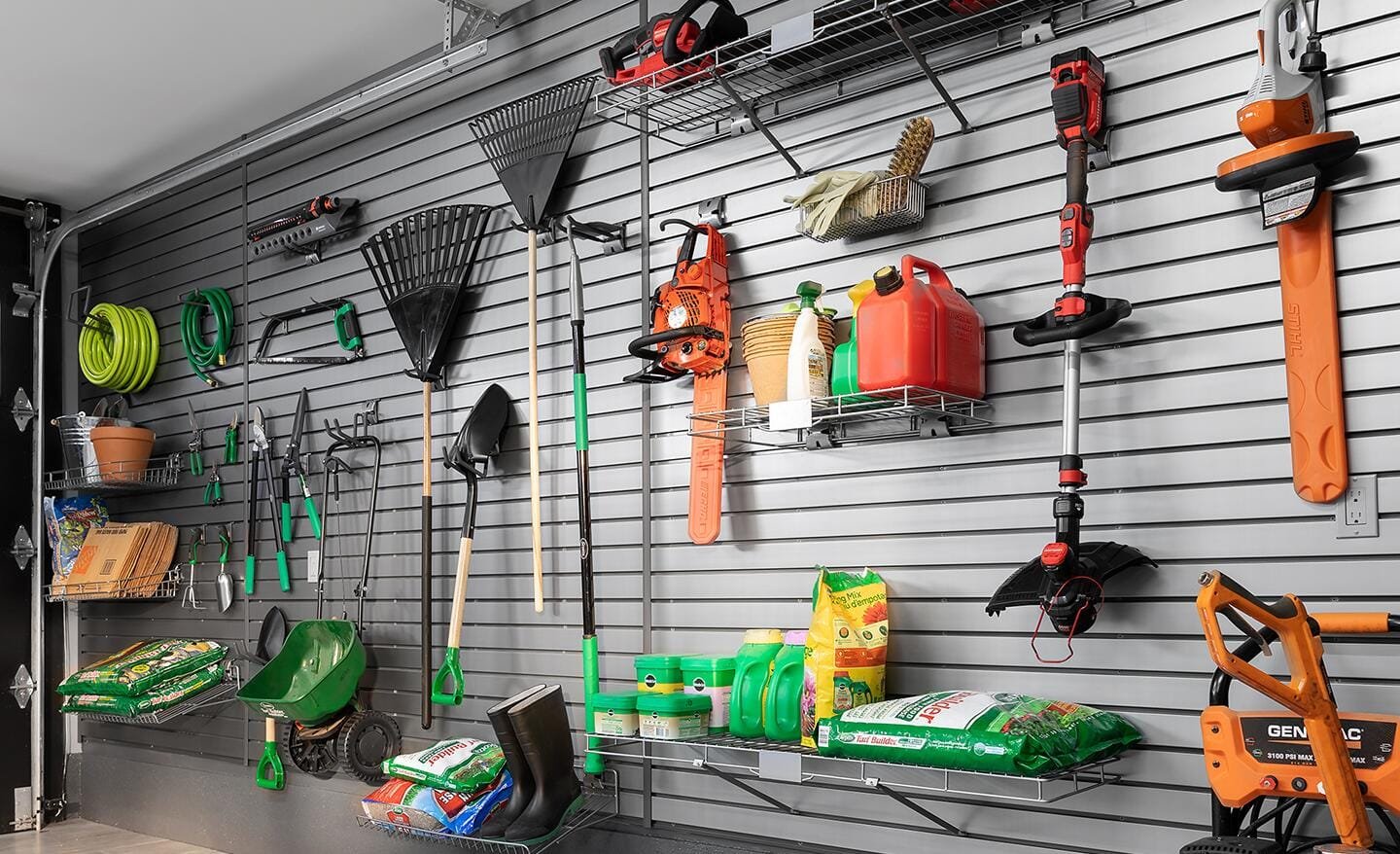
Wall-mounted Shelving And Racks
Walls are often wasted space. Install sturdy shelves or racks to keep tools off the floor. Metal shelves hold more weight but wood shelves are easier for DIY projects. Use wall-mounted racks with hooks or slots for hanging:
- Drills and drivers
- Circular saws
- Extension cords
Shelves should be adjustable if possible, so you can reorganize as your tool collection changes.
Pegboards: Flexible And Visual
Pegboards are a classic for a reason. They let you see every tool at a glance and reconfigure quickly. Use pegboard hooks, bins, or dedicated tool holders. Outline each tool’s shape with a marker—this gives every item a home and makes it easy to spot what’s missing.
Pro tip: Use metal pegboards for heavy tools, as plastic can sag over time.
Cabinets And Drawers
Lockable cabinets are good for expensive or dangerous tools. Drawers with dividers keep batteries, bits, and blades organized. Label each drawer. For small garages, choose cabinets that fit under workbenches to maximize space.
Mobile Tool Carts
If you work in different parts of your garage, a rolling tool cart is a smart investment. Store your most-used power tools and accessories here. When not in use, the cart can tuck into a corner.
Overhead Storage
Don’t forget the ceiling. Sturdy ceiling-mounted racks can hold tool cases, seasonal equipment, or large bins. Just make sure you don’t block garage door movement or lights.
Specialized Holders
For awkward tools—like jigsaws or angle grinders—buy or build custom holders. These can be wall-mounted racks or drawer inserts, keeping everything secure and easy to grab.
Power Tool Charging Station
A dedicated charging station keeps batteries organized, charged, and ready. Mount a power strip on the wall near your workbench. Add shelves or cubbies for each battery charger and battery pack. Label each slot with the tool or battery type.
A simple charging station reduces cord mess and prevents overcharging. Install a timer on the power strip, so chargers shut off automatically.
Safe And Secure Storage
Safety is vital. Store heavy tools low to avoid accidents. Lock up sharp or dangerous tools, especially if children use the garage. Keep cords coiled and off walkways to prevent tripping.
If you have valuable or rare tools, consider a lockable cabinet or add a garage alarm. Many insurance companies require proof of secure storage for high-value items.
Maximizing Small Spaces: Vertical Vs. Horizontal Storage
A small garage demands creative thinking. Vertical storage uses walls and ceilings, freeing up floor space for cars or workbenches. Horizontal storage—like under-bench drawers—makes use of low, often-wasted zones.
Here’s a simple comparison of vertical vs. horizontal storage benefits:
| Storage Type | Best For | Typical Tools | Key Advantage |
|---|---|---|---|
| Vertical (Wall/Ceiling) | Small garages, easy access | Drills, saws, cords, cases | Saves floor space |
| Horizontal (Under-bench/Drawers) | Low ceilings, safety | Batteries, bits, small sanders | Keeps items dust-free |
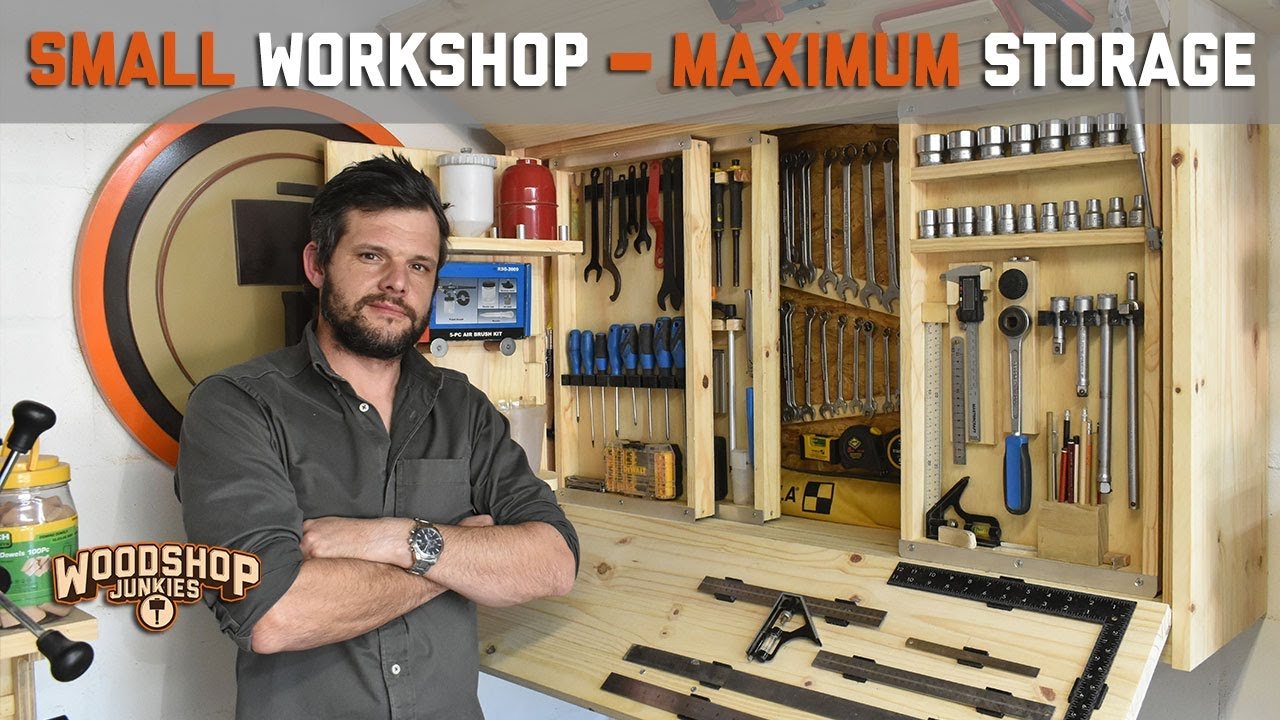
Use both approaches to get the most from your space.
Credit: www.youtube.com
Tool Maintenance And Organization Habits
It’s not enough to organize once and forget it. Develop habits that keep your garage tidy:
- Return tools after use: Make it a rule to put every tool back in its place.
- Clean as you go: Wipe down tools before storing to prevent rust and dust buildup.
- Check batteries weekly: Rotate charging to keep all batteries in good condition.
- Reassess seasonally: Every few months, review your setup. Remove tools you no longer need.
A garage quickly gets messy if you skip these habits. Consistency is the secret to lasting organization.
Labeling And Tool Tracking
Labels save time. Use a label maker or painter’s tape and marker. Label shelves, bins, and even power cords. For large tool collections, consider a digital tracking app or a spreadsheet. This is helpful if you share tools with family or friends.
If you often lose bits or accessories, try small parts organizers or magnetic strips for metal bits.
Budget-friendly Organization Ideas
You don’t need expensive systems to organize well. Here are low-cost options:
- PVC pipe holders: Cut short lengths and screw to the wall for storing drills or screwdrivers.
- Old jars or food containers: Store small accessories like screws, drill bits, or sanding pads.
- Repurpose shoe organizers: Hang on the wall for storing cords, batteries, or small tools.
- DIY wooden racks: Use scrap wood for custom tool holders.
A little creativity goes a long way in a small space.
Common Mistakes And How To Avoid Them
Many people make simple mistakes when organizing power tools:
- Overloading shelves: Check weight limits to avoid collapse.
- Ignoring workflow: Store most-used tools too high or far away.
- Not planning for growth: Fill every inch with no room for future tools.
- Poor lighting: A dark garage makes it hard to find tools and dangerous to work.
Plan for the future and leave open spots for new tools. Add LED strip lights or task lighting to brighten your workspace.
:max_bytes(150000):strip_icc()/75567006_731773897327460_1139893686297985030_n-ba90fc26adf144a69886aa6f2dbfe6be.jpg)
Credit: www.thespruce.com
Example Garage Layout
Here’s a sample layout for a single-car garage (about 12 ft x 20 ft):
| Zone | Main Features | Tools Stored |
|---|---|---|
| Left Wall | Pegboard, shelves | Drills, saws, bits, accessories |
| Back Wall | Workbench, charging station | Batteries, chargers, screwdrivers |
| Right Wall | Cabinet, mobile cart | Rarely used or valuable tools |
| Ceiling | Overhead rack | Seasonal tools, large cases |
This setup keeps the center open, so you can still park a car or have space to work.
Safety And Climate Control
Don’t ignore the garage climate. Power tools can rust in damp garages. Use a dehumidifier if you live in a wet climate, or add weatherstripping to keep out dust and moisture.
Store battery packs away from direct sunlight and extreme cold or heat. This extends their life and reduces safety risks.
If you use chemical products like oils or sprays, keep them separate from power tools to prevent accidents.
When To Upgrade Your Storage
If your collection grows or your tools become more valuable, it may be time for a storage upgrade. Signs you need to invest more include:
- Tools stacked two or three deep
- Frequent lost or damaged items
- Not enough outlets for charging
Modular systems are worth the investment as they expand with your needs.
Real-world Inspiration
Many DIYers share their garage setups on forums and YouTube. Seeing real examples can spark new ideas. For inspiration, check out the well-organized workshops in the Family Handyman Garage Workshop Ideas collection.
Credit: www.homedepot.com
Frequently Asked Questions
How Do I Store Power Tools If I Don’t Have Wall Space?
Use under-bench drawers, rolling carts, or stackable bins. Try ceiling-mounted racks for tool cases or seasonal equipment. Even a small shelf above a window can add extra storage.
What’s The Best Way To Store Cordless Tool Batteries?
Keep batteries in a dedicated charging station, ideally on a wall shelf with good ventilation. Store them at room temperature and avoid direct sun or freezing conditions for best battery life.
How Do I Keep My Tools From Rusting In A Humid Garage?
Add a dehumidifier or moisture absorber, wipe down tools before storing, and use silica gel packs in drawers or cabinets. Regular cleaning is key to preventing rust.
Can I Build My Own Tool Organizers?
Yes. Many DIYers use scrap wood, PVC pipe, or even old containers to make custom holders. This saves money and lets you design organizers for your exact tool shapes.
Is It Worth Labeling Every Tool And Shelf?
Absolutely. Labels speed up finding and returning tools, especially in a shared garage. For large collections, consider a simple spreadsheet to track tool locations.
Organizing power tools in a small garage is more than just neatness—it’s about safety, efficiency, and protecting your investment. With the right strategy, even the smallest garage can become a workshop you’re proud of.