
Moisture can turn a garage workshop from a practical space into a frustrating problem area. Tools rust, wood warps, and mold can appear on walls and ceilings. Even if you keep your garage neat, moisture can sneak in and cause damage you may not notice until it’s too late.
Preventing moisture is much easier than fixing the damage it causes. With the right steps, you can keep your garage workshop dry, safe, and comfortable—no matter the weather outside.
Why Moisture Is A Problem In Garage Workshops
Garages are often the most vulnerable part of a house when it comes to moisture. Unlike living spaces, garages usually have less insulation, more cracks, and are connected directly to the outside. When humidity rises or rainwater leaks in, you may notice musty smells, condensation on windows, or even visible mold.
Common problems caused by moisture:
- Rust on metal tools and machinery
- Warped wood for workbenches, shelves, or projects
- Mold and mildew on walls, ceilings, or flooring
- Electrical issues due to damp outlets or appliances
Many homeowners think a little moisture is normal. But ignoring it can shorten the life of your tools and make your workshop uncomfortable or even unhealthy.
Understanding Where Moisture Comes From
To prevent moisture in your garage workshop, you need to know how it gets in. Moisture can enter in several ways:
- Rainwater leaks: Water seeps through a cracked roof, walls, or gaps around doors and windows.
- Groundwater: Water rises from the ground, especially after heavy rain or if the yard slopes toward the garage.
- Condensation: Humid air meets a cold floor, wall, or tool, forming water droplets.
- High indoor humidity: Poor ventilation traps moisture from the air, activities like washing cars, or even from wet vehicles or equipment.
Each source needs a different solution. Start by inspecting your garage after rain or humid days to spot wet patches or condensation.
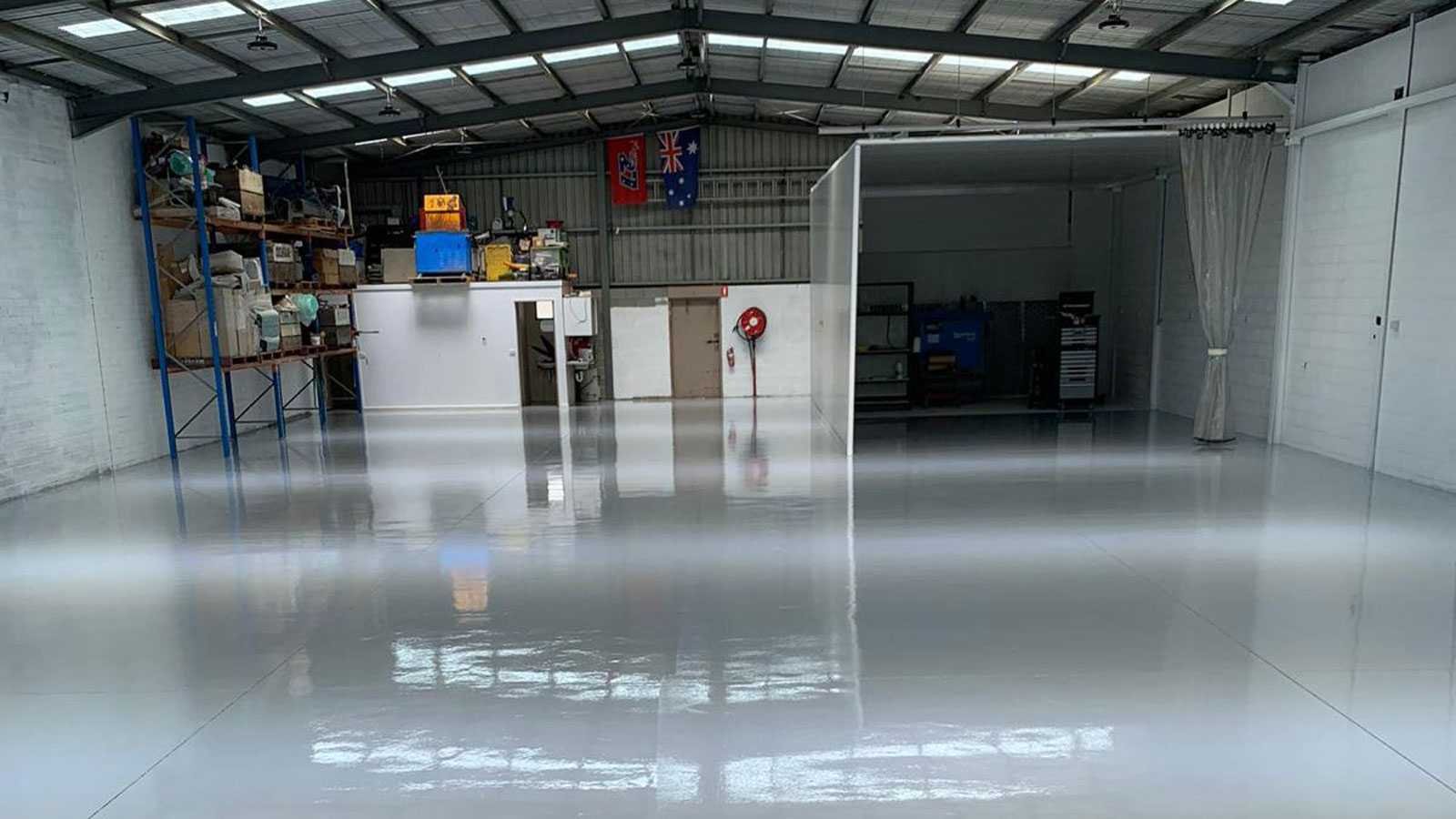
Credit: homeconcretesolutions.com.au
Sealing The Garage Envelope
One of the most effective ways to keep moisture out is to seal gaps and cracks. Even small holes can let water and humid air in.
Key areas to seal:
- Garage door edges: Use weatherstripping along the sides and bottom.
- Windows: Check for cracked caulk or broken seals and replace as needed.
- Walls and ceilings: Fill any visible cracks with high-quality sealant.
- Floors: If you see cracks in the concrete, use epoxy or a concrete filler.
Make sure to use materials suitable for your climate. For example, silicone sealants are flexible and good for areas with temperature changes.
Non-obvious insight: Don’t forget to check where pipes or wires enter the garage. These small gaps are often overlooked but can allow a surprising amount of moisture in.
Improving Ventilation
A garage workshop without good ventilation traps moisture inside. Improving air flow helps moisture escape before it causes problems.
Types Of Ventilation:
| Ventilation Type | How It Works | Best For |
|---|---|---|
| Passive vents | Let air move in/out naturally | Low-humidity areas |
| Exhaust fans | Pull humid air out with a fan | Humid climates or high-use workshops |
| Dehumidifiers | Remove moisture from air | Enclosed garages, rainy seasons |
Exhaust fans are especially useful if you often work with water, paint, or chemicals. Place them near the ceiling, since warm, humid air rises.
Pro tip: Install vents on opposite sides of the garage (cross-ventilation) to improve airflow.
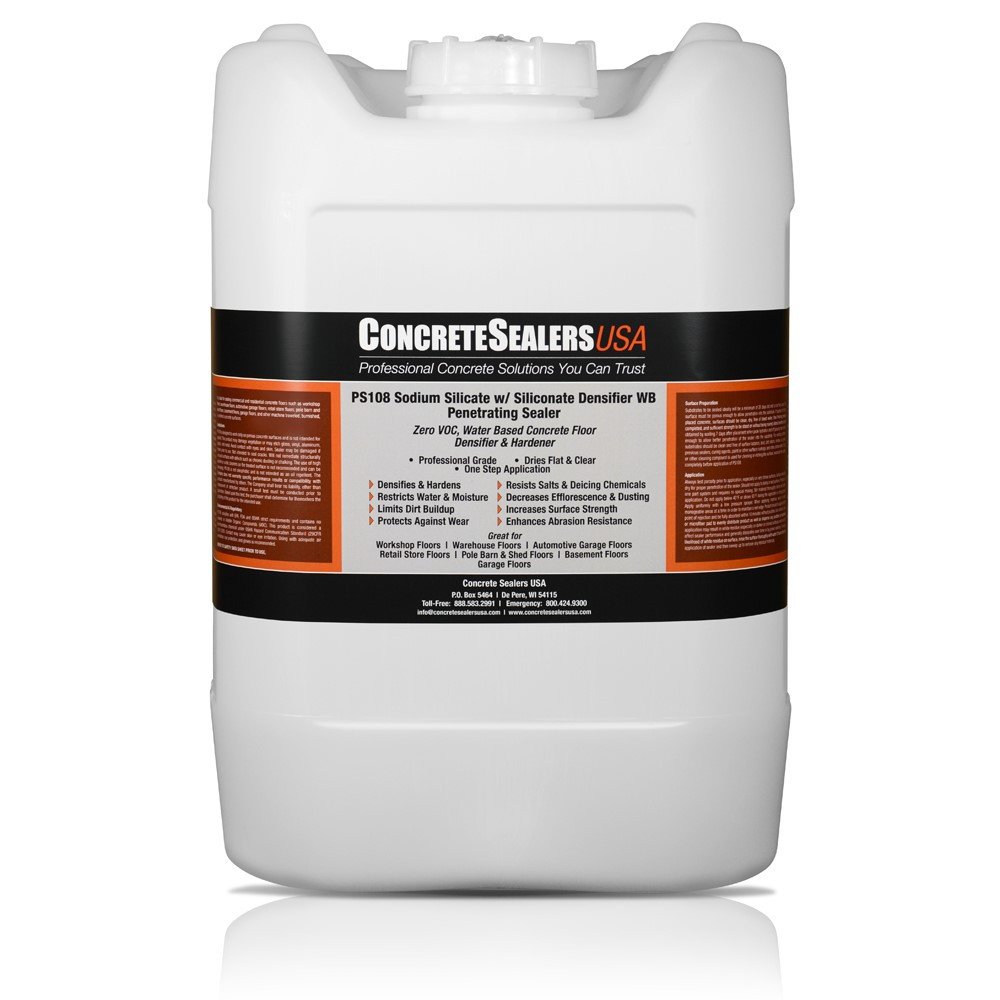
Credit: www.concretesealersusa.com
Floor And Wall Treatments
Concrete floors and walls are common in garages, but they’re not waterproof. Moisture can seep up from the ground or through walls.
Floor solutions:
- Apply a concrete sealer to block water from below.
- Use epoxy coatings for extra protection and easier cleaning.
- Avoid carpet or absorbent mats unless they are designed for moisture resistance.
Wall solutions:
- Paint with moisture-resistant paint.
- Install vapor barriers if you have recurring problems.
Comparing Floor Protection Options:
| Option | Cost (per sq ft) | Moisture Resistance | Maintenance |
|---|---|---|---|
| Concrete sealer | $0.25–$0.50 | Good | Reapply every 3–5 years |
| Epoxy coating | $3–$7 | Excellent | Easy to clean |
| Interlocking tiles | $2–$5 | Good if sealed underneath | Replace damaged tiles |
Non-obvious insight: If your garage floor often stays damp, check for drainage issues outside. Sometimes, grading the soil away from the foundation solves the problem.
Managing Indoor Humidity
Moisture in the air is a silent enemy. Even if you fix leaks, high humidity can cause condensation and mold.
How to control humidity:
- Use a dehumidifier: Choose a size rated for your garage’s square footage.
- Monitor with a hygrometer: Keep humidity below 60% if possible.
- Open doors/windows: On dry days, let air circulate.
- Avoid storing wet items: Dry off bikes, tools, or cars before parking inside.
A good dehumidifier can remove several liters of water from the air each day. Some models have hoses for continuous drainage.
Example: In a 400 sq ft garage, a 30-pint dehumidifier is usually enough. If you live in a very humid area, consider a 50-pint model.
Insulation And Heating
Insulating your garage workshop helps keep moisture under control by reducing condensation. Warm air holds more moisture, so cold surfaces collect water.
Best insulation options:
- Rigid foam panels: Easy to install and moisture-resistant.
- Spray foam: Seals cracks and insulates at the same time.
- Fiberglass batts: Use only if covered by a vapor barrier.
Heating can help, especially in cold climates. A small electric heater can keep surfaces above the dew point, stopping condensation.
Caution: Never use unvented gas heaters, as they add moisture to the air.
Roof And Gutter Maintenance
A leaky roof or clogged gutters send water straight into your garage. Regular maintenance prevents big problems.
What to check:
- Roof: Look for missing shingles, cracks, or worn sealant.
- Gutters: Clean twice a year and check that water drains away from the foundation.
- Downspouts: Extend at least 3 feet from the garage.
If you see water stains on the ceiling or walls, fix the source right away. Small leaks get worse over time.

Credit: sparkgaragedoors.com
Organizing Tools And Materials
How you store items in your garage workshop also affects moisture problems.
Storage tips:
- Keep tools off the floor on shelves or pegboards.
- Use plastic bins with tight lids for moisture-sensitive items.
- Store lumber flat and elevated to avoid warping.
- Place silica gel packs in drawers and toolboxes.
Non-obvious insight: Metal cabinets can actually trap moisture inside. If you use them, add a moisture absorber or leave the door slightly open.
Landscaping And Drainage Outside
Moisture problems often start outside. If water pools near your garage, it can seep inside.
Improve drainage by:
- Sloping the ground away from the garage (minimum 6 inches over 10 feet).
- Adding gravel or French drains along the foundation.
- Planting shrubs or ground cover to absorb excess water.
If your driveway slopes toward the garage, consider installing a trench drain at the entrance.
Regular Checks And Maintenance
Preventing moisture is not a one-time job. Make it part of your routine.
What to check monthly:
- Inspect seals around doors and windows.
- Look for new cracks in floors or walls.
- Check for signs of mold or musty smells.
- Test your dehumidifier and clean its filter.
Seasonal tasks:
- Clean gutters in spring and fall.
- Check the roof after storms.
- Test humidity with a hygrometer during wet seasons.
When To Call A Professional
If you try these steps and still have moisture problems, it may be time to get help. Persistent leaks, mold, or high humidity could mean a more serious issue, like a foundation crack or poor drainage.
A professional can:
- Inspect your garage for hidden problems
- Suggest advanced solutions like sump pumps or vapor barriers
- Test for mold and recommend safe removal
Don’t wait too long—serious moisture issues can damage your home’s structure and health.
How Moisture Prevention Saves Money
Spending a little now on prevention can save you much more in the long run.
Average costs from moisture damage:
- Replacing rusted power tools: $50–$500 each
- Mold removal: $500–$6,000+
- Floor repair: $1,500–$3,500
By following these steps, you protect your investment and enjoy a better workspace.
Real-world Example
Mark, a hobbyist woodworker in Ohio, noticed his tools rusting and his garage smelling musty. He installed weatherstripping, sealed cracks, and added a small dehumidifier. Within two weeks, the musty smell disappeared, and his tools stayed clean. The total cost was under $200—a small price compared to replacing his tool collection.
Useful Resources
To learn more about building science and moisture control, visit the U.S. Environmental Protection Agency.
Frequently Asked Questions
How Can I Tell If My Garage Workshop Has A Moisture Problem?
Signs include a musty smell, condensation on windows or tools, rust on metal, or visible mold and mildew. Use a hygrometer to measure humidity—levels over 60% are usually a problem.
What Is The Best Dehumidifier Size For A Garage Workshop?
For most single-car garages (about 200–400 sq ft), a 30-pint dehumidifier is enough. For larger or very humid garages, choose a 50-pint model. Always check the manufacturer’s guidelines.
Can I Use Regular Home Insulation In My Garage?
You can use fiberglass batts or rolls, but they must be protected by a vapor barrier to prevent mold. Rigid foam or spray foam is better for moisture-prone garages.
How Often Should I Check My Garage For Moisture?
Check at least once a month for leaks, cracks, or humidity problems. Inspect after heavy rain or storms. Do a deeper inspection seasonally, especially in spring and fall.
Is It Safe To Use An Electric Heater In A Garage Workshop?
Yes, electric heaters are safe if used properly and not placed near flammable materials. Avoid unvented gas heaters, as they add moisture and can be a safety hazard.
Moisture in your garage workshop does not have to be a constant worry. By understanding where moisture comes from and taking practical steps, you can create a dry, comfortable space for your projects. Prevention is easier—and far less costly—than repairs.
With a little effort, your workshop can serve you well for years to come.