
Replacing a car’s ABS sensor might sound complex, but with patience, the right tools, and some careful steps, many people can do it themselves. The ABS sensor (Anti-lock Braking System sensor) is important for your car’s safety. It monitors wheel speed and sends data to your car’s computer. If the sensor fails, you might see the ABS warning light and the system may stop working. Replacing a faulty ABS sensor yourself can save you money and help you learn more about your vehicle. In this guide, you’ll find step-by-step instructions, tips, and answers to common questions.
What Is An Abs Sensor And Why Is It Important?
The ABS sensor detects the speed of each wheel and sends this information to the car’s computer. When you brake hard, the ABS uses this data to prevent your wheels from locking up. This helps you stay in control, especially in wet or icy conditions.
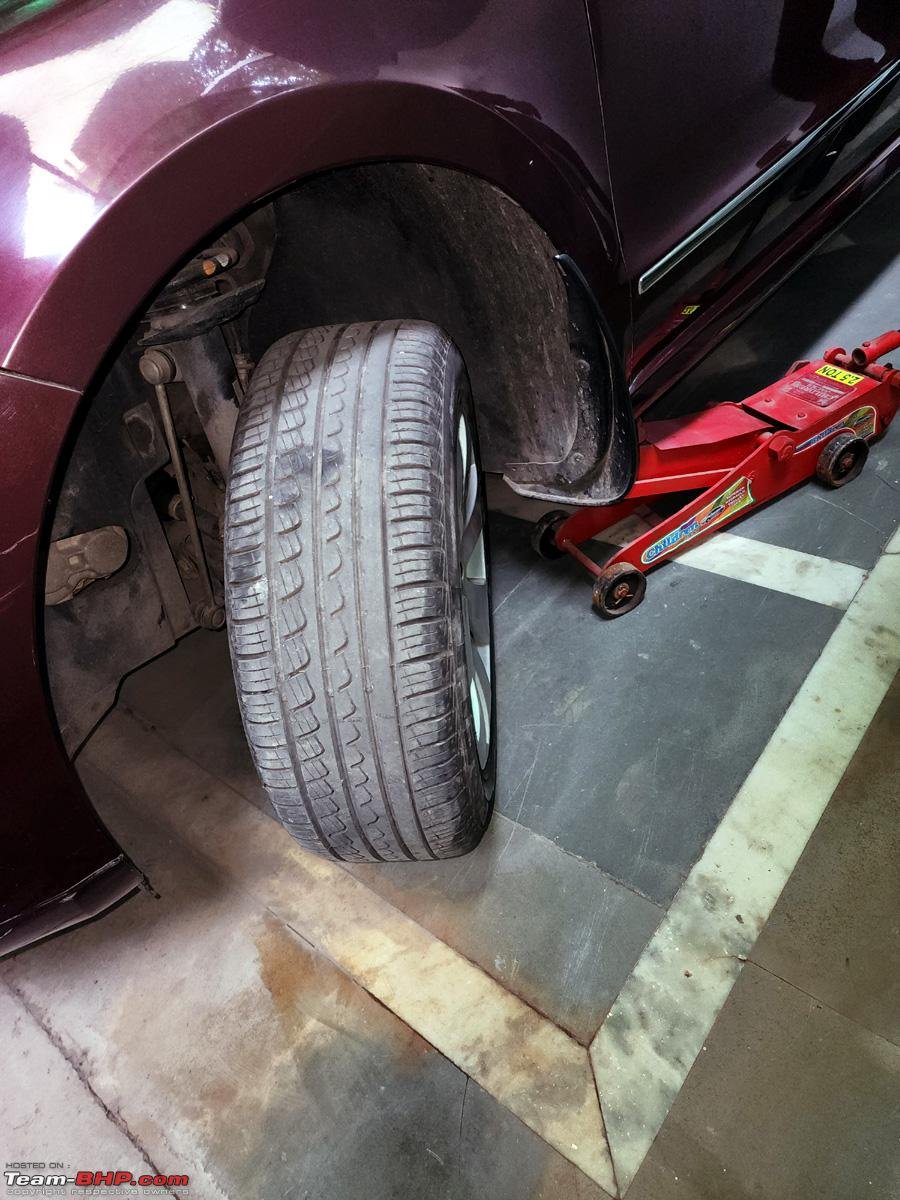
A bad sensor means the ABS can’t do its job. You might notice:
- The ABS warning light on your dashboard
- Longer stopping distances
- The brakes locking up during a hard stop
It’s important not to ignore these signs. Driving with a faulty ABS sensor can be dangerous, especially in emergencies.
Signs Your Abs Sensor Needs Replacement
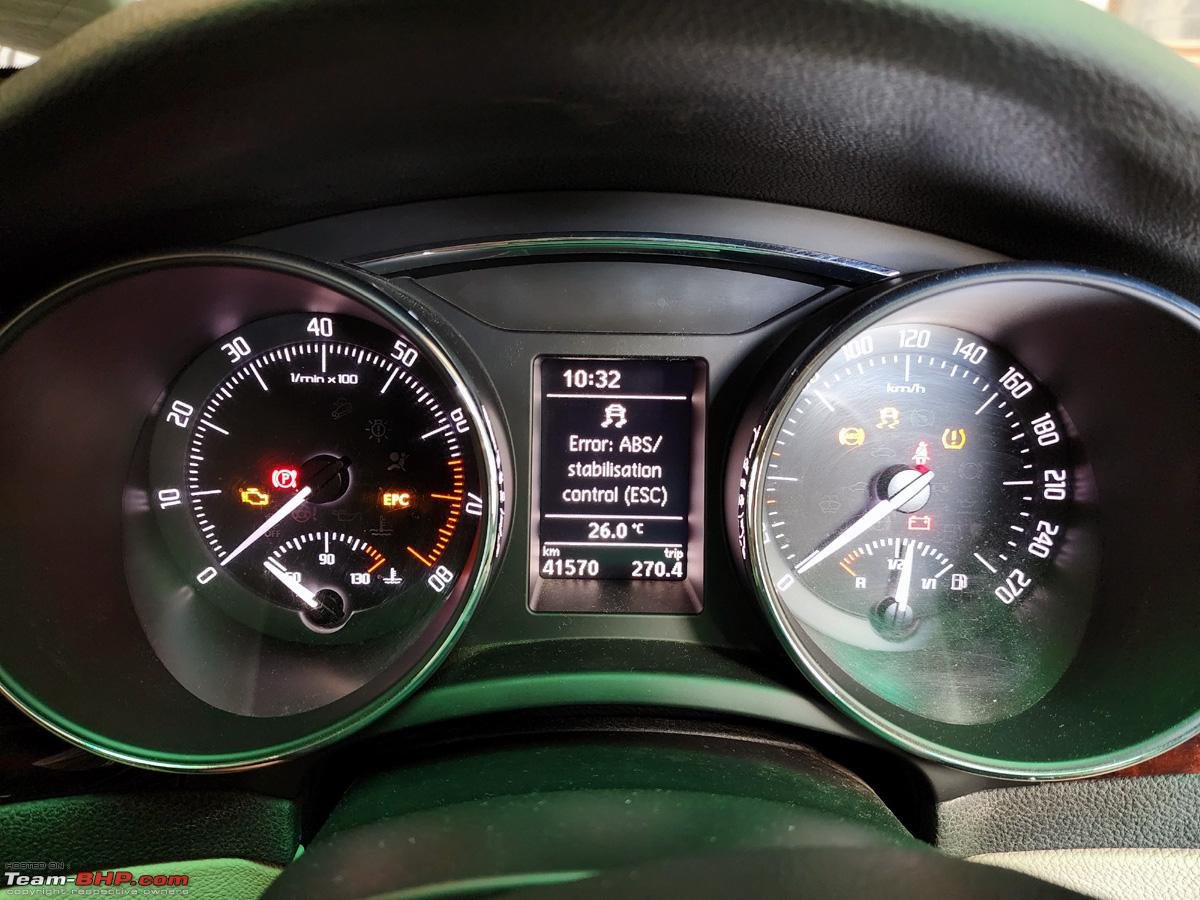
Most drivers notice a problem with the ABS system when the warning light comes on. Here are some clear signs your ABS sensor might be bad:
- ABS warning light stays on after starting your car
- Brakes feel different, sometimes “hard” or “soft”
- Noise or grinding from the brakes, especially at low speeds
- The car skids or locks wheels when braking hard
- Diagnostic tool (OBD-II scanner) shows ABS sensor error codes
If you notice one or more of these signs, it’s time to check the sensors.
Credit: www.team-bhp.com
Tools And Materials You’ll Need
Before starting, gather these items. Having the right tools makes the job smoother and avoids damage.
- New ABS sensor (make sure it fits your car model and year)
- Car jack and jack stands or ramps
- Lug wrench or wheel socket
- Ratchet and socket set
- Flathead screwdriver
- Torx or Allen keys (if needed for your car)
- Brake cleaner spray
- Clean rags
- Gloves and safety glasses
- OBD-II scanner (optional but helpful)
- Anti-seize compound (optional)
Check your car’s manual or a trusted website to confirm the sensor type and location.
Preparing Your Car For Abs Sensor Replacement
Safety comes first. Here’s how to get your car ready:
- Park on a flat surface: Turn off the engine, set the parking brake, and block the wheels.
- Disconnect the battery: This stops electrical accidents and resets the ABS warning light in some cars.
- Loosen wheel lug nuts: Do this before lifting the car, but don’t remove them yet.
- Lift the car: Use a jack and secure with jack stands. Never work under a car supported only by a jack.
How To Replace Your Car’s Abs Sensor: Step-by-step
Replacing the ABS sensor is usually a straightforward job. Here’s how to do it:
1. Locate The Faulty Sensor
Most cars have one ABS sensor per wheel. The sensor is usually mounted near the wheel hub or brake assembly. The car’s manual will show the exact spot.
Tip: If you have an OBD-II scanner, plug it into your car’s diagnostic port. It can tell you which wheel’s sensor is faulty.
2. Remove The Wheel
- Use your lug wrench to finish removing the wheel nuts.
- Take off the wheel and set it aside.
3. Find And Remove The Abs Sensor
- Look for a small wire running from the wheel hub or brake area.
- The sensor is often held by a bolt or screw.
- Disconnect the sensor’s electrical connector. If it’s stuck, gently use a flathead screwdriver to help.
- Remove any bolts or screws holding the sensor.
- Carefully pull the sensor out. If it’s rusty or stuck, use some brake cleaner and wiggle it gently.
Non-obvious insight: Some sensors are magnetic and can attract metal particles. Clean the mounting hole before installing the new one.
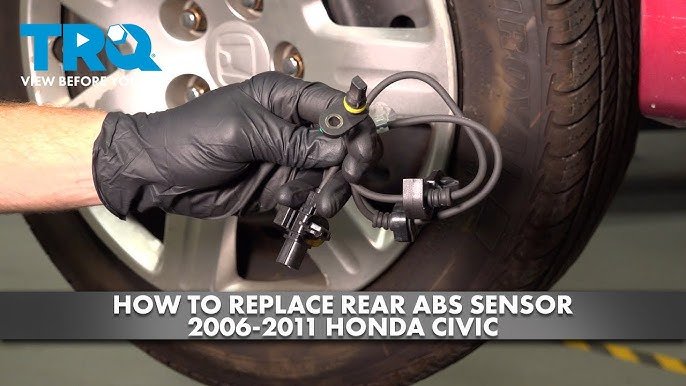
4. Install The New Abs Sensor
- Compare the old and new sensors. They should look the same.
- Apply a thin layer of anti-seize compound on the new sensor if you want easier removal in the future.
- Insert the new sensor carefully into the hole.
- Tighten the bolts or screws, but don’t overtighten.
- Plug in the electrical connector. Make sure it clicks securely.
5. Reinstall The Wheel
- Put the wheel back on.
- Hand-tighten the lug nuts.
6. Lower The Car And Tighten Lug Nuts
- Lower the car slowly.
- Use a cross pattern to tighten the lug nuts securely.
7. Reconnect The Battery
- Hook up the car battery.
- Start the engine. The ABS warning light should turn off after a few moments. If it stays on, check your work or scan for codes.
Abs Sensor Replacement: Common Variations
Not all ABS sensors are the same. Here’s a look at two common types:
| Sensor Type | Location | Replacement Difficulty |
|---|---|---|
| Passive (Magnetic) | Older vehicles, near wheel hub | Easy to moderate |
| Active (Hall Effect) | Modern vehicles, inside wheel bearing | Moderate to hard |
Active sensors may require more disassembly, sometimes removing the brake rotor or hub. Always check your car’s service manual for details.
Credit: www.team-bhp.com
Tips For A Successful Abs Sensor Replacement
- Take photos as you remove parts. It helps when putting things back.
- Clean the sensor mounting area. Dirt or rust can cause poor readings.
- Don’t overtighten sensor bolts. You can crack the sensor or strip threads.
- If the connector is corroded, clean it with electrical contact cleaner.
- Test the brakes gently after the job. Make sure the ABS warning light is off and braking feels normal.
Non-obvious insight: Sometimes, a faulty sensor is not the only problem. Damaged wiring or connectors can cause the same warning light. If replacing the sensor doesn’t fix the issue, check the wiring for cracks or corrosion.
How Much Does It Cost To Replace An Abs Sensor?
Let’s compare the cost of replacing an ABS sensor at home versus a mechanic:
| Replacement Option | Parts Cost | Labor Cost | Total Cost |
|---|---|---|---|
| DIY (Do It Yourself) | $20 – $100 | $0 | $20 – $100 |
| Mechanic/Garage | $40 – $150 | $70 – $150 | $110 – $300 |
Note: Prices depend on your car’s make and model. Some luxury or imported cars have more expensive sensors.
Credit: www.youtube.com
Mistakes To Avoid When Replacing Abs Sensors
Even careful people make mistakes. Here are some common errors and how to avoid them:
- Forgetting to disconnect the battery. This can cause electrical shorts or error codes.
- Mixing up sensor connectors. If you replace more than one, label the wires.
- Not cleaning the sensor area. Dirt can block the sensor and cause false readings.
- Overtightening bolts. ABS sensors are delicate. Too much force can break them.
- Not resetting the ABS warning light. Some cars reset automatically; others need a scan tool.
After Replacing The Abs Sensor: What To Expect
Once the new sensor is in, start your car and check for warning lights. Go for a slow test drive. The ABS system should work as normal.
If the warning light stays on:
- Double-check your work.
- Scan for error codes.
- Check the wiring and connectors.
- If you can’t fix it, see a trusted mechanic.
Practical tip: Drive on a quiet road and try a few gentle stops. Make sure the brakes feel normal and the ABS doesn’t activate unless you brake very hard.
Comparing Diy Vs. Professional Abs Sensor Replacement
Is it always better to do it yourself? Here’s a side-by-side look:
| Aspect | DIY Replacement | Professional Service |
|---|---|---|
| Cost | Lower (you buy parts only) | Higher (parts + labor) |
| Time | 1–2 hours (with preparation) | Faster, usually under 1 hour |
| Skill Needed | Basic to moderate | No skill needed from you |
| Satisfaction | High (you learn and save money) | Convenient, less stress |
| Risk | Possible mistakes, but easy to fix | Low, if mechanic is skilled |
Experience-based guide: If you’ve done basic car repairs (like brakes or oil changes), replacing an ABS sensor is a manageable next step. If you’re new to car maintenance, read your manual and go slowly.
Extra Tips For A Safe And Smooth Job
- Wear gloves and safety glasses to protect your hands and eyes.
- Work in good light so you can see small parts.
- Keep all nuts, bolts, and parts in a small tray or bag.
- If you get stuck, search online forums or videos for your exact car model.
- Always double-check that the replacement sensor is correct for your vehicle.
For more technical details or specific car models, resources like the Wikipedia ABS article can help.
Frequently Asked Questions
What Happens If I Drive With A Bad Abs Sensor?
Driving with a bad ABS sensor means your car’s anti-lock braking system will not work. The brakes will still function, but you could lose control during hard or emergency stops, especially on slippery roads. It’s safer to fix the problem quickly.
Does The Abs Warning Light Turn Off Automatically After Replacing The Sensor?
On most cars, the ABS warning light will turn off after you replace the faulty sensor and drive a short distance. Some cars, however, need the error code cleared with an OBD-II scanner. If the light stays on, double-check the installation.
Can I Replace An Abs Sensor Without Special Tools?
Most ABS sensors can be replaced with basic hand tools like sockets, screwdrivers, and pliers. Some cars may need a Torx or Allen key. You usually do not need advanced tools, but always check your car’s repair manual first.
How Do I Know Which Abs Sensor Is Bad?
The best way is to use an OBD-II scanner. It will tell you which wheel’s sensor is not working. Some cars may flash the ABS warning light in a pattern, but most require a scanner to be sure.
Are Abs Sensors The Same For All Cars?
No, ABS sensors come in many shapes and sizes. They are made to fit specific car makes, models, and years. Always check your car’s specifications before buying a new sensor.
Replacing your car’s ABS sensor yourself is a smart way to save money and learn about your vehicle. With careful work and the right information, most people can handle this repair. Take your time, stay safe, and enjoy the satisfaction of fixing your own car.