
Choosing the right motor oil grade for your vehicle is more important than many drivers realize. Motor oil does more than just lubricate moving engine parts. It helps control temperature, reduces friction, and protects metal surfaces from corrosion. But when the wrong oil grade is used—whether too thick, too thin, or just not designed for your engine—the consequences can be costly, dangerous, and sometimes irreversible.
What Is Motor Oil Grade?
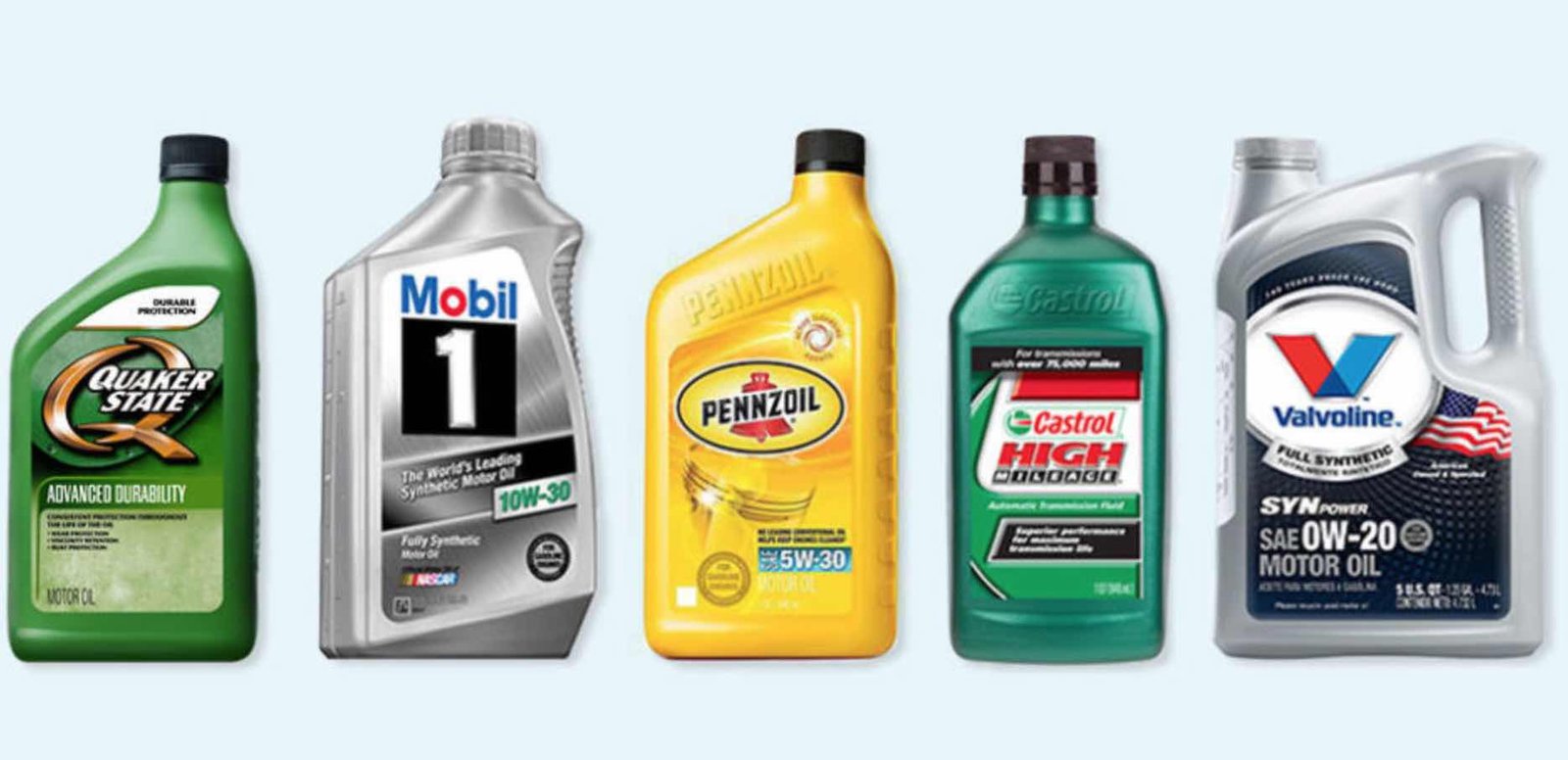
Motor oil grade refers to the viscosity of the oil—how thick or thin it is at certain temperatures. You’ll see grades like 5W-30 or 10W-40 on oil bottles. The “W” stands for winter, and the numbers represent how the oil flows in cold and hot temperatures. Vehicle manufacturers specify which grade is best for your engine, based on factors like design, climate, and performance needs.
Why Motor Oil Grade Matters
Each engine is engineered for a specific oil viscosity. Using the right grade ensures:
- Proper lubrication of moving parts
- Efficient cooling of engine components
- Reduced wear and tear
- Optimal fuel economy
If you use the wrong grade, you may not notice problems immediately. But over time, damage can build up, leading to expensive repairs and reduced vehicle life.
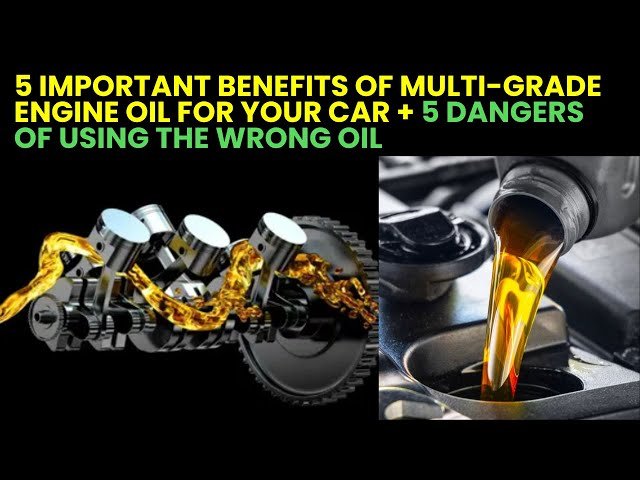
Credit: www.youtube.com
Major Dangers Of Using The Wrong Motor Oil Grade
Let’s explore the specific risks and problems that come from using an incorrect oil grade.
1. Reduced Engine Protection
Motor oil forms a thin film between metal parts, preventing them from grinding together. If the oil is too thin (low viscosity), it may not provide enough separation, causing increased friction and metal-to-metal contact. This speeds up wear, especially during high temperatures or heavy loads. Thicker oil (high viscosity) can also be a problem, as it may not flow quickly enough to coat parts during cold starts, leaving them unprotected at the most critical moment.
2. Poor Engine Performance
The wrong oil grade can affect engine response, acceleration, and even horsepower. Thicker oil can make the engine work harder, reducing efficiency. Thinner oil may not maintain the pressure needed for certain engine designs, leading to sluggish performance.
3. Increased Engine Wear
Engines are built with tight tolerances. Oil that is not the correct grade can’t reach small spaces or move fast enough to protect moving parts, especially during startup. Over time, this leads to premature engine wear, shortening the life of pistons, bearings, and camshafts.
4. Difficulty Starting In Cold Weather
If you use oil that is too thick for your climate, it becomes sluggish in the cold, making the engine hard to start. This is especially true with grades like 20W-50 in cold regions, where the oil doesn’t flow until the engine is warm. Hard starts put extra stress on the battery and starter, sometimes causing them to fail.
5. Poor Fuel Economy
The wrong oil grade can reduce fuel efficiency. Thicker oil means more resistance inside the engine, so the engine burns more fuel to overcome this drag. Even a small change—using 10W-40 instead of 5W-30—can lower your mileage, costing you more at the pump.
6. Engine Overheating
Motor oil removes heat from engine parts. If the oil is too thin, it may break down or evaporate at high temperatures, losing its cooling ability. If it’s too thick, it might not reach all parts fast enough, causing hot spots and eventually overheating. Overheating can warp metal parts and damage seals.
7. Sludge And Deposit Formation
Using the wrong oil grade can speed up the formation of sludge—a thick, tar-like substance that clogs oil passages and sticks to engine parts. Sludge forms when oil breaks down under heat and pressure, and the wrong grade can’t always handle your engine’s needs. Over time, this leads to blocked filters, reduced lubrication, and engine failure.
8. Increased Oil Consumption
An oil that is too thin can slip past piston rings and burn in the combustion chamber, leading to high oil consumption. You might notice you need to add oil more often, or see blue smoke from the exhaust. This not only wastes money but can damage the catalytic converter.
9. Voiding Your Warranty
Most manufacturers state in the owner’s manual which oil grade to use. If you use the wrong grade and there’s an engine problem, your warranty could be voided. The automaker can deny coverage, leaving you with a big repair bill.
10. Malfunction Of Variable Valve Timing (vvt) Systems
Modern engines often use variable valve timing for better performance and efficiency. These systems use oil pressure to operate. The wrong oil grade—especially if too thick or thin—can cause VVT systems to malfunction, resulting in poor performance, rough running, or a check engine light.
Key Data: Oil Grades And Their Effects
To better understand how oil grade impacts engine function, compare these common grades:
| Oil Grade | Cold Weather Flow | Hot Weather Protection | Typical Use |
|---|---|---|---|
| 0W-20 | Excellent | Good | Modern, fuel-efficient engines |
| 5W-30 | Very Good | Very Good | Most passenger cars |
| 10W-40 | Fair | Excellent | Older/high-mileage engines |
| 20W-50 | Poor | Excellent | Racing, classic cars, hot climates |
Real-world Examples
Let’s look at how using the wrong oil grade can affect different vehicles:
- Modern Toyota Camry: Designed for 0W-20 oil. Using 10W-40 can cause poor cold starts, increased wear, and lower fuel economy.
- Older Ford F-150: If you use 5W-20 instead of the recommended 10W-30, the oil may be too thin for the engine’s looser tolerances, leading to higher oil consumption.
- BMW With VVT: Using 20W-50 in winter can make the VVT system fail to operate, causing a check engine light and rough running.
Common Myths About Motor Oil Grades
There are several misconceptions that lead people to use the wrong oil:
- “Thicker oil always protects better.” Not true—thicker oil can starve parts of lubrication, especially in modern engines.
- “Any oil is fine as long as you change it often.” Incorrect—the wrong grade can cause damage even with frequent changes.
- “It’s okay to mix oil grades.” Mixing can change the viscosity and may not provide the protection your engine needs.
How To Choose The Right Motor Oil Grade
Always check your owner’s manual for the recommended grade. Consider the following:
- Climate: Use lower viscosity in cold regions and higher in hot climates, only if the manual allows alternatives.
- Driving Habits: Stop-and-go traffic or towing may require oils with higher resistance to breakdown.
- Engine Age: Older engines may need slightly thicker oil, but only if the manufacturer suggests it.
Table: Effects Of Wrong Oil Grade Over Time
Here’s how engine health can decline when using the wrong oil grade:
| Time Using Wrong Oil | Short-Term Effects | Long-Term Effects |
|---|---|---|
| 1-3 months | Hard starts, slight drop in fuel economy | Minor wear increases |
| 6-12 months | Noticeable power loss, increased oil use | Sludge buildup, component wear |
| 2+ years | Engine noises, warning lights | Major engine damage, possible failure |
Credit: www.lemmymorgan.com
Signs You Are Using The Wrong Oil Grade
Watch for these warning signs after an oil change:
- Engine is noisy or runs rough
- Check engine light appears
- Oil pressure warning light comes on
- Smoke from the exhaust
- Drop in fuel economy
- Difficulty starting, especially in cold weather
If you notice these, check your last oil grade and consult a mechanic.
Non-obvious Insights Most Drivers Miss
Many drivers believe using a slightly different oil grade “just once” won’t matter. However, even short-term use can cause micro-damage that adds up over time. Also, oil grades are tested with specific engine designs in mind—what works well in one car can be harmful in another, even if they look similar on the outside.
Another detail: modern engines have tiny oil passages for better efficiency. The wrong grade can clog these quickly, even if you keep up with oil changes.
What To Do If You’ve Used The Wrong Oil Grade
- Don’t panic if it’s just one oil change—but change it back to the correct grade as soon as possible.
- Monitor for symptoms like noise or warning lights.
- Document the mistake if your car is under warranty, in case you need to explain engine issues later.
- Ask a professional for advice if you notice any change in performance or oil consumption.
How Mechanics Check For Oil Grade Issues
Mechanics often use:
- Oil pressure tests: To see if the oil is flowing properly.
- Engine inspection: Looking for sludge or worn parts.
- Diagnostic scans: Especially for modern cars with sensors and VVT systems.
If you suspect the wrong grade was used, a quick visit to a trusted shop can prevent bigger problems.
Credit: www.youtube.com
Quick Reference: When Oil Grade Really Matters
| Situation | Risk of Wrong Grade | Recommendation |
|---|---|---|
| Cold starts in winter | High | Use lower “W” grade |
| High-speed driving | Medium | Follow manual’s suggestion |
| Towing/heavy loads | High | Use specified higher viscosity if allowed |
| Older engines | Medium | Consider high-mileage oils |
Final Thoughts
Using the wrong motor oil grade is a risk not worth taking. It can lead to poor performance, higher costs, and even engine failure. Always follow your vehicle’s recommendations and consult a professional if you’re unsure. The small effort to choose the right oil pays off in a longer-lasting, more reliable engine.
For more detailed information on motor oils and their effect on engines, check out this resource from the American Petroleum Institute.
Frequently Asked Questions
What Does Motor Oil Grade Mean?
Motor oil grade shows the oil’s thickness (viscosity) at different temperatures. Numbers like 5W-30 tell you how well the oil flows in cold and hot conditions.
Can I Mix Different Oil Grades?
It’s not recommended. Mixing can change the viscosity and may not give your engine the protection it needs. Always use the grade in your owner’s manual.
How Do I Know If The Wrong Oil Was Used?
Signs include rough running, increased noise, warning lights, or higher oil consumption. If you recently had an oil change and notice these, check the oil grade used.
Is Thicker Oil Better For High-mileage Engines?
Not always. Some older engines benefit from thicker oil, but only use it if your manufacturer suggests it. Too thick oil can cause poor flow and damage.
Will One Oil Change With The Wrong Grade Damage My Engine?
One mistake usually won’t cause major harm, but it can create micro-damage. Change back to the correct grade as soon as possible and watch for symptoms. If you notice any changes, consult a mechanic.