
Replacing a car starter motor yourself can seem scary, but it’s possible for many people with basic tools and patience. This guide will help you understand every step, from recognizing a failing starter motor to installing the new one. If you’re tired of hearing only clicks when turning your key, or your car refuses to start without a push, this article will show you how to solve the problem without expensive mechanic fees. Many drivers are surprised how much they can save by doing this job themselves, and it’s often easier than most expect.
What Does A Starter Motor Do?
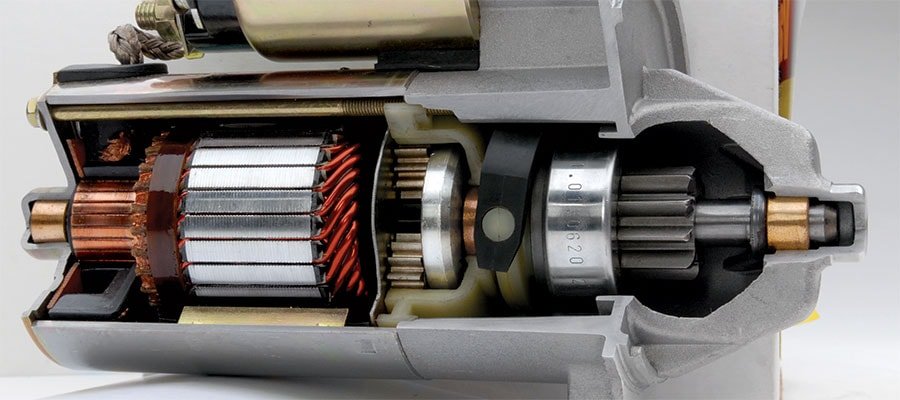
The starter motor is a small but powerful electric motor. When you turn your key, it spins the engine fast enough to start. It works with the battery and ignition switch. If the starter motor fails, your car won’t start, even if your battery is good. Sometimes, you’ll hear a single click or nothing at all. Other times, the engine may turn over slowly or not at all.
Signs Your Starter Motor Is Failing
Knowing when to replace your starter motor is important. Here are common signs:
- Clicking noise when turning the key
- No response at all when trying to start
- Engine turns over slowly
- Lights dim but engine won’t start
- Intermittent starting (sometimes starts, sometimes doesn’t)
A weak battery can cause similar symptoms. Always test your battery first before deciding to replace the starter motor.
Credit: www.autozone.com
Tools And Materials Needed
Before starting, gather these items:
- Socket and wrench set
- Screwdriver (flat and Phillips)
- Jack and jack stands
- Replacement starter motor
- Work gloves
- Safety glasses
- Battery terminal puller (optional)
- Multimeter (for electrical tests)
You should also have a service manual for your car. This manual shows where the starter motor is and gives torque specs.
Safety Precautions
Safety comes first. Always follow these steps:
- Disconnect the negative battery cable to prevent shocks.
- Wear safety glasses and gloves.
- Work on a flat surface.
- Use jack stands for support, never trust a jack alone.
- Let the engine cool before starting.
Many beginners overlook disconnecting the battery. This is a serious mistake. If you skip this, you risk electrical shock or damaging car electronics.
Locating The Starter Motor
The starter motor’s position depends on your car model. Usually, it’s found:
- Near the bottom of the engine
- Attached to the transmission bell housing
- Sometimes visible from above, but often easier to reach from underneath
Check your car’s service manual or search online for your model. Some cars have starter motors in difficult spots, requiring removal of other parts.
Example Locations
| Car Model | Starter Motor Location |
|---|---|
| Toyota Corolla (2005-2010) | Front, under the intake manifold |
| Honda Civic (2001-2005) | Rear, near the firewall |
| Ford Focus (2012-2018) | Bottom, behind the engine |
Preparing Your Car
Start by making sure your car is safe to work on:
- Park on a flat surface.
- Set the parking brake.
- Disconnect the negative battery terminal.
- If needed, lift the car with a jack and place on jack stands.
Many people forget to set the parking brake. This can cause the car to roll while you’re underneath. Always double-check.
Removing The Old Starter Motor
Here’s how to remove the starter motor:
- Locate the starter motor using your manual.
- Remove any covers or parts blocking access (air filter, heat shield, etc. ).
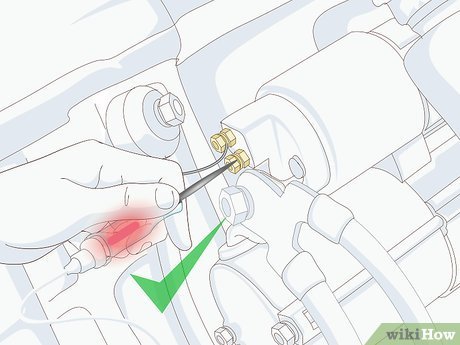
- Disconnect the electrical connectors from the starter motor. Usually, there’s a thick cable (main power) and a smaller wire (solenoid signal).
- Remove the mounting bolts holding the starter motor to the engine/transmission.
- Carefully pull out the starter motor.
Don’t force the starter motor out. Some models have tight spaces or extra brackets. Take your time. If bolts are stuck, use penetrating oil and wait a few minutes.
Typical Starter Motor Removal
| Step | Tools Needed | Estimated Time |
|---|---|---|
| Disconnect battery | Wrench | 2 minutes |
| Remove covers | Screwdriver | 5-10 minutes |
| Disconnect wires | Socket set | 5 minutes |
| Remove bolts | Socket set | 10-20 minutes |
| Pull out starter | Hands/gloves | 5 minutes |
Installing The New Starter Motor
Now, install the new starter motor:
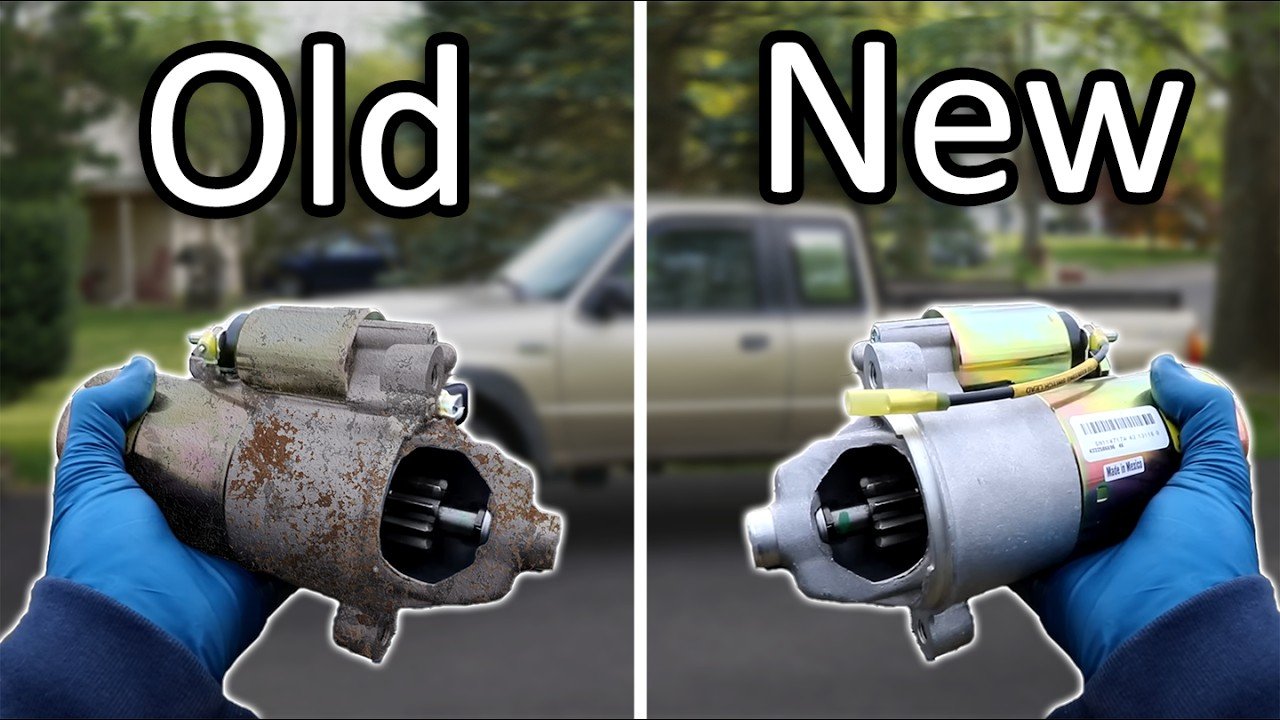
- Compare the old and new starter motors. Make sure the mounting holes and connectors match.
- Place the new starter motor in the same position.
- Tighten the mounting bolts to the torque spec in your manual.
- Connect the electrical wires (main power and solenoid signal).
- Reinstall any covers or heat shields.
- Double-check all connections.
Some people rush this step and forget to tighten bolts fully. Loose bolts can cause starting problems or even let the starter fall out while driving.
Testing The Installation
Before finishing, test the installation:
- Reconnect the negative battery terminal.
- Start the car. Listen for smooth engine cranking.
- Check for warning lights or unusual sounds.
- If the car starts normally, the job is done.
If the engine still doesn’t start, recheck all connections. Sometimes, wires aren’t fully attached, or the battery is weak.
Common Mistakes And How To Avoid Them
Many beginners make mistakes that can cause problems later:
- Not disconnecting the battery: This can cause sparks or damage electronics.
- Forgetting to tighten bolts: Loose starter motors can fail or damage the engine.
- Wrong starter motor: Always match the part number and shape.
- Damaging wires: Pull gently and avoid breaking connectors.
- Ignoring torque specs: Over-tightening bolts can damage threads.
A non-obvious tip: Use a multimeter to check voltage at the starter motor before removing it. Sometimes, the problem is wiring or a bad relay, not the starter motor itself.
Credit: www.youtube.com
Comparison: Diy Vs. Professional Replacement
Many people wonder if DIY replacement is worth it. Here’s a simple comparison:
| Aspect | DIY Replacement | Professional Service |
|---|---|---|
| Cost | $80-$250 (parts) | $300-$600 (parts & labor) |
| Time | 1-2 hours | 1-3 hours |
| Skill Needed | Basic tools & patience | None |
| Warranty | Parts warranty only | Parts & labor warranty |
| Risks | Possible mistakes | Low risk |
DIY is cheaper but requires attention to detail. Professional service offers peace of mind but costs more.
Starter Motor Maintenance Tips
To help your starter motor last longer:
- Keep battery terminals clean.
- Avoid frequent short trips (starter works harder).
- Fix oil leaks near the starter motor.
- Listen for unusual noises during starting.
- Test battery health regularly.
A surprising insight: Many starter motor failures are caused by weak batteries or corroded terminals, not the starter itself. Maintaining your battery can prevent starter problems.
Credit: www.wikihow.com
What To Do If Your Starter Motor Fails Again
If the new starter motor fails soon after replacement:
- Check battery voltage and alternator output.
- Inspect all starter motor wiring for damage.
- Make sure mounting bolts are tight.
- Confirm you used the correct starter motor.
Sometimes, rebuilt starter motors are not as reliable as new ones. If your budget allows, choose a new starter motor over rebuilt or remanufactured.
When To Seek Professional Help
DIY is not always the best choice. Seek professional help if:
- You can’t reach the starter motor safely.
- You don’t have the right tools.
- The starter motor is hidden behind complex parts (like exhaust or intake).
- You’re unsure about wiring.
Some cars have starter motors that are very difficult to access. Mechanics have special tools and experience for these cases.
Frequently Asked Questions
What Happens If I Connect The Battery Before Finishing The Installation?
If you reconnect the battery before the starter motor is fully installed, you risk electric shock or damaging sensitive electronics. Always wait until everything is mounted and connected before restoring power.
How Do I Know If The Starter Motor Is Really The Problem?
Test your battery and check starter motor wiring. If your battery is strong (12.6 volts or higher), and the wiring is good, but the engine won’t turn, the starter motor is likely bad. Using a multimeter can help confirm this.
Can I Use A Rebuilt Starter Motor?
Yes, rebuilt starter motors are cheaper. However, they may not last as long as new ones. Always buy from a trusted source and check warranties. For some cars, rebuilt is the only option due to cost or part availability.
Is It Necessary To Lift The Car?
It depends on your car’s design. Some starter motors are accessible from above, while others require access from underneath. Lifting the car makes the job easier and safer, but always use jack stands for support.
Where Can I Find Detailed Instructions For My Car Model?
The best source is your car’s service manual. You can also find guides and videos online for most models. For official information, check sites like Wikipedia.
Replacing a car starter motor yourself can save money and build confidence. With careful steps, patience, and the right tools, you can fix your car and enjoy the satisfaction of doing it yourself. Remember, safety and careful preparation are key. If you ever feel unsure, it’s always wise to ask for help.