
Rack and pinion replacement is a major steering repair, best for an experienced DIYer with safe lifting equipment, line wrenches and an alignment plan. Common signs include steering play, knocking while turning, a rack leak, hard steering, uneven tire wear or a steering wheel that does not return smoothly.
Before replacing the rack, confirm the fault and rule out related parts such as tie rods, steering pump, hoses and wheel bearings. If the issue is only fluid loss, start with this guide to fixing a power steering rack leak. If the pump is noisy or weak, compare it with the power steering pump replacement guide.
What Is Rack and Pinion Steering?
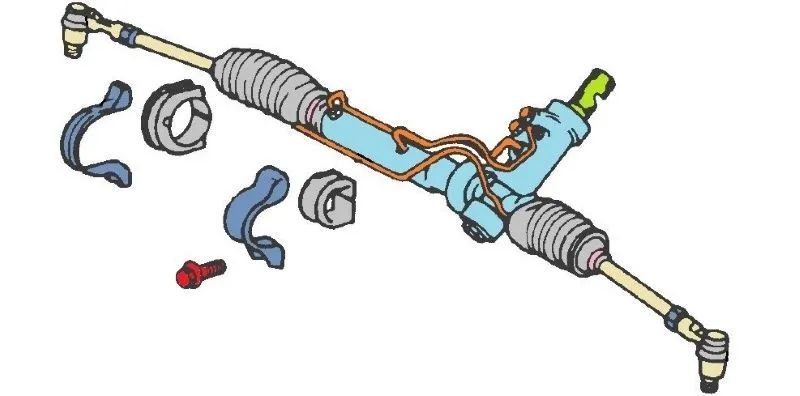
The rack and pinion is a type of steering system found in most modern cars. It uses a round gear (the pinion) attached to the steering shaft and a flat, toothed bar (the rack). As you turn the steering wheel, the pinion moves the rack left or right, turning your wheels. This design is simple, reliable, and gives you a direct feel of the road.
If the rack and pinion fail, steering becomes unsafe. Leaks, worn bushings, or damaged gears can cause poor handling or even total steering failure. Replacing this part is crucial for your safety and your car’s performance.
Rack and Pinion Replacement Symptoms
Recognizing the warning signs early can save you from bigger problems later. Watch for:
- Steering wheel play: Excess movement or looseness when turning.
- Difficulty steering: Increased effort, especially at low speeds.
- Fluid leaks: Puddles under the vehicle, often red or pink (power steering fluid).
- Unusual noises: Clunking, grinding, or knocking sounds during turns.
- Uneven tire wear: Can be caused by poor steering alignment.
Ignoring these issues can lead to dangerous driving conditions. If you notice more than one of these symptoms, plan your repair soon.
Credit: quick.cl
Tools And Parts You’ll Need
Before starting, gather all your tools and replacement parts. Missing even one tool can stall your progress, so double-check this list.
Essential tools:
- Jack and sturdy jack stands
- Lug wrench
- Socket set and wrenches
- Pry bar
- Tie rod end puller or separator
- Drain pan for fluid
- Screwdrivers
- Hammer
- Torque wrench
- Safety gloves and goggles
Parts and supplies:
- Replacement rack and pinion unit (ensure it fits your car’s make/model)
- New inner and outer tie rods (recommended)
- Power steering fluid (check type for your vehicle)
- New seals and bushings (often included with the rack)
- Fresh cotter pins
Pro Tip: Not all racks are the same. Double-check part numbers and the exact configuration for your car. Some units come with tie rods attached, others do not.
Preparing Your Car For The Job
Safety is always first. Here’s how to get ready:
- Park on a flat surface and set the parking brake.
- Disconnect the battery to prevent accidental electrical shorts.
- Lift the front of the car with a jack and secure it with jack stands.
- Remove the front wheels for better access.
- Place the drain pan under the power steering system to catch leaking fluid.
Non-obvious insight: Mark the steering shaft and rack input before disconnecting to keep your steering wheel aligned during reassembly. Missing this step can cause a crooked steering wheel after replacement.
Credit: www.autozone.com
How to Replace Rack and Pinion Steering: Step-by-Step
The process varies by vehicle, but these general steps apply to most cars. Take your time and follow each carefully.
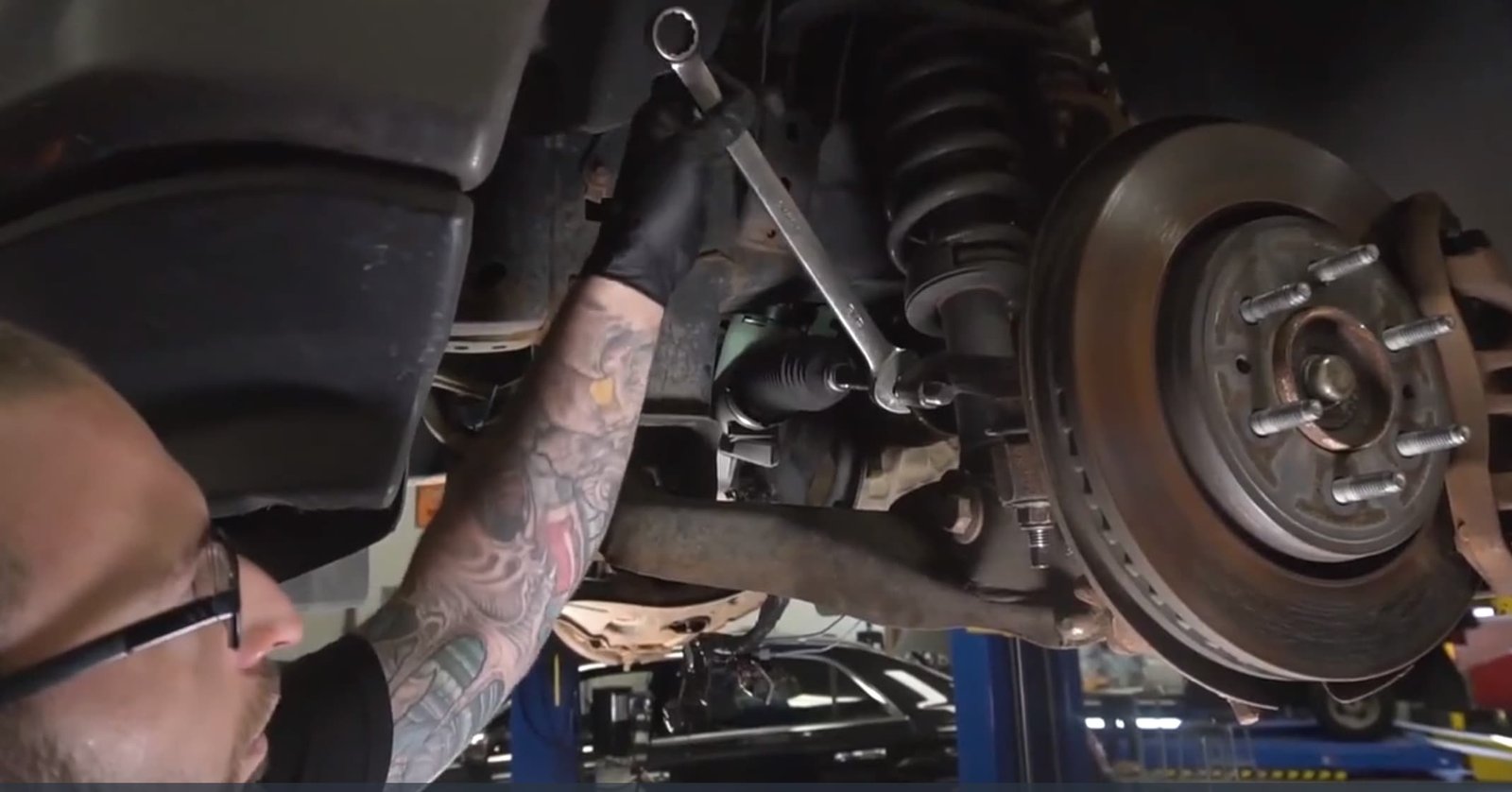
1. Disconnect The Outer Tie Rods
- Loosen the tie rod end nuts.
- Use a tie rod separator or puller to break them free from the steering knuckles.
- Remove cotter pins if present.
Tip: Count the turns or measure the threads when removing the tie rod ends. This helps you set the new ones close to the original alignment, making it easier to drive to an alignment shop afterward.
2. Remove Power Steering Lines
- Locate the power steering fluid lines connected to the rack.
- Place the drain pan underneath.
- Carefully loosen and remove each line. Expect fluid to drain out.
Pro Tip: Label each line or take a photo before removal. Mixing them up can cause major problems during reinstallation.
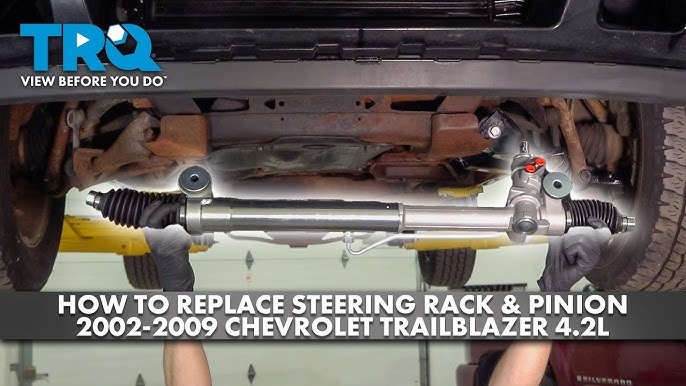
3. Unbolt The Rack And Pinion
- Find the mounting bolts or clamps holding the rack in place.
- Remove all fasteners. Some may be hidden or hard to reach; use extensions or swivel sockets as needed.
- Carefully slide the rack out of its position. You may need to move other parts like the sway bar or exhaust for clearance.
4. Disconnect The Steering Shaft
- Locate the connection between the rack input and the steering column.
- Remove the pinch bolt or fastener.
- Mark the position to ensure correct alignment later.
Non-obvious insight: Some cars require you to unlock the steering wheel before removal. Check your manual—forcing it can damage the steering column.
5. Remove The Old Rack
- Slide the rack and pinion out from under the vehicle.
- Compare the old part to the new one to ensure a perfect match.
6. Install The New Rack And Pinion
- Slide the new unit into position.
- Reconnect the steering shaft, using your marks for alignment.
- Install and tighten the mounting bolts to the correct torque specification.
7. Reconnect Power Steering Lines
- Attach each line to its correct fitting, tightening securely.
- Replace any O-rings or seals with new ones to prevent leaks.
8. Reinstall Tie Rod Ends
- Thread the inner and outer tie rods onto the new rack.
- Attach the outer tie rods to the steering knuckle, matching the number of turns or measurements from removal.
- Install new cotter pins and tighten the nuts.
9. Refill And Bleed Power Steering Fluid
- Add the correct type of power steering fluid to the reservoir.
- With the front wheels off the ground, turn the steering wheel from lock to lock several times to remove air from the system.
- Check for leaks at each connection.
10. Reinstall Wheels And Lower The Car
- Mount the wheels and tighten the lug nuts.
- Lower the car from the jack stands.
- Torque the lug nuts to factory specs.
11. Final Checks
- Start the engine and turn the steering wheel. Listen for noises and check for smooth operation.
- Inspect for leaks around the rack and lines.
- Take a short test drive, checking steering response and feel.
Important: After any steering work, always get a professional alignment. Even small changes can cause poor handling and rapid tire wear.
Common Mistakes To Avoid
Even experienced mechanics can make errors. Here are problems beginners often face:
- Forgetting to mark alignment: This can result in a crooked steering wheel or uneven tire wear.
- Reusing old seals: Old seals often fail quickly, causing leaks.
- Not tightening bolts to spec: Over- or under-tightening can damage parts or cause them to come loose.
- Skipping the bleed process: Air in the system causes noise, hard steering, and pump failure.
- Mixing up fluid lines: This can make the steering system work backward or not at all.
Learning from others’ mistakes can save you time, money, and frustration.
Credit: www.youtube.com
Data: Rack And Pinion Replacement Costs
Here’s a look at how much it typically costs to replace a rack and pinion, whether you do it yourself or hire a professional.
| Replacement Type | Estimated Cost (USD) | Includes Labor? |
|---|---|---|
| DIY (Parts Only) | $250 – $600 | No |
| Professional Shop | $800 – $1,500 | Yes |
The main cost factors are the price of the part (new or remanufactured), labor rates, and the complexity of your vehicle’s design.
Choosing The Right Replacement Rack
Not every rack and pinion is the same, even for the same car model. Here’s what really matters:
- OEM vs. Aftermarket: OEM parts match your original exactly but cost more. Quality aftermarket units can save money if they come from a trusted brand.
- With or without tie rods: Some racks include new tie rods; others require you to reuse your old ones or buy new separately.
- Warranty: A longer warranty often signals better quality and peace of mind.
Here’s a comparison of common replacement options:
| Type | Average Price | Warranty | Includes Tie Rods? |
|---|---|---|---|
| OEM New | $400 – $900 | 1-2 years | Usually Yes |
| Aftermarket Remanufactured | $250 – $500 | 6-12 months | Varies |
| Aftermarket New | $350 – $700 | 1 year | Varies |
Always check the return policy before buying, especially if you’re ordering online.
Final Steps: Alignment And Road Test
Once the new rack is installed, a wheel alignment is mandatory. Even small differences in tie rod adjustment can change your steering angles, causing the car to pull to one side or wear tires unevenly.
A professional alignment shop will set your toe, camber, and caster to factory specs. This step keeps your car safe, stable, and comfortable to drive.
After alignment, take a careful road test:
- Test at low and high speeds.
- Listen for new noises.
- Check for smooth, centered steering.
If anything feels off, inspect your work or get a mechanic’s opinion.
When To Call A Professional
While many home mechanics can handle this job, some situations call for expert help:
- Rusty or seized bolts: Breaking a bolt can turn a three-hour job into a weekend headache.
- Complex electronic steering: Some newer vehicles have electrical connections or require special programming.
- Limited tools or workspace: If you don’t have a safe, level place to work, don’t risk it.
In these cases, investing in professional labor is safer and may save you money in the long run.
Frequently Asked Questions
How Long Does It Take To Replace A Rack And Pinion?
Most experienced mechanics need 3 to 6 hours. Beginners may need a full day, especially if they run into rust or stuck parts.
Can I Drive With A Leaking Rack And Pinion?
It’s not safe. Leaks can cause loss of power steering, making the car hard to control. A bad leak can even lead to total steering failure.
Do I Need To Replace Tie Rods When Replacing The Rack?
It’s strongly recommended. Old tie rods often wear out at the same time as the rack. Replacing them saves time and helps maintain safe steering.
Is Wheel Alignment Always Necessary After Rack And Pinion Replacement?
Yes. Even if you carefully measure, alignment will be off after this repair. An alignment ensures safe handling and maximizes tire life.
Where Can I Learn More About Steering Systems?
A good resource is the Wikipedia page on rack and pinion steering, which offers detailed explanations and diagrams.
Replacing a rack and pinion takes patience and careful work, but it’s possible for many car enthusiasts. Take your time, follow each step, and always put safety first. With the right preparation, you’ll restore your car’s steering to like-new condition and enjoy safer, smoother driving for years to come.