
Replacing a car’s timing belt might sound intimidating, but with the right knowledge and tools, it is a job that many confident DIYers can tackle at home. The timing belt is a critical engine part that controls the movement of the camshaft and crankshaft, keeping the engine’s valves and pistons in sync.
If the timing belt fails, it can cause severe engine damage—so replacing it at the recommended interval is essential.
This guide will walk you through every step of a DIY timing belt replacement. You’ll learn what tools you need, how to prepare, step-by-step instructions, and tips to avoid common beginner mistakes. With clear explanations and examples, you’ll feel ready to take on this important maintenance task.
Why The Timing Belt Matters
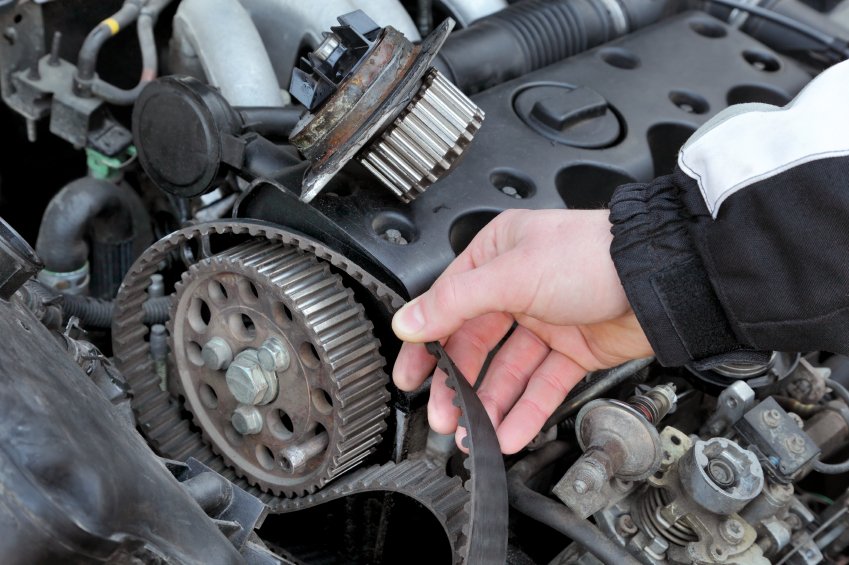
The timing belt keeps your engine’s internal parts running smoothly together. It connects the crankshaft (which moves the pistons) with the camshaft (which controls the valves). If the belt slips, jumps, or breaks, the engine’s parts can collide, leading to bent valves, damaged pistons, and costly repairs.
Most car manufacturers recommend replacing the timing belt every 60,000 to 100,000 miles. However, check your owner’s manual for your specific car’s interval. Some modern engines use a timing chain instead, which lasts longer, but if your car has a timing belt, don’t ignore this maintenance.
Signs Your Timing Belt Needs Replacement
Many timing belts show little wear before they fail, but here are some warning signs:
- Ticking or clicking noises from the engine
- Engine misfires or runs rough
- Oil leaks near the front of the engine
- Difficulty starting the car
- Visible cracks or damage on the belt (if inspected)
Never wait until you notice symptoms. For most cars, follow the mileage or time recommendation, even if the belt looks fine.
Tools And Supplies You’ll Need
Gathering the right tools and parts before you start saves time and frustration. Here are the essentials:
- New timing belt kit (often includes tensioner, pulleys, and water pump)
- Socket and wrench set
- Torque wrench
- Screwdrivers
- Breaker bar
- Jack and jack stands
- Wheel chocks
- Crankshaft pulley remover (for some cars)
- Timing light or marking pen for alignment
- Shop manual or repair guide for your car model
Some cars may require special tools. Always check your car’s manual or a trusted source like the Haynes Manuals for exact instructions.
Preparing For The Job
Start by reading the steps for your car. Every engine is a little different, but the main process is similar. Here’s how to get ready:
- Work in a safe, level area
- Let the engine cool completely
- Disconnect the battery
- Gather all your parts and tools within easy reach
- Take photos as you disassemble, so you can remember how things go back together
Some beginners forget to mark the timing positions before removing the belt. This is a common mistake and can lead to engine timing issues later. Always mark or photograph the timing marks before taking off the belt.
Step-by-step Timing Belt Replacement
Ready to begin? Here’s a detailed breakdown of the process, explained in simple steps.
1. Lift And Secure The Vehicle
- Place the car in park (automatic) or in gear (manual)
- Use wheel chocks to prevent movement
- Lift the front of the car with a jack and secure it on jack stands
2. Remove Engine Covers And Accessories
- Open the hood and remove any plastic covers over the engine
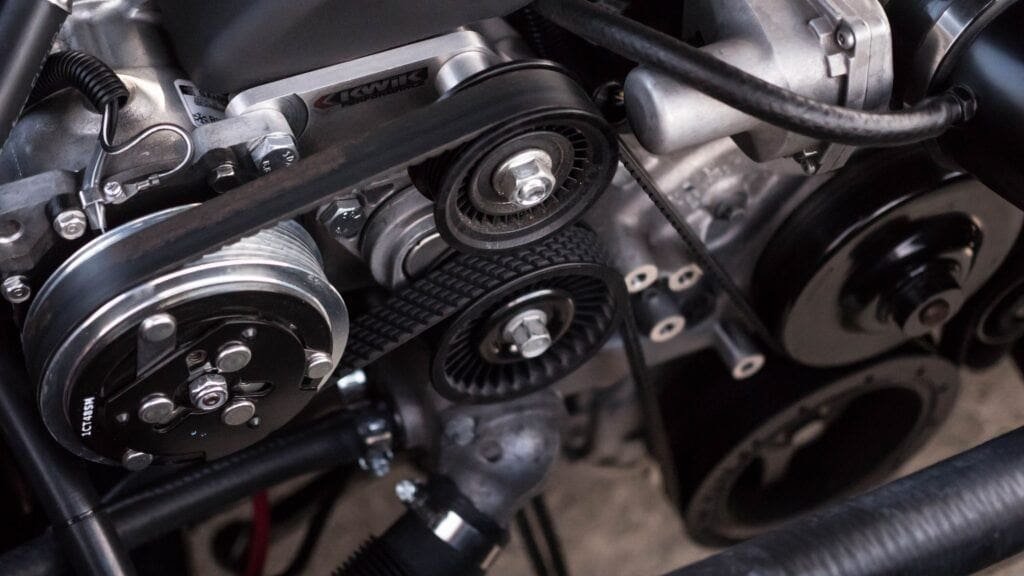
- Take off the serpentine belt (accessory belt) by loosening the tensioner
- Disconnect and move aside parts like the alternator or power steering pump if they block access to the timing belt cover
3. Remove The Timing Belt Cover
- Unbolt and carefully remove the timing belt cover
- Keep track of different bolts—they can be different lengths
4. Align Timing Marks
- Use a socket on the crankshaft pulley bolt to rotate the engine (by hand) to Top Dead Center (TDC)
- Look for timing marks on the crankshaft and camshaft pulleys—align them as the manual shows
- Mark these positions with a paint pen for extra clarity
5. Loosen The Tensioner
- Loosen the tensioner pulley to relieve tension on the timing belt
- Carefully slide the belt off the pulleys
6. Inspect And Replace Parts
- Compare the old timing belt with the new one—length and tooth pattern should match
- Replace the tensioner, idler pulleys, and water pump if included in your kit (many experts recommend always replacing these)
- Clean the area of any oil or debris
7. Install The New Timing Belt
- Place the new belt on the pulleys, keeping the marks aligned
- Make sure there is no slack on the side opposite the tensioner
- Reapply tension by following the manual’s steps (some tensioners are spring-loaded, others manual)
8. Double-check Alignment
- Rotate the engine two full turns by hand (using a socket on the crankshaft bolt)
- Recheck the timing marks—if they still line up, you installed the belt correctly
9. Reassemble Everything
- Replace the timing belt cover and all removed accessories
- Reinstall the serpentine belt
- Lower the car, reconnect the battery, and start the engine
10. Test Run
- Listen for unusual noises
- Watch for oil leaks
- Let the engine reach full temperature
- Check again for correct operation
Here’s a table showing a typical timing belt replacement timeline for different cars:
| Car Make | Recommended Interval (Miles) | Estimated Labor Time (Hours) |
|---|---|---|
| Toyota Camry | 90,000 | 3-4 |
| Honda Accord | 105,000 | 4-5 |
| Volkswagen Golf | 60,000 | 4-5 |
| Mitsubishi Lancer | 60,000 | 5-6 |
Practical Tips For A Successful Diy Job
- Take clear photos before and during disassembly
- Label bolts and parts in bags or boxes
- Replace the water pump while you’re in there, even if it isn’t leaking yet (it saves labor in the future)
- Don’t force the new belt—if it doesn’t fit easily, check alignment again
- Always use a torque wrench for bolts, especially on the tensioner and water pump
A common mistake is forgetting to bleed air from the cooling system after replacing the water pump. If your car’s temperature rises after the job, check for trapped air and bleed the system as your manual suggests.
Here’s a tool comparison to help you choose the right equipment:
| Tool | Best For | Estimated Cost (USD) |
|---|---|---|
| Basic Socket Set | General disassembly | 30-60 |
| Torque Wrench | Proper bolt tightening | 40-100 |
| Crank Pulley Remover | Removing stubborn pulleys | 20-50 |
| Timing Light | Checking timing (some engines) | 15-30 |
Credit: pbclegal.it
How Much Can You Save By Doing It Yourself?
Professional timing belt replacement can cost between $500 and $1,200 depending on your car and local labor rates. Doing it yourself usually costs less than $200-$350 in parts, plus your time. That’s a big saving, especially if you also replace the water pump and pulleys at the same time.
Here’s a simple cost breakdown:
| Item | DIY Cost (USD) | Shop Cost (USD) |
|---|---|---|
| Timing Belt Kit | 80-200 | 80-200 |
| Labor | 0 | 400-1,000 |
| Total | 80-200 | 480-1,200 |
But remember, if you’re not comfortable with engine work, it’s better to pay a professional than risk a costly mistake.
When To Call A Mechanic Instead
While many people can do this job at home, there are times when you should get help:
- If you can’t find or see the timing marks
- If the engine has variable valve timing or is very complex
- If you hear strange noises after reassembly
- If you get confused during the process
It’s much better to stop and ask for help than to make a timing error that damages the engine.
Credit: everestkitchennc.com
Two Beginner Mistakes Most People Miss
- Not checking for oil leaks before installing the new belt. Oil on the belt can cause it to fail early. Always check the camshaft and crankshaft seals for leaks and replace them if needed.
- Forgetting to tighten the crankshaft pulley bolt properly. If this bolt is loose, the pulley can slip, throwing off the timing and possibly causing major engine damage.
Frequently Asked Questions
What Happens If I Install The Timing Belt Incorrectly?
If the belt is installed with the timing marks out of sync, the engine will run poorly, or not at all. On interference engines, this can cause pistons and valves to collide, leading to expensive damage. Always double-check alignment before finishing.
How Do I Know If My Engine Is Interference Or Non-interference?
Check your car’s manual or trusted websites. Interference engines are common in many Hondas, Toyotas, and European cars. If you’re unsure, assume yours is interference and be extra careful.
Can I Reuse The Old Tensioner Or Water Pump?
It’s not recommended. Old tensioners or water pumps can fail soon after the new belt is installed, leading to more labor and risk. Most experts suggest replacing them together with the belt.
How Long Does It Take To Replace A Timing Belt At Home?
For most beginners, expect 4 to 8 hours, depending on your car and experience. Some jobs are quicker, but plan for a full day so you don’t rush.
Is It Okay To Drive A Little Longer Past The Recommended Interval?
It’s risky. Timing belts can fail suddenly, without warning. Replacing it a little early is much safer than risking severe engine damage.
Replacing your own car timing belt is a challenging but rewarding job that can save you hundreds of dollars. Take your time, follow the steps closely, and always double-check your work. With patience and careful preparation, you’ll keep your car running smoothly for years to come.

Credit: www.youtube.com