
Replacing a car’s ignition coil might look simple, but it’s easy to make mistakes that can cost you time, money, or even damage your vehicle. Many car owners try to save money by doing this job themselves, but without proper knowledge, they often repeat the same errors.
Understanding these common mistakes can save you a lot of trouble and keep your car running smoothly.
Why Ignition Coils Matter
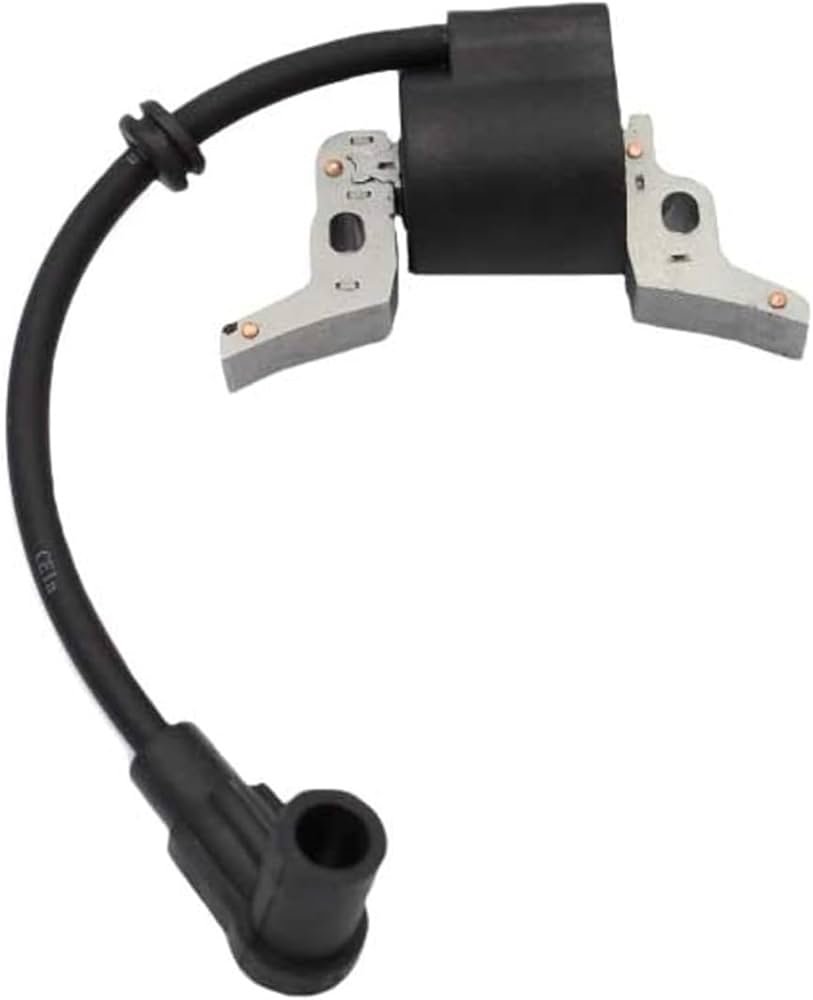
The ignition coil is a small but vital part of your car’s engine. It turns the battery’s low voltage into the high voltage needed to create a spark in the spark plugs. This spark ignites the fuel, making the engine run. If your ignition coil fails, your car can misfire, run poorly, or not start at all.
Many modern vehicles use one ignition coil per cylinder, while older cars might have a single coil for all cylinders. Knowing your car’s setup is important before you start.
Common Mistakes When Replacing Car Ignition Coil
Ignoring important steps or using the wrong parts can cause bigger problems. Here are the most common mistakes car owners and even some mechanics make when replacing an ignition coil.
1. Choosing The Wrong Ignition Coil
Not all ignition coils are the same. Car models, engine sizes, and years often use different types. Using a coil that does not match your car can lead to poor engine performance, check engine lights, or even damage to other parts.
Example: A coil for a 2015 Ford Focus may not work for a 2017 model, even if the engines look similar.
Tip: Always double-check your car’s make, model, year, and engine code before buying a new ignition coil.
2. Not Checking For Underlying Problems
Replacing a faulty coil might fix a misfire, but sometimes another issue is causing coils to fail. Problems like oil leaks, faulty spark plugs, or wiring issues can keep damaging new coils.
Non-obvious insight: Replacing only the coil without fixing underlying issues means the new coil may fail soon.
Tip: Inspect for oil leaks around the spark plug wells and check spark plug condition when replacing the coil.
3. Skipping The Battery Disconnection
Some people skip disconnecting the battery to save time. This is risky. The ignition system holds high voltage, which can cause electric shock or short circuits.
Practical advice: Always disconnect the negative battery terminal before starting work. This protects both you and your car’s electronics.
4. Mixing Up Wiring Connections
Modern ignition coils often have electrical connectors. Mixing up these wires can cause the engine to run poorly or not at all. It can even damage the engine control unit (ECU).
Tip: Take a photo before unplugging anything. Label each wire if needed.
5. Not Using Proper Tools
Trying to remove or install an ignition coil with the wrong tools can damage the coil or the surrounding parts. For example, using pliers instead of the correct socket can crack the coil housing.
Tip: Use the right size socket, extension, and sometimes a torque wrench for bolts.
6. Over-tightening Or Under-tightening Bolts
Bolts that are too tight can crack plastic coil housings or strip threads. Bolts that are too loose may let the coil vibrate or move, causing poor contact and misfires.
Non-obvious insight: Check your car’s service manual for the correct torque specification. Many modern coils require only light tightening.
7. Ignoring Spark Plug Condition
Worn or incorrect spark plugs can make a new ignition coil work much harder. This can shorten the coil’s life.
Tip: Always check and, if needed, replace the spark plugs at the same time as the coil.
8. Failing To Clean The Coil Seat
The area where the coil sits can build up dirt, oil, or moisture. If you don’t clean this area, it can cause poor electrical contact, misfires, or even new coil failure.
Tip: Wipe the area with a clean rag before installing the new coil.
9. Not Applying Dielectric Grease
Some car owners forget to use dielectric grease on the coil boot. This grease helps stop moisture from causing misfires and makes it easier to remove the coil later.
Tip: Apply a small amount of dielectric grease inside the boot before installing.
10. Not Resetting The Check Engine Light
After replacing a coil, the check engine light may stay on. Some people ignore it, but this can hide new problems. Resetting the light helps you see if the repair worked or if there is another issue.
Tip: Use an OBD-II scanner to clear codes after the repair.
11. Reusing Old Coil Boots
The rubber boots that connect the coil to the spark plug can wear out. Reusing old boots can cause misfires or poor contact.
Tip: Replace the boots if they look cracked, hard, or oily.
12. Not Testing The Repair
After installing the new coil, some people forget to check their work. Starting the car and letting it idle for a few seconds is not enough.
Practical step: Test drive the car, listen for engine smoothness, and check for warning lights.
13. Ignoring Engine Misfire Codes
If your car’s computer showed a misfire code before, always check again after replacing the coil. New codes can mean other coils, plugs, or fuel injectors have issues.
14. Using Cheap Or Fake Parts
Low-cost ignition coils from unknown brands often fail quickly. Even worse, fake parts may look real but have poor quality.
Tip: Buy from trusted sources or auto parts stores. Look for reviews and avoid deals that seem too good to be true.
15. Not Replacing All Coils At Once (when Needed)
If one coil fails, sometimes the others are not far behind. On cars with high mileage, it can be wise to replace all coils together.
Example: On a car with 120,000 miles, replacing only one coil may mean coming back again soon for the rest.
But: If only one coil is bad and the others are new, replacing all is not always necessary.
16. Not Documenting The Work
Many people forget which coil they changed or when. If the problem comes back, they may not remember what was done.
Tip: Write down the date, mileage, and which coil you replaced.
17. Forgetting To Inspect Coil Connectors
The electrical connector to the coil can have bent pins, corrosion, or broken clips. Ignoring this can cause poor contact or intermittent problems.
Tip: Inspect and clean connectors before installing the new coil.
18. Not Updating Engine Software
Some cars have software updates to fix ignition coil problems. Skipping these updates can cause repeat failures, even with new parts.
Tip: Check with your dealer or mechanic if there are any technical service bulletins (TSBs) for your car.
19. Not Allowing Engine To Cool
Working on a hot engine can burn you and also damage new coils. Plastic parts can warp or crack if installed when hot.
Advice: Let the engine cool fully before starting work.
20. Rushing The Job
Trying to finish quickly leads to skipped steps or broken parts. Take your time, follow the steps, and double-check your work.
Comparing Oem Vs Aftermarket Ignition Coils
Choosing between OEM (Original Equipment Manufacturer) and aftermarket ignition coils is a common decision. Here is a quick comparison.
| Factor | OEM Coil | Aftermarket Coil |
|---|---|---|
| Quality | Consistent, matches factory spec | Varies by brand, some are good, some poor |
| Price | More expensive | Usually cheaper |
| Warranty | Usually longer | Varies |
| Fitment | Guaranteed fit | May require adjustment |
Signs Your Ignition Coil Needs Replacement
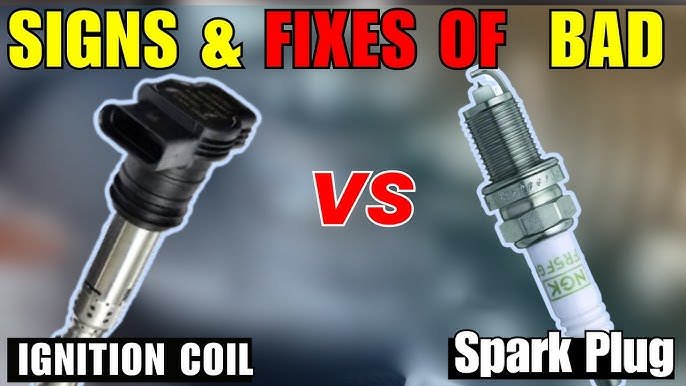
Many people replace the wrong part because they miss the real signs of a bad coil. Here are the most common symptoms:
- Engine misfires or runs rough
- Check engine light is on
- Poor fuel economy
- Hard starting or no start
- Loss of power, especially under load
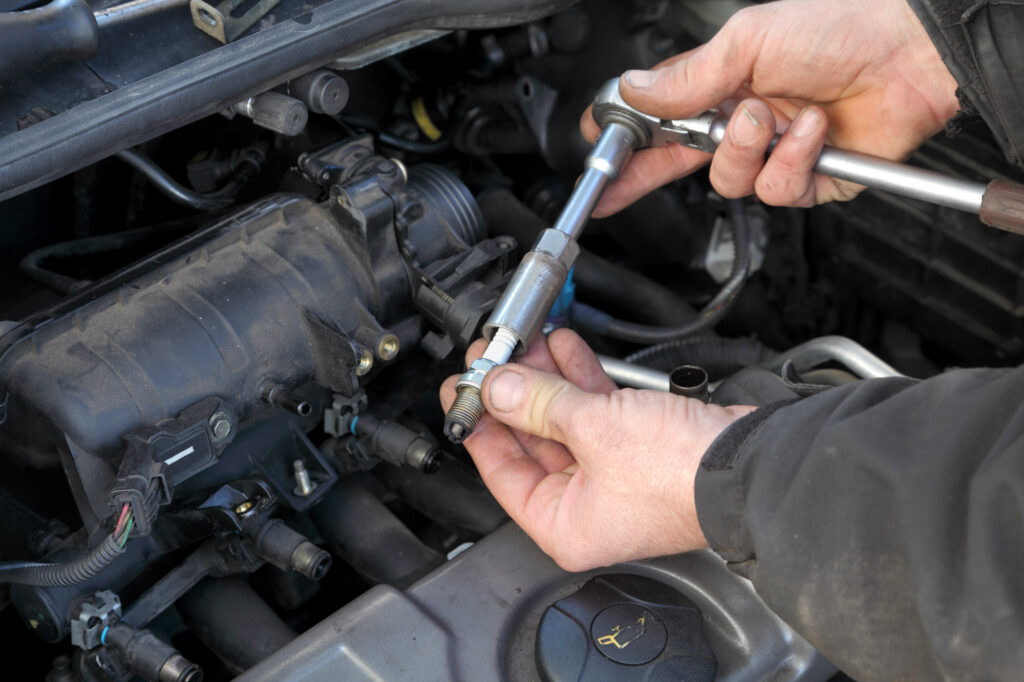
If you have these problems, test the ignition coil with an ohmmeter or swap it with another cylinder to confirm.
Credit: www.carparts.com
Key Steps For Safe Ignition Coil Replacement
To replace your ignition coil safely and successfully, follow these steps:
- Let the engine cool completely.
- Disconnect the negative battery terminal.
- Remove engine covers as needed.
- Unplug the ignition coil connector.
- Remove mounting bolts carefully.
- Gently twist and pull out the old coil.
- Inspect the coil boot and spark plug.
- Clean the coil seat area.
- Apply dielectric grease to the new coil boot.
- Install the new coil, tighten bolts to spec.
- Plug in the connector.
- Reconnect the battery.
- Start the engine and test drive.
Common Problems After Coil Replacement
Sometimes, even after replacing the coil, new problems appear. Here’s how to troubleshoot:
| Problem | Possible Cause | Solution |
|---|---|---|
| Misfire remains | Other coil, plug, or injector bad | Test and swap parts to isolate |
| Check engine light stays on | Codes not cleared, other issue present | Use OBD-II scanner, check for new codes |
| Engine runs rough after repair | Loose connector or wire, wrong coil | Check all connections, part numbers |
Credit: www.youtube.com
When To Call A Professional
If you are not confident or do not have the right tools, it’s safer to get help. Mechanics can test the ignition system and find hidden problems. Trying to fix complex issues yourself can sometimes cost more in the long run.
For more about car ignition systems, you can check this Wikipedia article.
Frequently Asked Questions
Why Does My Ignition Coil Keep Failing?
Repeated coil failure often means another problem, like oil leaks, bad spark plugs, or wiring issues. Fixing just the coil does not solve the root cause.
Can I Drive With A Bad Ignition Coil?
Driving with a bad coil can damage your engine and catalytic converter. It’s best to repair it as soon as possible.
How Do I Know If My Ignition Coil Is Genuine?
Buy from trusted stores or official dealers. Check for brand markings, quality packaging, and reviews. Fake parts are common online.
Should I Replace All Ignition Coils At Once?
If your car has high mileage or several coils are old, replacing all at once can prevent future problems. If only one coil is bad and the others are newer, just replace the faulty one.
Is It Safe To Replace An Ignition Coil Myself?
Yes, if you have basic tools and follow safety steps like disconnecting the battery and letting the engine cool. If unsure, seek professional help.
Replacing an ignition coil is not hard, but attention to detail is key. Avoiding these mistakes will help your car run smoothly and save you money in the long run. Take your time, use quality parts, and always check for hidden problems.
Your car—and your wallet—will thank you.
Credit: www.amazon.com