
Replacing a car starter motor might seem straightforward, but even seasoned DIYers can make costly mistakes. This job requires a bit of patience, the right tools, and careful steps. If you make an error, you risk wasting time, damaging your vehicle, or facing even bigger repair bills.
Understanding the most common mistakes can help you avoid frustration and keep your car running smoothly.
Why Replacing A Starter Motor Matters
The starter motor is essential for starting your car’s engine. Without it, your vehicle won’t crank or fire up. When you replace a failing starter, you restore the car’s reliability—if the job is done right. Otherwise, you may end up stranded, or worse, cause damage to other parts.
Mistake 1: Skipping Proper Diagnosis
Many people replace the starter motor as soon as they notice starting trouble. However, the symptoms of a bad starter can be similar to other issues, like a weak battery, faulty ignition switch, or poor wiring connections.
You should always check:
- Battery charge and condition
- Starter relay and fuses
- Main wiring connections
- Neutral safety switch (for automatics)
Failing to diagnose properly can mean replacing a perfectly good starter motor, only to find the car still won’t start.
Mistake 2: Not Disconnecting The Battery
The starter motor is directly connected to the car’s electrical system. If you don’t disconnect the battery before starting the job, you risk electric shock or creating a short circuit. This can damage expensive components and even cause fires.
Always remove the negative (black) battery cable before touching any wiring. Don’t skip this step—many experienced mechanics have learned this the hard way.
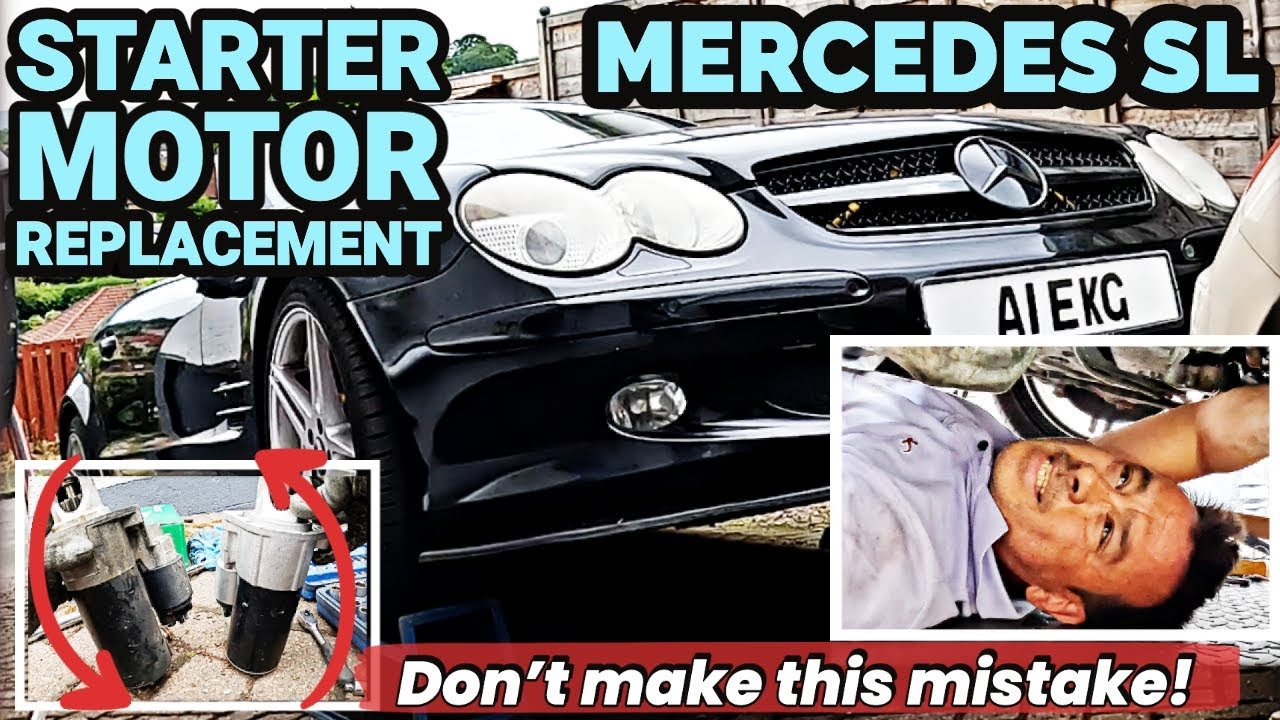
Mistake 3: Using The Wrong Replacement Part
Not all starters are the same, even for the same make and model. Differences can include:
- Number of teeth on the drive gear
- Mounting hole positions
- Electrical connector types
Buying a cheap, universal starter or picking one just because “it looks close” often ends in a poor fit or quick failure. Always match the part number, or cross-check with your car’s VIN.
Credit: www.youtube.com
Mistake 4: Ignoring Core Charges And Returns
Many auto parts stores charge a core fee when you buy a new or remanufactured starter. This fee is refunded only when you return the old starter.
If you throw away your old starter or forget to return it, you lose this money—sometimes $20-$60 or more. Keep the box and receipt, and bring back your old unit as soon as possible.
Mistake 5: Rushing The Removal Process
Starter motors are usually in cramped places, surrounded by sensitive wiring, fuel lines, and sometimes exhaust pipes. Trying to rush removal can result in:
- Broken wires or vacuum hoses
- Stripped bolts
- Damaged sensor connectors
Take your time. Label wires and bolts if needed. If you have to force something, stop and check for hidden fasteners.
Mistake 6: Failing To Inspect Mounting Surfaces
A clean, flat mounting surface is vital for the starter to work well. Dirt, old gasket material, or corrosion can cause misalignment. This leads to noisy operation, premature wear, or the starter not engaging the flywheel properly.
Before installing the new starter, clean the mounting area with a wire brush. Check for cracks or damage, too.
Mistake 7: Not Checking Flywheel Or Flexplate Teeth
The starter gear meshes with the flywheel (manual) or flexplate (automatic). If the teeth on these parts are worn or damaged, your new starter will also have problems.
Spin the engine by hand and inspect the teeth through the starter opening. Replace the flywheel or flexplate if you see missing or badly worn teeth.
Mistake 8: Over-tightening Or Under-tightening Bolts
Mounting bolts need to be tightened to the manufacturer’s specifications. Too tight, and you can crack the starter housing or the engine block. Too loose, and the starter can shift, causing grinding noises and damage.
If you have a torque wrench, use it. Most passenger car starter bolts are torqued between 20–35 ft-lbs (27–47 Nm), but always check your car’s manual.
Mistake 9: Forgetting To Reconnect Heat Shields
Some vehicles use heat shields to protect the starter from exhaust heat. Forgetting to reinstall them can cause the new starter to overheat and fail early, especially in hot climates or during long drives.
Double-check that all shields and brackets go back in place before you finish.
Mistake 10: Not Cleaning Or Replacing Electrical Connections
Corroded or dirty connections can prevent the starter from receiving enough power, even with a new unit installed. You should always:
- Clean all terminals and wire ends
- Replace frayed or damaged wires
- Apply dielectric grease to prevent future corrosion
This simple step can add years to the life of your new starter.
Mistake 11: Installing The Starter At The Wrong Angle
The starter must mesh perfectly with the flywheel or flexplate. If it’s installed even slightly crooked, you’ll hear grinding or clicking noises. Over time, this can ruin both the starter and the flywheel.
Make sure the starter sits flush against the mounting surface, and bolts are tightened evenly.
Mistake 12: Reusing Old Or Damaged Hardware
Using rusty, stretched, or stripped bolts and nuts can risk the starter coming loose. Always inspect and replace any worn hardware during installation. Many manufacturers recommend new bolts with every starter replacement.
Mistake 13: Overlooking Starter Shims
Some cars, especially older American models, require starter shims to set the correct distance between the starter gear and the flywheel. If shims were used on the old starter, you should install them with the new one.
Not using needed shims can cause noisy operation or damage.
Credit: enginefinders.co.uk
Mistake 14: Not Testing Before Reassembly
Before putting all covers, shields, and splash guards back, always test the new starter. Make sure the engine cranks smoothly and there are no strange noises.
If you hear grinding, clicking, or nothing at all, check your work before finishing reassembly.
Mistake 15: Forgetting To Clear Error Codes
Modern cars may store error codes related to failed starts or electrical disconnections. After replacing the starter, use a scan tool to clear any codes. This prevents warning lights from staying on and helps you spot new problems.
Mistake 16: Ignoring Warning Signs During The First Start
After installation, listen carefully during the first few starts. Any odd noises, slow cranking, or warning lights can signal a problem. Address these issues immediately before further damage happens.
Mistake 17: Not Saving Or Labeling Removed Parts
During disassembly, you may remove several bolts, brackets, or wiring clips. Failing to keep these organized can make reassembly confusing or lead to missing parts.
Use zip bags, labels, or a magnetic tray to keep everything in order.

Credit: www.rac.co.uk
Mistake 18: Overlooking Battery Health
A weak battery can damage a new starter by forcing it to work harder. Before installing a new starter, test the battery. If it’s more than 3–5 years old, or shows low voltage, consider replacing it as well.
Mistake 19: Not Following The Car’s Service Manual
Each car model can have unique steps, special tools, or hidden fasteners. Skipping the factory service manual increases your chances of missing something important.
Always check the manual for your car’s specific instructions and torque settings.
Mistake 20: Skipping A Final System Test
After everything is reassembled, check that:
- All accessories work (radio, lights, windows)
- The car starts reliably several times
- There are no warning lights or odd noises
A final check can catch mistakes before you’re stranded somewhere inconvenient.
Common Signs Of A Bad Starter Motor
Understanding starter motor failure symptoms helps you avoid unnecessary replacements. Watch out for:
- Clicking sound when turning the key
- Slow or labored engine cranking
- No sound or movement at all
- Occasional starts, then failure
- Visible smoke or burning smell
If you’re unsure, have a mechanic check the system before replacing the starter.
Starter Motor Replacement: Time, Difficulty, And Cost
Here’s a comparison to help you plan your repair:
| Vehicle Type | Time Required | Difficulty Level | Estimated Cost (Parts & Labor) |
|---|---|---|---|
| Small Car | 1–2 hours | Moderate | $200–$400 |
| Pickup/SUV | 2–4 hours | Advanced | $300–$600 |
| Luxury/European | 2–6 hours | Difficult | $400–$900 |
Some vehicles require removing other parts (like exhaust or intake manifolds), which increases the time and cost.
New Vs. Remanufactured Vs. Used Starters
When buying a starter, you’ll see three main choices:
| Type | Pros | Cons |
|---|---|---|
| New | Reliable, warranty, long life | Most expensive |
| Remanufactured | Cheaper, eco-friendly, warranty | Quality varies, shorter lifespan |
| Used | Very cheap, quick solution | No warranty, may fail soon |
For most drivers, remanufactured starters offer the best value.
Extra Tips To Avoid Costly Mistakes
- Take clear photos before removing anything. They’ll help during reassembly.
- If you’re not confident, ask a friend or hire a pro. Some jobs are best left to experts.
- Always work in a safe, well-lit area with the car securely supported.
- Keep all tools and parts organized to avoid confusion.
When To Seek Professional Help
Some situations are best handled by a trained mechanic:
- Starters in very tight spaces (under intake or exhaust)
- Hybrid or start-stop vehicles (high-voltage systems)
- Cars with complex anti-theft or computer-controlled starting systems
If you’re unsure, it’s safer—and often cheaper in the long run—to get professional help.
Frequently Asked Questions
What Are The Main Symptoms Of A Bad Starter Motor?
Common signs include a clicking sound when you turn the key, slow engine cranking, no response at all, or sometimes smoke from under the hood. If the lights and accessories work but the car doesn’t crank, the starter is a likely culprit.
Can I Replace A Starter Motor Myself?
Yes, if you have basic tools and mechanical skills. However, some cars make access very difficult. Read your car’s repair manual first. If the job looks too hard, a professional mechanic is a better choice.
How Much Does It Cost To Replace A Starter Motor?
Costs vary by vehicle. For most cars, parts and labor range from $200 to $600. High-end or hard-to-reach starters can cost more. Doing the job yourself saves labor costs, but make sure you diagnose the problem correctly.
Why Is My New Starter Still Not Working?
Possible reasons include a bad battery, poor wiring connections, a failed ignition switch, or an incorrect starter installation. Double-check all electrical connections and make sure the starter matches your car’s specifications.
Where Can I Learn More About Car Starter Motors?
You can find more technical details and maintenance tips at the Wikipedia page on starter motors.
Replacing a car starter motor is a rewarding job if done carefully. By avoiding these common mistakes, you’ll save time, money, and frustration—and help keep your car reliable for years to come.