
Working on a car’s fuel system is a job that requires respect for both your safety and your surroundings. Each year, accidents in home garages and professional shops happen because people overlook basic precautions. Gasoline and diesel are highly flammable, and modern fuel systems are pressurized.
A small mistake can lead to fire, serious injury, or even death. Whether you are a DIY enthusiast or a trained mechanic, understanding and following safety steps is essential to protect yourself, your vehicle, and your workspace.
This article gives you practical, easy-to-follow precautions for all types of car fuel system work. You’ll learn how to prepare, what to wear, how to handle tools and parts, and what common mistakes to avoid. Even if you already have some experience, you’ll find useful insights that can make your work much safer.
Understanding The Risks Of Fuel System Work
Many people underestimate the dangers involved in fuel system repairs. The main risks include:
- Fire and explosion: Gasoline vapors are heavier than air and can travel to ignition sources, causing flash fires.
- Toxic exposure: Breathing fuel vapors can cause dizziness, headaches, or long-term health problems.
- High pressure leaks: Modern fuel injectors often run at 40–70 psi (pounds per square inch), and some direct injection systems use up to 2,000 psi.
- Environmental damage: Spilled fuel can contaminate soil and water.
A National Fire Protection Association report found that fire departments respond to over 4,500 vehicle fires each year caused by maintenance accidents. Most could have been prevented by following simple safety rules.
Preparing Your Workspace
The first step to safe fuel system work is a proper workspace. Here’s what you need to do:
- Choose a well-ventilated area. Fuel vapors can build up quickly in closed spaces. Always work with open garage doors and, if possible, use a fan to keep air moving.
- Keep your work area clean. Remove all items that could catch fire, such as paper towels, rags, or cardboard.
- Have the right safety equipment handy. This includes a fire extinguisher rated for class B fires (flammable liquids), a spill kit, and a first aid kit.
- Check for ignition sources. Turn off all pilot lights, heaters, and avoid using power tools that can create sparks near the fuel system.
- Good lighting is important so you can see leaks or drips quickly.
Non-obvious insight: Many people forget that even battery-powered tools can spark if dropped or misused. Always keep all electronics away from open fuel lines.
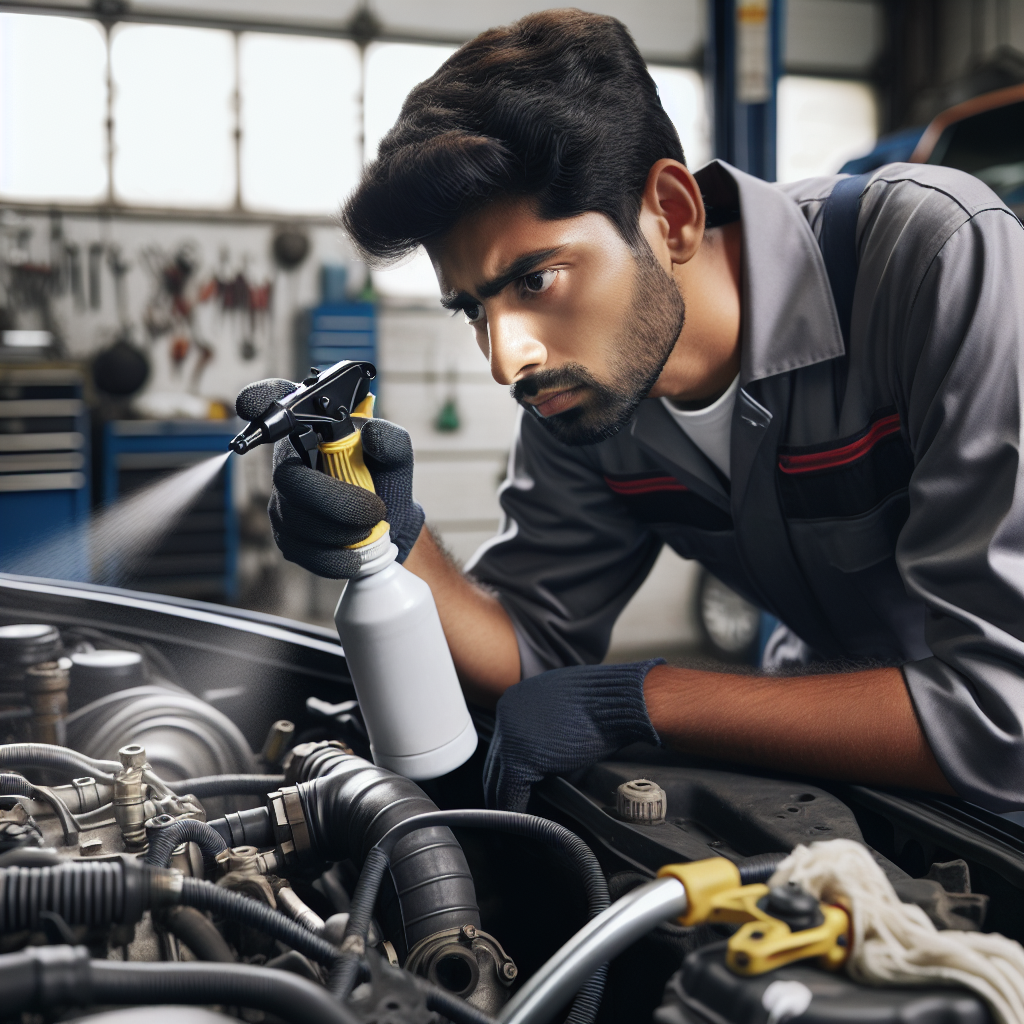
Credit: thelandautorepair.com
Personal Safety Gear
Wearing the right clothing and gear can protect you from burns, chemical exposure, and injury.
- Nitrile gloves are better than latex for fuel because they resist chemicals.
- Safety goggles protect your eyes from sprays and splashes.
- Long sleeves and pants made of natural fibers (like cotton) are less likely to melt than synthetics if exposed to fire.
- Closed-toe shoes with non-slip soles are a must.
- Respirator masks may be needed if you’re working for long periods or in a less-ventilated space.
Never wear jewelry, loose sleeves, or anything that could catch on parts or spill into open tanks.
Safely Depressurizing The Fuel System
One of the biggest mistakes is forgetting to relieve pressure before opening the fuel system. Here’s how to do it:
- Remove the fuel pump relay or fuse. Start the engine and let it run until it stalls. This uses up the pressure.
- Disconnect the battery to avoid accidental sparks.
- Double-check with a fuel pressure gauge. Even after stalling, some pressure can remain, especially in high-pressure systems.
Some cars have special bleed valves—consult your service manual.
Non-obvious insight: Fuel can spray several feet from a pressurized line. Always cover connections with a rag when opening, and direct your body away from the expected spray area.
Safe Handling And Storage Of Fuel
Whenever you have to drain or remove fuel, handle it with extreme care.
- Use only approved gasoline containers with tight-fitting caps.
- Keep containers on the ground while filling to prevent static electricity.
- Store fuel away from sunlight, heat, and living spaces.
- Dispose of old or contaminated fuel at a proper recycling facility.
Never pour fuel down drains, on the ground, or mix it with household waste.
Tools And Equipment: What’s Safe, What’s Not
Some tools are safer than others around fuel. Here’s a quick comparison:
| Tool Type | Recommended for Fuel Work? | Reason |
|---|---|---|
| Manual hand tools | Yes | No sparks, good control |
| Electric power tools | No | Risk of sparking |
| Pneumatic tools | Yes (if oil-free air) | Lower spark risk, but watch for static |
| Fuel line disconnect pliers | Yes | Prevents line damage, less force needed |
Tip: Always wipe tools clean of fuel before storing to avoid future fire risks.
Step-by-step Guide For Common Fuel System Jobs
Replacing A Fuel Filter
- Relieve system pressure as described above.
- Disconnect battery for extra safety.
- Lift the vehicle if needed, using jack stands, not just a jack.
- Place a drip pan under the filter.
- Loosen fittings slowly and catch any fuel that escapes.
- Install the new filter in the correct direction.
- Check for leaks before lowering the car and starting the engine.
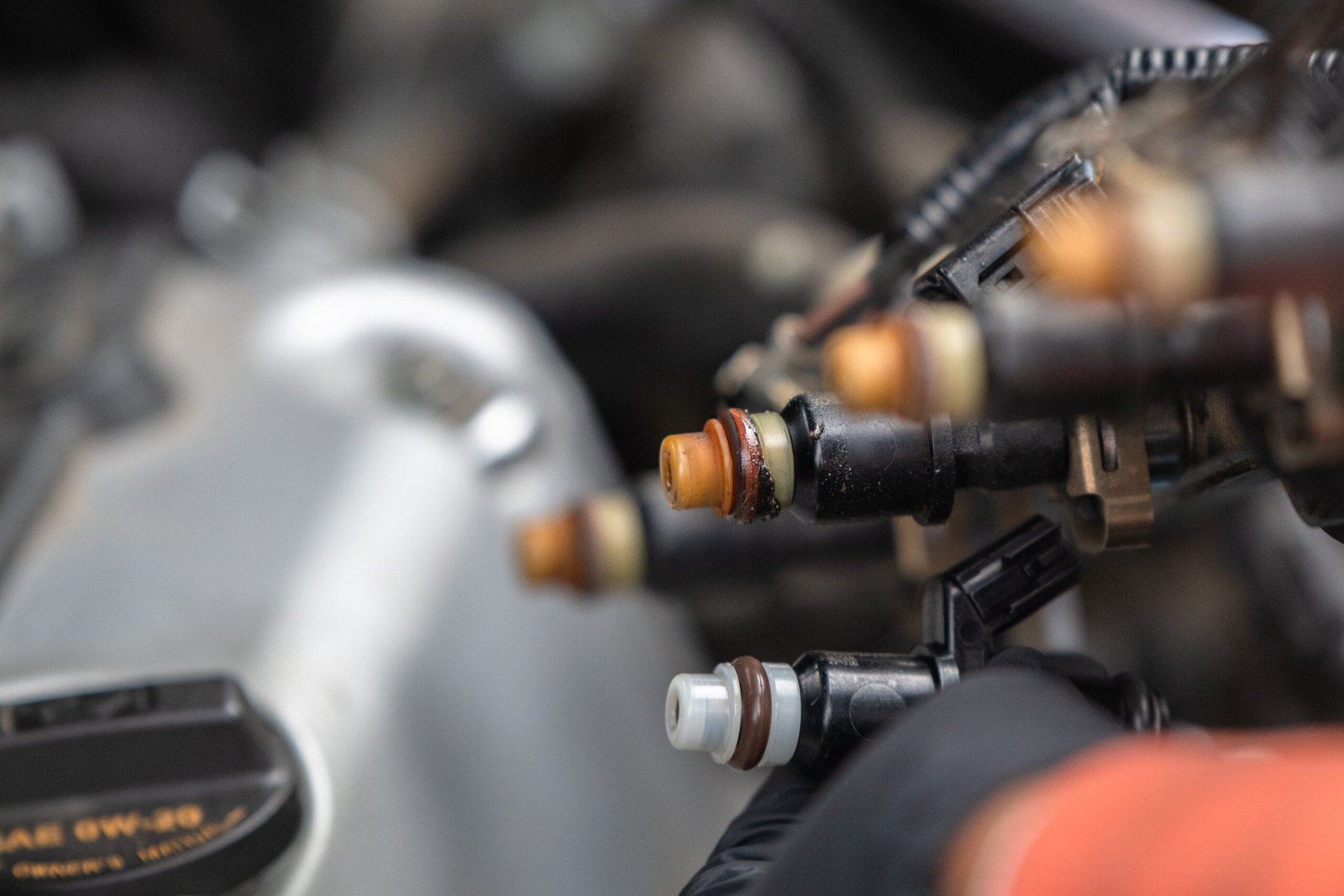
Changing Fuel Injectors
- Depressurize the system.
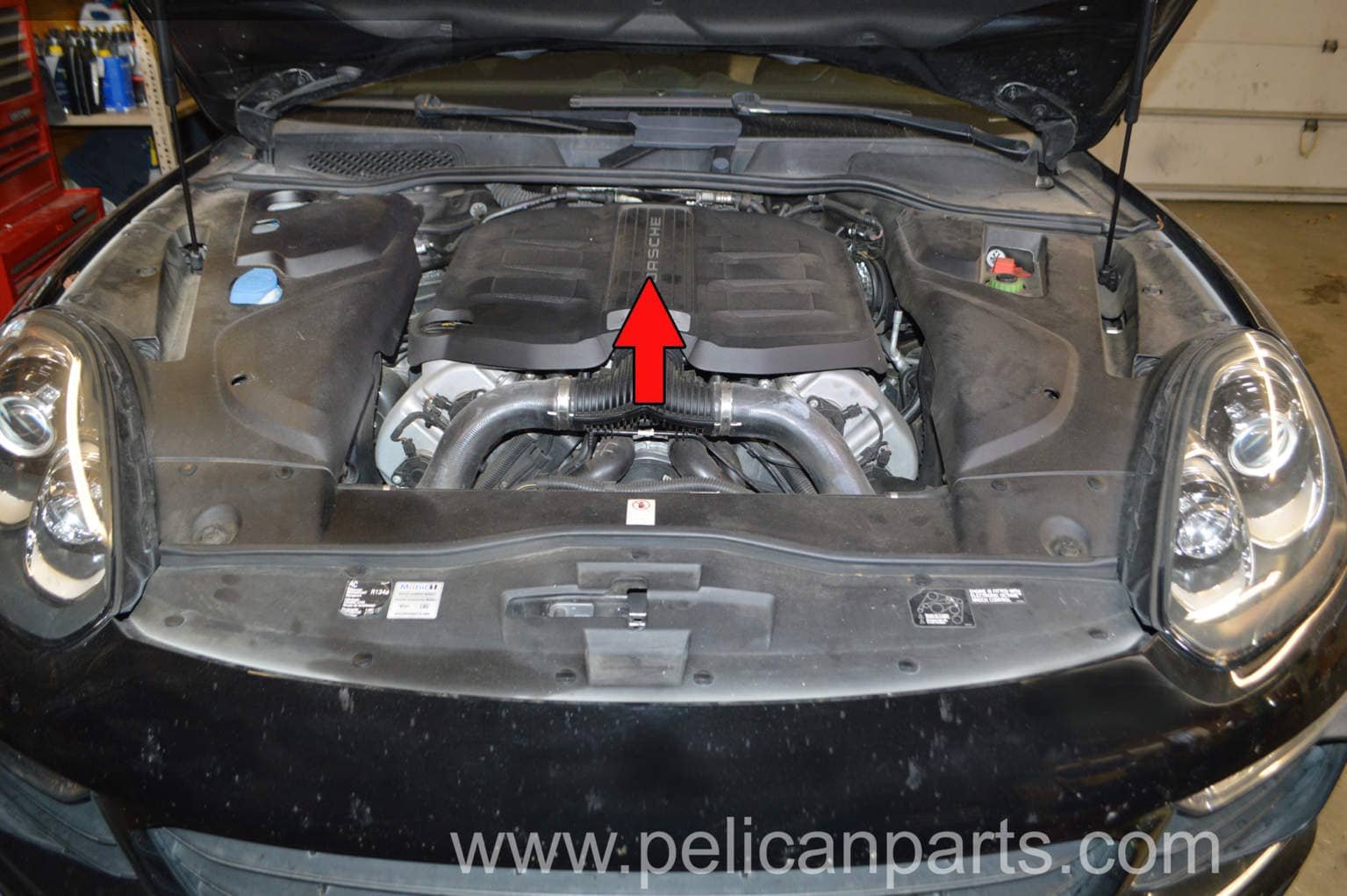
- Remove any engine covers and air intake parts.
- Label hoses and wires if you need to disconnect them.
- Carefully remove injectors—never force them.
- Lubricate new injector seals with a small amount of clean engine oil.
- Reassemble everything and check for leaks after starting the engine.
Draining The Fuel Tank
- Use a siphon pump designed for fuel, not your mouth.
- Drain into an approved container.
- Do not use open buckets or glass jars.
- Dispose of fuel safely as described earlier.
Preventing Static Electricity
Static sparks can ignite fuel vapors. Here’s how to avoid static build-up:
- Always touch a metal part of the car before opening any fuel line or tank.
- Keep fuel containers on the ground during filling.
- Do not wear synthetic clothing (like polyester) that can generate static.
If you feel a shock, stop working, and wait a few minutes before continuing.
Credit: www.autozone.com
What To Do If A Fuel Spill Happens
Even with care, spills can occur. Here’s how to handle them:
- Ventilate the area immediately. Open doors and windows.
- Contain the spill with absorbent material, such as kitty litter or commercial pads.
- Clean up all residues before continuing work.
- Dispose of used absorbents at a hazardous waste facility.
Never try to wash fuel spills away with water—this spreads contamination.
Handling High-pressure Fuel Systems
Modern cars with direct injection run at much higher pressures than older systems. The risks are greater.
- Always consult the repair manual for special depressurizing steps.
- Wear thicker gloves and double-check all fittings.
- Expect some fuel to spray even after depressurizing—stand back and shield your face.
Example: A 2018 Ford F-150’s direct-injection system can reach 2,000 psi—enough to inject fuel under the skin, causing serious injury.
Fire Safety Measures
Fire is the biggest risk during fuel system work. Here’s how to prepare:
- Have a class B fire extinguisher within reach.
- Know your escape route in case of a fire.
- Do not smoke or allow anyone to smoke nearby.
- Wait several minutes after working before plugging in any electrical equipment.
Statistic: According to the U.S. Fire Administration, more than half of home garage fires start with flammable liquids like gasoline.
Environmental Responsibility
Protecting the environment is part of safe fuel system work.
- Always use drip pans and absorbents.
- Store waste fuel in sealed containers.
- Take used fuel, filters, and absorbent materials to a certified disposal site.
- Report major spills to local authorities if they reach the soil or water.
Example: One gallon of spilled gasoline can pollute up to 750,000 gallons of water.
Common Mistakes To Avoid
Mistakes often happen when people rush or skip steps. Here are some to watch out for:
- Not relieving pressure before disconnecting lines.
- Using unapproved containers for fuel storage.
- Forgetting to disconnect the battery.
- Ignoring small leaks—even a slow drip is dangerous.
- Wearing the wrong clothes (synthetics, sandals, etc. ).
- Improper disposal of waste fuel.
Comparing Fuel System Components And Their Hazards
Understanding which parts are most dangerous can help you plan your work:
| Component | Typical Pressure | Hazard Level |
|---|---|---|
| Fuel filter | 40–70 psi | Medium |
| Fuel injectors | 40–2,000 psi | High |
| Fuel pump | Varies | Medium |
| Fuel tank | Atmospheric | Low (except fumes) |
Credit: www.pelicanparts.com
Training And Staying Informed
If you’re new to fuel system work, consider watching professional tutorials or reading your vehicle’s service manual. Newer cars often have special procedures. Many manufacturers publish safety bulletins for mechanics—check their websites regularly. For more in-depth technical information, the Wikipedia Fuel System page is a reliable resource.
Frequently Asked Questions
What Should I Do If I Get Fuel On My Skin?
Immediately wash the area with soap and water. Remove any clothing that was splashed. If irritation lasts, see a doctor. Do not use solvents to clean your skin.
Is It Safe To Smoke Or Use My Phone While Working On The Fuel System?
No. Never smoke or use devices that could spark or get hot near open fuel. Even a phone battery can be an ignition source.
How Do I Know If My Workspace Is Well-ventilated Enough?
If you can smell fuel strongly or feel dizzy, it’s not ventilated enough. Always have open doors and, if possible, use a fan to move fresh air through the area.
Can I Store Fuel In Any Plastic Container?
No. Only use containers approved for gasoline or diesel storage. Other plastics can break down and leak, creating a fire hazard.
What’s The Best Way To Check For Leaks After Fuel System Repair?
After finishing, turn the ignition to “on” without starting the engine. This pressurizes the system. Look and smell for leaks around your work area. Fix any leaks before driving.
Taking these safety steps may add a few minutes to your repair, but they can prevent disaster. Respecting the dangers of fuel system work is a sign of true skill and professionalism—never a sign of fear. With the right habits, you can keep yourself, your family, and the environment safe while keeping your car running strong.