
Painting your car at home can be a rewarding project, saving money and giving you full control over the results. But before you open that can of paint, it’s essential to know that painting a car comes with serious risks. Paint fumes, chemicals, and equipment can be dangerous if you’re not prepared. Many people think a mask and an old shirt are enough protection, but that’s far from the truth. Taking the right safety steps will not only keep you healthy but also help you achieve a better finish on your car.
If you’re planning to do this at home, you’ll need more than just painting skills. Let’s look at the crucial safety precautions that protect both you and your surroundings during a DIY car painting project.
Understanding The Dangers Of Car Painting
Before you pick up a spray gun or paintbrush, it helps to know what you’re dealing with. Car paint is not like regular wall paint. It often contains volatile organic compounds (VOCs), solvents, and other chemicals that can harm your lungs, skin, and eyes. Even quick exposure can cause headaches, dizziness, and skin irritation. Long-term or repeated exposure may lead to respiratory issues, nervous system problems, or even cancer.
Paint fumes are heavier than air and can linger in low areas, creating fire hazards. Many paints are also highly flammable, especially when mixed with thinners or cleaners. Some paints contain isocyanates, which are particularly dangerous and can cause severe allergic reactions or asthma.
Preparing A Safe Workspace
Setting up a safe work area is one of the most important steps. Where you paint matters as much as how you paint.
- Choose the Right Location: Paint in a well-ventilated area, ideally outside under a canopy or in a large garage with open doors and windows. Avoid painting in small, closed rooms.
- Clear the Area: Remove items that can catch fire, like newspapers, fuel cans, or oily rags. Move furniture and cover floors with plastic sheeting.
- Control Dust and Debris: Sweep and clean the space before painting. Dust can ruin your paint finish and may also catch fire.
- Set Up Ventilation: Use fans to move fresh air into your space and direct fumes outside. Never use box fans near flammable vapors—choose explosion-proof fans if possible.
- Fire Extinguisher: Always have a fire extinguisher rated for chemical fires nearby.
Workspace Comparison Table
Here’s a quick comparison of safe vs. unsafe painting spaces:
| Feature | Safe Space | Unsafe Space |
|---|---|---|
| Ventilation | Strong airflow, open windows/doors | Closed, stuffy, no airflow |
| Flammable Items | Removed or covered | Exposed, near painting area |
| Cleanliness | Clean, dust-free | Dirty, debris on floor |
| Fire Protection | Extinguisher nearby | No extinguisher present |
Personal Protective Equipment (ppe)
Wearing the right gear is your first line of defense against toxic chemicals and accidents. At a minimum, you should have:
- Respirator Mask: Not a simple dust mask—choose a full-face or half-face respirator with filters rated for organic vapors.
- Protective Clothing: Wear a long-sleeved coverall or a disposable paint suit. Avoid loose clothing that can catch on equipment.
- Gloves: Use nitrile or neoprene gloves to protect your skin from chemicals.
- Eye Protection: Safety goggles or a full-face shield prevent paint splashes from reaching your eyes.
- Hearing Protection: If you’re using loud compressors or power tools, earplugs or earmuffs are a good idea.
- Closed-toe Shoes: Sturdy, slip-resistant shoes will protect your feet from spills and dropped tools.
Ppe Comparison Table
To help you choose, here’s a quick look at different types of protective gear:
| PPE Item | Recommended | Not Recommended |
|---|---|---|
| Respirator | Organic vapor cartridge | Simple dust mask |
| Clothing | Coverall or paint suit | T-shirt, shorts |
| Gloves | Nitrile, neoprene | Latex, bare hands |
| Eye Protection | Goggles/full-face shield | Regular glasses |
Handling Paints And Chemicals Safely
Car painting involves more than just paint. You’ll use thinners, primers, cleaners, and sometimes hardeners. Each of these can be dangerous if handled incorrectly.
- Read Labels: Always check the safety instructions. Look for hazard symbols and follow the recommended precautions.
- Mix Carefully: Add hardeners or thinners in a well-ventilated space. Wear gloves and avoid splashes.
- Store Properly: Keep chemicals in their original containers, tightly sealed, and away from heat sources. Never store them near food or in direct sunlight.
- Dispose Responsibly: Never pour leftover paint or solvents down the drain. Take them to a hazardous waste facility or follow local rules for disposal.
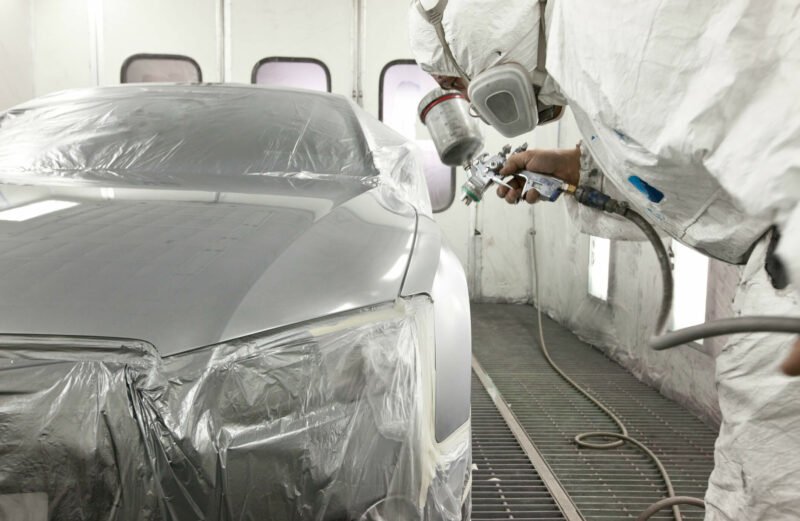
A common beginner mistake is underestimating the danger of isocyanates in some automotive paints. These chemicals can cause severe lung damage even with short exposure, so always use the best respirator you can get and never paint in an enclosed, unventilated area.
Credit: www.safeopedia.com
Fire And Explosion Risks
Many paints and solvents are highly flammable. The risk of fire increases when using spray guns, compressors, and electrical equipment.
- No Smoking: Never smoke near your workspace. Even a small spark can ignite fumes.
- Avoid Open Flames: Turn off pilot lights, heaters, or anything with an open flame.
- Control Static Electricity: Wear rubber-soled shoes and avoid synthetic fabrics, which can build up static. Ground your compressor and spray equipment.
- Electrical Safety: Inspect cords and plugs for damage. Use outlets with ground fault protection.
A surprising risk is static discharge—simply walking on some carpets can generate enough static to ignite paint fumes. Always ground yourself before touching spray equipment.
Safe Painting Techniques
Once your space and equipment are ready, follow these best practices for safe painting:
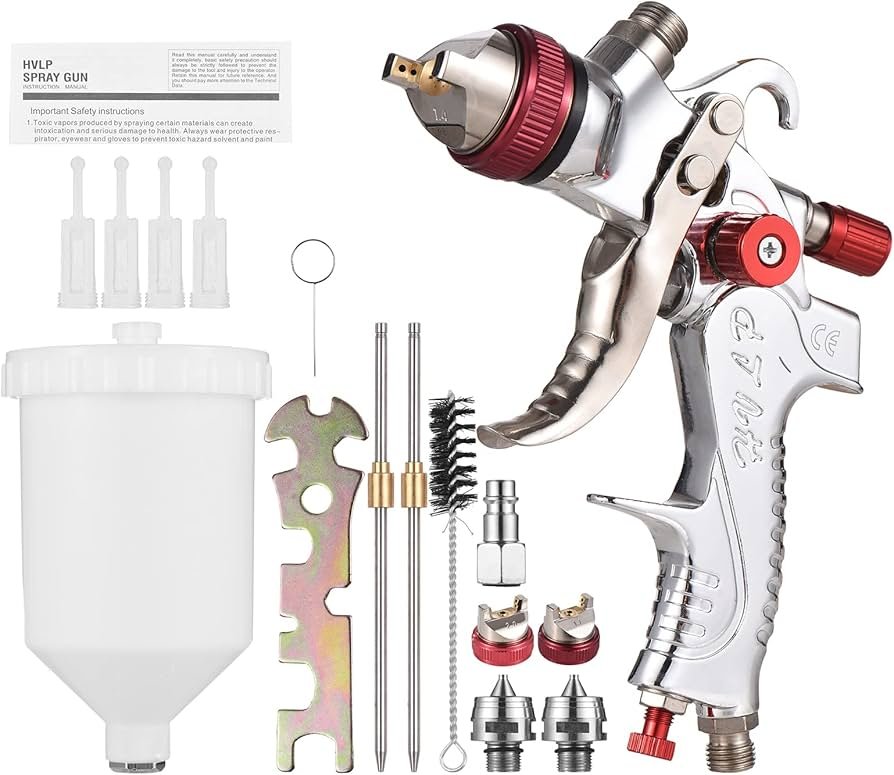
- Test Equipment: Check your spray gun or brush for leaks or damage before starting.
- Work in Short Sessions: Take regular breaks to air out the space and give your lungs a rest.
- Keep Lids Closed: Cover paint cans and solvent containers when not in use to limit fumes.
- Clean Up Spills Immediately: Use absorbent materials and dispose of them as hazardous waste.
- Keep Kids and Pets Away: Never allow children or animals near your workspace.
Credit: www.amazon.com
Air Quality And Ventilation
Poor air quality is a silent danger when painting cars. Even if you don’t smell strong fumes, harmful chemicals can still be present.
- Fans and Extractors: Use a fan to blow air out of the room, not just around. Position it so clean air comes in and fumes go out.
- Air Purifiers: If available, use an air purifier with a HEPA filter to trap fine particles.
- Open Windows: Keep windows and doors open as much as possible.
- Monitor Your Breathing: If you start feeling dizzy, lightheaded, or have trouble breathing, leave the area immediately.
A non-obvious tip: Fumes can travel and linger in your home, especially if your workspace is attached to your house. Always seal off the work area from living spaces, or paint outside if possible.
Clean-up And Aftercare
Proper clean-up is as important as the painting itself. Leftover chemicals and dirty tools can remain hazardous for days.
- Store Leftovers Safely: Seal all cans and store them in a cool, ventilated area, away from children and pets.
- Wash Hands and Skin: Use soap and water, not solvents, to clean your skin.
- Change Clothes: Remove and wash contaminated clothing separately from other laundry.
- Dispose of Waste Responsibly: Collect used rags, filters, and empty cans, and take them to a hazardous waste center.
One thing many people forget: Paint residue on your skin or under your nails can continue to release fumes for hours. Clean up thoroughly before eating or touching your face.
Environmental Considerations
Painting your car at home can impact the environment if you’re not careful.
- Prevent Spills: Use trays or pans under your work area to catch drips.
- Avoid Storm Drains: Never wash paint or chemicals into the street or drains.
- Recycle When Possible: Some areas accept used paint and solvents for recycling. Check your local guidelines.
For more in-depth information on chemical safety, visit the OSHA Hazard Communication Standard.
Frequently Asked Questions
What Type Of Mask Is Best For Painting A Car At Home?
A respirator mask with organic vapor cartridges is best. Simple dust masks do not protect against paint fumes. Look for masks rated for chemical or vapor protection.
How Can I Tell If My Workspace Has Enough Ventilation?
You should have a steady flow of fresh air entering and fumes exiting. If you smell strong paint odors or feel dizzy, your ventilation is not enough. Fans and open windows help, but avoid using fans that can spark near flammable vapors.
Can I Use Regular Household Gloves For Car Painting?
No, regular household gloves may not protect against strong chemicals. Use nitrile or neoprene gloves, which are resistant to automotive paints and solvents.
Is It Safe To Paint A Car In My Garage?
It can be safe if you have strong ventilation, remove flammable items, and use the right PPE. However, attached garages may let fumes enter your home, which is dangerous. Always seal off the area and consider painting outside if possible.
How Do I Dispose Of Leftover Paint And Solvents?
Never pour them down the drain or throw them in the trash. Take them to a hazardous waste disposal center or follow your local rules for chemical waste. Many communities have collection days for these materials.
Painting your car at home is a big job, but taking safety seriously protects your health and the environment. With careful preparation and the right gear, you can get great results—and enjoy your work with peace of mind. Stay safe, plan ahead, and your car will shine for years to come.
Credit: living.geico.com